
Here is something that will genuinely surprise you: insulin resistance affects an estimated 40% of adults worldwide - and the majority of them have absolutely no idea it is happening inside their body.
No obvious symptoms. No dramatic warning signs. Just your cells quietly becoming less and less responsive to insulin while blood sugar slowly climbs, energy gradually drops, and the risk of Type 2 diabetes, heart disease, and fatty liver disease grows bigger with every passing year.
The good news? Your insulin resistance diet - what you put on your plate every single day - is one of the most powerful tools you have for turning this around. When it comes to preventing and managing insulin resistance, your food choices make a big difference. And knowing exactly which foods help and which ones hurt can genuinely change your metabolic future.
In this guide, you will discover what a proper insulin resistance diet looks like, the best foods to eat and the ones to avoid, simple practical strategies you can start today, and how Ayurvedic herbal products can support your body's natural ability to use insulin more effectively.
What Is Insulin Resistance and Why Does Your Diet Matter So Much?
Before we dive into the food lists, let us just take a moment to understand what is actually happening in your body - because it makes the diet advice make a lot more sense.
Insulin is a hormone your pancreas produces to help move glucose from your blood into your cells, where it gets used for energy. In a healthy body, this process works smoothly. You eat, blood sugar rises, insulin is released, glucose enters the cells, blood sugar comes down. Simple and efficient.
In insulin resistance, the cells stop responding properly to insulin. The doors on your cells become stiff and hard to open. Your pancreas tries harder - producing more and more insulin - but the cells just are not cooperating. Over time, blood sugar starts to build up. The pancreas gets exhausted. And eventually, Type 2 diabetes can develop.
Here is the direct connection to diet: every meal you eat either helps your cells become more responsive to insulin or makes them more resistant. The types of foods you eat, how much fibre they contain, how quickly they raise your blood sugar, and how much inflammation they create in your body - all of these directly influence how well insulin works.
The right insulin resistance diet does not ask you to starve yourself or cut out entire food groups forever. It asks you to make smarter choices, most of the time. And it works.
The Best Foods to Include in Your Insulin Resistance Diet
1. Load Up on Non-Starchy Vegetables
If there is one food group to build your entire insulin resistance diet around, it is non-starchy vegetables. They are high in fibre, rich in antioxidants, low in calories, and have very little impact on blood sugar.
Research suggests that eating 400 grams - approximately 5 cups - of vegetables a day with 1.25 cups of citrus fruits or berries is associated with better glycaemic control, significantly lower HbA1c values, and decreased waist size.
Fill at least half your plate at every meal with vegetables like spinach, methi (fenugreek leaves), broccoli, cauliflower, capsicum, cucumber, bottle gourd, bitter gourd (karela), and tomatoes. These high-fibre foods help slow digestion to stabilise blood sugar.
Karela (bitter gourd) is especially worth mentioning - it is one of Ayurveda's most powerful foods for insulin resistance, and it works beautifully both as a vegetable in cooking and as Karela Powder taken in warm water every morning.
2. Eat Legumes and Lentils Every Day
Lentils, dal, chickpeas, rajma, moong, and chana are among the most powerful foods for an insulin resistance diet. They are packed with soluble fibre, plant protein, and complex carbohydrates that release energy slowly - preventing the sharp blood sugar spikes that worsen insulin resistance.
Slow and reduce blood sugar spikes by adding fibrous legumes like lentils or chickpeas to a garden salad or soup. A bowl of dal at lunch, a chana salad at dinner, or a moong sprout breakfast - these are not just everyday Indian foods. They are scientifically validated tools for improving insulin sensitivity.
If you're looking for an overall eating plan to address insulin resistance, your best bet is the Mediterranean diet - a nutrition strategy built around eating plant-based foods, which de-emphasises processed foods and saturated fats. Legumes are at the heart of this approach.
3. Choose the Right Carbohydrates - Siridhanya Millets
Not all carbohydrates are created equal. Refined grains - white rice, maida, white bread - break down rapidly into glucose, causing sharp blood sugar spikes that worsen insulin resistance every time you eat them.
A healthy insulin resistance diet is high in natural, fibre-rich foods that limit blood sugar spikes and low in processed and sugary foods. It's a way of eating that's less taxing on your insulin production system.
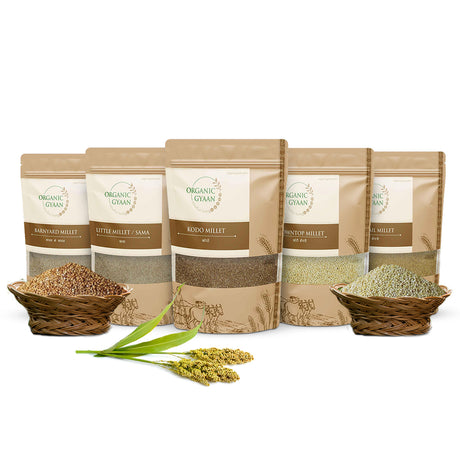
This is exactly where Siridhanya Millets come in. Foxtail millet, barnyard millet, little millet, kodo millet, and browntop millet are low on the glycaemic index, high in fibre, and release energy slowly and steadily. They create a gentle, predictable blood sugar curve that gives insulin the best possible conditions to work effectively.
Replacing white rice with millet khichdi or millet rice, or using ragi and jowar rotis instead of maida rotis, are practical daily switches that compound into genuine metabolic improvement over months. Diets rich in low glycaemic foods, fibre, antioxidants, and healthy fats can improve insulin sensitivity.
4. Include Healthy Fats
Healthy fats are not the enemy in an insulin resistance diet - they are essential allies. The mono- and polyunsaturated fats in foods like cold pressed coconut oil, nuts, and seeds have two effects that sensitise cells to insulin and help clear sugar from the blood - first by decreasing the release of inflammatory markers from fat tissue, and second by directly improving cellular insulin signalling.
Include cold-pressed mustard oil or coconut oil in moderation for cooking, a small handful of almonds or walnuts as a daily snack, and seeds like flaxseeds and pumpkin seeds regularly. These fats reduce the inflammation that drives insulin resistance while also keeping you fuller longer - reducing the refined carbohydrate cravings that make the condition worse.
5. Eat Fruits Wisely
Fruit is healthy - but which fruit and how much matters when you are managing insulin resistance. Choose fruits with a lower glycaemic impact - jamun (Indian blackberry), amla (Indian gooseberry), guava, papaya, pear, and apple - over high-sugar options like banana, mango, and grapes.
Jamun deserves special mention. It contains jamboline and jambosine - natural compounds that slow glucose absorption and have been used in Ayurveda for blood sugar management for centuries. Jamun Seed Powder gives you these benefits in an easy-to-use daily supplement form.
Avoid fruit juices entirely - even fresh-squeezed. Removing the fibre from fruit concentrates the sugar and removes the very thing that makes whole fruit blood-sugar-friendly.
6. Use Ayurvedic Spices in Every Meal
Your everyday spice box is a powerful insulin resistance diet tool. This diet's anti-inflammatory and antioxidant properties, primarily due to its unsaturated fats, polyphenols, and fibre, have improved blood pressure, lipid levels, and insulin sensitivity.
Turmeric, cinnamon, fenugreek, ginger, cumin, and coriander are all everyday Indian spices with documented anti-inflammatory and blood-sugar-supporting properties. Use them generously in every meal - they do not just add flavour, they actively support your metabolic health.
Foods to Avoid on an Insulin Resistance Diet
1. Refined carbohydrates: White rice, maida, white bread, packaged biscuits, namkeen, and fried snacks cause rapid blood sugar spikes that worsen insulin resistance with every bite. These are the foods most directly responsible for the global epidemic of insulin resistance.
2. Sugary drinks: Cold drinks, packaged fruit juices, sweetened chai, and energy drinks are among the worst things you can consume with insulin resistance. Liquid sugar enters the bloodstream faster than almost anything else - creating sharp insulin surges that progressively worsen resistance over time.
3. Ultra-processed foods: Instant noodles, packaged snacks, ready-made curries, and frozen meals typically contain refined flour, added sugars, unhealthy oils, and preservatives that all independently worsen insulin resistance.
4. Excessive added sugar: Sugar, large amounts of jaggery, excess honey, and artificial sweeteners - all of these repeatedly trigger large insulin responses that exhaust the system and deepen resistance over time.
5. Fried foods: Deep-fried snacks combine refined flour with oxidised oils in a way that is particularly damaging to insulin sensitivity. Save these for very occasional treats.
How to Reduce Insulin Resistance: 8 Simple Daily Strategies
Strategy 1 - Fill half your plate with vegetables at every single meal
This one habit - if done consistently - is the most impactful change you can make. Fibre from vegetables slows digestion, reduces blood sugar peaks, and directly supports insulin sensitivity.
Strategy 2 - Switch from refined grains to Siridhanya Millets
This is the most practical and powerful dietary change for how to reduce insulin resistance through food. Replace white rice and maida with foxtail millet, barnyard millet, kodo millet, little millet, or browntop millet every day.
Strategy 3 - Eat dal or legumes at every main meal
A bowl of any dal - moong, masoor, chana, urad - at lunch and dinner provides plant protein and soluble fibre that directly improve insulin sensitivity over time.
Strategy 4 - Never eat carbohydrates alone
If you do eat rice or roti, always pair it with a protein source (dal, curd, paneer) and a vegetable. This combination slows glucose absorption dramatically and reduces the insulin spike from the meal.
Strategy 5 - Start your meal with a salad or vegetables
Eating fibre-rich vegetables first - before your carbohydrates - slows glucose absorption from the rest of the meal. Research consistently shows this simple food sequencing reduces post-meal blood sugar spikes measurably.
Strategy 6 - Drink water and herbal drinks instead of sugary or diet drinks
Replace every sugary or artificially sweetened drink with plain water, jeera water, methi water, or Karela water. This single swap can produce visible improvements in insulin sensitivity within weeks.
Strategy 7 - Eat at regular times every day
Skipping meals causes blood sugar to dip and then spike when you finally eat. These repeated spikes are hard on your insulin system. Three balanced meals at consistent times is far better than irregular eating patterns.
Strategy 8 - Add Ayurvedic herbal blood sugar support to your routine
Rather than relying entirely on dietary restriction to control blood sugar, add targeted natural herbs that directly improve insulin sensitivity, reduce inflammation, and support the organs involved in glucose metabolism.
Ayurvedic Herbal Support to Reduce Insulin Resistance Naturally
The Mediterranean diet, characterised by high consumption of extra-virgin olive oil, nuts, vegetables and other polyphenol-rich elements, has proved to be associated with greater improvement of insulin resistance in obese individuals compared to other nutritional interventions.
Ayurvedic herbs work through similar polyphenol-rich, anti-inflammatory pathways - and several are specifically relevant for how to reduce insulin resistance naturally:
1. Karela Powder (Bitter Gourd)
Karela is Ayurveda's most researched herb for insulin resistance. Its natural compounds - charantin and polypeptide-p - directly improve how cells respond to insulin, acting like a natural insulin sensitiser. Half a teaspoon in warm water every morning before breakfast is one of the simplest and most powerful daily habits for anyone managing insulin resistance diet naturally. It directly addresses the cellular mechanism of insulin resistance at the source.
2. Jamun Seed Powder
Jamun seed powder slows the rate at which glucose enters your bloodstream after eating - reducing the post-meal blood sugar spikes that are the primary driver of progressive insulin resistance. Take in warm water each morning to build a protective buffer around your post-meal blood sugar throughout the day.
3. Fenugreek Seeds (Methi)
Fenugreek contains galactomannan - a soluble fibre that specifically slows carbohydrate digestion. Clinical studies consistently show that regular fenugreek use reduces HbA1c and fasting blood glucose over time. It is one of the most well-supported dietary herbs for how to reduce insulin resistance through natural means. Soak overnight and take in the morning with the soaking water.
4. Giloy Powder
Inflammation, oxidative stress, and insulin resistance are core pathological links in metabolic syndrome. Giloy is Ayurveda's most potent anti-inflammatory herb - directly reducing the chronic inflammation that is one of the root biological drivers of insulin resistance. By quieting systemic inflammation, Giloy helps make existing insulin work more effectively in the cells.
5. Turmeric Powder (Haldi)
Foods like leafy greens and extra virgin olive oil - rich in antioxidants and polyphenols - have been linked to improved insulin signalling and reduced A1c levels. Curcumin in turmeric is one of the most potent natural polyphenols available. Add it daily to warm milk, dal, or herbal tea for genuine, cumulative anti-inflammatory protection that improves insulin sensitivity over time.
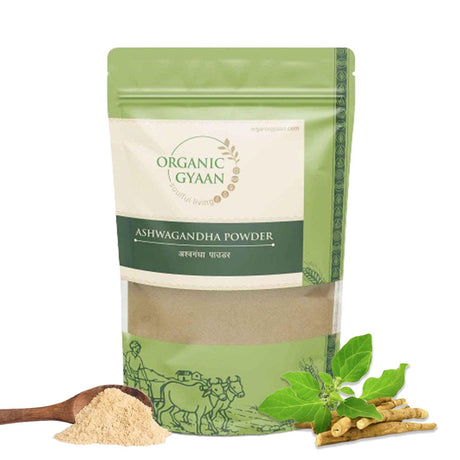
Chronic stress is one of the most underappreciated drivers of insulin resistance. When you are stressed, cortisol rises - and cortisol directly worsens insulin sensitivity and promotes abdominal fat storage. Ashwagandha is Ayurveda's premier adaptogen for cortisol reduction and stress resilience. It addresses the hidden stress dimension of insulin resistance that diet alone cannot reach.
7. Neem Powder
Neem improves insulin sensitivity at the cellular level and supports blood purification - reducing the inflammatory metabolic burden that worsens insulin resistance over time. A daily neem supplement supports the kind of clean, efficient metabolism that makes insulin work better.
Research consistently shows that cinnamon improves insulin receptor activity and reduces fasting blood glucose. Add a pinch of pure Cinnamon Powder to your morning tea, warm water, or millet porridge. It is one of the simplest, most enjoyable ways to actively support your insulin resistance diet every morning.
9. Siridhanya Millets (Positive Millets)
These are not just supplements - they are a complete dietary shift. Replacing refined grains with Siridhanya Millets eliminates the most common dietary driver of insulin resistance: repeated rapid glucose spikes from refined carbohydrates. These millets provide slow, sustained energy, abundant fibre, and rich micronutrients that directly support metabolic health and insulin sensitivity every day.
Note: These herbs support your health alongside medical care - not instead of it. Always speak to your doctor before adding new supplements, especially if you are on diabetes medications.
Conclusion
Insulin resistance is not a life sentence. It is a metabolic state that responds directly - and often dramatically - to what you eat. The right insulin resistance diet does not need to be complicated, expensive, or restrictive. It is built on simple, familiar foods: more vegetables and lentils, better grains like Siridhanya Millets, good fats from nuts and seeds, fewer sugary drinks, and less refined and processed food.
A healthy insulin resistance diet is high in natural, fibre-rich foods that limit blood sugar spikes and low in processed and sugary foods - a way of eating that is less taxing on the insulin production system.
Add the Ayurvedic herbal support Karela, Jamun, Fenugreek, Giloy, Turmeric, Ashwagandha, Neem, Cinnamon, and Siridhanya Millets - and you have a complete, inside-out strategy for how to reduce insulin resistance naturally and sustainably.
Start with one change today. Add a bowl of dal to your lunch. Switch one meal to millet. Drink Karela water every morning. Take fenugreek seeds overnight. These are simple, affordable, everyday habits - and over weeks and months, they genuinely change your metabolic health from the inside out.