
Did you know that over 101 million Indians are currently living with diabetes - and nearly 90% of those cases are Type 2? That staggering number isn't just a statistic; it represents real people navigating daily decisions about what to eat, how to move, and how to feel better. Here's the empowering truth: while Type 2 diabetes has no magic cure, the right superfoods for diabetes can be one of your most powerful allies in managing blood sugar naturally, reducing inflammation, and reclaiming your energy.
The American Diabetes Association has long emphasized that dietary choices play a central role in glycaemic control. A landmark 2023 narrative review published in Medicina (covering 30 clinical studies) confirmed that integrating specific superfoods for diabetes into your meals can meaningfully reduce HbA1c levels - a key marker of long-term blood sugar management. In some cases, fibre-rich superfoods alone helped reduce HbA1c by up to 2%.
In this blog, you'll discover 10 clinically supported superfoods for Type 2 diabetes - including some rooted in ancient Ayurvedic wisdom - that you can start incorporating today. We've also highlighted how Organic Gyaan's pure, natural products align perfectly with each superfood recommendation, making your diabetes-friendly diet both effective and delicious.
What Makes a Food a 'Diabetes Superfood'?
Before diving into the list, it helps to understand what earns a food the 'superfood' label when it comes to blood sugar control. A superfood for Type 2 diabetes typically:
- Has a low glycaemic index (GI) - meaning it releases sugar slowly into the bloodstream
- Is rich in fibre, which slows glucose absorption after meals
- Contains antioxidants and anti-inflammatory compounds to protect blood vessels
- Provides healthy fats or plant proteins that improve insulin sensitivity
- Supports heart health - essential since diabetics face double the cardiovascular risk (CDC)
That said, no single food works in isolation. These superfoods for Type 2 diabetes work best as part of a balanced, whole-food diet combined with regular movement and proper medical care.
1. Siridhanya Millets - India's Ancient Blood Sugar Regulators
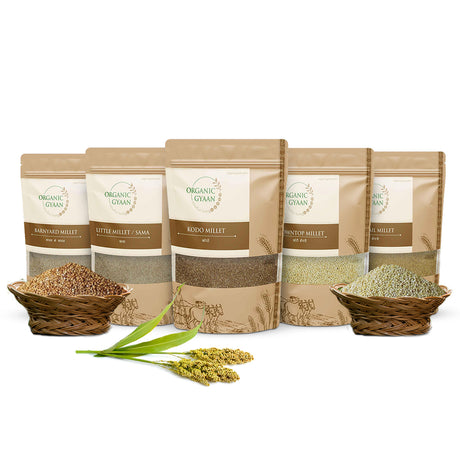
If there is one category of superfoods for diabetes that deserves a spotlight in the Indian context, it's Siridhanya Millets. Comprising five positive millets - Foxtail, Barnyard, Little, Kodo, and Browntop - these grains are celebrated in Ayurveda and now validated by modern research.
Why they work: Siridhanya millets have a low glycaemic index and release sugars slowly into the bloodstream, preventing the sharp post-meal glucose spikes that are so dangerous for people with Type 2 diabetes. They're packed with dietary fibre, magnesium, and micronutrients that support insulin function.
How to use: Replace white rice or refined wheat with Siridhanya millets. Cook as a khichdi, upma, or dosa batter. Organic Gyaan offers a premium Siridhanya Millet combo that makes it easy to rotate all five varieties through your weekly meals.
2. Karela (Bitter Melon) Powder - Nature's Insulin Mimic
Karela, or bitter melon, has been used in Ayurvedic medicine for centuries as a remedy for high blood sugar. Modern science backs this up: Karela contains plant compounds, including charantin and polypeptide-p, that mimic insulin and help cells absorb glucose more effectively.
Research highlights: Studies show that Karela powder can enhance insulin sensitivity and improve glucose tolerance, making it one of the most researched natural remedies for blood sugar control. It's believed to activate AMPK - the same pathway targeted by the diabetes drug metformin.
How to use: Mix 1 tsp of pure Karela Powder in warm water first thing in the morning, or add it to juices and smoothies. Start with a small dose and increase gradually.
3. Jamun Seeds Powder - The Diabetes Berry Powerhouse
Jamun (Indian blackberry) seeds are one of Ayurveda's most celebrated natural remedies for blood sugar regulation. Research has confirmed that Jamun seeds contain jamboline and jambosine - compounds that slow the conversion of starch to sugar and stimulate insulin production.
The fruit itself is also rich in antioxidant anthocyanins (similar to blueberries), which reduce oxidative stress - a key driver of diabetic complications affecting the eyes, kidneys, and nerves.
How to use: Take 1/2 tsp of Jamun Seeds Powder with water before meals, or blend it into your morning smoothie. Consistent daily use delivers the best results for managing blood sugar levels.
4. Fenugreek Seeds - The Fibre-Rich Blood Sugar Balancer
Fenugreek (methi) is among the most well-researched superfoods for Type 2 diabetes. Its seeds are loaded with soluble fibre, particularly galactomannan, which slows carbohydrate absorption and reduces post-meal blood sugar spikes. A study published in the International Journal for Vitamin and Nutrition Research found that fenugreek seeds significantly reduced fasting blood glucose and improved insulin response.
Fenugreek also contains the amino acid 4-hydroxyisoleucine, which has been shown to directly stimulate insulin secretion from pancreatic beta cells.
How to use: Soak 1–2 tsp of fenugreek seeds overnight and drink the water in the morning. Alternatively, use fenugreek powder in your cooking - it blends beautifully into curries, rotis, and dal.
5. Cinnamon (Dalchini) - The Glucose-Lowering Spice
Cinnamon is one of the most potent blood sugar-lowering spices on the planet. The bioactive compound cinnamaldehyde improves insulin sensitivity, mimics insulin's action, and slows gastric emptying - all of which result in more stable blood glucose levels after meals.
Research from the 2023 Medicina review identified cinnamon's glucose-lowering ability alongside its capacity to reduce lipid biomarkers including triglycerides and LDL cholesterol - a dual benefit that's especially valuable for people with Type 2 diabetes who face elevated cardiovascular risk.
How to use: Add 1/2 tsp of organic Ceylon cinnamon to your morning tea, oatmeal, or warm water with lemon. Avoid Cassia cinnamon in large doses - always opt for pure Ceylon variety for maximum benefit and safety.
6. Dark Leafy Greens - Vitamin-Packed Blood Sugar Champions
Dark leafy greens - including spinach, kale, methi leaves, and moringa - are among the most nutrient-dense superfoods for diabetes. They're extremely low in digestible carbohydrates and calories while being packed with magnesium, vitamin K, iron, calcium, and antioxidants.
Magnesium, in particular, plays a crucial role in glucose metabolism and insulin signalling. Research consistently shows that people with Type 2 diabetes are more likely to be magnesium-deficient, and increasing intake through leafy greens can meaningfully improve insulin resistance.
How to use: Aim for at least two servings of dark leafy greens daily. Sauté spinach with cold-pressed mustard oil, add moringa powder to smoothies, or try Neem Powder - rich in antioxidants and anti-inflammatory compounds that further support blood sugar regulation.
7. Legumes & Beans - Protein-Fibre Powerhouses
Rajma (kidney beans), chana (chickpeas), moong dal, and lentils are superfoods for diabetes hiding in plain sight in the Indian kitchen. They provide a trifecta of benefits: plant-based protein, soluble fibre, and a low glycaemic index.
The American Diabetes Association recommends legumes specifically because they provide protein without the saturated fat found in animal sources - a combination that helps manage blood sugar, cholesterol, and blood pressure simultaneously. Research in the 2023 Medicina review also confirmed plant proteins from legumes as effective nutraceuticals for glycaemic control.
How to use: Include legumes in at least one meal per day. Pair dal with Siridhanya millet rotis for a blood sugar-friendly meal that's deeply satisfying and culturally familiar.
8. Nuts & Seeds - Healthy Fats That Fight Insulin Resistance
Almonds, walnuts, flaxseeds, chia seeds, and sunflower seeds are excellent superfoods for Type 2 diabetes. These foods are rich in healthy unsaturated fats, fibre, magnesium, and omega-3 fatty acids - nutrients that collectively reduce inflammation, improve insulin sensitivity, and slow the absorption of sugar from other foods eaten in the same meal.
A handful of almonds before a carbohydrate-heavy meal has been shown in studies to blunt post-meal blood glucose spikes. Flaxseeds, meanwhile, are especially potent - their high lignan and fibre content makes them one of the most studied seeds for blood sugar regulation.
How to use: Snack on a small handful of mixed nuts, add ground flaxseeds to your dahi or smoothie, or explore Organic Gyaan's range of premium dry fruits, nuts, and seeds - cold-processed to retain maximum nutrition.
9. Berries & Citrus Fruits - Antioxidant-Rich Blood Sugar Protectors
Berries - including strawberries, blueberries, amla (Indian gooseberry), and jamun fruit - are among the most antioxidant-dense superfoods for diabetes. Their high content of polyphenols and anthocyanins reduces oxidative stress, lowers chronic inflammation, and helps improve insulin sensitivity. The American Diabetes Association specifically recommends berries for their powerful antioxidant activity.
Amla (Indian gooseberry) deserves special mention: it is one of the richest natural sources of Vitamin C on earth and has been shown in Ayurvedic practice and clinical research to reduce fasting blood glucose, protect pancreatic beta cells, and slow the progression of diabetic complications. Citrus fruits like oranges and mosambi add fibre, folate, and potassium - all beneficial for heart health.
How to use: Snack on a small bowl of fresh berries, eat one amla daily (raw or as amla murabba without refined sugar), or add a squeeze of lime to your water. Pair fruit with a handful of nuts to slow sugar absorption further.
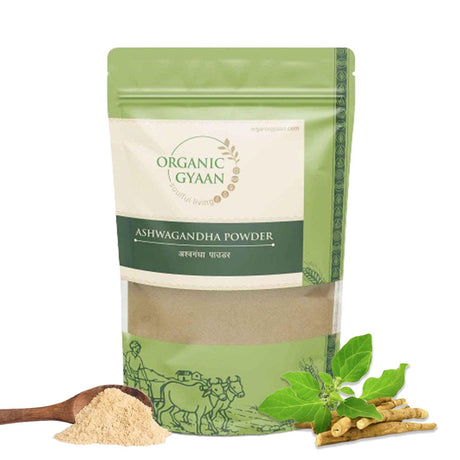
10. Ashwagandha & Ginseng - Adaptogenic Blood Sugar Regulators
Ashwagandha (Withania somnifera) is one of Ayurveda's most revered adaptogenic herbs - and science is catching up with tradition. A meta-analysis published by the American Association showed that adaptogens like Ginseng and Ashwagandha can improve fasting glucose levels and increase the body's insulin sensitivity, two key markers for managing Type 2 diabetes.
Ashwagandha also lowers cortisol - the stress hormone that directly raises blood sugar when chronically elevated. For people managing the mental and physical burden of Type 2 diabetes, this dual action (blood sugar + stress reduction) makes it uniquely valuable.
How to use: Take 1/2–1 tsp of pure Ashwagandha root powder with warm milk or water at bedtime. Consistent use over 8–12 weeks shows the strongest clinical benefit.
5 Actionable Tips to Get the Most from These Superfoods
1. Combine strategically: Pair a high-fibre superfood (millets, legumes) with a healthy fat (a2 ghee, nuts) at each meal to maximise blood sugar stability.
2. Go organic where it matters: Pesticide residues can disrupt insulin sensitivity. Opt for certified organic herbs, millets, and powders.
3. Track your HbA1c: Get your HbA1c checked every 3 months when making dietary changes. Research suggests fibre-rich diets can reduce HbA1c by up to 2% within weeks.
4. Hydrate with purpose: Drink fenugreek-soaked water, cinnamon-infused warm water, or bitter gourd juice in the morning - all cost-effective, natural blood sugar-balancing rituals.
5. Don't rely on one food alone: The research is clear - superfoods for Type 2 diabetes work best as part of a diverse, whole-food diet alongside regular physical activity and appropriate medical treatment.
Conclusion
Managing Type 2 diabetes doesn't have to mean a life of restriction and fear. By strategically incorporating these 10 plant-based superfoods for Type 2 diabetes - from time-tested Ayurvedic powerhouses like Siridhanya millets, Karela, and Jamun seeds to globally validated foods like berries, legumes, and dark leafy greens - you can actively support your blood sugar, protect your heart, and improve your overall quality of life.
The science is clear: superfoods for diabetes, combined with appropriate medical care and a healthy lifestyle, can make a measurable difference in your HbA1c, insulin sensitivity, and long-term health outcomes. The wisdom of Ayurveda and modern nutrition science are pointing in the same direction - and that path runs right through your kitchen.