
Here is a number that should stop you in your tracks: before 1921, a diagnosis of diabetes was essentially a death sentence. Children with Type 1 diabetes rarely lived beyond a few months. Then, in January 1922, a 14-year-old boy named Leonard Thompson became the first human being to receive an insulin injection - and survived. Today, over 537 million people worldwide rely on understanding insulin to stay alive and healthy. Yet despite its life-saving importance, most people have only a vague idea of what human insulin actually is, how it works inside the body, and why it matters so profoundly for managing blood sugar.
Whether you have been recently diagnosed with diabetes, support a loved one managing the condition, or simply want to understand what is human insulin and why doctors prescribe it - this blog is your complete, plain-language guide. We will walk you through exactly how human insulin functions in the body, the different types available, what happens when your body doesn't produce enough, and how natural Ayurvedic remedies from Organic Gyaan can complement your insulin management journey.
What Is Human Insulin? A Simple Explanation
So, what is human insulin? At its most fundamental level, human insulin is a hormone - a chemical messenger - produced by the beta cells of the pancreas, a gland located behind your stomach. Its primary job is to act as a "key" that unlocks the doors of your body's cells, allowing glucose (sugar) from the food you eat to enter those cells and be converted into energy.
Without human insulin, glucose cannot enter your cells regardless of how much is circulating in your bloodstream. Instead of fueling your organs, muscles, and brain, that sugar accumulates in the blood - leading to the dangerously high blood sugar levels that define diabetes.
Structurally, human insulin is a small protein (a peptide hormone) made up of 51 amino acids arranged in two chains - the A-chain (21 amino acids) and the B-chain (30 amino acids) - linked together by chemical bonds called disulfide bridges. This precise molecular structure is what allows insulin to bind to specific receptors on cell surfaces and trigger the uptake of glucose.
Quick Fact: The first synthetic human insulin produced using recombinant DNA technology was made using E. coli bacteria in 1978. By 1982, it was commercially available under the brand name Humulin - marking a watershed moment in diabetes treatment that moved medicine away from animal-derived insulin extracts.
How Human Insulin Works: Step by Step
Understanding how human insulin functions in the body helps explain why maintaining proper insulin levels is so critical. Here is the step-by-step process:
Step 1: You Eat a Meal
When you consume carbohydrates - whether rice, roti, fruit, or sweets - your digestive system breaks them down into glucose molecules, which then pass into the bloodstream. Blood glucose levels begin to rise.
Step 2: The Pancreas Detects Rising Blood Sugar
Specialised beta cells in the islets of Langerhans within the pancreas sense the rise in blood glucose. They respond by releasing stored human insulin into the bloodstream.
Step 3: Insulin Binds to Cell Receptors
Human insulin molecules travel through the bloodstream and bind to insulin receptors on the surface of cells - particularly in the liver, muscle, and fat tissue. Think of insulin as the key and the receptor as the lock.
Step 4: Cells Open Their Glucose Channels
When insulin binds to its receptor, it triggers a cascade of molecular signals inside the cell. This activates glucose transporter proteins (especially GLUT4) that move to the cell surface and open "doors" for glucose to enter.
Step 5: Glucose Enters Cells and Blood Sugar Drops
Glucose flows from the bloodstream into the cells, where it is used immediately for energy or stored as glycogen in the liver and muscles for later use. Blood sugar levels return to a healthy range.
Step 6: The Pancreas Stops Releasing Insulin
As blood glucose normalises, the pancreas detects the drop and reduces insulin secretion. This finely tuned feedback loop keeps your blood sugar stable throughout the day.
Types of Human Insulin: What Your Doctor May Prescribe
Not all manufactured human insulin works the same way. The key differences are how quickly insulin begins working (onset), when it reaches peak effectiveness, and how long it remains active (duration). According to the CDC, doctors prescribe insulin based on how active you are, what you eat, and how well your body manages blood sugar on its own.
1. Regular (Short-Acting) Human Insulin
Onset: 30 minutes Peak: 2–3 hours Duration: 3–6 hours
Taken 30 minutes before meals to manage the blood sugar rise from eating. This is the classic form of manufactured human insulin, identical in structure to what the healthy pancreas produces.
2. NPH (Intermediate-Acting) Human Insulin
Onset: 1–2 hours Peak: 4–12 hours Duration: 12–18 hours
Provides longer coverage, often used to manage blood sugar between meals and overnight. Commonly prescribed for Type 2 diabetes patients who need sustained baseline coverage.
3. Premixed Human Insulin
Onset: 30 minutes Peak: 2–8 hours Duration: 10–16 hours
A combination of regular and NPH insulin in fixed ratios (e.g., 70/30). Convenient for those who require both mealtime and background coverage in a single injection.
Human Insulin vs. Insulin Analogs: What Is the Difference?
A common point of confusion is the difference between human insulin and insulin analogs. While both are manufactured, they are not identical. Human insulin is structurally the same as what the body naturally produces. Insulin analogs, introduced in the late 1990s, are slightly modified versions of human insulin, engineered to act either faster or slower than standard human insulin.
According to a comprehensive 2024 review published in Cureus (Tiwari et al., 2024), insulin therapy has evolved from crude animal pancreas extracts in the 1920s to recombinant human insulin in the 1980s, and now to a new generation of insulin analogs and biosimilars - each generation designed to more closely mimic the body's natural insulin response and reduce risks like hypoglycaemia (dangerously low blood sugar).
For many people with Type 2 diabetes, especially in India, standard manufactured human insulin remains the most accessible and affordable option - and when used correctly under medical guidance, it is highly effective.
When Does the Body Need Human Insulin Therapy?
Your body may need external human insulin when:
- Type 1 Diabetes: The immune system destroys beta cells, meaning the pancreas produces little or no insulin at all. People with Type 1 diabetes require human insulin therapy for survival - without it, they develop a life-threatening condition called diabetic ketoacidosis (DKA).
- Advanced Type 2 Diabetes: The pancreas progressively loses its ability to produce sufficient insulin, and oral medications can no longer control blood sugar adequately. Human insulin therapy is then introduced.
- Gestational Diabetes: Pregnant women who develop diabetes may be prescribed human insulin because it is considered safe for the foetus, unlike many oral diabetes medications.
- Other Medical Situations: Surgeries, serious infections, or steroid medications can temporarily raise blood sugar to levels that require insulin management even in people without diagnosed diabetes.
What Happens When Human Insulin Production Fails?
When the body's natural production of human insulin is impaired or cells become resistant to its action, blood glucose remains chronically elevated - a state called hyperglycaemia. Over time, this sustained high blood sugar damages blood vessels and nerves throughout the body, leading to serious long-term complications:
- Diabetic retinopathy - damage to the blood vessels of the retina, potentially causing blindness
- Nephropathy - kidney damage that can progress to kidney failure requiring dialysis
- Neuropathy - nerve damage causing tingling, numbness, or burning pain, especially in the feet
- Cardiovascular disease - people with diabetes face double the risk of heart attack and stroke (CDC)
- Poor wound healing and increased infection risk
This is why understanding human insulin - and supporting healthy insulin function through both medical treatment and lifestyle choices - is so critical for long-term health.
How Is Human Insulin Administered? Practical Guidance
Human insulin cannot be taken as a tablet because digestive enzymes would destroy it before it reaches the bloodstream. It must be delivered directly into the body. Common delivery methods include:
1. Subcutaneous Injection (most common)
Using a syringe or insulin pen, human insulin is injected into the fatty layer beneath the skin - commonly in the abdomen, thighs, upper arms, or buttocks. The absorption rate varies depending on the injection site, with the abdomen absorbing insulin fastest.
2. Insulin Pump (Continuous Subcutaneous Infusion)
A small device worn on the body delivers a steady baseline of human insulin throughout the day, with additional doses programmed for mealtimes - closely mimicking natural pancreatic function.
3. Inhalable Insulin
A newer option for rapid-acting insulin delivery, inhaled through the lungs before meals. Not yet widely available in India but an important emerging option.
4. Oral Nano-Capsule Insulin (In Development)
Exciting 2024 research published in Nature Nanotechnology by Hunt et al. from the Arctic University of Norway demonstrated that insulin encapsulated in nano-carriers can be taken orally without causing hypoglycaemia in primate studies - potentially transforming diabetes treatment within the next few years.
Supporting Natural Insulin Function: Ayurvedic Remedies
While prescribed human insulin therapy is non-negotiable for those who need it medically, Ayurveda offers a treasure chest of natural remedies that can support the body's own insulin sensitivity, reduce blood sugar spikes, and improve overall metabolic health — complementing medical treatment under doctor supervision.
Organic Gyaan, one of India's most trusted organic wellness platforms, offers several scientifically backed herbal products designed to support healthy blood sugar and insulin function:
1. Karela (Bitter Melon) Powder
Karela contains charantin and polypeptide-p - plant compounds that act like insulin, helping cells absorb glucose more effectively. Research confirms that Karela powder can enhance insulin sensitivity and improve glucose tolerance. It is one of Ayurveda's most potent natural insulin-mimicking remedies.
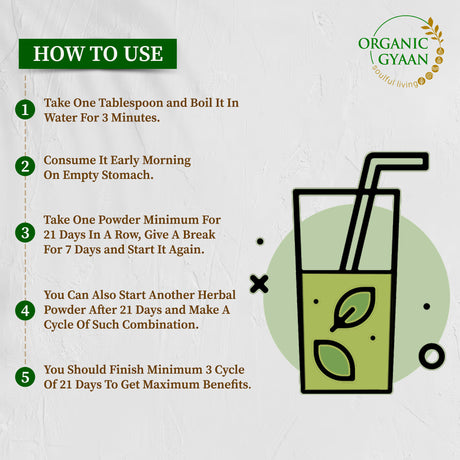
How to use: Mix 1 tsp in warm water on an empty stomach every morning.
2. Jamun Seeds Powder
Jamun seeds are rich in jamboline and jambosine - phytochemicals that slow starch-to-sugar conversion and stimulate natural insulin production from the pancreas. Traditional Ayurvedic texts identify Jamun as one of the primary herbs for managing excess blood glucose and supporting pancreatic beta cell function.
How to use: Take 1/2 tsp with water before meals for best results.
3. Neem Powder
Neem supports the body's natural insulin response by improving insulin sensitivity and helping cells use glucose more efficiently. Organic Gyaan's neem powder also cleanses the blood and liver - organs critical to glucose metabolism. Regular neem use has even been shown to reduce sugar cravings naturally.
How to use: Take a small pinch with warm water in the morning, building dose gradually.
4. Giloy Powder
Giloy (Tinospora cordifolia) is an Ayurvedic adaptogen used to manage diabetes by lowering blood sugar levels, supporting pancreatic health, and enhancing insulin sensitivity. It also has powerful anti-inflammatory properties that protect blood vessels - particularly beneficial for preventing diabetic complications.
How to use: Take 1/2 tsp Giloy powder with warm water twice daily.
5. Triphala Powder
Triphala - a blend of Amla, Haritaki, and Bibhitaki - supports healthy digestion, liver function, and glucose metabolism. Its antioxidant content helps counteract oxidative stress, a key driver of insulin resistance and diabetic complications. Regular use supports the digestive efficiency needed for stable blood sugar.
How to use: Take 1 tsp at bedtime with warm water or milk.
6. Siridhanya Millets - The Low-GI Diabetes-Friendly Grain
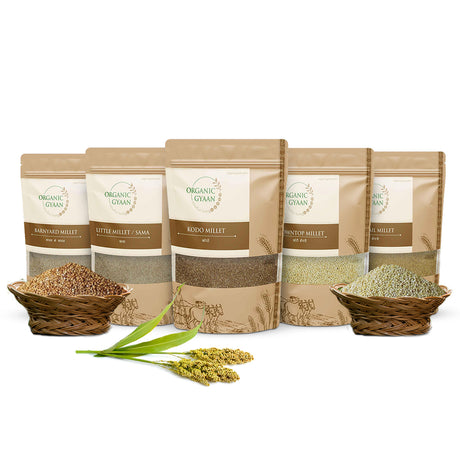
Siridhanya millets (Foxtail, Barnyard, Little, Kodo, Browntop) release glucose slowly into the bloodstream, reducing the demand placed on the pancreas to produce large bursts of human insulin after meals. They are the ideal staple grain for anyone seeking stable blood sugar and reduced insulin spikes.
How to use: Replace white rice and refined wheat with Siridhanya millets in at least one meal per day.
7. Ayurvedic Blood Sugar Management Combo
Ayurvedic Blood Sugar Management Combo brings together Jamun, Neem, Karela, Giloy, Triphala, and Moringa into one synergistic formula. Each herb targets a different aspect of glucose metabolism - blood sugar levels, insulin sensitivity, digestion, inflammation, and nutrient absorption. Together, their combined effect is greater than using any herb individually.
How to use: Follow the dosage instructions on pack, or consult an Ayurvedic practitioner for personalised guidance. Consistency over 8–12 weeks delivers the strongest benefits.
7 Actionable Tips for Supporting Healthy Insulin Function
- Never skip or alter prescribed human insulin doses without consulting your doctor - consistency is the foundation of blood sugar control.
- Pair any Ayurvedic remedy with your medical treatment, not instead of it. Natural products support insulin function; they do not replace medically prescribed insulin therapy.
- Choose low-GI foods (millets, legumes, vegetables) to reduce the volume of insulin the pancreas needs to release after every meal.
- Exercise daily - even 30 minutes of brisk walking significantly improves insulin sensitivity, meaning your body's insulin works more efficiently.
- Store human insulin correctly - away from extreme heat, freezing temperatures, and direct sunlight to maintain its effectiveness.
- Monitor your HbA1c every 3 months. A target below 7% is associated with significantly reduced risk of diabetic complications.
- Stay hydrated and manage stress - chronic stress raises cortisol, which directly raises blood sugar and worsens insulin resistance.
Conclusion
Human insulin is not just a medication - it is one of the most important biological discoveries in human history. Understanding what human insulin is and how it works empowers you to make smarter decisions about your health, your diet, and your treatment plan. From the moment your pancreas senses rising blood sugar to the molecular unlocking of cell doors that lets glucose power your body, every step of the insulin process matters.
For those managing diabetes, the best outcomes come from a thoughtful combination: medically prescribed human insulin or appropriate medications, a low-GI diet built around whole foods like Siridhanya millets, daily movement, stress management, and evidence-backed Ayurvedic support. The six herbs in Ayurvedic Blood Sugar Management Combo - Jamun, Neem, Karela, Giloy, Triphala, and Moringa - represent centuries of traditional wisdom now supported by modern research, offering a natural complement to your diabetes management journey.
Your pancreas worked hard to protect you before diabetes changed the equation. Now it is your turn to work with it - and with nature - to protect yourself.