
What if the most powerful health drink in the world was not something you buy from a fancy store - but something your grandmother quietly made in a clay pot every night?
Meet Ambali - a traditional fermented millet drink that has been quietly healing people across India for thousands of years. It costs almost nothing to make. It needs no special equipment. And when made the right way, it becomes one of the most potent natural sources of probiotics, B vitamins, and gut-healing nutrients you can find.
But here is the truth: most people are not making it correctly. They are skipping steps, adding salt at the wrong time, covering with the wrong lid, or reheating it - and unknowingly destroying everything that makes Ambali powerful.
This blog will walk you through the complete, correct Ambali recipe - every step, exactly as it should be done - along with the reasons why each step matters. By the end, you will know how to make Ambali that is truly medicinal, not just edible.
What Is Ambali?
Ambali is a fermented millet-based drink - not just a refreshing beverage, but a medicinal potion and an authentic health booster consumed for centuries in the Indian subcontinent.
It is an age-old probiotic drink made using fermented millet, consumed for centuries in India, especially in rural households, for its gut-friendly properties. It is prepared by soaking whole millet grains overnight, cooking them slowly - preferably in a mud pot - and fermenting them for several hours. The fermentation process enhances its probiotic content, making it great for digestion and nutrient absorption.
In simple words: Ambali is cooked millet that is left to ferment naturally overnight. The result is a slightly sour, deeply nourishing, probiotic-rich food that works as both a meal and medicine.
Why Ambali Is So Powerful
Before we get into the recipe, let us understand why Ambali is worth making every day.
During fermentation, natural bacteria feed on the sugar and starch in the food, producing lactic acid. This process not only preserves the food but also creates beneficial enzymes, B vitamins, omega-3 fatty acids, and various strains of probiotics. These probiotics - often referred to as "good" bacteria - are essential for maintaining a healthy gut microbiome, which is crucial for overall health.
Here is what regular Ambali consumption does for your body:
1. Heals your gut: Fermentation fosters the proliferation of probiotics - beneficial bacteria that contribute to a thriving gut microbiome. These probiotics play a vital role in digestion, nutrient absorption, and even immune system regulation.
2. Improves nutrient absorption: The fermentation process breaks down anti-nutrients, making minerals such as iron and calcium easier for the body to absorb.
3. Supports digestion: High dietary fiber and probiotic content aid in smooth digestion and help alleviate common issues like bloating and constipation.
4. Boosts energy: As a rich source of B-complex vitamins, Ambali helps convert food into energy more efficiently throughout the day.
5. Helps manage weight: Ambali is a fiber-rich, low-calorie drink that keeps you feeling full for a long time. This helps curb frequent cravings and reduces the intake of high-calorie foods. As a result, you consume fewer calories, making it easier to manage weight in a healthy and natural way.
6. Detoxifies the body: Ambali is light on the stomach and has detoxifying properties, making it perfect for people looking to reverse diseases or recover from ailments.
7. Revitalises overall health: As toxins are eliminated, the risk of infections decreases, and overall metabolism improves. Drinking millet Ambali regularly can revitalize your body, leaving you feeling energized and healthier.
Which Millet Should You Use for Ambali?
This is the most important first decision.
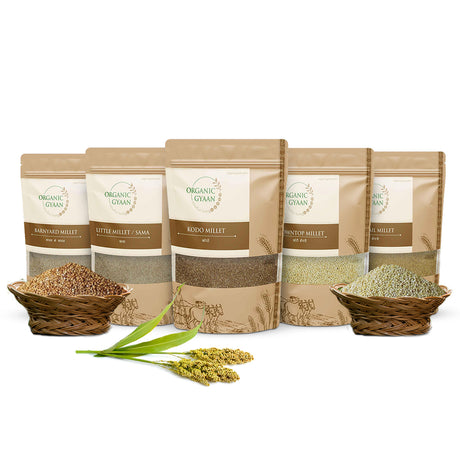
Ambali should only be made from one of the five Siridhanya millets - also called positive millets. These are:
- Foxtail Millet (कंगनी / Kangni)
- Kodo Millet (कोदो)
- Little Millet (कुटकी / Kutki)
- Barnyard Millet (सांवा / सामा / Sanwa)
- Browntop Millet (मुरई / मुरध)
Use only one millet at a time.
Always use a single millet variety at a time. Mixing millets changes their unique digestive and therapeutic properties.
Ambali is excellent for diabetics - it helps regulate blood sugar and reduces inflammation. The best millet for diabetics is Foxtail Millet. For weight watchers, Kodo Millet and Foxtail Millet work best as they keep you full and aid in fat loss.
If you want variety, rotate your millets - use a different type of millet every few days to diversify your nutrient intake.
The Complete Ambali Recipe - Step by Step
(All steps below are exactly as per the Ambali protocol.)
Step 1: Choose One Millet
Pick any one millet from the five Siridhanya millets listed above:
- Foxtail Millet (कंगनी)
- Kodo Millet (कोदो)
- Little Millet (कुटकी)
- Barnyard Millet (सांवा / सामा)
- Browntop Millet (मुरई / मुरध)
Use only one millet at a time.
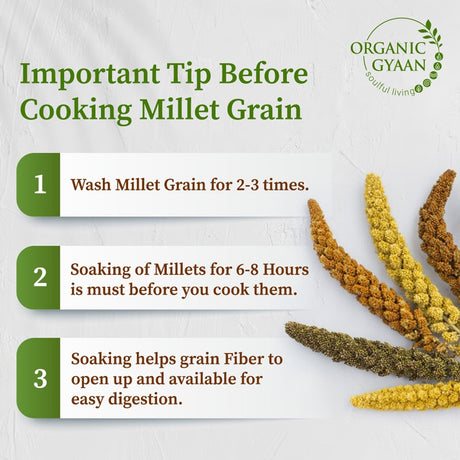
Step 2: Wash the Millet Twice
Wash the millet 2 times thoroughly.
Washing twice removes surface dust, impurities, and any residue. Clean millet ferments better and gives you a cleaner, purer taste.
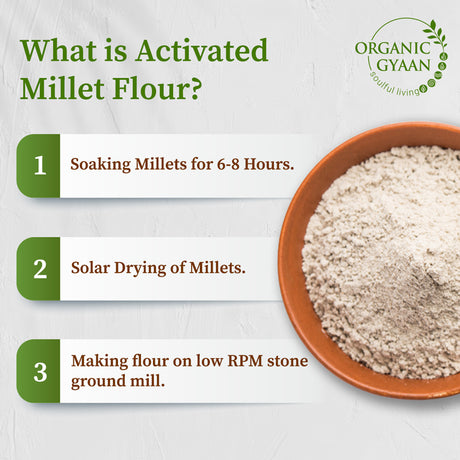
Step 3: Soak
- Use a mud pot/earthen vessel (मटका)
- Add 6–8 times water (Example: 1 cup millet → 6–8 cups water)
- Soak for 6–8 hours
(As per protocol, millets should be soaked in sufficient water for 6–8 hours.)
Why a clay pot? Clay is a natural, breathable material. Ambali should have a watery consistency, and the clay pot helps maintain the right temperature and microbial environment that supports natural fermentation. Steel or plastic pots do not provide the same environment.
Why so much water? The 6 to 8 times water ratio is essential. It gives the millet room to swell and soften properly, and it creates the liquid base that becomes the most nourishing part of your Ambali.
Step 4: Cook
- Do not discard the soaking water
- Cook the millet in the same water
- Use slow flame
This is a step that many people get wrong. The soaking water is not waste - it has absorbed minerals, natural enzymes, and beneficial compounds from the millet over 6–8 hours. Throwing it away means throwing away nutrition.
Cooking on a slow flame preserves the nutritional integrity of the grain and prepares it gently for fermentation.
Step 5: Cook Until Soft
Cook until the grains become soft.
There is no shortcut here. The millet must be fully, completely soft before you move to the next step. Undercooked millet does not ferment as effectively. Keep the flame low and be patient - good Ambali cannot be rushed.
Step 6: Remove From Heat
Once cooked, take the pot off the stove.
Let the cooked millet settle for a moment. Do not add anything to it yet - no salt, no spices, nothing. It is now ready for the fermentation stage.
Step 7: Cover
- Cover the pot with a clean cotton cloth
- Do not use an airtight lid
This step is more important than it looks.
Natural fermentation is an aerobic process - the beneficial bacteria need a small, steady supply of air to multiply and thrive. A cotton cloth allows this airflow while keeping the Ambali clean and protected from insects or dust.
An airtight lid traps moisture and blocks airflow, which can suppress the fermentation process and reduce the probiotic content of your Ambali significantly.
Always use cotton. Always leave it breathable.
Step 8: Fermentation
- Leave it undisturbed for 6–8 hours (overnight)
- This allows proper natural fermentation
(Fermentation should be done by covering with cloth and allowing natural microbial growth for about 7–8 hours.)
This is the heart of the entire Ambali process. During these overnight hours, the natural bacteria present in the environment and in the millet begin to work on the cooked grain. They produce lactic acid, probiotics, B vitamins, and dozens of other beneficial compounds.
The extended fermentation period allows for a more thorough breakdown of the complex carbohydrates in millet, making it easier to digest and more beneficial for gut health.
Do not disturb it. Do not stir it. Do not peek and add anything. Just let it ferment, naturally and completely.
Step 9: Add Seasoning - Only Before Consumption
Before consuming, you may add:
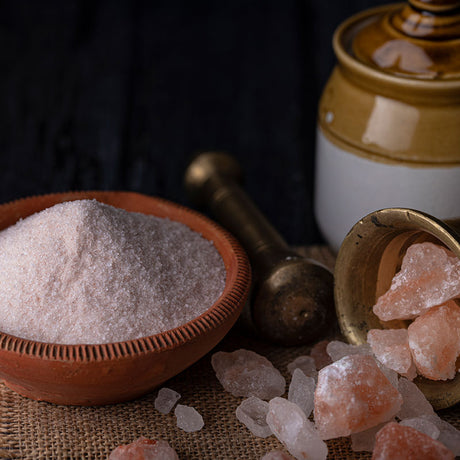
- A pinch of rock salt (सिंधा नमक / sendha namak)
- Jeera (cumin / जीरा)
- Black pepper (काली मिर्च / kali mirch)
Do not add salt or any ingredients during cooking or fermentation, as it interferes with the fermentation process.
This instruction cannot be overstated. Salt is a natural antimicrobial - it kills bacteria. If you add salt before or during fermentation, you will slow down or stop the growth of beneficial bacteria entirely. The entire overnight process will be compromised.
Season only at the very end, only when you are ready to consume your Ambali.
Step 10: Consume the Liquid First
- Strain the Ambali
- Drink the liquid portion first
After straining, you will have two things: a thin fermented liquid and the softened fermented grains. Drink the liquid first.
This fermented liquid is exceptionally rich in live probiotics, enzymes, organic acids, and bioavailable B vitamins. Drinking it first on an empty or nearly empty stomach allows your body to absorb these compounds quickly and efficiently - before any solid food arrives.
Step 11: Eat the Grain Later
After 15 minutes, consume the remaining fermented grain.
The 15-minute gap is intentional. It gives your digestive system time to process the liquid probiotics and prepare for the more solid fermented grain. This sequencing - liquid first, grain after - maximises the benefit of every part of the Ambali.
⚠️ Most Important Final Note
Do not reheat or freeze the Ambali under any condition.
Doing so will destroy its medicinal value, as the beneficial probiotics and active nutrients formed during fermentation will be lost.
This is the single most important rule of Ambali.
The entire value of this drink - the probiotics, the enzymes, the B vitamins, the organic acids - all of it is created by living microorganisms during fermentation. Heat kills those organisms. Freezing puts them into suspension and damages cell walls when thawed.
The moment you reheat Ambali, it becomes just cooked millet. All the soaking, cooking, fermentation, and waiting - completely wasted.
Make only as much as you will consume fresh. Every single time.
Quick Reference: Ambali Recipe at a Glance
| Step | Action |
|---|---|
| 1 | Choose ONE Siridhanya millet |
| 2 | Wash twice thoroughly |
| 3 | Soak in mud pot with 6–8x water for 6–8 hours |
| 4 | Cook in the same soaking water on slow flame |
| 5 | Cook until grains are fully soft |
| 6 | Remove from heat |
| 7 | Cover with clean cotton cloth - NOT airtight lid |
| 8 | Ferment undisturbed for 6–8 hours (overnight) |
| 9 | Add rock salt, jeera, black pepper - only before drinking |
| 10 | Strain and drink the liquid first |
| 11 | After 15 minutes, eat the fermented grains |
| ⚠️ | NEVER reheat or freeze Ambali |
Who Should Drink Ambali Every Day?
Ambali is nourishing for everyone, but it is especially beneficial for:
- People with diabetes - low glycemic, blood sugar balancing, especially with Foxtail Millet
- Anyone with digestive problems - bloating, acidity, constipation, IBS
- People with low energy - B vitamins from fermentation support sustained energy
- Those managing weight - high fibre, low calorie, keeps you full naturally
- People with weak immunity - probiotics directly strengthen gut-based immunity
- Anyone recovering from illness - light, easy to digest, deeply nourishing
Conclusion
Ambali is not a trend. It is not a new superfood. It is ancient Indian wisdom - simple, affordable, and incredibly powerful when made correctly.
Eleven steps. One millet. A clay pot. A cotton cloth. One overnight wait.
That is all it takes to make something that heals your gut, balances your blood sugar, boosts your energy, and nourishes your body from the inside out.
Follow every step. Do not rush the soaking. Do not skip the fermentation. Do not add salt too early. And above all - never reheat it.
Start tonight. Your body will feel the difference.
पूरी अम्बली विधि - चरण दर चरण
चरण 1: एक मिलेट चुनें
ऊपर बताए गए पाँच सिरिधान्य मिलेट में से कोई एक मिलेट चुनें:
- कंगनी (Foxtail Millet)
- कोदो (Kodo Millet)
- कुटकी (Little Millet)
- सांवा / सामा (Barnyard Millet)
- मुरई / मुरध (Browntop Millet)
एक समय में केवल एक ही मिलेट का उपयोग करें।
चरण 2: मिलेट को 2 बार अच्छी तरह धो लें
मिलेट को 2 बार अच्छी तरह धो लें।
दो बार धोने से सतह की धूल, अशुद्धियाँ और किसी भी तरह का अवशेष निकल जाता है। साफ मिलेट बेहतर किण्वित होता है और स्वाद में भी अच्छा लगता है।
चरण 3: भिगोना
- एक मिट्टी के बर्तन (मटका) का उपयोग करें
- इसमें 6–8 गुना पानी डालें (उदाहरण: 1 कप मिलेट + 6–8 कप पानी)
- इसे 6–8 घंटे के लिए भिगो दें
(प्रोटोकॉल के अनुसार मिलेट को पर्याप्त पानी में 6–8 घंटे भिगोना चाहिए।)
यह क्यों जरूरी है: मिट्टी का बर्तन सांस लेने योग्य होता है और स्टील या प्लास्टिक की तुलना में प्राकृतिक किण्वन को कहीं बेहतर तरीके से समर्थन करता है। 6–8 गुना पानी का अनुपात मिलेट को फूलने और नरम होने का पर्याप्त स्थान देता है।
चरण 4: पकाना
- भिगोया हुआ पानी फेंकना नहीं है
- उसी पानी में मिलेट को पकाएं
- धीमी आंच पर पकाएं
यह क्यों जरूरी है: भिगोने का पानी 6–8 घंटों में मिलेट से खनिज, प्राकृतिक एंजाइम और लाभकारी तत्व सोख लेता है। इसे फेंकने का मतलब है जरूरी पोषण को बर्बाद करना। धीमी आंच पर पकाने से अनाज की पोषण गुणवत्ता बनी रहती है।
चरण 5: नरम होने तक पकाएं
तब तक पकाएं जब तक मिलेट नरम हो जाए।
आंच धीमी रखें और धैर्य रखें - अच्छी अम्बली जल्दबाजी में नहीं बनती। अगले चरण पर जाने से पहले मिलेट पूरी तरह नरम होना चाहिए। कम पके मिलेट में किण्वन ठीक से नहीं होता।
चरण 6: आंच से हटाएं
पकने के बाद बर्तन को गैस से उतार लें।
पके हुए मिलेट को एक पल के लिए स्थिर होने दें। अभी इसमें कुछ न डालें - न नमक, न मसाले, कुछ नहीं। यह अब किण्वन के लिए तैयार है।
चरण 7: ढकना
- बर्तन को साफ सूती कपड़े से ढक दें
- एयरटाइट ढक्कन का उपयोग न करें
यह क्यों जरूरी है: प्राकृतिक किण्वन एक वायवीय प्रक्रिया है - लाभकारी बैक्टीरिया को पनपने के लिए थोड़ी हवा चाहिए। सूती कपड़ा यह हवा आने देता है और अम्बली को साफ भी रखता है। एयरटाइट ढक्कन हवा रोक देता है और किण्वन को काफी हद तक दबा देता है।
चरण 8: फर्मेंटेशन (खमीर बनना)
- इसे 6–8 घंटे (रात भर) के लिए ऐसे ही छोड़ दें
- इससे प्राकृतिक फर्मेंटेशन होता है
(सही फर्मेंटेशन के लिए इसे कपड़े से ढककर 7–8 घंटे रखना आवश्यक है।)
यह क्यों जरूरी है: यह पूरी अम्बली प्रक्रिया का दिल है। इन रात भर के घंटों में, प्राकृतिक बैक्टीरिया लैक्टिक एसिड, प्रोबायोटिक्स, बी विटामिन और दर्जनों अन्य लाभकारी तत्व बनाते हैं। लंबी किण्वन अवधि जटिल कार्बोहाइड्रेट को पूरी तरह तोड़ देती है, जिससे अम्बली आसानी से पचने वाली और आंत के लिए कहीं अधिक शक्तिशाली बन जाती है।
चरण 9: सेवन से पहले मसाला डालें
सेवन से पहले आप इसमें डाल सकते हैं:
- एक चुटकी सिंधा नमक
- जीरा
- काली मिर्च
ध्यान रखें: पकाते समय या फर्मेंटेशन के दौरान नमक या कोई अन्य चीज न डालें, क्योंकि इससे फर्मेंटेशन प्रक्रिया प्रभावित होती है।
यह क्यों जरूरी है: नमक एक प्राकृतिक एंटीमाइक्रोबियल है। इसे जल्दी डालने से लाभकारी बैक्टीरिया मर जाते हैं और किण्वन पूरी तरह रुक जाता है। सीज़निंग बिल्कुल अंत में, केवल तब डालें जब आप अम्बली पीने के लिए तैयार हों।
चरण 10: पहले पानी पिएं
- अम्बली को छान लें
- पहले उसका पानी (लिक्विड हिस्सा) पिएं
यह क्यों जरूरी है: यह किण्वित तरल जीवित प्रोबायोटिक्स, एंजाइम, ऑर्गेनिक एसिड और जैवउपलब्ध बी विटामिन से असाधारण रूप से भरपूर होता है। इसे पहले पीने से शरीर इन तत्वों को जल्दी और कुशलता से अवशोषित कर लेता है।
चरण 11: बाद में दाने खाएं
15 मिनट बाद बचे हुए किण्वित दानों का सेवन करें।
यह क्यों जरूरी है: 15 मिनट का अंतर आपके पाचन तंत्र को तरल प्रोबायोटिक्स को संसाधित करने और किण्वित दानों के लिए तैयार होने का समय देता है। यह क्रम - पहले तरल, बाद में दाने - अम्बली के हर हिस्से का अधिकतम लाभ सुनिश्चित करता है।
⚠️ महत्वपूर्ण अंतिम निर्देश
अम्बली को किसी भी परिस्थिति में दोबारा गर्म (reheat) या फ्रीज़ न करें।
ऐसा करने से इसका औषधीय (मेडिसिनल) प्रभाव समाप्त हो जाता है, क्योंकि फर्मेंटेशन से बने लाभकारी प्रोबायोटिक और पोषक तत्व नष्ट हो जाते हैं।
यह अम्बली का सबसे महत्वपूर्ण नियम है। जिस पल आप अम्बली को दोबारा गर्म करते हैं, वह सिर्फ पका हुआ मिलेट बन जाती है। भिगोना, पकाना, किण्वन और इंतजार - सब बेकार। हर बार केवल उतना ही बनाएं जितना ताजा खाना-पीना हो।
एक नजर में अम्बली
| चरण | क्या करें |
|---|---|
| 1 | एक सिरिधान्य मिलेट चुनें |
| 2 | 2 बार अच्छी तरह धोएं |
| 3 | मटका में 6–8x पानी से 6–8 घंटे भिगोएं |
| 4 | उसी पानी में धीमी आंच पर पकाएं |
| 5 | नरम होने तक पकाएं |
| 6 | आंच से हटाएं |
| 7 | साफ सूती कपड़े से ढकें - एयरटाइट नहीं |
| 8 | 6–8 घंटे (रात भर) बिना छेड़े किण्वित होने दें |
| 9 | पीने से पहले सिंधा नमक, जीरा, काली मिर्च डालें |
| 10 | छानकर पहले पानी पिएं |
| 11 | 15 मिनट बाद किण्वित दाने खाएं |
| ⚠️ | अम्बली को दोबारा गर्म या फ्रीज़ कभी न करें |
अम्बली रोज़ किसे पीनी चाहिए?
अम्बली सभी के लिए पोषणदायक है, लेकिन विशेष रूप से इनके लिए बेहद फायदेमंद है:
- मधुमेह रोगियों के लिए - किण्वन ग्लाइसेमिक इंडेक्स को कम करता है, रक्त शर्करा संतुलन में मदद करता है
- पाचन समस्याओं वाले लोगों के लिए - सूजन, एसिडिटी, कब्ज, IBS
- कम ऊर्जा वाले लोगों के लिए - किण्वन से बने बी विटामिन लगातार ऊर्जा प्रदान करते हैं
- वज़न प्रबंधन करने वालों के लिए - उच्च फाइबर, कम कैलोरी, लंबे समय तक भरा हुआ रखती है
- कमज़ोर प्रतिरक्षा वाले लोगों के लिए - प्रोबायोटिक्स सीधे आंत आधारित प्रतिरक्षा को मज़बूत करते हैं
- बीमारी से उबर रहे लोगों के लिए - पेट पर हल्की, पचाने में आसान, गहराई से पोषण देने वाली