
Did you know that a single bowl of your favourite breakfast cereal can spike your blood sugar faster than a piece of candy?
It sounds dramatic, but it is true. Most packaged cereals - even the ones marketed as "healthy" or "whole grain" - are loaded with refined grains, hidden sugars, and fast-digesting carbohydrates that send blood sugar levels soaring within minutes of eating them.
For the 101 million Indians living with diabetes, breakfast is one of the most important - and most misunderstood - meals of the day. Get it right, and you set the tone for stable blood sugar all morning. Get it wrong, and you spend the rest of the day trying to recover from a blood sugar spike before your day has even properly begun.
The good news? Healthy cereal options for people with diabetes absolutely exist. You just need to know what to look for - and what to stay far away from.
In this blog, you will learn:
- Why most breakfast cereals are problematic for diabetics
- What makes a cereal diabetes-friendly
- The best healthy cereal options for diabetics - including traditional Indian ones you already have in your kitchen
- How to make any cereal safer for blood sugar
- Natural herbs and foods that can support your blood sugar management journey
Let's get into it.
Why Breakfast Matters So Much for Diabetics
Before we talk about cereal specifically, let us understand why breakfast is such a critical meal for people with diabetes.
After a night of fasting (while you sleep), your blood sugar is at its baseline. How quickly it rises - and how high it goes - after your first meal sets the pattern for your entire day's blood sugar management. A breakfast high in refined carbohydrates and sugar causes a sharp spike, followed by a rapid crash, which leads to cravings, fatigue, and more blood sugar swings throughout the day.
On the other hand, a breakfast rich in fibre, complex carbohydrates, and a little protein causes a slow, steady rise in blood sugar - giving you sustained energy and helping your body manage insulin more effectively.
Hot cereal made with whole grains is high in fibre and has a low glycemic index. This means carbs are digested and absorbed more slowly, creating a smaller incremental rise and fall in blood glucose. It improves energy levels, helps better manage diabetes and weight, and lowers the risk of heart disease.
This is why the choice of cereal matters enormously for diabetics.
What Makes a Cereal Diabetes-Friendly?
Not all cereals are created equal. When choosing healthy cereal options for diabetics, here are the three most important things to look for:
1. Low Glycemic Index (GI)
The glycemic index (GI) measures how quickly a food raises blood sugar levels. Foods are classified as low, medium, or high glycemic on a scale of 0–100. For diabetes management, lower GI cereals are preferable — cereals with a GI below 55 are considered low, while those above 70 are high.
In simple terms: the lower the GI, the slower the blood sugar rise. Always aim for cereals with a GI of 55 or below.
2. High in Fibre
Fibre helps slow digestion, promoting more stable blood sugar levels throughout the day, while whole grains offer complex carbohydrates that are digested more slowly. Look for at least 3–5 grams of fibre per serving. The higher the fibre content, the better the blood sugar response.
3. Low in Added Sugar
When considering a breakfast cereal, look for options that are lower in added sugar, ideally with fewer than five grams per serving. Many cereals that appear healthy - muesli, granola, bran flakes - can still be surprisingly high in added sugar. Always check the label.
What to Avoid
Refined grains, like those found in corn flakes, puffed rice, and even bran flakes and instant oatmeal, are low in fibre and have a high GI - they may cause substantial fluctuations in blood glucose levels.
Steer clear of:
- Corn flakes (GI of 79 - very high)
- Puffed rice cereals
- Sugary muesli and granola
- Cereals with artificial flavours, colours, or preservatives
- Instant oats (processed and higher GI than rolled or steel-cut)
The Best Healthy Cereal Options for Diabetics
Here are the top healthy cereal options for diabetics - from globally recognised choices to the most powerful traditional Indian options that are far better than anything you will find in a supermarket aisle.
1. Millet Porridge - The Best Cereal for Indian Diabetics
This is the single most powerful cereal-style breakfast a diabetic person in India can eat - and most people have never even considered it.
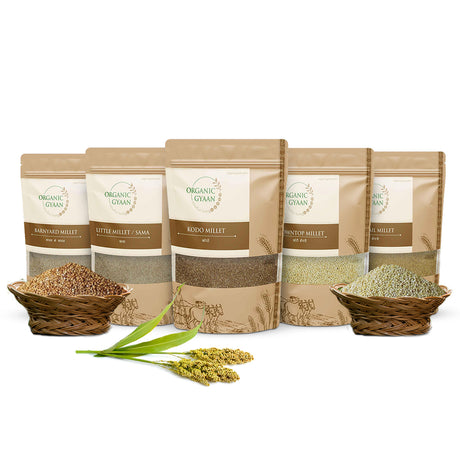
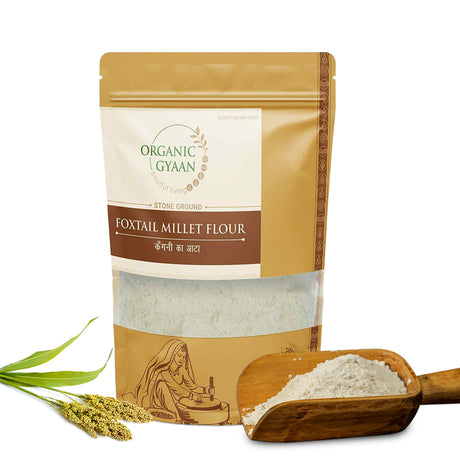
Millets - specifically the five Siridhanya millets (Foxtail Millet, Kodo Millet, Little Millet, Barnyard Millet, and Browntop Millet) - have a very low glycemic index, are exceptionally high in fibre, and are rich in minerals like magnesium and iron. When cooked as a porridge, they release sugar extremely slowly into the bloodstream, making them one of the best healthy cereal options for people with diabetes.
Finger millet is high in protein and fibre, with a low glycemic index. Barley is rich in beta-glucan, a soluble fibre that helps regulate blood sugar. Siridhanya millets share these same powerful properties.
A bowl of millet porridge in the morning:
- Keeps you full for 4–5 hours
- Prevents the mid-morning blood sugar crash
- Provides slow, sustained energy
- Supports better HbA1c levels over time with regular consumption
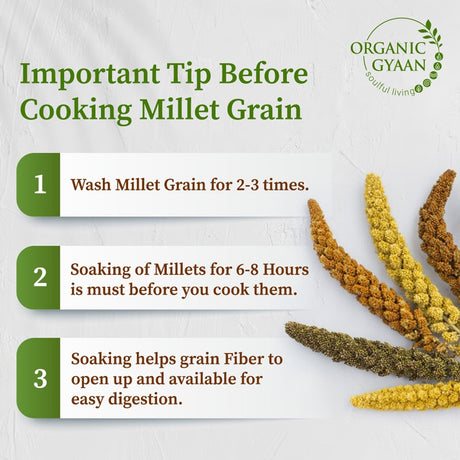
How to make it: Cook 1 cup of your chosen Siridhanya millet in 4–5 cups of water on a low flame until soft. Add a pinch of rock salt, a teaspoon of A2 Bilona Ghee, and some roasted cumin. That is it — simple, nourishing, and deeply blood-sugar-friendly.
2. Steel-Cut Oats or Rolled Oats (Not Instant)
Oats are one of the most well-researched healthy cereal options for diabetics globally. They contain a powerful soluble fibre called beta-glucan, which forms a thick gel in the digestive tract and significantly slows the absorption of glucose.
The key distinction: steel-cut oats and rolled oats are far better than instant oats. Instant oats are more processed and have a higher GI. Steel-cut oats have the lowest GI (around 42) and take longer to cook - but that is exactly what makes them better for blood sugar.
Hot cereal like oatmeal made with rolled or steel-cut oats is high in fibre and has a low glycemic index - carbs are digested and absorbed more slowly, thus creating a smaller incremental rise and fall in blood glucose.
Tips for making oats diabetes-friendlier:
- Never add sugar, honey, or sweeteners
- Add chia seeds or flaxseeds for extra fibre and omega-3s
- A sprinkle of Ceylon cinnamon adds flavour and actively supports blood sugar management
- Use unsweetened milk or water - avoid flavoured or sweetened milk
3. Daliya (Broken Wheat Porridge)
Daliya is a traditional Indian breakfast cereal that is both affordable and genuinely diabetes-friendly when made correctly. Made from whole broken wheat, it retains the bran and germ, giving it a moderate GI and decent fibre content.
It is filling, easy to digest, and can be made savoury (with vegetables, cumin, and ghee) or mildly sweet (with a little jaggery - in very small amounts, for those whose sugar levels are well-managed).
Daliya porridge with vegetables is one of the classic healthy cereal options for diabetics in India - something your grandparents likely ate and knew was good for them.
4. Unsweetened Muesli (Homemade is Best)
Store-bought muesli can be surprisingly sugary - always check the label carefully. But a homemade muesli made with rolled oats, nuts, seeds, and a small amount of dried fruit can be a genuinely good healthy cereal option for diabetics.
Unsweetened muesli - a mix of whole grains, nuts, and seeds - has a low glycemic impact.
For a diabetes-friendly version:
- Use rolled oats as the base
- Add almonds, walnuts, and sunflower seeds
- Add a tablespoon of chia or flaxseeds
- Skip dried fruits or use a very small amount of fresh berries instead
- Eat with plain, unsweetened curd (yogurt) for added protein
5. Ragi (Finger Millet) Porridge
Ragi is one of India's most nutritious grains and a brilliant healthy cereal option for people with diabetes. It is rich in calcium, iron, and dietary fibre, and has a moderate-to-low glycemic index. The high fibre content slows glucose absorption, and studies have shown that regular ragi consumption can help reduce fasting blood sugar levels over time.
Ragi porridge - made simply with water or thin buttermilk, with a pinch of rock salt and cumin - is a traditional breakfast in Karnataka and Tamil Nadu that has stood the test of thousands of years. There is a reason it survived this long: it works.
6. Barley Porridge (Jau)
Barley is one of the most underrated grains for diabetics. Barley is rich in beta-glucan, a soluble fibre that helps regulate blood sugar. Beta-glucan is the same powerful fibre found in oats - it slows glucose absorption and keeps you full for a long time.
Barley porridge cooked with water, a pinch of turmeric, and a little ghee is a deeply nourishing, blood-sugar-friendly breakfast that is simple to make and genuinely effective.
How to Make Any Cereal Safer for Blood Sugar
Even if you are eating one of the better healthy cereal options for diabetics, these practical tips will help manage your blood sugar response even further:
Tip 1 - Add fibre to every bowl
A tablespoon of chia seeds or ground flaxseeds mixed into your porridge or oats adds soluble fibre that slows glucose absorption further. Add nuts and seeds to your cereal or oatmeal for a boost of fibre, protein, and healthy fats — think chia seeds, slivered almonds, or walnuts.
Tip 2 - Add a fat
A small amount of A2 Bilona Ghee stirred into your millet porridge or daliya slows gastric emptying - meaning the food takes longer to digest and the blood sugar rise is slower and flatter. A2 Gir Cow Bilona Ghee is made using the traditional bilona churning method and is ideal for daily use.
Tip 3 - Control portion size
Control your portions by using measuring cups and small bowls to help monitor portion sizes. Even a healthy cereal eaten in large quantities can spike blood sugar. Start with a small portion and see how your body responds.
Tip 4 - Add Ceylon cinnamon
A pinch of Ceylon cinnamon in your morning porridge actively supports blood sugar regulation. It improves insulin sensitivity and has been shown in multiple studies to help reduce fasting glucose. Ceylon Cinnamon Powder is a simple, tasty, and medically relevant addition to any breakfast.
Tip 5 - Never eat cereal alone
Pairing your cereal with a protein source - a small bowl of plain curd, a handful of soaked almonds, or a glass of chaas (buttermilk) - significantly blunts the blood sugar response.
Tip 6 - Walk after breakfast
Even a 15–20 minute walk after your morning meal dramatically reduces post-meal blood sugar spikes. This is one of the most powerful, free, and research-backed tools available to any diabetic.
Natural Herbs That Support Blood Sugar Management
Food is the foundation - but certain Ayurvedic herbs work beautifully alongside a healthy cereal breakfast to further support blood sugar management throughout the day.
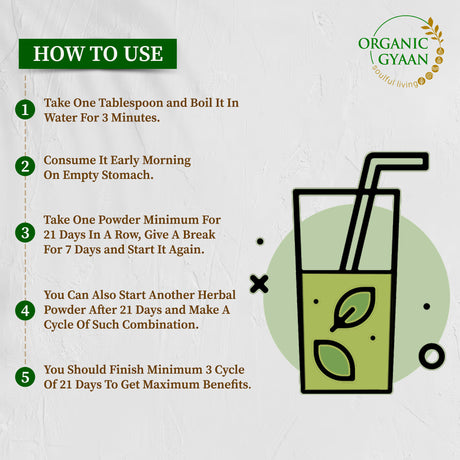
1. Jamun Seed Powder - Contains jamboline and ellagic acid, compounds with proven anti-diabetic activity. Take 1 teaspoon with warm water on an empty stomach before breakfast.
2. Karela (Bitter Gourd) Powder - Karela contains plant compounds that mimic insulin action, helping regulate blood sugar naturally. Take in warm water before meals.
3. Neem Powder - Rich in antioxidants, neem supports insulin sensitivity and helps cleanse the blood. A small amount in warm water first thing in the morning supports metabolic health.
4. Giloy Powder - A powerful Ayurvedic herb that supports immunity and helps the body manage inflammatory conditions linked to blood sugar imbalance.
5. Moringa Powder - Rich in vitamins, minerals, and antioxidants, moringa has shown meaningful benefits for lowering fasting blood sugar in research studies.
6. Ayurvedic Blood Sugar Management Combo: brings together Jamun, Karela, Neem, Giloy, and Moringa powders in one certified organic set - designed for daily use and consistent blood sugar support.
What to Stop Eating for Breakfast If You Have Diabetes
Just as important as choosing the right healthy cereal options for diabetics is knowing what to replace:
- Corn flakes - GI of 79, highly processed, almost no fibre
- Puffed rice (murmura) - high GI, no fibre, blood sugar spike guaranteed
- Packaged granola - often loaded with sugar and refined oils
- Instant oats with flavouring - processed, higher GI, hidden sugar
- White bread or toast - refined, fast-digesting, poor choice for blood sugar
- Sugary packaged cereals - marketed as healthy but often worse than dessert
Replace these with millets, steel-cut oats, daliya, ragi porridge, or barley - and watch the difference in how you feel every morning.
Key Takeaways
Let us bring everything together:
- Most packaged breakfast cereals are not safe healthy cereal options for diabetics - they are high GI, low fibre, and full of hidden sugars that spike blood sugar fast.
- The best healthy cereal options for people with diabetes are whole, minimally processed grains - especially Siridhanya millets, steel-cut oats, daliya, ragi, and barley.
- Look for cereals with a GI below 55, at least 3–5 grams of fibre per serving, and less than 5 grams of added sugar.
- Enhance any cereal bowl with chia seeds, flaxseeds, nuts, A2 ghee, and Ceylon cinnamon to further slow glucose absorption.
- Pair Ayurvedic herbs like Jamun, Karela, Neem, Giloy, and Moringa with your daily breakfast for comprehensive, natural blood sugar support.
- Consistency is everything - small, daily choices compound into real, measurable results over time.
Start Your Morning Right - Naturally
Your breakfast is the most powerful meal of your day when it comes to blood sugar management. Choosing the right healthy cereal options for diabetics is not about deprivation - it is about making smarter, more nourishing choices that your body will genuinely thank you for.
We everything you need to build a diabetes-friendly morning routine - from certified organic Siridhanya millets and A2 Bilona Ghee to the Ayurvedic Blood Sugar Management Combo and Ceylon Cinnamon Powder. Everything is natural, chemical-free, and rooted in India's traditional food wisdom.