
You are doing everything your doctor told you. Taking your medicine every day. Trying to eat better. Walking when you can. And yet - the weighing scale keeps going up. Your clothes feel tighter. Your waist is growing. And nobody seems to have a clear explanation for why.
Here is what might actually be happening: your diabetes medication and weight gain could be directly connected.
This surprises most people. You take medicine to feel better - not to gain weight. But the truth is, some of the most common diabetes medicines used to control blood sugar can also make you heavier. And that extra weight can actually make blood sugar harder to manage over time - which is the last thing anyone with diabetes needs.
This is not your fault. It is a well-documented side effect of certain diabetes medications and weight gain that your doctor should be discussing with you openly.
In this blog, you will learn exactly which diabetes medications cause weight gain, why it happens, which medicines are safer for your weight, what practical steps you can take, and how natural Ayurvedic herbs can support healthier weight and blood sugar at the same time.
Why Do Some Diabetes Medicines Cause Weight Gain?
Let us start with the "why" - because understanding this makes everything else make sense.
1. Your body stores more fat - Insulin is a storage hormone. When you take insulin, or when your medicine causes your body to produce more insulin, your body gets very efficient at storing energy as fat - especially around the belly. Glucose that does not get burned for energy gets converted to fat instead.
2. Low blood sugar makes you eat more - Some medicines especially insulin and sulfonylureas - can make your blood sugar drop too low. When that happens, you naturally reach for something sweet to bring it back up. These little eating episodes happen multiple times a week for many people - and they add up to a lot of extra calories over time.
3. Your body holds on to fluid - Some medicines, particularly a class called thiazolidinediones, cause your body to retain water. This shows up on the scale as extra weight — even before any actual fat has been gained.
4. You feel hungrier - A few diabetes medicines affect your hunger hormones, making you feel like eating more than usual - even when you do not need the extra food.
Which Diabetes Medicines Cause Weight Gain?
1. Insulin - The Biggest One
Insulin is the most common cause of diabetes medication weight gain. The American Diabetes Association's 2025 and 2026 Standards of Care specifically state that insulins, sulfonylureas, and thiazolidinediones can promote weight gain and should be used at the lowest possible dose.
Most people starting insulin gain somewhere between 2 and 4 kilograms in the first few months. Those who are on higher doses, or who frequently experience low blood sugar and need to eat to correct it, tend to gain even more.
This does not mean insulin is wrong for you. For many people - particularly those with Type 1 diabetes or advanced Type 2 - insulin is absolutely essential. But knowing that weight gain is a common side effect helps you take steps to manage it.
2. Sulfonylureas - Very Commonly Prescribed, Often Cause Weight Gain
Sulfonylureas are among the most widely used diabetes tablets worldwide. They include medicines like glimepiride, glipizide, and glyburide.
They work by telling your pancreas to produce more insulin - even when your blood sugar is not particularly high. This leads to extra insulin in your blood, which stores fat, and also to frequent blood sugar lows that require snacking to correct. Both of these drive weight gain.
The average weight gain with sulfonylureas is typically 1 to 3 kilograms over the first year, though some people gain more. On the flip side, sulfonylureas, glinides, and insulin typically cause weight gain - this is a well-established pattern.
3. Thiazolidinediones (TZDs) - Cause Both Fluid and Fat Gain
This class of medicine - which includes pioglitazone and rosiglitazone - works by making your cells more sensitive to insulin. That sounds helpful. But they come with a significant weight gain side effect.
For thiazolidinediones, the weight gain potential is 3.3 to 8.8 lb (1.5 to 4 kg) within the first year of treatment. The weight comes from both water retention and genuine fat accumulation. These medicines also carry other concerns like bone loss and heart failure in some people, which is why they are prescribed much less often today.
4. Meglitinides (Glinides) - Similar to Sulfonylureas
These medicines - repaglinide and nateglinide - work similarly to sulfonylureas. They stimulate insulin release but act more quickly and for a shorter time. They still cause weight gain through the same mechanism - excess insulin production and low blood sugar episodes - though usually a bit less than sulfonylureas.
Medicines That Do NOT Cause Weight Gain
Here is the good news. Not all diabetes medicines make you heavier. Some are completely weight-neutral, and some actually help you lose weight.
1. Metformin
The most widely used first-line diabetes tablet - is weight-neutral or even associated with modest weight loss in many people. It does not stimulate excess insulin and does not cause the hypoglycaemia that drives eating. Other glucose-lowering medications including metformin, SGLT2 inhibitors, DPP-4 inhibitors, and alpha-glucosidase inhibitors are weight neutral or have a modest beneficial effect on weight.
2. DPP-4 Inhibitors
Medicines like sitagliptin (Januvia) are generally weight-neutral. They do not usually cause weight loss or weight gain for most people.
3. SGLT2 Inhibitors
Medicines like empagliflozin (Jardiance) and dapagliflozin (Farxiga) actually cause modest weight loss - around 2 to 3 kilograms on average - by helping the body excrete excess glucose through the urine.
4. GLP-1 Receptor Agonists
Injectable medicines like semaglutide (Ozempic) and liraglutide (Victoza) cause significant weight loss alongside blood sugar reduction. Of the currently available agents, tirzepatide and semaglutide have the highest effectiveness for both blood sugar lowering and weight loss. These are expensive and not always accessible, but they represent the future direction of diabetes treatment.
The Vicious Cycle: How Weight Gain Makes Diabetes Worse
This is the really important part that most people do not think about.
Obesity is present in over 90% of people with Type 2 diabetes. When a medicine causes weight gain, it worsens insulin resistance - which means blood sugar goes up. Higher blood sugar leads your doctor to increase your dose - which causes more weight gain. The cycle keeps going.
This is why experts now recommend using a weight-aware approach when choosing diabetes medicines - meaning doctors should consider the weight impact of each medication and prioritise ones that are weight-neutral or weight-losing wherever possible.
If you are on medicines that cause weight gain and you are struggling, that is a conversation worth having with your doctor. Ask specifically: "Are there alternatives that would control my blood sugar without causing weight gain?"
8 Simple Steps to Manage Weight While on Diabetes Medicine
Step 1 - Talk to your doctor about your weight concerns
Tell them specifically that you think your medicine may be causing weight gain. Ask if alternatives exist, and whether your current dose is the minimum needed for good blood sugar control.
Step 2 - Take the lowest effective dose
Insulins, sulfonylureas, and thiazolidinediones should be used at the lowest possible dose. More medicine does not always mean better results - and lower doses mean less weight gain risk.
Step 3 - Prevent low blood sugar episodes
Many people gain weight from repeatedly eating to correct blood sugar lows. Work with your doctor to reduce how often your blood sugar drops - through better timing of food and medicine, or through dose adjustments.
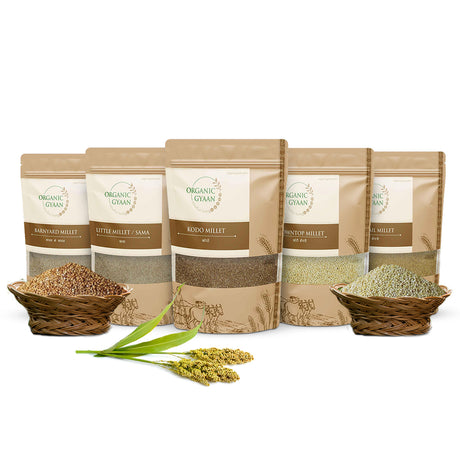
Step 4 - Switch your grains to Siridhanya Millets
This is the single most impactful food swap you can make. Replacing white rice and maida with low-glycaemic Siridhanya Millets - foxtail, barnyard, little, kodo, and browntop reduces post-meal blood sugar spikes, keeps you fuller for longer, and directly reduces the calorie overflow that leads to medication-related weight gain.
Step 5 - Build muscle with simple exercise
Muscle burns more calories at rest than fat. Even simple exercises done consistently - squats, lunges, walking, cycling - build the metabolic muscle that counteracts the fat-storing effects of insulin and sulfonylureas.
Step 6 - Fill half your plate with vegetables at every meal
Vegetables are high in fibre, fill you up, and have very little impact on blood sugar. The more vegetables you eat, the less room there is for the refined foods that drive both blood sugar spikes and weight gain.
Step 7 - Manage stress and sleep
Stress raises a hormone called cortisol that actively promotes fat storage - especially around the belly. Poor sleep makes you hungrier and worsens insulin resistance. Both are things you can work on with the right daily habits and natural herbal support.
Step 8 - Add Ayurvedic herbs that improve insulin sensitivity naturally
When your body uses insulin more efficiently, you need less of it - and less insulin means less fat storage and less medication-related weight gain.
Ayurvedic Herbs That Help Counter Diabetes Medication Weight Gain
The smartest natural approach to managing diabetes medications and weight gain is to improve your insulin sensitivity from the inside - so your body needs less insulin, your medicines work better at lower doses, and less fat gets stored in the process.
1. Karela Powder (Bitter Gourd)
Karela helps your body's cells respond better to insulin - reducing how much insulin is actually needed to manage blood sugar. Less insulin in your blood means less fat storage. Half a teaspoon in warm water every morning before breakfast. One of the simplest and most powerful daily blood sugar habits available.
2. Jamun Seed Powder
Jamun seed powder slows down how fast sugar enters your bloodstream after eating. Smaller blood sugar spikes after meals means your body needs to produce or inject less insulin - which means less fat storage. Stir into warm water each morning.
3. Fenugreek Seeds (Methi)
Fenugreek's natural fibre slows carbohydrate digestion, reduces post-meal blood sugar peaks, and helps lower HbA1c over time. When HbA1c comes down through better diet, your doctor may be able to reduce your medication dose - which can reduce medication-related weight gain. Soak overnight and take in the morning with the soaking water.
4. Giloy Powder
Inflammation is one of the reasons cells become resistant to insulin - making your body demand higher doses to achieve the same result. Giloy is Ayurveda's most powerful anti-inflammatory herb. By reducing this inflammation, Giloy helps your body use insulin more efficiently, reducing the fat-storing insulin surplus that drives weight gain.
5. Ashwagandha Powder
When you are stressed, your body releases cortisol - a hormone that directly promotes belly fat storage and worsens insulin resistance at the same time. Ashwagandha reduces cortisol, improves sleep quality, and supports better insulin sensitivity. For anyone gaining weight despite good eating habits, chronic stress may be the missing piece - and Ashwagandha addresses it directly.
6. Turmeric Powder (Haldi)
Curcumin - the active ingredient in turmeric - is one of the best natural anti-inflammatory compounds available. Daily turmeric in warm milk, dal, or herbal tea supports the metabolic health that makes insulin more effective and reduces the inflammatory insulin resistance that leads to higher doses and more weight gain.
7. Neem Powder
Neem improves how your cells respond to insulin - making the insulin you take or produce work better and more efficiently. Better insulin efficiency means the same dose goes further, and less fat gets stored.
8. Siridhanya Millets (Positive Millets)
These low-glycaemic, high-fibre grains foxtail, barnyard, little, kodo, and browntop - directly reduce the post-meal blood sugar spikes that create demand for higher insulin and medication doses. Less demand means less medication burden, and less medication-driven weight gain over time.
Just a reminder: These herbs work alongside your prescribed medicines - not instead of them. Always speak to your doctor before adding new supplements, especially if you are on blood sugar medication, as some herbs can affect your glucose levels.
Conclusion
If your diabetes medicine is making you gain weight, you are not imagining it and you are not failing. Multiple commonly used diabetes medicines - insulin, sulfonylureas, thiazolidinediones, and meglitinides - are all known to cause weight gain. This is a documented medical reality, not a personal shortcoming.
The cycle - medicine causes weight gain, weight gain worsens blood sugar, blood sugar requires higher doses - is real. But it is also breakable. With the right conversation with your doctor, the right food choices, the right exercise habits, and the right natural herbal support, you can manage your blood sugar and your weight at the same time.
Know your medicines. Talk to your doctor. Switch to Siridhanya Millets. Start your mornings with Karela water. Manage your stress with Ashwagandha. Use Giloy and Turmeric for inflammation.
Diabetes medications and weight gain do not have to define your health story. You have more tools than you realise - and they are all within reach.