
After a long day, many people love soaking their feet in warm water with Epsom salt. It feels relaxing, eases tired muscles, and helps you unwind. But if you have diabetes, you might pause and wonder:
“Is this safe for me?”
This is a very real and important question. Diabetes affects circulation, nerves, and skin health-especially in the feet. Something that feels harmless for others may need extra care for someone with diabetes.
In this blog, we’ll talk clearly and honestly about Epsom salt and diabetics-what’s safe, what’s risky, and how to use Epsom salt the right way if you have diabetes. By the end, you’ll know whether it’s right for you and how to stay safe.
What Is Epsom Salt?
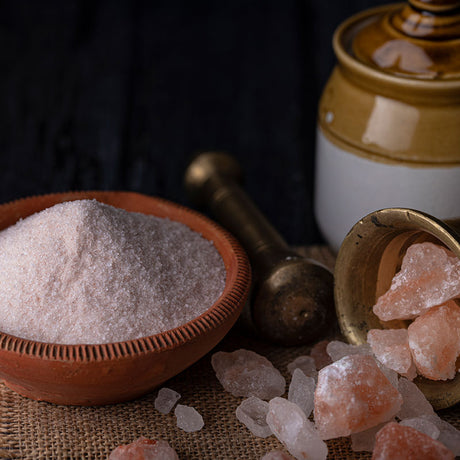
Epsom salt is not the same as table salt. It is made from magnesium sulfate, a natural mineral compound. When dissolved in warm water, it creates a soothing soak that many people use to relax their muscles or feet.
People commonly use Epsom salt for:
- Tired or aching feet
- Muscle soreness
- Stress relief
- Mild swelling
But for people with diabetes, the focus should always be on skin safety and nerve protection.
Can Diabetics Use Epsom Salt?
The simple answer is:
Yes, diabetics can use Epsom salt - but with caution.
Using Epsom salt does not raise blood sugar levels, and it is generally safe when used carefully. However, because diabetes can reduce feeling in the feet and slow healing, you must be extra careful about how you use it.
So when people ask, “Can diabetics use Epsom salt?”, the best answer is:
Yes, if used gently.
No, if there are open wounds or loss of sensation.
Why People With Diabetes Must Be Careful
Diabetes can affect the body in ways that are not always visible. Over time, it may cause:
- Reduced feeling in the feet (neuropathy)
- Poor blood circulation
- Dry or cracked skin
- Slow wound healing
Because of this, even small problems - like hot water burns or skin dryness - can turn serious if unnoticed. That’s why foot care is so important for diabetics.
How Epsom Salt Is Usually Used
1. Foot Soaks
This is the most common way people use Epsom salt.
A typical foot soak involves:
- Warm (not hot) water
- A small amount of Epsom salt
- Soaking for 10–15 minutes
2. Full Body Baths
Some people add Epsom salt to bathwater to relax muscles and calm the body.
Both methods can be used by diabetics - but only if certain safety rules are followed.
Does Epsom Salt Help Diabetes Directly?
This is important to understand clearly.
Epsom salt:
- Does not cure diabetes
- Does not lower blood sugar directly
- May help with relaxation and muscle comfort
Magnesium plays a role in insulin function, and people with diabetes are sometimes low in magnesium. However, there is no strong proof that soaking in Epsom salt allows enough magnesium to enter the body to treat diabetes.
So think of Epsom salt as a comfort tool, not a medical treatment.
Possible Benefits of Epsom Salt for Diabetics
When used safely, some people with diabetes report:
- Relief from tired or sore feet
- Relaxation after a long day
- Reduced stress
- Temporary easing of swelling
Stress reduction itself is helpful because stress hormones can raise blood sugar. So while Epsom salt doesn’t treat diabetes, it may support relaxation and overall well-being.
How to Use Epsom Salt Safely If You Have Diabetes
1. Always Check Water Temperature
Never use hot water. Because diabetes can reduce sensation, you may not feel burns.
Test water with your elbow or wrist. Water should feel warm, not hot.
2. Limit Soaking Time
Soaking too long can dry out the skin.
Foot soak: 10–15 minutes
Bath: 15–20 minutes maximum
3. Dry Your Feet Completely
After soaking, gently dry your feet - especially between the toes. Moist skin can lead to fungal infections.
4. Moisturize After Soaking
Epsom salt can dry out the skin. Apply a natural moisturizer after drying your feet.
Good options include: cold pressed coconut oil, almond oil, aloe vera gel
Avoid applying cream between the toes.
5. Do Not Use If You Have:
- Open cuts or wounds
- Blisters
- Cracked skin
- Infections
- Foot ulcers
If any of these are present, skip Epsom salt and speak to your doctor.
6. Check Your Feet Before and After
Look for:
- Redness
- Swelling
- Cracks
- Changes in skin color
If anything looks unusual, stop soaking and seek advice.
How Often Can Diabetics Use Epsom Salt?
For most people with diabetes:
- Once or twice a week is enough
- Daily soaking is not recommended
Too much soaking can dry the skin and increase risk.
Other Natural Ways to Care for Diabetic Feet
Epsom salt is just one small part of foot care. A complete routine includes:
1. Daily Foot Checks
Spend one minute each day checking your feet. This simple habit prevents serious problems.
2. Wear Comfortable Footwear
Avoid tight shoes. Choose soft, breathable footwear that protects your feet.
3. Eat a Balanced Vegetarian Diet
Good circulation and healing start with nutrition. Include:
- Millets and whole grains
- Pulses and lentils
- Green leafy vegetables
- Healthy seeds
- Dry fruits in moderation
- Cold-pressed oils
4. Herbal Support (With Care)
Traditional ingredients often used to support overall wellness include:
These support general health but should never replace medical treatment.
When Should You Avoid Epsom Salt Completely?
Do not use Epsom salt if you:
- Have severe neuropathy
- Have poor circulation
- Have ongoing foot ulcers
- Have infections or skin breakdown
In these cases, foot care should be guided by a healthcare professional.
When to Talk to Your Doctor
Speak with your doctor if:
- You are unsure about foot soaking
- You have numbness or tingling
- You’ve had foot wounds before
- You want to include Epsom salt regularly
It’s always better to ask than risk complications.
Conclusion
So, can diabetics use Epsom salt?
Yes - but only with awareness, caution, and proper foot care.
Epsom salt can be a gentle way to relax tired feet and reduce stress when used correctly. It’s not a cure, but it can be a helpful part of your self-care routine.
Take care of your feet, listen to your body, and talk to your healthcare provider when needed.