
Imagine a treatment that uses nothing but light. No needles. No pills. No surgery. Just specific wavelengths of red and near-infrared light directed at your feet and legs for a few minutes a day - and clinical evidence showing that it can reduce nerve pain, improve nerve function, and in a landmark 2025 study, produce objectively measurable improvements in nerve cell biomarkers.
That is exactly what is happening with red light therapy for neuropathy - and the science behind it is more compelling than most people realise.
Diabetic peripheral neuropathy affects up to 50% of people with diabetes over their lifetime. It causes burning, tingling, numbness, and shooting pain - primarily in the feet and legs - that disrupts sleep, limits mobility, and dramatically reduces quality of life. The medications most commonly prescribed for neuropathic pain - Gabapentin, Pregabalin, Duloxetine, Amitriptyline - provide partial relief at best, often come with side effects like weight gain, drowsiness, and cognitive fog, and do nothing to address the actual nerve damage underlying the pain.
This is precisely why so many people with diabetic neuropathy are asking: does red light therapy help neuropathy? And increasingly, peer-reviewed research is providing a credible, evidence-backed answer.
In this blog, you will learn exactly what red light therapy for neuropathy is, the biology behind why it works, what the most current research shows, practical guidance on how to use it, its limitations and safety considerations, and how it fits alongside Ayurvedic herbal support in a complete, natural neuropathy management strategy.
What Is Red Light Therapy?
Red light therapy - also called photobiomodulation (PBM) or low-level laser therapy (LLLT) - uses specific wavelengths of red (typically 630–670 nm) and near-infrared light (typically 810–850 nm) to penetrate the skin and stimulate biological changes at the cellular level.
This is not the same as heat lamps, UV therapy, or infrared saunas. Red and near-infrared light at these specific wavelengths penetrate several centimetres into tissue without generating significant heat - reaching nerves, blood vessels, and muscle tissue beneath the skin surface.
The key mechanism is this: red and near-infrared light is absorbed by cytochrome c oxidase - a protein in the mitochondria (the energy-producing structures in every cell). This absorption triggers a cascade of cellular responses including increased ATP (cellular energy) production, reduced oxidative stress, reduced inflammation, improved local blood flow, and stimulation of nerve cell repair mechanisms.
In other words, red light therapy for neuropathy essentially provides a jump-start to cells that have had their energy and repair mechanisms compromised by the chronic oxidative stress and vascular damage caused by high blood sugar.
Why Does Red Light Therapy Help Diabetic Neuropathy? The Biology
Understanding why does red light therapy help neuropathy requires understanding what diabetic neuropathy is doing to nerve cells.
Chronically elevated blood sugar damages the small blood vessels (capillaries) that supply nerve fibres with oxygen and nutrients. Without adequate blood supply, nerve cells become energy-deficient. Their mitochondria - the cellular powerhouses - start to fail. Oxidative stress accumulates. The myelin sheath (the protective coating around nerve fibres) thins and degrades. Nerve conduction slows. Pain signals misfire. Sensation diminishes.
This is where red light therapy intervenes at multiple points:
1. Mitochondrial rescue: By stimulating cytochrome c oxidase, red light directly increases ATP production in nerve cells - providing the energy these oxygen-starved cells need to repair and maintain themselves.
2. Reduced oxidative stress: Red light therapy has been shown to reduce levels of reactive oxygen species (ROS) - the unstable molecules that accumulate from high blood sugar and damage nerve tissue. Lower oxidative stress means less ongoing nerve cell damage.
3. Improved circulation: Red light therapy stimulates nitric oxide release in blood vessel walls, which causes vasodilation - improving blood flow to the peripheral nerves that diabetes has been starving of oxygen. A 2024 study found that red light therapy could improve nitric oxide release and vascular function.
4. Anti-inflammatory effect: Chronic neuroinflammation is a key driver of neuropathic pain. Red light therapy reduces inflammatory cytokine levels, quieting the inflammatory environment that keeps pain signals firing inappropriately.
5. Nerve regeneration signals: Several studies have shown that photobiomodulation stimulates the release of nerve growth factor (NGF) and brain-derived neurotrophic factor (BDNF) - proteins that support nerve cell survival and promote the regrowth of damaged nerve fibres.
This combination of mechanisms - cellular energy restoration, oxidative stress reduction, circulation improvement, inflammation reduction, and nerve regeneration - makes red light therapy for neuropathy a genuinely multi-targeted approach that addresses the condition at a biological level, not just the pain symptoms.
Does Red Light Therapy Also Help Blood Sugar?
An exciting emerging finding - relevant to anyone managing diabetic neuropathy alongside blood sugar - is that red light therapy for neuropathy may also have direct effects on glucose metabolism.
A 2024 study found that a single 15-minute session of 670 nm red light therapy, administered before a glucose challenge, resulted in lower peak blood sugar levels and total glucose exposure over two hours compared to a control group. Researchers suggest that red light therapy could support blood sugar control by improving mitochondrial function and enhancing glucose metabolism.
The mechanism involves GLUT4 activation - red light encourages glucose transporters to move to the cell surface, helping glucose enter cells more efficiently. This is the same fundamental mechanism impaired in insulin resistance.
This dual benefit - nerve pain relief AND blood sugar support - makes red light therapy for neuropathy particularly interesting for people with diabetic peripheral neuropathy who are also working to improve their overall metabolic control.
What Is the Best Red Light Therapy for Neuropathy?
Wavelengths That Work
The most effective wavelengths for neuropathy are red light (630–670 nm) and near-infrared (810–850 nm). Near-infrared penetrates more deeply than red light alone - reaching the nerves and blood vessels beneath the surface fat and muscle layers of the feet and legs. Devices that combine both red and near-infrared wavelengths offer the most comprehensive coverage.
Device Types
Foot therapy pads or wraps - specifically designed to wrap around the feet and lower legs - are the most convenient for diabetic neuropathy at home. They deliver light evenly to all surfaces of the foot simultaneously.
Panel devices - larger flat panels that the feet are placed in front of - are commonly used in clinical settings and provide broader coverage.
Handheld devices - allow targeted application to specific pain points.
For home use, a dedicated foot wrap or pad that combines 630–670 nm red light and 810–850 nm near-infrared is considered the best red light therapy for neuropathy device category. A Chinese clinical trial published in 2025 used 632.8 nm red light applied directly to the feet, with patients showing lower pain, improved sensitivity, and reduced nerve damage biomarkers after just 10 days.
Typical Treatment Protocol
Most clinical studies used protocols of:
- 10 to 20 minutes per session
- 3 to 5 sessions per week
- Minimum 8 to 12 weeks for meaningful results
Consistency matters more than intensity. Red light therapy works through cumulative cellular changes - it is not an immediate pain killer like medication, but a biological repair process that builds over weeks.
Safety Considerations
The safety profile of red light therapy for neuropathy across all published studies is remarkably good - no serious side effects have been reported in any published research. However:
- Do not use over open wounds or active foot ulcers without direct medical supervision
- People on photosensitising medications should consult their doctor first
- Never look directly at the light source - protect eyes during use
- More is not always better - follow the protocol rather than extending sessions
- Always inform your healthcare team that you are using red light therapy alongside your prescribed diabetes treatment
How to Use Red Light Therapy Alongside Your Complete Neuropathy Plan
The 2024 meta-analysis specifically highlighted that photobiomodulation produces superior outcomes when used as part of a comprehensive management approach - not as a standalone therapy.
Here is how red light therapy for neuropathy fits into a complete daily routine:
Morning: Karela water + fenugreek seeds for blood sugar stability - the foundation that reduces ongoing nerve damage.
Daily movement: 20 to 30 minutes of walking or gentle leg exercises to improve circulation to the feet.
Red light therapy session: 15 to 20 minutes, 3 to 5 times per week - consistently applied to feet and lower legs.
Evening: Ayurvedic massage with diluted essential oils (lavender or ginger) for circulation and pain relief, followed by Ashwagandha in warm milk for sleep and neuroprotection.
Night: Turmeric golden milk for anti-inflammatory protection, followed by quality sleep - both of which support nerve repair processes.
Ayurvedic Herbal Support - The Inside-Out Complement to Red Light Therapy
1. Red light therapy for neuropathy addresses nerve damage from the outside - through the skin and into the underlying tissue. Ayurvedic herbs address the same condition from the inside - through blood sugar management, inflammation reduction, oxidative stress protection, and nerve health support.
Together, they form the most comprehensive natural neuropathy management approach available:
2. Karela Powder (Bitter Gourd) By directly reducing blood sugar through its natural insulin-sensitising compounds, Karela addresses the root cause of diabetic neuropathy at its source. Every reduction in blood glucose means less daily nerve damage and slower neuropathy progression. Take half a teaspoon in warm water every morning before breakfast - the most fundamental daily neuropathy protection habit.
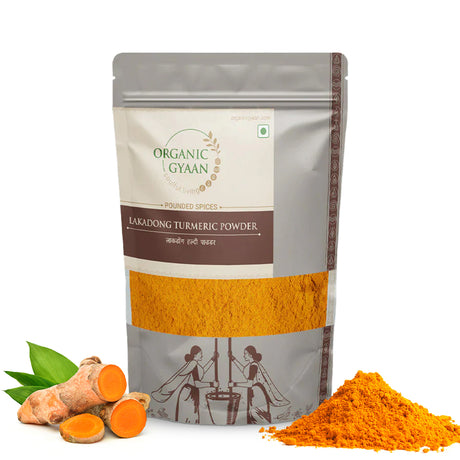
3. Turmeric Powder (Haldi) Curcumin is both anti-inflammatory and neuroprotective - a combination that directly mirrors the mechanisms of red light therapy for neuropathy. While red light reduces neuroinflammation from the outside, turmeric reduces it from the inside. A pinch in warm milk every night creates daily, cumulative nerve protection.
4. Ashwagandha Powder Ashwagandha has documented neuroprotective properties - supporting nerve cell health, reducing oxidative stress in nerve tissue, and improving the sleep quality that is disrupted by neuropathic pain. Combined with red light therapy's nerve regeneration support, Ashwagandha creates a complementary inside-out neuroprotective approach.
5. Giloy Powder Giloy's powerful anti-inflammatory and antioxidant properties reduce the chronic neuroinflammation that accelerates nerve damage in diabetic neuropathy. It also supports immune function - reducing the infection risk that makes neuropathic foot wounds dangerous.
6. Fenugreek Seeds (Methi) Fenugreek's blood sugar-stabilising properties reduce the post-meal glucose spikes that accumulate nerve damage over time. Lower, more stable blood sugar means slower neuropathy progression - amplifying the nerve repair benefits of red light therapy sessions.
7. Jamun Seed Powder Jamun's glucose-smoothing properties protect the nerve-supplying capillaries from the daily blood sugar peaks most damaging to their integrity. Combined with red light therapy's circulation-improving vasodilation effects, they address peripheral blood flow from two complementary directions.
8. Neem Powder Neem's anti-inflammatory, blood-purifying, and antimicrobial properties are particularly valuable for the foot protection dimension of diabetic neuropathy - reducing infection risk and supporting the insulin sensitivity that addresses the metabolic root of nerve damage.
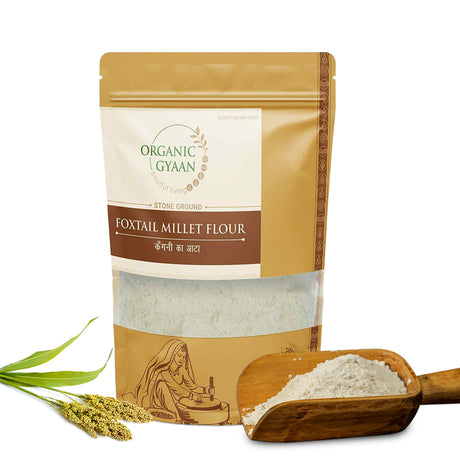
9. Siridhanya Millets (Positive Millets) Every meal built on refined grains creates a blood sugar spike that damages peripheral nerve capillaries. Switching to Siridhanya Millets - foxtail, barnyard, little, kodo, and browntop - replaces those spikes with slow, gentle energy release that protects nerve vasculature daily.
Please remember: Red light therapy and Ayurvedic herbs are complementary approaches that work alongside medical care - not instead of it. Always consult your doctor before starting new therapies, especially if you have foot ulcers, active infections, or are on photosensitising medications.
Conclusion
Does red light therapy help neuropathy? Based on the current body of evidence - including a 2025 randomised controlled trial of 200 patients, a 2024 meta-analysis of 95 studies, and multiple earlier clinical trials - the honest answer is: yes, meaningfully, when used consistently as part of a comprehensive management approach.
It is not a cure. It does not reverse nerve damage that has already occurred. But it does reduce pain, improve nerve conduction, support nerve cell regeneration through biologically validated mechanisms, and has an exceptional safety profile with no serious side effects reported in any published study.
The best red light therapy for neuropathy approach combines consistent device use (3 to 5 sessions per week for at least 8 to 12 weeks) with blood sugar control through medication and diet, Ayurvedic herbal blood sugar and nerve support regular physical activity, and careful daily foot care.
Neuropathic pain does not have to define your days or steal your nights. The tools to manage it - medical, technological, and natural - have never been more evidence-based, more accessible, or more effective than they are right now.