
Every single second of every day, your body is quietly running one of the most precise balancing acts in all of biology - and most people have no idea it is even happening.
Right now, two tiny hormones called insulin and glucagon are working in opposite directions to keep your blood sugar in a very narrow, safe range - not too high, not too low. When this system works perfectly, you feel nothing. You do not notice it. Your energy is steady, your mind is clear, and your organs are protected.
But when this system breaks down - as it does in diabetes - everything changes.
Understanding exactly how insulin and glucagon work is not just interesting science. For anyone living with diabetes, or caring for someone who does, it is genuinely life-changing knowledge. Because when you understand how these hormones are supposed to work - and what goes wrong - you start to make better choices about food, movement, herbs, and daily habits.
In this blog, we are going to explain it all clearly and simply. No complicated jargon. Just honest, useful information.
By the end, you will understand:
- What insulin and glucagon actually are and where they come from
- How they work together to control blood sugar
- What goes wrong with insulin and glucagon in both type 1 and type 2 diabetes
- What hyperglycemia and hypoglycemia mean - and how to recognise both
- How food, natural herbs, and daily habits support healthy insulin and glucagon function
- Natural products that support blood sugar balance every day
What Are Insulin and Glucagon?
Both insulin and glucagon are hormones - chemical messengers produced by a small but incredibly important organ called the pancreas. The pancreas sits just behind the stomach, and within it are tiny clusters of cells called the Islets of Langerhans.
Within these islets, two types of cells do most of the blood sugar work:
- Beta cells produce insulin
- Alpha cells produce glucagon
Both insulin and glucagon are secreted in response to blood sugar levels, but in opposite ways. Think of them as two sides of a seesaw - when one goes up, the other comes down. Together, they keep blood sugar in a safe, steady range every moment of the day and night.
The human body wants blood glucose maintained in a very narrow range. Our bodies desire blood glucose to be maintained between 70 mg/dL and 110 mg/dL. Below 70 is termed hypoglycemia. Above 110 can be normal if you have eaten in the past two to three hours. Even after eating, your glucose should stay below 180 mg/dL. Above 180 is termed hyperglycemia.
Maintaining blood glucose within this safe range is vital - both excessively high and low levels can be life-threatening. And insulin and glucagon are the two hormones that make this balance possible.
How Insulin Works - The "Key" That Opens Your Cells
Insulin is the only hormone in the body that lowers blood glucose levels. It acts like a key that allows glucose to enter cells. Without insulin, cells cannot utilise glucose — their primary source of energy.
Here is how the process works, step by step:
Step 1 - You eat something
Carbohydrates in your food are broken down into glucose (a simple sugar) in your digestive system.
Step 2 - Glucose enters your bloodstream
Blood sugar levels rise after a meal.
Step 3 - Beta cells in your pancreas detect the rise
They respond by secreting insulin into the bloodstream.
Step 4 - Insulin acts like a key
It travels through the blood and docks onto receptors on your cells - muscle cells, fat cells, liver cells. This "unlocks" those cells, allowing glucose to flow in from the bloodstream.
Step 5 - Cells use the glucose for energy
Blood sugar levels fall back to the normal range.
Step 6 - The liver stores what is left
During a meal, your liver stores glucose as glycogen for later use. The high levels of insulin and suppressed levels of glucagon during a meal promote the storage of glucose as glycogen.
This entire process happens automatically, smoothly, and repeatedly throughout every single day in a healthy body.
Insulin also does several other important things in the body:
- It promotes the storage of fat
- It helps build muscle tissue by encouraging amino acid uptake
- It supports kidney function by affecting how the kidneys handle glucose
- It signals the liver to stop producing glucose when blood sugar is already high
How Glucagon Works - The "Emergency Fuel Release" Hormone
Now for the other side of the equation. Glucagon works in the opposite direction to insulin. Its job is to raise blood sugar when it gets too low.
Glucagon instructs the liver to release stored glucose, which causes the body's blood sugar levels to rise.
Here is how glucagon works:
Step 1 - Blood sugar drops
This happens when you skip a meal, exercise hard, sleep through the night, or have not eaten for several hours.
Step 2 - Alpha cells in the pancreas detect the drop
They respond by releasing glucagon into the bloodstream.
Step 3 - Glucagon travels to the liver
It signals the liver to break down stored glycogen into glucose and release it into the bloodstream. This process is called glycogenolysis.
Step 4 - The liver also makes new glucose
When glycogen stores are running low, the liver can actually manufacture new glucose from amino acids and fat byproducts. This process is called gluconeogenesis.
Step 5 - Blood sugar rises back to the normal range
The brain, which cannot store glucose and needs a constant supply, is protected.
Glucagon also does other things:
- In fat tissue, it stimulates the breakdown of fat to provide energy when glucose is low
- It slightly increases heart rate
- It slows down digestion to conserve energy during low-glucose periods
Together, insulin and glucagon maintain homeostasis - where conditions inside the body hold steady. When blood sugar is too high, the pancreas secretes more insulin. When blood sugar drops too low, the pancreas releases glucagon. This balance helps provide sufficient energy to the cells while preventing damage from consistently high blood sugar levels.
What Goes Wrong in Diabetes?
This is where the insulin and glucagon story becomes deeply personal for millions of people.
In Type 1 Diabetes
In type 1 diabetes, the immune system mistakenly attacks and destroys the beta cells in the pancreas - the cells that make insulin. Without beta cells, the body produces little to no insulin at all.
Without enough insulin, the body cannot move glucose from the bloodstream into the cells. This results in high blood sugar levels and a lack of energy in the cells. The glucose that should be entering cells and fuelling the body simply stays in the blood, building up to dangerous levels.
At the same time, something else goes wrong - glucagon is not suppressed properly. In a healthy body, insulin helps suppress glucagon release after meals. But without insulin, glucagon continues to signal the liver to release glucose - even when blood sugar is already high. This worsens the blood sugar problem significantly.
People with type 1 diabetes need to take insulin every day to survive. Without it, the consequences are severe and can be fatal.
In Type 2 Diabetes
Type 2 diabetes involves a different breakdown of the insulin and glucagon system.
The problem in type 2 diabetes is twofold:
Insulin resistance - The body still produces insulin, but the cells have stopped responding to it properly. The insulin "key" is still being made, but it no longer opens the cellular "locks" effectively. Glucose cannot get into cells even though insulin is present. The pancreas compensates by producing more and more insulin - until eventually it becomes exhausted.
Impaired glucagon regulation - In type 2 diabetes, the normal relationship between insulin and glucagon is also disrupted. Glucagon is not suppressed properly after meals, so the liver continues releasing glucose into the blood even when blood sugar is already elevated. This makes post-meal blood sugar spikes worse.
Over time, too little insulin production and glucagon overactivity combine to create persistently high blood sugar - and all the complications that come with it.
Hyperglycemia and Hypoglycemia - Knowing the Difference
Understanding these two terms is essential for anyone living with diabetes:
Hyperglycemia (High Blood Sugar) Occurs when blood glucose is consistently above 180 mg/dL. Persistently high blood sugar levels can cause long-term damage throughout the body - to the eyes, kidneys, nerves, and heart. Symptoms include excessive thirst, frequent urination, fatigue, and blurry vision.
Hypoglycemia (Low Blood Sugar) Occurs when blood glucose falls below 70 mg/dL. Symptoms include faintness, dizziness, shakiness, sweating, confusion, and in severe cases, loss of consciousness. It can be life-threatening if not treated quickly. People with diabetes who take insulin are most at risk of hypoglycemia, especially after exercise, a missed meal, or too large an insulin dose.
How Food Affects Insulin and Glucagon - And What to Eat
Every meal you eat triggers an insulin and glucagon response. The type of food, the amount, and the timing all influence how your blood sugar rises, how much insulin is needed, and how long it takes to come back down.
High GI foods (white rice, maida, corn flakes, sugary drinks) cause a rapid, sharp blood sugar spike - demanding a large, sudden insulin response. In people with diabetes, this large demand is exactly what overwhelms the system.
Low GI foods (millets, legumes, whole grains, vegetables) cause a slow, steady glucose release - a gentle, manageable insulin response that is far kinder to the diabetic body.
Here are the best foods to support healthy insulin and glucagon balance:
1. Siridhanya Millets - The Best Blood Sugar Food in India
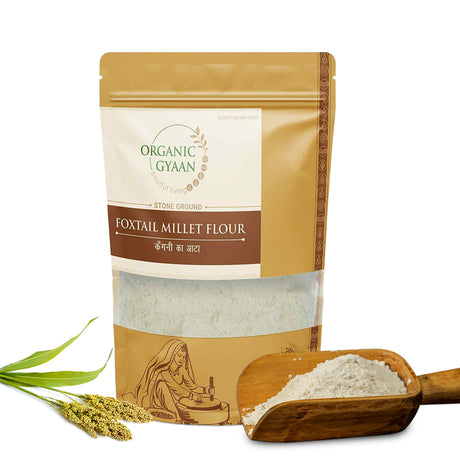
Foxtail Millet, Kodo Millet, Little Millet, Barnyard Millet, and Browntop Millet - the five Siridhanya millets - have an exceptionally low glycemic index. They release glucose into the bloodstream very slowly, which means a gentler, smaller insulin response and far less blood sugar volatility.
Replacing white rice and refined wheat with Siridhanya millets at even one or two meals a day makes a measurable, real difference in blood sugar management over time.
2. Methi (Fenugreek) Seeds
Fenugreek seeds are rich in soluble fibre and contain a compound called 4-hydroxyisoleucine that has been shown to directly stimulate insulin secretion from beta cells and improve insulin sensitivity. This makes methi one of the most scientifically supported natural aids for insulin and glucagon balance.
Soak a teaspoon of methi seeds overnight and consume them on an empty stomach every morning.
3. Karela (Bitter Gourd)
Karela contains plant compounds - including charantin, vicine, and polypeptide-p - that mimic insulin in the body, helping cells absorb glucose more effectively. It works directly on the same mechanism as insulin, and multiple studies have confirmed its ability to lower blood sugar levels meaningfully.
4. Jamun (Black Plum)
Jamun seeds contain jamboline and ellagic acid - compounds that help regulate the conversion of starch to sugar and support beta cell function in the pancreas. Regular use of Jamun seed powder is one of the most trusted traditional remedies for supporting healthy blood sugar levels in India.
5. A2 Bilona Ghee
A small amount of A2 Bilona Ghee added to meals slows gastric emptying - meaning food takes longer to digest and glucose is released more slowly into the bloodstream. This flattens the blood sugar curve and reduces the size of the insulin demand after meals.
Natural Herbs That Support Insulin and Glucagon Function
These Ayurvedic herbs support healthy insulin and glucagon function by improving insulin sensitivity, reducing inflammation, supporting pancreatic health, and keeping blood sugar more stable throughout the day:
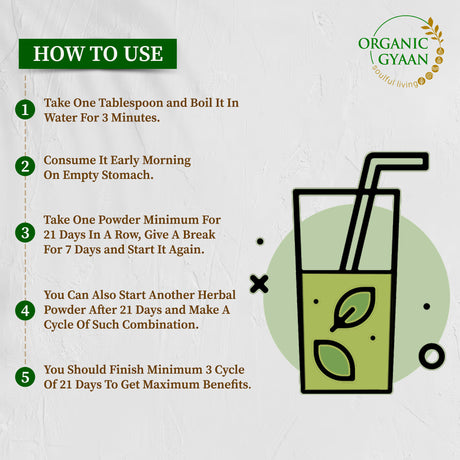
1. Jamun Seed Powder - Supports beta cell function and helps regulate blood sugar naturally. Take one teaspoon with warm water on an empty stomach daily.
2. Karela (Bitter Gourd) Powder - Contains insulin-mimicking compounds that improve how cells respond to glucose. Take with warm water before meals.
3. Neem Powder - Supports insulin sensitivity and blood purification. Neem has been shown to help improve the body's natural insulin response when used consistently alongside a healthy diet and daily walking.
4. Giloy Powder - A deeply anti-inflammatory herb that supports metabolic health and reduces the chronic inflammation that worsens insulin resistance.
5. Moringa Powder - Rich in vitamins, minerals, and antioxidants, Moringa has been shown to help lower fasting blood sugar levels and supports overall metabolic and pancreatic health.
6. Ceylon Cinnamon Powder - Improves insulin sensitivity by helping insulin receptors function more effectively. A pinch in warm water or food daily is one of the simplest and most research-supported blood sugar habits available.
Lifestyle Habits That Support Healthy Insulin and Glucagon Balance
Beyond food and herbs, these daily habits directly support the insulin and glucagon system:
1. Walk after every meal
Even 15–20 minutes of walking after eating significantly lowers post-meal blood sugar spikes. Muscles use glucose directly during movement - reducing the insulin demand on your pancreas and keeping blood sugar more stable.
2. Sleep 7–8 hours every night
Poor sleep raises cortisol and other stress hormones that actively worsen insulin resistance. Consistent, quality sleep is one of the most underrated tools for blood sugar management.
3. Manage stress daily
Chronic stress raises cortisol, which raises blood sugar and suppresses the effectiveness of insulin. Simple daily practices - pranayama, a quiet walk, 10 minutes without screens - have a real, measurable positive effect on blood sugar over time.
4. Eat regular meals and do not skip
Skipping meals triggers glucagon release and can cause blood sugar to swing - either too low or, in diabetics, unpredictably high. Three balanced, fibre-rich meals a day with minimal snacking keeps the insulin and glucagon cycle steadier.
Stay well hydrated. Dehydration concentrates blood sugar and stresses the kidneys, which already work hard in people with diabetes. Aim for 8–10 glasses of clean water daily.
Quick Reference: Insulin vs Glucagon at a Glance
| Feature | Insulin | Glucagon |
|---|---|---|
| Produced by | Beta cells (pancreas) | Alpha cells (pancreas) |
| Released when | Blood sugar is HIGH | Blood sugar is LOW |
| Main action | Lowers blood sugar — moves glucose into cells | Raises blood sugar - signals liver to release glucose |
| Effect on liver | Promotes glucose storage as glycogen | Triggers glucose release (glycogenolysis) |
| Effect on fat | Promotes fat storage | Promotes fat breakdown |
| In type 1 diabetes | Little or none produced | Not suppressed properly after meals |
| In type 2 diabetes | Resistance to insulin develops | Overactive - liver releases too much glucose |
Key Takeaways
Here is everything we covered, in one clear summary:
- Insulin and glucagon are two hormones produced in the pancreas that work together to keep blood sugar in a safe, narrow range every moment of every day
- Insulin lowers blood sugar by acting as a key that allows cells to absorb glucose. Glucagon raises blood sugar by signalling the liver to release stored glucose
- In type 1 diabetes, little or no insulin is produced because beta cells are destroyed by the immune system. In type 2 diabetes, cells become resistant to insulin, and glucagon is also not properly suppressed after meals
- The safe blood sugar range is 70–110 mg/dL fasting. Below 70 is hypoglycemia; above 180 is hyperglycemia. Both are dangerous with long-term consequences
- The right foods - especially Siridhanya millets, methi, karela, and jamun - directly support healthy insulin and glucagon function by lowering the glycemic load of meals and improving insulin sensitivity
- Ayurvedic herbs - Jamun, Karela, Neem, Giloy, Moringa, and Ceylon Cinnamon - provide natural daily support for blood sugar balance
- Walking after meals, sleeping well, managing stress, and staying hydrated all directly support the insulin and glucagon system
Support Your Insulin and Glucagon Balance - Naturally, Every Day
Understanding how insulin and glucagon work gives you a completely different relationship with your health. You stop feeling like your body is working against you - and start seeing all the ways it is trying to protect you, even when things are not working perfectly.
The right food, the right herbs, and the right daily habits support your body's own systems - making insulin more effective, keeping glucagon in check, and protecting your blood sugar from the inside out.