
You went in for a routine blood test. The results came back. Your doctor mentioned your blood sugar is "a bit high." Maybe they said the word "prediabetes." Maybe they scheduled a follow-up. Maybe they gave you a printout with a number on it and not much else.
And now you are home, staring at that number, wondering what it actually means.
Do you have prediabetes? Diabetes? Something in between? Are these the same thing? And most importantly - what happens now?
Here is the startling reality: before people develop Type 2 diabetes, they almost always have prediabetes first. Over 88 million adults in the United States alone have prediabetes - and approximately 84% of them do not know it. In India, the ICMR-INDIAB study found over 136 million adults with prediabetes. That is a staggering number of people walking around with elevated blood sugar, unaware that their trajectory can be changed - if they act while the window is still open.
Understanding the difference between prediabetes and diabetes is not just academic. It is the difference between taking action that can genuinely reverse your condition - or missing the window entirely and ending up managing a lifelong chronic disease.
In this guide, you will learn exactly what separates prediabetes from diabetes, how each is diagnosed (including which test is most reliable and why), what the symptoms look like - and importantly, what they do not look like - what your real risk of progression is, and how Ayurvedic herbal support can help you take natural, daily action to protect your metabolic health from this moment forward.
What Is Prediabetes?
Prediabetes is a condition in which your blood sugar levels are higher than normal but not yet high enough to be diagnosed as Type 2 diabetes. Think of it as standing in a doorway - you are not inside the room of diabetes yet, but you are close enough that the door is right in front of you.
Prediabetes is an intermediate state between normoglycaemia and diabetes. It indicates that your body is beginning to struggle with processing glucose efficiently - either because your pancreas is not producing enough insulin, or because your cells are becoming resistant to insulin's signal, or both.
Here is the critically important part: prediabetes is largely reversible. With the right lifestyle changes - particularly changes to diet, physical activity, and weight - many people with prediabetes can bring their blood sugar back to the normal range and significantly delay or prevent Type 2 diabetes from ever developing.
This is not the case once diabetes is fully established. Once you cross that threshold, diabetes is a lifelong condition that requires ongoing management. The prediabetes stage is genuinely one of the most valuable windows in all of preventive medicine - and most people do not even know they are in it.
What Is Type 2 Diabetes?
Type 2 diabetes is diagnosed when blood sugar levels are consistently elevated to a degree that meets specific clinical thresholds - thresholds that indicate the body's glucose regulation system has broken down significantly.
In Type 2 diabetes, the cells of the body have become sufficiently resistant to insulin - and/or the pancreas has become sufficiently unable to produce adequate insulin - that blood sugar remains chronically elevated. This chronic elevation damages blood vessels and nerves throughout the body over time, leading to the complications of diabetes: retinopathy, nephropathy, neuropathy, cardiovascular disease, and others.
The fundamental difference between prediabetes vs diabetes is not just one of degree - it is one of consequences and trajectory. Prediabetes, managed well, may never become diabetes. Diabetes, once established, requires lifelong attention and carries lifelong complication risk.
The Three Tests That Diagnose Both - And the Numbers That Separate Them
This is the core of understanding the difference between prediabetes and diabetes. Three blood tests are used to diagnose both conditions, and each measures blood glucose in a slightly different way.
Test 1: Fasting Plasma Glucose (FPG)
This is the most commonly used initial test. It measures your blood sugar after you have not eaten for at least 8 hours - typically done first thing in the morning.
According to the ADA 2025 Standards of Care:
| Result | What It Means |
|---|---|
| Below 100 mg/dL (5.6 mmol/L) | Normal fasting blood sugar |
| 100–125 mg/dL (5.6–6.9 mmol/L) | Prediabetes — Impaired Fasting Glucose (IFG) |
| 126 mg/dL (7.0 mmol/L) or above | Diabetes (confirmed on two separate tests) |
FPG is more reflective of hepatic insulin resistance - how well the liver is managing glucose overnight. It is convenient, inexpensive, and widely available.
Test 2: Oral Glucose Tolerance Test (OGTT)
The OGTT is a two-hour test that checks your blood glucose levels before and two hours after you drink a special sweet drink. It tells the doctor how your body processes sugar under load - rather than just in the resting, fasted state.
| Result (2 hours after glucose drink) | What It Means |
|---|---|
| Below 140 mg/dL (7.8 mmol/L) | Normal glucose tolerance |
| 140–199 mg/dL (7.8–11.0 mmol/L) | Prediabetes - Impaired Glucose Tolerance (IGT) |
| 200 mg/dL (11.1 mmol/L) or above | Diabetes |
The OGTT is more reflective of peripheral insulin resistance - how well the muscles and other tissues handle glucose after a meal. Importantly, the 2-h PG value diagnoses more people with prediabetes and diabetes than FPG and HbA1c cut points, making it the most sensitive of the three tests.
Test 3: HbA1c (Glycated Haemoglobin)
HbA1c measures your average blood glucose over the past two to three months - providing a longer-term picture rather than a single moment in time.
| HbA1c Result | What It Means |
|---|---|
| Below 5.7% (39 mmol/mol) | Normal |
| 5.7%–6.4% (39–47 mmol/mol) | Prediabetes |
| 6.5% (48 mmol/mol) or above | Diabetes |
HbA1c reflects a combination of fasting and post-meal blood sugar patterns. It does not require fasting and gives a broader picture - but it can be less accurate in certain individuals, including those with anaemia, certain haemoglobin variants, or iron deficiency.
An Important Nuance: The Tests Do Not Always Agree
Here is something that very few people know - and that has significant implications for how seriously you should take a borderline result on any single test.
A 2023 study published in PMC found striking discordance between the three tests: prediabetes prevalence was 42.4% based on FPG, 27.2% based on HbA1c, and only 17.2% based on OGTT. FPG and HbA1c thus overdiagnosed prediabetes by 25.2% and 10.0% respectively compared to the OGTT gold standard.
This means: if your FPG or HbA1c is in the prediabetes range but your OGTT is normal, your actual metabolic risk may be lower than the single test suggests. Conversely, the OGTT catches more true cases of prediabetes and diabetes - which is why the ADA recommends it as the most sensitive diagnostic tool.
The practical takeaway: one borderline test result does not tell the complete story. If you have a result in the prediabetes range on one test, discuss whether additional testing - particularly the OGTT - would give you a more accurate picture.
Symptoms: What Prediabetes and Diabetes Look Like - And What They Do Not
Prediabetes: Almost Always Silent
This is the characteristic that makes prediabetes so dangerous and so frequently missed. In the vast majority of cases, prediabetes has absolutely no symptoms. No pain. No unusual thirst. No blurred vision. Nothing that would make you think anything was wrong.
People with prediabetes are at greater risk of developing Type 2 diabetes, heart disease, and stroke - yet they typically feel completely normal.
The only reliable way to know you have prediabetes is through a blood test. This is why regular screening - particularly if you have risk factors - is not optional. It is the only warning system available.
Some people with prediabetes may develop acanthosis nigricans - dark, velvety patches of skin in body folds like the neck, armpits, or groin. This is a visible sign of insulin resistance. But many people have significant insulin resistance and prediabetes without this sign ever appearing.
Type 2 Diabetes: Often Still Silent Initially - Then Increasingly Symptomatic
Type 2 diabetes is also frequently silent in its early stages - which is why so many people are diagnosed only through routine blood tests rather than because of symptoms.
As blood sugar rises higher and the condition progresses, symptoms begin to appear:
Increased thirst (polydipsia): Persistent, unquenchable thirst - even after drinking plenty of water. Your kidneys are pulling water from tissues to flush out excess glucose.
Frequent urination (polyuria): Particularly noticeable at night (nocturia). The kidneys are processing large amounts of glucose-laden urine.
Unexplained weight loss: Despite normal or increased eating, glucose cannot enter cells properly. The body breaks down fat and muscle for energy instead.
Persistent fatigue: Cells are energy-starved because glucose cannot enter them. The result is exhaustion that sleep does not resolve.
Blurred vision: High blood sugar causes fluid shifts in the lenses of the eyes, temporarily distorting vision.
Slow-healing wounds: High blood sugar impairs immune response and circulation. Minor cuts take much longer to heal.
Recurring infections: Skin, urinary tract, and fungal infections become more frequent.
Tingling or numbness in hands or feet: An early sign that nerve damage (neuropathy) has begun.
The presence of multiple symptoms together - especially the combination of unusual thirst, frequent urination, and unexplained fatigue - should prompt a blood sugar test without delay.
Risk Factors: Who Should Be Screened?
Prediabetes is associated with obesity (especially abdominal or visceral obesity), dyslipidaemia with high triglycerides and/or low HDL cholesterol, and hypertension.
The ADA recommends screening for diabetes and prediabetes in adults who have:
- Age 35 or older (screening every 3 years if normal)
- Overweight or obesity - particularly with central/abdominal fat
- Family history of Type 2 diabetes in a parent or sibling
- Physical inactivity - sedentary lifestyle
- High blood pressure (≥130/80 mmHg)
- History of gestational diabetes or polycystic ovary syndrome (PCOS)
- Previously borderline blood sugar results
- High triglycerides or low HDL cholesterol
The ADA also recommends earlier and more frequent screening for people with significant risk factors - including those of South Asian descent, who face disproportionately high rates of prediabetes and diabetes at lower BMIs and younger ages compared to Western populations.
The Risk of Progression: How Likely Is Prediabetes to Become Diabetes?
Without intervention, approximately 15–30% of people with prediabetes will develop Type 2 diabetes within 5 years. Over 10 years, over 50% of untreated prediabetes cases may progress to full diabetes.
But here is the genuinely hopeful counter-statistic: the landmark Diabetes Prevention Program (DPP) trial showed that intensive lifestyle intervention - specifically 150 minutes of moderate exercise per week plus 5–7% body weight reduction - reduced the risk of progression from prediabetes to Type 2 diabetes by 58%. That is more effective than Metformin (which reduced risk by 31%).
This means that if you have prediabetes and make meaningful lifestyle changes, you can cut your risk of developing diabetes nearly in half. This is the most powerful number in all of preventive endocrinology - and it belongs in the hands of every person with a prediabetes diagnosis.
8 Steps to Take If You Have Prediabetes (Or Early Diabetes)
Step 1 - Take the diagnosis seriously - without panic
Prediabetes is not diabetes. It is a warning - and the best kind of warning, the early one. Act on it with focus, not fear.
Step 2 - Request the most complete testing
If you have only had one test (usually FPG), ask your doctor whether an OGTT would give a more accurate picture of your glucose metabolism. The OGTT is the most sensitive test and catches cases others miss.
Step 3 - Switch grains to Siridhanya Millets immediately
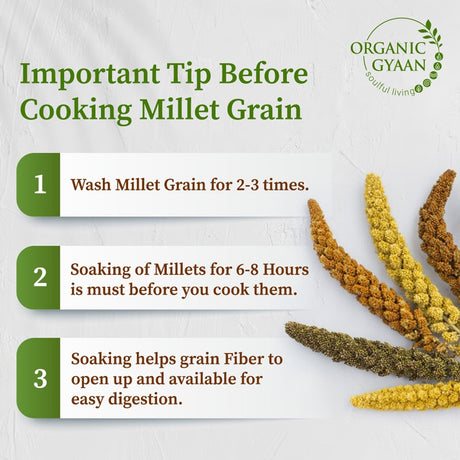
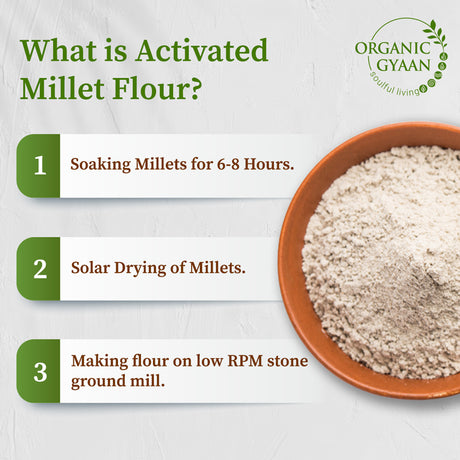
This is the single most impactful dietary change. Replacing white rice and maida with low-glycaemic Siridhanya Millets - foxtail, barnyard, little, kodo, and browntop reduces post-meal blood sugar spikes and directly improves insulin sensitivity over time.
Step 4 - Walk at least 30 minutes daily
The DPP showed 150 minutes of weekly moderate exercise reduces diabetes risk by 58%. That is just 30 minutes of walking, 5 days a week - one of the most powerful interventions in all of medicine.
Step 5 - Reduce 5–7% of your body weight if overweight
Even modest weight loss - not a dramatic transformation - produces clinically significant reductions in diabetes progression risk.
Step 6 - Cut sugary drinks completely
This single step removes one of the most direct drivers of blood sugar elevation from your daily life. Replace with water, jeera water, or the Ayurvedic morning drinks below.
Step 7 - Monitor your blood sugar at home
A glucometer gives you real-time feedback on how your food and lifestyle choices affect your readings. Knowledge is the most powerful motivator.
Step 8 - Add Ayurvedic herbal blood sugar support
Several natural herbs directly address insulin resistance, blood sugar elevation, and inflammation - the three drivers of prediabetes progression - from the inside out.
Ayurvedic Herbal Support for Prediabetes and Early Diabetes
The prediabetes window is when natural intervention is most powerful and most likely to produce lasting change.
1. Karela Powder (Bitter Gourd)
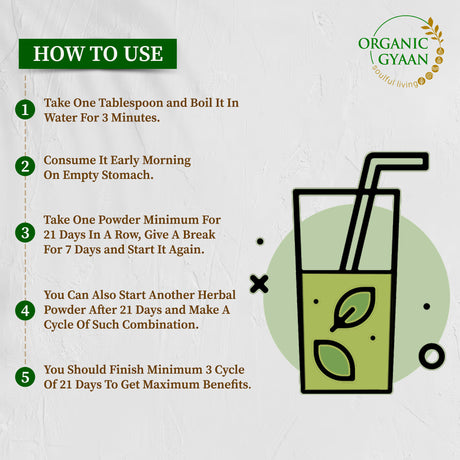
Karela is Ayurveda's most researched herb for insulin resistance - the core biological driver of prediabetes. Its compounds charantin and polypeptide-p directly improve how cells respond to insulin, addressing the cellular mechanism of the condition at its source. Half a teaspoon in warm water every morning before breakfast - the most fundamental daily habit for prediabetes prevention.
2. Jamun Seed Powder
Jamun's jamboline and jambosine compounds slow post-meal glucose absorption - reducing the blood sugar spikes that progressively drive prediabetes toward diabetes. Take in warm water each morning for consistent, gentle blood sugar protection.
3. Fenugreek Seeds (Methi)
Multiple clinical studies confirm that regular fenugreek use reduces fasting blood glucose and HbA1c over time. Its soluble fibre directly flattens post-meal blood sugar curves. Soak overnight and drink in the morning - a simple, evidence-backed daily ritual.
4. Giloy Powder
Chronic inflammation is one of the biological drivers of insulin resistance. Giloy's potent anti-inflammatory properties reduce this inflammation directly, making insulin work more effectively in the cells and slowing the prediabetes-to-diabetes progression.
5. Turmeric Powder (Haldi)
Curcumin's anti-inflammatory and antioxidant properties address insulin resistance at its biological foundation. A pinch in warm milk every night is a gentle, cumulative metabolic protection habit that supports blood sugar across the prediabetes-diabetes spectrum.
6. Ashwagandha Powder
Chronic stress raises cortisol - which directly elevates blood sugar and worsens insulin resistance. Ashwagandha reduces cortisol, improves sleep quality, and supports insulin sensitivity from the stress-management angle that conventional advice often misses entirely.
7. Neem Powder
Neem improves insulin sensitivity at the cellular level - helping cells respond more readily to insulin's signal and reducing the insulin resistance that defines both prediabetes and early Type 2 diabetes.
8. Amla Powder (Indian Gooseberry)
Amla is one of Ayurveda's richest antioxidant sources - protecting the beta cells of the pancreas from the oxidative stress that progressively impairs insulin production. In prediabetes, the pancreas is still largely functional. Protecting it now, with daily Amla, preserves that function longer.
9. Siridhanya Millets (Positive Millets)
The best single daily habit for reversing prediabetes through diet is switching your grains. Foxtail, barnyard, little, kodo, and browntop millets create the low-glycaemic, high-fibre dietary foundation that keeps blood sugar within a healthy range at every meal.
Please note: These herbs are powerful natural tools - but they complement medical care, not replace it. Always discuss your prediabetes management plan with your doctor, and inform them of any supplements you take.
Conclusion
The difference between prediabetes and diabetes is not just a matter of numbers on a lab report. It is a matter of reversibility, urgency, and opportunity.
Prediabetes is a reversible metabolic condition that responds powerfully to lifestyle intervention. Diabetes is a lifelong condition that, while manageable, carries lifelong complication risk. The line between them is defined by specific blood test thresholds - fasting glucose of 126 mg/dL, HbA1c of 6.5%, or a 2-hour OGTT of 200 mg/dL. Below these thresholds, you have time and choice. Above them, the focus shifts to management.
If you are in the prediabetes zone right now - whether you were told directly or you have a borderline reading you have not yet acted on - this is your moment. The DPP showed that lifestyle intervention cuts progression risk by 58%. Switching to Siridhanya Millets, adding daily Karela water, taking fenugreek seeds every morning, managing stress with Ashwagandha, and walking 30 minutes a day are not dramatic sacrifices. They are the exact small, consistent daily changes that genuinely shift the trajectory.
Your blood test results are information - not a verdict. Use them wisely, act on them now.