
Have you ever left a doctor's appointment feeling more confused than when you walked in?
Your blood sugar came back "a little high." Your doctor mentioned something about prediabetes. Or maybe they said your HbA1c was borderline. You nodded along, collected your paperwork, and drove home with a head full of numbers and a chest full of questions.
Does borderline mean I am sick? Is prediabetes the same as diabetes? Will I definitely get diabetes? What do these numbers actually mean?
Here is the startling truth that puts everything in perspective: over 88 million American adults - more than 1 in 3 - have prediabetes. And a staggering 84% of them do not even know it. In India, the situation is equally alarming - a 2024 ICMR-INDIAB study found that 136 million Indians have prediabetes, outnumbering those with actual diabetes.
Understanding the difference between prediabetes and diabetes is not just academic knowledge. It is information that could change the entire course of your health - because prediabetes, unlike diabetes, is often fully reversible. You can turn it around with the right choices. But only if you know it is there, and only if you understand what it actually means.
In this guide, you will get clear, simple answers to the questions most people never think to ask their doctor. We will walk through what prediabetes vs diabetes actually means, how they are diagnosed, what the symptoms look like (and do not look like), how one can lead to the other, and what you can do right now.
What Is Prediabetes?
Prediabetes means that your blood sugar is higher than normal - but not quite high enough to be called Type 2 diabetes. Think of it as being in the warning zone. Your body is struggling to process glucose efficiently, but the damage has not crossed the line into full diabetes yet.
Prediabetes means that your blood glucose levels are higher than normal, but not high enough to be diagnosed as diabetes. Lifestyle changes, such as healthy eating and exercise, may help delay or prevent prediabetes from becoming Type 2 diabetes.
Prediabetes is the term used to identify glucose or A1C levels that do not meet the criteria for diabetes yet fall in an intermediate range between normoglycemia and diabetes.
The word "intermediate" is the key. You are between normal and diabetic. You have not crossed the line - but you are heading toward it. And the biggest problem with prediabetes is that it almost always comes without any warning signs at all.
Prediabetes typically has no symptoms or signs; however, it has been associated with being overweight.
That is right - you can have prediabetes for years without feeling any different. No unusual thirst. No blurred vision. No obvious fatigue. Just quietly elevated blood sugar working away in the background - gradually stressing your blood vessels, slowly reducing insulin sensitivity, and nudging you closer and closer to a diabetes diagnosis.
What Is Type 2 Diabetes?
Type 2 diabetes is the full diagnosis - where blood sugar levels are consistently high enough to cause the body's systems to start breaking down in measurable, clinically significant ways.
In Type 2 diabetes, either the pancreas is not producing enough insulin, or the body's cells are not responding properly to the insulin that is produced - or both. The result is chronically elevated blood glucose that damages blood vessels and nerves throughout the body over time.
Unlike prediabetes, Type 2 diabetes is a lifelong condition. It can be managed very effectively - with medication, diet, exercise, and lifestyle changes - but it is not typically reversible in the same way prediabetes is. This is precisely why the window between prediabetes and diabetes is so important. Once you cross that line, the goalposts shift significantly.
Prediabetes vs Diabetes: The Numbers That Define Each
Here is where the difference between prediabetes and diabetes becomes concrete and measurable. Doctors use three main blood tests to diagnose both conditions:
Test 1: HbA1c (Glycated Haemoglobin)
The HbA1c test measures your average blood sugar over the past two to three months. It is the most commonly used test for both diagnosing and monitoring diabetes because it shows the big picture rather than a single-moment snapshot.
A pre-diabetes level is 5.7% and 6.4%. An HbA1c > 6.5% is considered a diabetes glucose level.
So in simple terms:
- Below 5.7% - Normal. Your blood sugar average is in the healthy range.
- 5.7% to 6.4% - Prediabetes. Your average is elevated but not yet at diabetes level.
- 6.5% or above - Diabetes. Confirmed on two separate tests under most guidelines.
Test 2: Fasting Blood Sugar (Fasting Plasma Glucose)
This test measures your blood sugar after you have not eaten for at least eight hours - typically done first thing in the morning.
A fasting blood sugar test of 100–125 mg/dl indicates prediabetes.
The full picture:
- Below 100 mg/dL - Normal.
- 100 to 125 mg/dL - Prediabetes (called Impaired Fasting Glucose).
- 126 mg/dL or above - Diabetes (confirmed on two separate occasions).
Test 3: Oral Glucose Tolerance Test (OGTT)
This test checks how your body handles a standard glucose load. You drink a sugary solution and your blood sugar is measured two hours later. IFG is defined as FPG levels from 100 to 125 mg/dL and IGT as 2-h PG levels during 75-g OGTT from 140 to 199 mg/dL.
The full picture:
- Below 140 mg/dL after 2 hours - Normal.
- 140 to 199 mg/dL - Prediabetes (called Impaired Glucose Tolerance).
- 200 mg/dL or above - Diabetes.
FPG, 2-h PG during 75-g OGTT, and A1C are appropriate for screening and diagnosis. It should be noted that detection rates of different screening tests vary in both populations and individuals. FPG, 2-h PG, and A1C reflect different aspects of glucose metabolism.
This is important: different tests can give different results for the same person. If one test shows borderline results, your doctor may confirm with a second test or a different type. No single test tells the complete story on its own.
Do Prediabetes and Diabetes Feel Different?
This is one of the most common questions - and the answer is more nuanced than most people expect.
1. Prediabetes: Usually Silent
Prediabetes almost always has no noticeable symptoms. This is what makes it so dangerous and so frequently missed. Most people find out they have prediabetes only because a routine blood test happened to catch it. There is no pain, no obvious sign - just a number on a lab report that changes everything.
Occasionally, some people with prediabetes may notice subtle signs - slightly increased thirst, a little more fatigue than usual, or darkened skin patches in body folds (acanthosis nigricans - a sign of insulin resistance). But these are easy to dismiss, and many people simply never notice them.
Type 2 Diabetes: Still Often Silent at First
Here is the uncomfortable truth: Type 2 diabetes is also often silent in its early stages. Many people are diagnosed not because of symptoms but because a routine check found elevated blood sugar.
However, as diabetes progresses or blood sugar climbs higher, symptoms do begin to appear more consistently:
1. Increased thirst - your kidneys are working overtime to filter excess glucose and pulling more water with it. The result is persistent thirst that water cannot seem to satisfy.
2. Frequent urination - closely related to the above. The kidneys are flushing out the excess sugar, and you feel the need to urinate much more than normal, including at night.
3. Unexpected weight loss - without enough insulin to get glucose into cells, the body starts breaking down fat and muscle for energy. Weight loss without trying is a classic early sign of poorly controlled blood sugar.
4. Persistent fatigue - cells that cannot absorb glucose are starved of energy, leaving you exhausted no matter how much you sleep.
5. Blurred vision - high blood sugar causes fluid shifts in the lenses of the eyes, temporarily altering how they focus.
6. Slow-healing cuts and wounds - high blood sugar impairs the immune response and circulation needed for effective wound healing.
7. Recurring infections - skin, gum, urinary tract, and fungal infections become more frequent when blood sugar provides a rich environment for bacteria and fungi to thrive.
If you are experiencing several of these symptoms together - particularly unusual thirst, frequent urination, and unexplained fatigue - please see your doctor and ask specifically for a blood sugar test.
The Most Important Thing About Prediabetes: It Is Reversible
This is the critical difference between prediabetes and diabetes that every person should know.
Prediabetes is not a life sentence. It is a warning - and warnings, when heeded, change outcomes. Research consistently shows that lifestyle intervention at the prediabetes stage can prevent or significantly delay the progression to Type 2 diabetes.
The landmark Diabetes Prevention Program (DPP) trial found that intensive lifestyle intervention reduced the risk of progression from prediabetes to Type 2 diabetes by 58% - compared to 31% with Metformin alone. That means that diet, exercise, and weight management were nearly twice as effective as medication at this stage.
You genuinely have a window. And the time to use it is now - before that window closes.
Risk Factors: Who Should Be Tested?
Prediabetes is associated with obesity (especially abdominal or visceral obesity), dyslipidemia with high triglycerides and/or low HDL cholesterol, and hypertension. The presence of prediabetes should prompt a comprehensive screening for cardiovascular risk factors.
You should ask your doctor about screening for prediabetes vs diabetes if any of these apply to you:
- You are over 35 years of age
- You are overweight - especially with belly fat
- You have a family history of Type 2 diabetes
- You are physically inactive
- You have high blood pressure or high cholesterol
- You are a woman who had gestational diabetes
- You have polycystic ovary syndrome (PCOS)
- You have dark skin patches in skin folds (acanthosis nigricans)
- You belong to a higher-risk ethnic group (South Asian populations are at particularly elevated risk)
If you have not been screened and any of these apply, speak to your doctor. One blood test could genuinely change your health future.
8 Practical Steps to Take If You Have Prediabetes or Early Diabetes
Step 1 - Take the diagnosis seriously - but not with fear
Prediabetes is a gift in disguise. It is information - early, actionable information - that most people do not get. Use it.
Step 2 - Switch your grains to Siridhanya Millets immediately
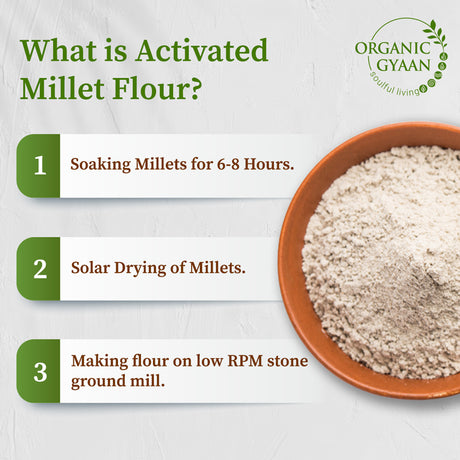
Replacing white rice and maida with low-glycaemic Siridhanya Millets is the single most impactful dietary change for prediabetes. These millets - foxtail, barnyard, little, kodo, and browntop - release sugar slowly, reduce post-meal spikes, and directly improve insulin sensitivity over time.
Step 3 - Eat legumes every day
Dal, chickpeas, moong sprouts, rajma - one serving at every main meal provides the protein and soluble fibre that are most protective against prediabetes progressing to diabetes.
Step 4 - Move your body every day
Even 30 minutes of brisk walking daily significantly improves insulin sensitivity and reduces HbA1c. The DPP trial used 150 minutes of moderate exercise per week as its intervention target - and it worked remarkably well.
Step 5 - Lose 5–10% of your body weight if you are overweight
The DPP showed that even modest weight loss - 5 to 7% of body weight - dramatically reduced progression to diabetes. This is achievable, not aspirational.
Step 6 - Cut out sugary drinks completely
This single step removes one of the most damaging blood sugar drivers from your daily routine. Replace with water, jeera water, or the herbal drinks below.
Step 7 - Monitor your blood sugar at home
A simple glucometer allows you to track your fasting blood sugar and see the impact of your food choices in real time. Knowledge is the most powerful motivation.
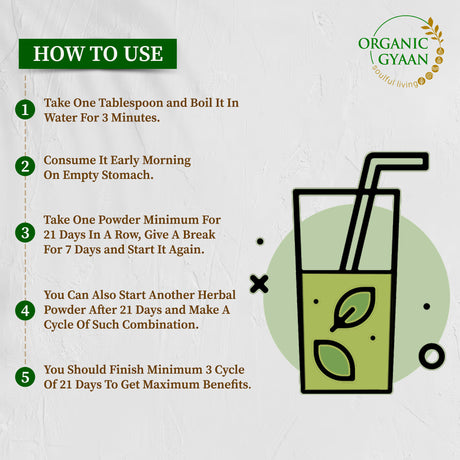
Step 8 - Add Ayurvedic herbal support for daily blood sugar management
Several natural herbs are specifically well-suited for the prediabetes window - addressing insulin resistance, inflammation, and blood sugar stability naturally.
Conclusion
Understanding the difference between prediabetes and diabetes comes down to this: prediabetes is an elevated blood sugar state that is not yet at the diabetes threshold - and it is largely reversible. Diabetes is a confirmed, ongoing metabolic condition that requires long-term management.
The same tests - HbA1c, fasting blood sugar, and the OGTT - diagnose both, with clearly defined number ranges separating the two. The symptoms of both can be subtle or absent, especially early on. And the lifestyle strategies that help both conditions are essentially the same - just with more urgency and impact at the prediabetes stage.
Prediabetes vs diabetes is not just a difference in numbers. It is a difference in opportunity. At the prediabetes stage, you have a genuine chance to change your trajectory - with diet, exercise, stress management, and the natural Ayurvedic herbal support that makes it all more sustainable.
Your blood sugar numbers are not your destiny. They are your starting point. And with the right knowledge and the right daily habits, you can move those numbers in the direction of health - one meal, one walk, and one Karela water at a time.