
Diabetes is the leading cause of blindness in working-age adults - and the scary part is, most people do not even know their eyes are being damaged until it is too late.
There are no pain signals. No headaches. No obvious warning. Your vision can look perfectly fine on the outside while the small blood vessels inside your eyes are slowly being destroyed by high blood sugar. By the time your sight starts to blur, significant damage may already have happened.
This condition is called diabetic retinopathy - and it affects nearly one-third of all people with diabetes worldwide. Of an estimated 285 million people with diabetes mellitus worldwide, approximately one-third have signs of diabetic retinopathy.
But here is the most important thing to know: diabetic eye damage is largely preventable. Blindness is largely preventable if the patient and the medical team work together diligently. Prevention relies on the right daily habits, consistent blood sugar management, and knowing exactly what to do - and what not to do.
In this blog, we are going to explain everything in simple, clear language. You will learn:
- What actually happens to your eyes when blood sugar is high
- The early signs of diabetic eye damage that people miss
- Exactly how to prevent eye damage from diabetes - step by step
- The best foods and natural herbs that protect your eyes and blood sugar together
- Why it is never too late to start taking care of your vision
What Diabetes Does to Your Eyes
To understand how to prevent diabetic eye damage, it helps to first understand what is actually happening inside your eyes.
Your retina - the thin layer at the back of your eye that receives and processes light - is full of tiny blood vessels. When blood sugar stays high for a long time, these small blood vessels start to weaken. They swell, they leak, and sometimes they rupture.
Damaged blood vessels can swell and leak, causing blurry vision. Diabetic retinopathy usually affects both eyes.
Over time, the body tries to repair the damage by growing new blood vessels. But these new vessels are fragile and unstable. They can bleed into the eye, cause scar tissue, and - in severe cases - lead to retinal detachment and permanent vision loss.
Diabetes also increases your risk of having glaucoma, cataracts, and other eye problems.
The truly alarming part is this: because the early stages of diabetic retinopathy tend to be symptom-free, permanent retinal damage may occur before any obvious signs are noticed and the disease is diagnosed.
This is why prevention - not just treatment - is everything.
Early Warning Signs of Diabetic Eye Damage
Even though diabetic eye damage can be silent in its early stages, there are some signs that should never be ignored. If you notice any of these, see an eye doctor as soon as possible:
- Blurry or wavy vision - especially if it comes and goes
- Seeing dark spots or floaters - small specks or strings that drift across your vision
- Colours looking faded or washed out
- Trouble seeing at night
- A dark or empty area in the centre of your vision
- Sudden vision loss in one or both eyes
None of these symptoms should be dismissed as tiredness or age. For anyone with diabetes, these are red flags that need immediate medical attention.
How to Prevent Eye Damage from Diabetes - 8 Clear, Actionable Steps
Step 1: Keep Your Blood Sugar in the Target Range - Every Day
This is the single most important thing you can do to prevent eye damage from diabetes.
You are more likely to get diabetic retinopathy if your blood sugar is not well-controlled. And the reverse is just as true - managing your blood sugar levels and maintaining a low hemoglobin A1C can help you prevent diabetes-related retinopathy. Doing these can also make retinopathy regress over time.
In simple terms: the closer your blood sugar stays to the normal range, the less damage happens to the blood vessels in your eyes.
Generally speaking, the target is 80–130 mg/dL before meals and less than 180 mg/dL one to two hours after meals.
Check your blood sugar regularly. Get your HbA1c tested every three months. This one number tells you your average blood sugar over the last three months and is the most reliable indicator of whether your eyes - and your entire body - are being protected or damaged.
Step 2: Get a Dilated Eye Exam Every Year - Without Fail
Get a dilated eye exam at least once a year so your eye doctor can spot any problems early.
This is not the same as a regular vision test at an optician. A dilated eye exam involves special eye drops that widen the pupils so the doctor can see the blood vessels at the back of your eyes clearly. It is the only way to detect early diabetic eye damage before symptoms appear.
If your provider finds eye problems early, medicines and other treatments may help prevent them from getting worse.
Many people skip this exam because they feel their vision is fine. This is a dangerous mistake. By the time your vision feels affected, the damage is often already advanced. Annual dilated eye exams are non-negotiable for anyone with diabetes.
Step 3: Control Your Blood Pressure
High blood pressure is one of the biggest factors that makes diabetic eye damage worse - and many diabetics have both conditions without realising the danger.
High blood pressure and cholesterol also raise your chances of diabetic retinopathy. High blood pressure puts extra strain on the already weakened blood vessels in your eyes, making them far more likely to leak, burst, or collapse.
Keep your blood pressure below 130/80 mmHg. Reduce salt in your diet. High levels of salt or sodium in your diet can cause high blood pressure - try using herbs and spices for flavour instead of salt. Low-salt diets also help reduce inflammation in the tiny blood vessels in your eyes and keep them healthy.
Step 4: Watch Your Cholesterol Levels
Abnormal cholesterol levels can also lead to diabetic retinopathy. When cholesterol is high, it can deposit in and around the delicate blood vessels of the retina, causing further damage.
Get your cholesterol checked regularly. Eat a diet rich in fibre - millets, vegetables, legumes, and flaxseeds - which naturally helps lower bad cholesterol. Reduce fried foods, processed snacks, and refined oils.
Step 5: Eat Foods That Protect Your Eyes and Blood Sugar Together
The right food does double duty - it keeps blood sugar stable AND provides the nutrients your eyes need to stay healthy. Here are the best choices:
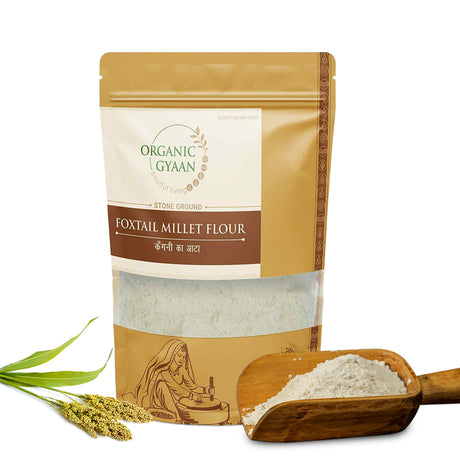
1. Siridhanya Millets - Foxtail Millet, Kodo Millet, Little Millet, Barnyard Millet, and Browntop Millet are low-GI, fibre-rich grains that release sugar slowly into the blood. Stable blood sugar means less damage to eye blood vessels. Millets provide slow sugar release and help manage glucose spikes. Replacing white rice and refined wheat with millets is one of the most powerful dietary changes a diabetic can make for eye health.
2. Moringa (Drumstick Leaves) - Moringa is exceptionally rich in Vitamin C, Vitamin A, and antioxidants that directly protect eye tissues from oxidative damage. It also helps lower fasting blood sugar. A teaspoon of Moringa powder in warm water daily is a powerful daily habit for both eye health and blood sugar management.
3. Spinach, Methi (Fenugreek), and Leafy Greens - These are rich in lutein and zeaxanthin - antioxidants that concentrate in the retina and protect it from damage. Regular consumption of green leafy vegetables is one of the strongest dietary protectors for eye health.
4. Amla (Indian Gooseberry) - Amla is one of the richest sources of Vitamin C available anywhere. Vitamin C is a critical antioxidant for eye health - when you increase your vitamin C intake, antioxidants help prevent cataracts and protect diabetic eyes against retinopathy. Amla powder in warm water every morning is a simple and deeply nourishing daily habit.
5. Turmeric - Turmeric contains curcumin, a powerful anti-inflammatory compound that helps reduce the chronic inflammation that worsens blood vessel damage in the eyes. A pinch of turmeric in your dal, sabzi, or warm water every day is one of the easiest protective habits you can build.
6. Flaxseeds and Walnuts - Rich in Omega-3 fatty acids. Omega-3 has been proven to reduce or even prevent the development of diabetic retinopathy. Add a tablespoon of ground flaxseeds to your morning porridge or sprinkle walnuts over your meals daily.
Step 6: Exercise Regularly - Even Just Walking
Regular exercise keeps your eyes healthy and helps you control your diabetes, because it helps lower blood sugar. Shoot for 150 minutes of moderate-intensity exercise each week.
You do not need a gym. A 30-minute brisk walk after meals is one of the most effective tools available for lowering post-meal blood sugar spikes - which directly reduces the damage being done to your eye blood vessels at that moment.
Keep it simple. Keep it consistent. Even 20 minutes of walking daily adds up to enormous protection over weeks and months.
Step 7: Stop Smoking Completely
If you smoke and have diabetes, your risk of diabetic eye damage is dramatically higher. Smoking constricts blood vessels, reduces blood flow to the retina, and accelerates the damage that high blood sugar is already causing.
Do not smoke. If you need help quitting, ask your provider. This is not optional advice - for a diabetic, smoking and eye health simply cannot coexist. Every cigarette makes the situation worse.
Step 8: Manage Stress and Sleep Well
Chronic stress raises cortisol levels, which raises blood sugar, which damages eye blood vessels. Poor sleep does the same. These are two hugely underrated factors in diabetic eye damage that most people never address.
Aim for 7 to 8 hours of quality sleep every night. Practice simple stress-reducing habits daily - a 10-minute walk in fresh air, pranayama (breathing exercises), or quiet time without screens before bed.
These small habits, done consistently, protect not just your eyes but your entire body from the long-term effects of diabetes.
Natural Herbs That Support Blood Sugar and Eye Health Together
Managing blood sugar is the foundation of preventing diabetic eye damage. These Ayurvedic herbs, used daily alongside good food and lifestyle habits, provide consistent, natural support:
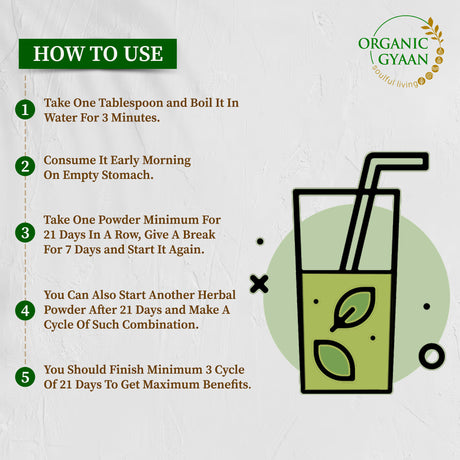
1. Jamun Seed Powder - Contains jamboline and ellagic acid, compounds with proven blood sugar-regulating properties. Stable blood sugar means less damage to the delicate blood vessels in your eyes. Take one teaspoon in warm water on an empty stomach daily.
2. Karela (Bitter Gourd) Powder - Karela contains natural compounds that improve how the body uses blood sugar - similar in action to insulin. Regular use helps keep blood sugar steady throughout the day, reducing the cumulative damage to eye blood vessels over time.
3. Neem Powder - Neem supports your body's natural insulin response. It helps improve insulin balance gently, without the harsh effects of medication. If used regularly alongside healthy habits like eating clean and walking daily, neem can help keep your sugar levels more stable. Neem also has powerful blood-purifying properties that support circulation - including to the tiny vessels in the eyes.
4. Giloy Powder - Giloy is a deeply anti-inflammatory Ayurvedic herb. Since chronic inflammation is one of the key drivers of blood vessel damage in diabetic retinopathy, managing inflammation with natural herbs like Giloy is a meaningful daily step.
5. Moringa Powder - Beyond its blood sugar benefits, Moringa is rich in Vitamin A and C - nutrients that are critical for retinal health and protection against oxidative damage in the eyes. It is one of the most eye-protective herbs available in nature.
6. Triphala Powder - A classical Ayurvedic formulation made from three fruits - Amla, Haritaki, and Bibhitaki. Triphala has been traditionally used for generations as an eye tonic. Rich in Vitamin C and antioxidants, it supports eye tissue health, reduces oxidative stress, and supports overall metabolic function.
7. Ayurvedic Blood Sugar Management Combo - Jamun, Karela, Neem, Giloy, and Moringa powders together in one certified organic kit. Rotate one herb per week for comprehensive, daily blood sugar and eye health support.
8. A2 Gir Cow Bilona Ghee - supports digestion and metabolism and is an ideal addition to a diabetes-friendly diet that protects eye health from the inside out.
What to Do Right Now - A Simple Daily Checklist
Here is a practical daily routine to prevent eye damage from diabetes, starting today:
| Time | Action |
|---|---|
| Morning (empty stomach) | One Ayurvedic herb (Jamun / Karela / Neem / Giloy / Moringa) in warm water |
| Breakfast | Millet porridge or steel-cut oats with flaxseeds and a small spoon of A2 Ghee |
| After every meal | 15–20 minute walk |
| Lunch / Dinner | Millets + dal + green leafy vegetables + a pinch of turmeric |
| Evening | Handful of walnuts or almonds for Omega-3 and eye-protective nutrients |
| Before bed | Check blood sugar. 7–8 hours of sleep. No screens 30 minutes before bed. |
| Once a year | Dilated eye exam - without fail |
Key Takeaways
Let us bring everything together clearly:
- Diabetic eye damage (diabetic retinopathy) is the leading cause of blindness in working-age adults - and it is largely preventable
- It develops silently - there are no symptoms in the early stages, which makes annual dilated eye exams absolutely essential
- The single most powerful way to prevent eye damage from diabetes is to keep blood sugar consistently in the target range
- Control blood pressure and cholesterol - both directly damage eye blood vessels in diabetics
- Eat eye and blood-sugar protecting foods daily - Siridhanya millets, moringa, amla, spinach, flaxseeds, turmeric, and walnuts
- Natural Ayurvedic herbs - Jamun, Karela, Neem, Giloy, Moringa, and Triphala - support blood sugar management and eye health together
- Exercise, sleep, and stress management are not optional extras - they are essential parts of protecting your vision
- Consistency is everything - small right choices made every day compound into lasting protection over months and years
Your Eyes Deserve Better Than Waiting
Diabetic eye damage does not announce itself. It creeps in quietly over years of high blood sugar, while everything looks fine on the surface. By the time vision problems appear, a lot has already happened inside.
But the good news - the genuinely wonderful news - is that you have enormous power to protect your eyesight right now. Today. With the right food, the right herbs, regular eye exams, and consistent blood sugar management.
We have everything you need to build a daily diabetes care routine that protects your eyes, your blood sugar, and your long-term health - from certified organic Siridhanya millets and Ayurvedic herbs to A2 Bilona Ghee and the complete Diabetes Wellness Bundle.