
Simple, Indian, Plant-Based Meals to Control Your Blood Sugar Naturally
Did you know that over 101 million Indians are now living with diabetes - and millions more are on the edge, without even knowing it? That is nearly 1 in 11 people. The shocking truth is that for most people with Type 2 diabetes, the biggest factor is not genetics - it is what they eat every single day. The good news? The right type 2 diabetes meal plan can lower your blood sugar, reduce your dependence on medication, and help you feel energetic and healthy again - starting from your very next meal.
In this blog, we are sharing a practical, easy-to-follow seven-day type 2 diabetes meal plan built around simple Indian vegetarian food, healing millets, and powerful Ayurvedic herbs. Whether you have just been diagnosed or have been managing diabetes for years, this plan will give you a clear, day-by-day roadmap to better blood sugar control.
Why Your Daily Food Choices Matter So Much in Type 2 Diabetes
Type 2 diabetes happens when your body cannot use insulin properly. Insulin is the key that unlocks your cells so sugar (glucose) can enter and give you energy. When this system breaks down, sugar stays in your blood - causing damage to your heart, kidneys, eyes, and nerves over time.
The good news is that food is the most powerful tool you have. A well-designed type 2 diabetes meal plan can:
- Keep blood sugar steady throughout the day - no sudden spikes or crashes
- Improve how your body responds to insulin
- Reduce inflammation - a silent driver of diabetes complications
- Give you more energy, better digestion, and clearer thinking
- Help with healthy weight management, which directly improves blood sugar control
A 2019 study in the Journal of Nutrition confirmed that high-fibre diets significantly improve glycaemic control in people with Type 2 diabetes. Another study in Diabetes Care (2020) showed that short walks after meals reduced blood sugar spikes by up to 30%. Food and movement together are your most powerful medicines.
What to Eat and What to Avoid in a Type 2 Diabetes Diet
Foods That Are Great for Diabetics
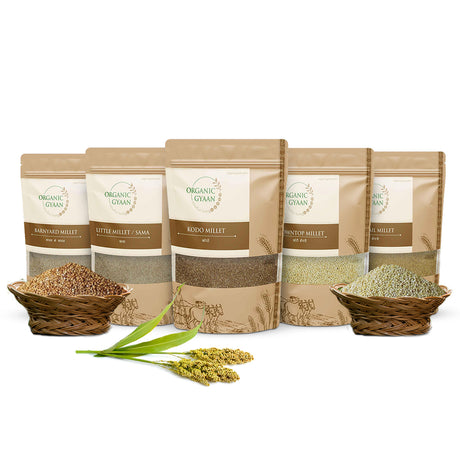
- Siridhanya Millets (Foxtail, Kodo, Barnyard, Little, Browntop): Low glycaemic index, high fibre, slow-release energy - the best grain choices for any diabetic diet plan
- Leafy greens: Spinach, methi (fenugreek leaves), curry leaves - packed with antioxidants and minerals that support insulin function
- Legumes and lentils: Moong dal, chana, rajma - excellent plant protein and fibre to slow down sugar absorption
- Bitter gourd (Karela): Acts like natural insulin in the body - can be eaten as a vegetable or taken as karela powder
- Nuts and seeds: Flaxseeds, chia seeds, almonds - healthy fats that improve insulin sensitivity
- Herbs and spices: Cinnamon, turmeric, fenugreek - proven in research to help lower blood sugar naturally
Foods to Avoid
- White rice and white bread: High GI foods that cause fast blood sugar spikes
- Refined sugar and sweet drinks: Immediate glucose bombs with zero nutrition
- Packaged snacks and biscuits: Hidden sugars and refined carbs
- Maida (all-purpose flour): Raises blood sugar faster than table sugar in some studies
- Fried and processed foods: Cause inflammation and worsen insulin resistance
Your Seven-Day Type 2 Diabetes Meal Plan (Simple Indian Vegetarian)
This type 2 diabetes meal plan follows three key principles: low glycaemic index foods, high fibre at every meal, and steady portions spread through the day. Every meal uses easy-to-find Indian ingredients. Organic Gyaan products are naturally woven in where they add the most benefit.
Day 1 - Start Strong with Millets
Focus: Replacing white rice and wheat with Siridhanya millets right from Day 1.
|
Meal |
What to Eat |
|
Breakfast |
1 tsp Jamun Seed Powder in warm water + Foxtail Millet upma with vegetables |
|
Mid-Morning |
A small bowl of soaked almonds + 1 cup green tea |
|
Lunch |
Kodo millet khichdi with moong dal + cucumber raita + salad |
|
Evening Snack |
1 glass buttermilk with a pinch of jeera + a small handful of roasted chana |
|
Dinner |
Barnyard millet dosa with coconut chutney + a bowl of bottle gourd sabzi |
Day 2 - Add Karela Power
Focus: Introducing bitter gourd - one of nature's best blood sugar regulators.
|
Meal |
What to Eat |
|
Breakfast |
1 tsp Karela Powder in warm water (empty stomach) + Little millet poha with curry leaves |
|
Mid-Morning |
1 small guava or pear + a few walnuts |
|
Lunch |
Whole moong dal + brown rice + steamed karela sabzi + salad |
|
Evening Snack |
Moringa powder in warm water or herbal tea |
|
Dinner |
Foxtail millet roti + palak (spinach) dal + a bowl of mixed vegetable sabzi |
Day 3 - Boost with Moringa
Focus: Moringa is one of the most nutrient-dense foods on earth - excellent for blood sugar and energy.
|
Meal |
What to Eat |
|
Breakfast |
1 tsp Moringa Powder mixed in warm water + Barnyard millet idli with sambar |
|
Mid-Morning |
A cup of low-fat curd with flaxseeds |
|
Lunch |
Rajma (kidney beans) with Kodo millet rice + methi sabzi + salad |
|
Evening Snack |
1 small apple + green tea |
|
Dinner |
Little millet khichdi with mixed vegetables + a bowl of tomato soup (no cream) |
Day 4 - Detox with Neem
Focus: Neem is known as nature's blood purifier - excellent for reducing blood sugar and inflammation.
|
Meal |
What to Eat |
|
Breakfast |
1 tsp Neem Powder in warm water (empty stomach) + Foxtail millet porridge with cinnamon |
|
Mid-Morning |
A small bowl of papaya + a few soaked almonds |
|
Lunch |
Chana dal + Browntop millet rice + lauki (bottle gourd) sabzi + salad |
|
Evening Snack |
Roasted flaxseeds + 1 cup herbal tea |
|
Dinner |
Barnyard millet khichdi with moong dal + methi sabzi + cucumber raita |
Day 5 - Immunity with Giloy
Focus: Giloy (Guduchi) is a powerful Ayurvedic herb that boosts immunity and supports better sugar metabolism.
|
Meal |
What to Eat |
|
Breakfast |
1 tsp Giloy Powder in warm water + Kodo millet upma with peas and vegetables |
|
Mid-Morning |
1 orange or pomelo + green tea |
|
Lunch |
Masoor dal + Foxtail millet roti + bhindi (okra) sabzi + salad |
|
Evening Snack |
A handful of roasted chana + 1 cup buttermilk |
|
Dinner |
Little millet dosa with sambar + a bowl of spinach soup |
Day 6 - Rest and Replenish
Focus: A lighter day with easy-to-digest foods. Give your digestive system a gentle reset.
|
Meal |
What to Eat |
|
Breakfast |
Jamun Seed Powder in warm water + Barnyard millet pongal (light, with jeera and pepper) |
|
Mid-Morning |
A small bowl of soaked chia seeds with coconut water |
|
Lunch |
Moong dal soup + Kodo millet khichdi + steamed broccoli and carrots |
|
Evening Snack |
1 pear or apple + herbal tea with cinnamon |
|
Dinner |
Foxtail millet roti + dal palak + a bowl of lauki raita |
Day 7 - Celebrate with a Complete Nourishing Day
Focus: End the week with a full, satisfying day that shows you eating healthy does not mean boring food.
|
Meal |
What to Eat |
|
Breakfast |
Karela Powder in warm water + Foxtail millet adai (lentil-millet pancake) with mint chutney |
|
Mid-Morning |
A small bowl of pomegranate seeds + a few walnuts |
|
Lunch |
Rajma + Browntop millet rice + a big salad with olive oil dressing + raita |
|
Evening Snack |
Moringa tea + roasted flaxseeds |
|
Dinner |
Little millet vegetable pulao + palak dal + cucumber raita |
Daily Habits That Make Your Diabetes Meal Plan Work Even Better
Your type 2 diabetes meal plan will give you the best results when you pair it with these simple daily habits:
- Walk after every meal: Even a 10-15 minute walk after lunch and dinner reduces blood sugar spikes by up to 30%, according to Diabetes Care (2020). Your muscles burn the extra glucose for you.
- Never skip breakfast: Starting the day without food causes blood sugar to crash, then spike hard when you finally eat. A millet-based breakfast with a herbal supplement keeps your blood sugar steady from the start.
- Eat smaller meals, more often: Instead of two large meals, eat five small ones - breakfast, mid-morning snack, lunch, evening snack, dinner. This prevents big blood sugar swings throughout the day.
- Drink enough water: Dehydration makes blood sugar worse. Drink 8-10 glasses of water a day. Start with warm water mixed with your Organic Gyaan herbal powder every morning.
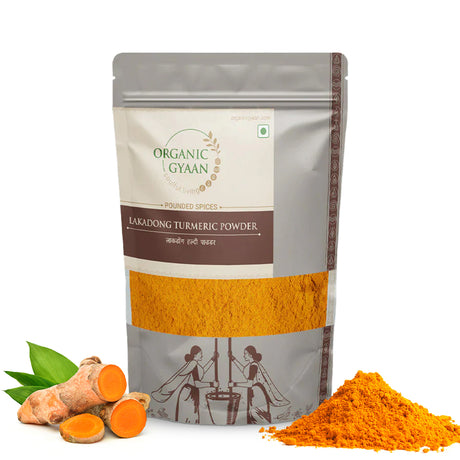
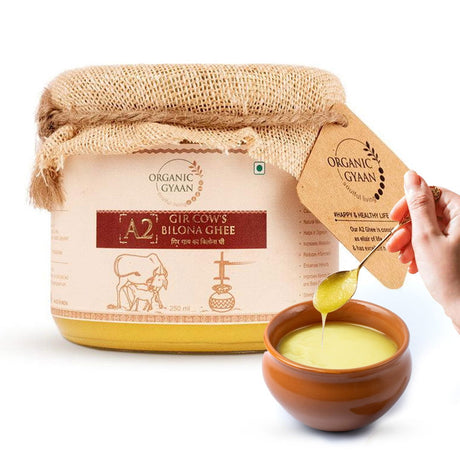
- Sleep well: Poor sleep raises cortisol, which raises blood sugar. Aim for 7-8 hours of quality sleep. A cup of warm turmeric milk with a teaspoon of A2 bilona ghee before bed can help you relax and sleep better.
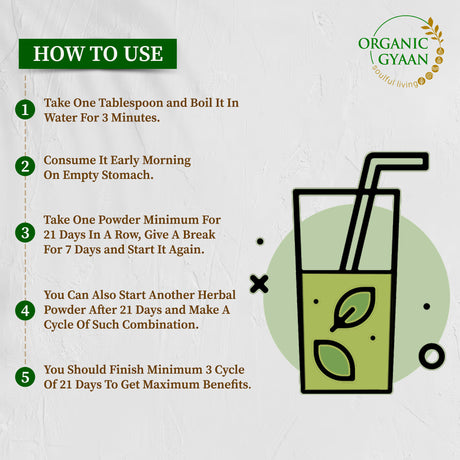
- Take your herbal supplements consistently: The Ayurvedic herbs in Organic Gyaan's Blood Sugar Management Combo work best when taken regularly - every morning on an empty stomach. Small, consistent habits create big changes over time.
What Research Says About Diet and Type 2 Diabetes
Science supports everything in this type 2 diabetes meal plan:
- Journal of Nutrition (2019): High-fibre diets (like millets and legumes) significantly improve glycaemic control in people with Type 2 diabetes.
- Diabetes Care (2020): Short walks after meals cut post-meal blood sugar spikes by up to 30%.
- Nutrition Research (2018): Cinnamon (a common Indian spice) may lower fasting glucose by up to 29%.
- International Journal of Environmental Research and Public Health (2015): Bitter melon (karela) improves insulin sensitivity in people with metabolic issues.
- Journal of Ayurveda and Integrative Medicine (2021): Traditional Ayurvedic herbs including neem, jamun, and moringa show measurable benefits for blood sugar regulation with no serious side effects.
Frequently Asked Questions
1. Can I eat rice if I have Type 2 diabetes?
Yes - but switch from white rice to millet-based alternatives like Kodo millet or Foxtail millet. They have a much lower glycaemic index and keep blood sugar steady. If you want to eat rice occasionally, keep the portion small and always combine it with dal and vegetables.
2. How many meals should a diabetic eat per day?
Ideally 5 small meals a day - breakfast, mid-morning snack, lunch, evening snack, and dinner. This spreads your carbohydrate intake evenly and prevents big blood sugar swings.
3. What is the best morning drink for Type 2 diabetes?
Start your morning with warm water mixed with one teaspoon of Jamun Seed Powder, Karela Powder, or Moringa Powder. These herbs work best on an empty stomach and can help reduce fasting blood sugar over time.
4. Are millets good for diabetics?
Yes - Siridhanya millets (Foxtail, Kodo, Barnyard, Little, Browntop) are among the best foods for a type 2 diabetes meal plan. They are low GI, high fibre, gluten-free, and slow-digesting - everything your blood sugar needs.
5. Can I follow this meal plan along with my diabetes medicines?
Yes. This diabetic diet plan is a natural, food-based approach that complements your medical treatment. Always consult your doctor before making any changes to your medication. Do not stop medicines on your own.
Conclusion
Managing Type 2 diabetes does not have to feel overwhelming. As this seven-day type 2 diabetes meal plan shows, eating well for diabetes means enjoying delicious, wholesome, Indian vegetarian food - not starving yourself or giving up everything you love.
The key takeaways are simple: replace refined grains with Siridhanya millets, fill half your plate with vegetables and dal, take your Ayurvedic herbs from Organic Gyaan every morning, walk after meals, sleep well, and stay consistent.
Every meal you eat is either helping your blood sugar or hurting it. This type 2 diabetes meal plan puts you firmly in control - naturally, gently, and deliciously.
Start with Day 1 today. You do not need to be perfect - you just need to begin. Your body is remarkably smart and will respond to the right food faster than you think.
🌿 Ready to Take Control of Your Blood Sugar Naturally?
Start your journey with Organic Gyaan's Diabetes wellness basket crafted to support your diabetic diet plan naturally every single day.