
One Simple Truth About Type 2 Diabetes That Most People Get Wrong
What if you were told that type 2 diabetes - a condition affecting over 828 million people globally - is not primarily a medication problem, but a food problem? And more importantly: a food solution?
A landmark randomised controlled trial published in BMJ Nutrition, Prevention & Health (2025) demonstrated that a whole-food, plant-based intensive lifestyle intervention not only significantly improved glycaemic control in people with type 2 diabetes, but also reduced or eliminated diabetes medications in a meaningful proportion of participants within just 12 weeks.
The science is clear: the most powerful lever anyone with type 2 diabetes has is what they put on their plate every single day. And yet, most people with this condition receive a vague instruction to "eat healthy" - without any specific, actionable guidance on what that actually means.
This blog changes that.
Here, you will discover:
- The most critical type 2 diabetes diet changes backed by current research
- Which foods to prioritise and which to eliminate for better blood sugar control
- How the diabetic diet plan differs from generic healthy eating advice
- Evidence-based natural foods for diabetes from Ayurvedic and functional nutrition traditions
- Practical, India-specific dietary strategies you can start implementing today
Why Diet Is the Most Powerful Tool in Diabetes Management
Type 2 diabetes develops when cells become resistant to insulin - the hormone responsible for moving glucose from the blood into cells for energy. Over time, the pancreas is overworked trying to compensate, beta-cell function declines, and blood glucose remains chronically elevated.
The good news: insulin resistance is directly influenced by what you eat. Dietary choices affect blood glucose levels, inflammatory pathways, body composition, gut microbiome health, and liver fat accumulation - all central mechanisms of type 2 diabetes.
The American Diabetes Association's 2024 Standards of Care confirm that regardless of macronutrient distribution, the priority should be high-quality, nutrient-dense, fibre-rich carbohydrate sources - vegetables, fruits, legumes, and whole grains - as the foundation of the type 2 diabetes diet. No single "magic" diet exists, but certain evidence-based changes consistently produce results.
Let us examine each one in depth.
Diet Change #1: Replace Refined Carbohydrates with Whole Grains and Millets
This is arguably the single most impactful type 2 diabetes diet change the majority of Indians can make.
White rice, maida (refined flour) rotis, white bread, instant noodles, and packaged biscuits dominate the Indian plate. These refined carbohydrates are rapidly broken down into glucose, causing sharp blood sugar spikes and demanding repeated surges of insulin. Over time, this pattern exhausts pancreatic beta cells and deepens insulin resistance.
Whole grains behave entirely differently. They retain their bran and germ - the outer layers rich in fibre, B vitamins, minerals, and phytochemicals. This fibre slows gastric emptying, moderates glucose absorption, and feeds the beneficial gut bacteria that produce short-chain fatty acids (SCFAs) - compounds that actively improve insulin sensitivity.
A comprehensive systematic review and meta-analysis published in Food Science & Nutrition (2022), covering prospective cohort studies with hundreds of thousands of participants, confirmed that higher whole grain consumption is significantly associated with reduced type 2 diabetes risk - with a clear dose-response relationship, meaning more whole grains equals more protection.
A 2024–2025 umbrella review of over 67 meta-analyses in PMC reinforced this, classifying the evidence linking high whole grain intake with reduced T2D risk as moderate-to-high quality - the strongest classification in nutritional epidemiology.
Practical Swap Guide for the Indian Kitchen
- White rice → Brown rice, red Matta rice, or hand-pounded rice
- Maida roti → Whole wheat, jowar (sorghum), or bajra (pearl millet) roti
- Breakfast idli/dosa from refined batter → Ragi (finger millet) or oats-based versions
- Packaged biscuits → Roasted chana, makhana, or homemade multigrain crackers
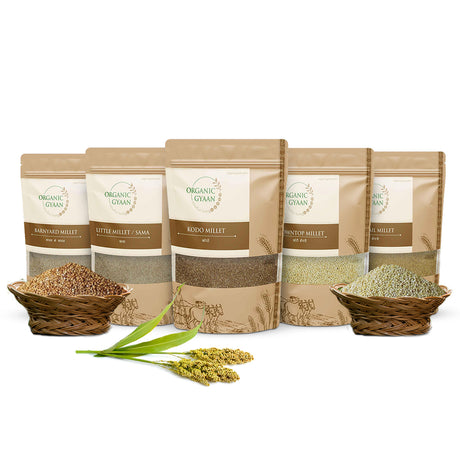
Millets deserve special attention. Jowar, bajra, ragi, and foxtail millet all have a low-to-moderate glycemic index, are rich in magnesium (which supports insulin receptor function), and are powerful natural foods for diabetes that have been central to traditional Indian diets for millennia.
Diet Change #2: Make Legumes and Lentils the Foundation of Every Meal
If whole grains are the new carbohydrate backbone of the diabetic diet plan, legumes are its protein and fibre powerhouse.
Dal, rajma, chana, moong, masoor, urad - these are not just affordable Indian staples. They are among the most glycaemically beneficial foods on the planet for people with type 2 diabetes. Here is why:
Legumes have an exceptionally low glycemic index (typically 10–40, compared to 60–90 for white rice). They are digested slowly, releasing glucose gradually into the bloodstream, avoiding spikes. They are also rich in resistant starch - a type of carbohydrate that acts like soluble fibre, feeding gut bacteria and supporting insulin sensitivity without raising blood sugar.
A 2024 meta-analysis found that regular legume consumption was associated with significantly lower HbA1c levels (a 3-month blood glucose marker) and improved fasting glucose in people with type 2 diabetes.
The ADA's 2024 Standards of Care specifically highlight legumes as one of the key food groups to prioritise in the type 2 diabetes diet, noting their ability to improve glycaemic control, support cardiovascular health, and promote satiety - reducing overall caloric intake without hunger.
Include These Daily
- Moong dal - the most easily digestible lentil; ideal for morning meals
- Chana (chickpeas) - high in protein and resistant starch; excellent for blood sugar
- Rajma (kidney beans) - rich in magnesium, fibre, and plant protein
- Masoor dal - quick-cooking, high in folate and soluble fibre
- Sprouted legumes - sprouting increases nutrient bioavailability and reduces antinutrients
Aim for at least one cup of cooked legumes per day as part of your type 2 diabetes diet changes. Replace half your rice or roti portion with a generous helping of dal or chana.
Diet Change #3: Prioritise Non-Starchy Vegetables and Dramatically Cut Sugar
Non-starchy vegetables - leafy greens, bottle gourd, ridge gourd, bitter gourd, cauliflower, cabbage, tomatoes, cucumber - are uniquely diabetes-friendly. They are low in carbohydrates, high in fibre, loaded with antioxidants and micronutrients, and have a negligible glycemic impact. They bulk up meals, promote satiety, and reduce the overall glycemic load of what you eat.
Research published in Advances in Nutrition (2024) confirmed that plant-based dietary patterns rich in vegetables, legumes, and whole grains are associated with significantly improved glycaemic control and reduced diabetes medication requirements in people with type 2 diabetes.
Bitter gourd (karela) deserves special mention. It contains charantin, vicine, and polypeptide-p - plant compounds that mimic insulin's action and support cellular glucose uptake. Multiple studies have demonstrated karela's ability to lower fasting and post-meal blood glucose in people with T2D.
Simultaneously, cutting added sugars is non-negotiable. This includes:
- Table sugar, jaggery, and honey in excess
- Sugar-sweetened beverages: sodas, packaged fruit juices, flavoured milks
- Sweets, mithai, and desserts with refined sugar and maida
- Packaged foods with "hidden" sugars (tomato ketchup, flavoured yogurts, salad dressings)
Even naturally sweet foods like fruit should be consumed strategically - choosing low-glycemic fruits like guava, papaya (in moderation), jamun (black plum), amla, and berries over high-sugar fruits like bananas, mangoes, and grapes.
Jamun seeds and amla are two particularly powerful natural foods for diabetes. Jamun seed powder has been shown to regulate insulin levels and reduce glucosuria (excess glucose in urine). Amla, rich in Vitamin C and chromium, supports pancreatic function and improves insulin sensitivity.
Diet Change #4: Adopt Healthy Fats and Eliminate Harmful Ones
Not all fats affect diabetes equally. This is one of the most misunderstood aspects of the diabetic diet plan.
Fats to embrace:
- Nuts and seeds - almonds, walnuts, flaxseeds (alsi), chia seeds, and pumpkin seeds are rich in omega-3 fatty acids, magnesium, and fibre, all of which support insulin sensitivity
- Cold-pressed oils in moderation - mustard oil, sesame oil, or groundnut oil used sparingly for cooking
- Avocado and coconut in moderation - providing monounsaturated fats and medium-chain triglycerides
Research shows that omega-3 fatty acids (particularly from organic flaxseeds) reduce systemic inflammation - a key driver of insulin resistance. A 2024 study confirmed that daily flaxseed consumption modestly but significantly reduced fasting blood glucose and HbA1c in people with type 2 diabetes.
Fats to eliminate:
- Vanaspati (hydrogenated vegetable fat) - the most common source of industrial trans fat in the Indian diet; found in mithai, fried snacks, and commercial baked goods
- Refined vegetable oils - soybean oil, sunflower oil, and cottonseed oil in excess promote inflammation
- Deep-fried foods of any kind
The 2025 Physicians Committee research found that diets emphasising unhealthy fats and low whole grain intake were linked to a 39% higher risk of developing type 2 diabetes - and that reducing fat accumulation inside muscle and liver cells is one of the primary mechanisms by which plant-based diets improve insulin function.
Diet Change #5: Use Therapeutic Spices and Herbal Foods Every Day
This is where traditional Indian dietary wisdom and modern nutritional science converge beautifully. Several everyday spices and herbs have robust evidence supporting their role in blood sugar regulation - making them powerful complements to the type 2 diabetes diet.
1. Fenugreek (Methi)
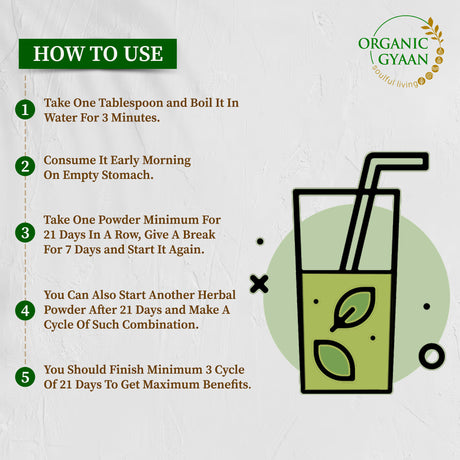
Fenugreek seeds are among the most extensively researched natural foods for diabetes. They contain galactomannan - a soluble fibre that slows carbohydrate digestion and glucose absorption - along with trigonelline, an alkaloid that improves insulin secretion. Soaking one to two tablespoons overnight and drinking the water on an empty stomach in the morning is a time-tested Ayurvedic practice now validated by multiple clinical studies.
2. Turmeric (Haldi) with Black Pepper
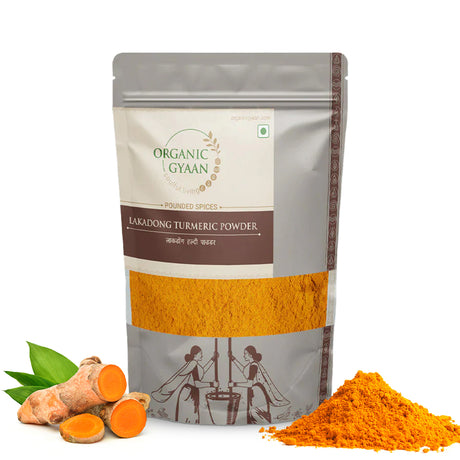
Curcumin - turmeric's active compound - suppresses NF-κB inflammatory pathways, reduces hepatic glucose production, and has been shown in multiple trials to lower HbA1c and improve insulin receptor sensitivity in prediabetes and early T2D. Black pepper's piperine increases curcumin absorption by up to 2,000%.
3. Cinnamon (Dalchini)
A 2024 systematic review confirmed that daily cinnamon supplementation significantly reduces fasting blood glucose and HOMA-IR (insulin resistance index). As little as half a teaspoon added to morning chai or porridge can provide meaningful benefit over time.
4. Gymnema Sylvestre (Gudmar)
Known in Ayurveda as the "sugar destroyer," gudmar has been shown to reduce sugar cravings, improve insulin secretion, and support pancreatic beta-cell regeneration in animal and human studies.
5. Amla (Indian Gooseberry)
Amla's high chromium content supports carbohydrate metabolism and insulin sensitivity. Its exceptional Vitamin C content (20 times higher than orange) combats oxidative stress - a key contributor to diabetes complications.
A Sample Day on a Type 2 Diabetes–Friendly Indian Diet
Here is a practical, plant-based, diabetes-friendly meal plan that incorporates all five diet changes:
Early Morning (6:30–7:00 AM) Fenugreek seed water (1 tbsp seeds soaked overnight), followed by 1 tsp amla powder in warm water
Breakfast (8:00–8:30 AM) Ragi or jowar dosa with sambar (dal + vegetables) | OR oats/barley porridge with a handful of soaked almonds
Mid-Morning (11:00 AM) Small bowl of sprouted moong chaat with lemon and cumin | OR a handful of mixed nuts and seeds
Lunch (1:00–1:30 PM) 1 jowar/bajra roti + 1 cup dal (any variety) + a generous serving of cooked sabzi (non-starchy vegetables) + salad with raw cucumber, tomato, and carrot
Evening Snack (4:00–4:30 PM) Roasted chana or makhana | OR cinnamon-turmeric herbal tea with a few walnuts
Dinner (7:00–7:30 PM) 1 cup brown rice or 1 whole wheat roti + rajma/chana curry + bitter gourd sabzi + buttermilk (thin, unsweetened)
Before Bed Warm water with a pinch of turmeric and black pepper
7 Actionable Tips to Make These Diet Changes Stick
- Start with one swap per week. Replace white rice with brown rice in one meal per day for the first week. The following week, add a legume to every meal. Small, consistent changes build lasting habits.
- Cook in bulk. Soak and cook a large batch of chana or rajma twice a week. Store in the fridge for ready-to-use protein in any meal.
- Use the half-plate rule. Fill half your plate with non-starchy vegetables before adding carbohydrates. This single strategy can reduce post-meal glucose spikes by 20–30%.
- Eat in the right order. Research confirms that eating fibre and vegetables before carbohydrates significantly blunts post-meal blood sugar spikes. Start every meal with salad or dal before reaching for the roti or rice.
- Soak your morning fenugreek seeds tonight. Place 1 tablespoon of organic fenugreek seeds in a glass of water before bed. Drink the water and eat the seeds first thing in the morning on an empty stomach.
- Walk after every meal. Just 10 minutes of gentle walking after eating can reduce post-meal blood glucose by up to 22%, independent of diet.
- Track your meals for one week. Use a simple notebook or app. Awareness of what you eat is often the first and most powerful step toward meaningful change.
Conclusion
Type 2 diabetes is not a life sentence. The science is unambiguous: the type 2 diabetes diet changes outlined in this guide - shifting to whole grains and millets, building every meal around legumes, prioritising non-starchy vegetables, choosing healthy fats, and incorporating therapeutic natural foods - can meaningfully lower blood sugar, reduce HbA1c, improve insulin sensitivity, and in many cases reduce the need for medication over time.
The key takeaways from this blog:
- Replace refined carbohydrates with whole grains, millets, and barley as the backbone of your type 2 diabetes diet
- Make legumes the primary protein and fibre source in every meal of your diabetic diet plan
- Fill half your plate with non-starchy vegetables and eliminate added sugars
- Choose healthy fats from nuts, seeds, and flaxseeds; eliminate vanaspati and trans fats
- Use therapeutic natural foods for diabetes - fenugreek, turmeric, amla, cinnamon, bitter gourd, jamun - every single day
- Start with small, consistent changes and build toward a whole-food, plant-predominant dietary pattern
Your body has a remarkable capacity to heal when it is given the right raw materials. The right food is the most accessible, affordable, and powerful tool you have.