
Your blood sugar is changing right now. Not because something is wrong - but because it changes constantly. Every single hour of every day, your glucose levels rise and fall in response to what you eat, how you move, how stressed you are, and even how well you slept last night.
For most people, this process happens automatically and invisibly. The body manages it beautifully. But for the millions of people living with diabetes or prediabetes, managing glucose levels becomes a conscious, daily discipline - one that directly determines the quality of health, the risk of complications, and the energy available for living a full life.
Here is a number that gives this context: since researchers established the direct causal relationship between blood glucose levels and diabetes complications, glycaemic control has become the cornerstone of diabetes metabolic management. A recent Frontiers in Endocrinology (2025) editorial confirmed that the degree to which blood glucose is kept stable and within range is the single strongest predictor of long-term diabetes outcomes - more than any individual medication, diet, or lifestyle factor alone.
In this guide, you will learn everything important about managing glucose levels - what normal ranges look like, the most effective tools and strategies, what moves glucose up and down, how to use modern monitoring technology wisely, and how Ayurvedic herbal products can support stable glucose every single day - naturally and sustainably.
What Is Blood Glucose and Why Does It Matter?
Glucose is the primary fuel your body runs on. It comes from the food you eat - particularly carbohydrates - and circulates in your bloodstream, ready to be used by your brain, muscles, and every other organ in your body.
In a healthy body, managing glucose levels is automatic. You eat, blood sugar rises, insulin is released from the pancreas, glucose enters the cells, blood sugar returns to baseline. This cycle repeats dozens of times a day without any conscious thought.
In diabetes, this self-regulating system breaks down. Either the pancreas cannot produce enough insulin (Type 1), the cells have become resistant to insulin's signal (Type 2), or both. The result is blood glucose that stays elevated - and elevated blood glucose, sustained over months and years, damages blood vessels and nerves throughout the body.
This is why blood glucose management is not a cosmetic concern. It is the mechanism by which diabetes complications - retinopathy, nephropathy, neuropathy, cardiovascular disease - develop or are prevented. Every percentage point improvement in HbA1c, every additional hour of stable blood sugar within the healthy range, translates directly into reduced complication risk and better long-term health.
Understanding Your Glucose Numbers
Before you can manage something, you need to understand what you are measuring. Here are the key glucose metrics and what they mean:
Fasting Blood Glucose - Your blood sugar after at least 8 hours without eating. This reflects your baseline metabolic state.
- Normal: Below 100 mg/dL (5.6 mmol/L)
- Prediabetes: 100–125 mg/dL
- Diabetes: 126 mg/dL or above (confirmed on two occasions)
Post-Meal Blood Glucose - Measured 1 to 2 hours after eating. This reflects how your body handles glucose from food.
- Normal: Below 140 mg/dL (7.8 mmol/L) at 2 hours
- Diabetes target (ADA): Below 180 mg/dL at 1 to 2 hours after meals
HbA1c - Your average blood glucose over the past 2 to 3 months.
- Normal: Below 5.7%
- Prediabetes: 5.7%–6.4%
- Diabetes: 6.5% or above
- Target for most adults with diabetes: Below 7%
Time in Range (TIR) - A newer and increasingly important metric, particularly for those using a CGM (continuous glucose monitor). It measures what percentage of the day blood glucose stays within the target range of 70–180 mg/dL. Studies report consistent glycosylated hemoglobin reductions of 0.25%–3.0% and notable time in range improvements of 15%–34% when people use CGM to manage their blood sugar. The ADA recommends a target of at least 70% time in range for most people with diabetes — meaning at least 17 out of every 24 hours spent within the healthy range.
What Raises Blood Glucose?
Understanding what pushes glucose up is the foundation of effective blood glucose management. Here are the main drivers:
Refined carbohydrates and sugary foods - White rice, maida, white bread, sugary drinks, biscuits, and packaged snacks all break down rapidly into glucose, causing sharp post-meal spikes. These are the dietary factors with the most direct, immediate impact on blood glucose levels.
Physical inactivity - Muscles are one of the primary sites of glucose uptake. When you are sedentary, muscles absorb less glucose, and blood sugar stays elevated longer after meals.
Stress - Chronic or acute stress triggers cortisol and adrenaline release - both of which raise blood glucose. Stress-driven glucose spikes are one of the most common hidden causes of unexplained high readings.
Poor sleep - Sleep deprivation raises cortisol, worsens insulin resistance, and increases appetite hormones. A 2025 PMC study confirmed that poor sleep quality is directly associated with significantly higher fasting glucose, higher HbA1c, and higher insulin resistance scores.
Illness and infection - The body's inflammatory stress response to illness raises blood glucose - sometimes dramatically. This is why blood sugar is often harder to control when you are unwell.
Skipping medications or insulin - Missing doses allows blood glucose to rise without the corrective mechanism that medications provide.
What Lowers Blood Glucose?
Exercise - Physical activity is one of the most powerful tools for managing glucose levels. During exercise, muscles absorb glucose without needing insulin - directly and immediately reducing blood sugar. Even a 15-minute walk after meals meaningfully reduces post-meal glucose spikes.
Dietary fibre - Soluble fibre slows carbohydrate digestion and glucose absorption, flattening the post-meal blood sugar curve. Foods rich in fibre - vegetables, legumes, whole grains, and seeds - are central to any effective glucose management plan.
Hydration - Adequate water intake supports kidney function in filtering and excreting excess glucose. Dehydration concentrates blood glucose - making hydration a simple, often overlooked glucose management tool.
Quality sleep - Consistent 7 to 8 hours of quality sleep improves insulin sensitivity and reduces cortisol - directly supporting more stable fasting blood glucose.
Stress management - Reducing cortisol through yoga, meditation, breathing exercises, or adaptogenic herbs lowers the stress-driven glucose elevation that many people experience.
Medications and insulin - Prescribed diabetes medications directly lower blood glucose through specific pharmacological mechanisms.
Ayurvedic herbs - Several natural herbs improve insulin sensitivity, slow glucose absorption, and reduce the inflammation that impairs glucose level management - naturally and sustainably.
Modern Tools for Managing Glucose Levels
The technology available for managing glucose levels has transformed dramatically in recent years - and understanding these tools helps you use them effectively.
1. Blood Glucose Meters (BGM)
Traditional finger-prick glucose meters remain widely used and highly valuable for blood glucose management. They provide accurate, real-time readings at specific moments - fasting, post-meal, before driving, before exercise. Checking at consistent, meaningful times gives you the feedback needed to understand how specific foods, activities, and habits affect your glucose.
2. Continuous Glucose Monitors (CGM)
CGM devices are the biggest technological revolution in diabetes care of the past decade. CGM devices measure interstitial fluid glucose concentrations at regular intervals, typically every 1 to 5 minutes, via a subcutaneously placed sensor, providing trend information on the direction and rate of glucose change that is not available with intermittent point-of-care testing.
CGM provides immediate, personalised feedback on how specific foods and dietary components - carbohydrate type, fibre content, fat, protein ratio, serving size, food order - affect blood glucose. One person's "healthy" meal can cause another person's glucose to spike significantly.
In 2024, the US FDA approved specific CGMs for use without a prescription in individuals with or without diabetes - making this technology more accessible than ever.
A 2025 meta-analysis published in the European Journal of Medical Research - encompassing 23 studies and 1,074 participants - found that CGM use in non-diabetic populations was associated with meaningful improvements in glycaemic control, dietary behaviour, and physical activity adherence. The real-time visibility of blood sugar responses to food and lifestyle choices creates the feedback loop that drives behaviour change.
3. HbA1c Testing
Every 3 months, an HbA1c blood test gives the "big picture" of your blood sugar management over the past 90 days. This test is the primary metric your doctor uses to assess how well your overall glucose level management is working and whether treatment adjustments are needed.
9 Practical Strategies for Better Glucose Management Every Day
Strategy 1 - Switch from refined grains to Siridhanya Millets
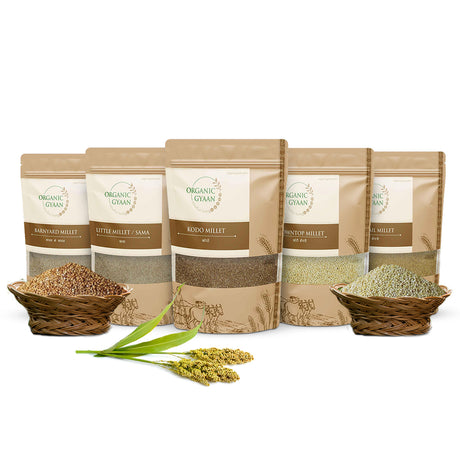
This is the single most impactful daily dietary change for managing glucose levels. Replacing white rice and maida with foxtail, barnyard, little, kodo, or browntop millets replaces rapid glucose spikes with slow, steady energy release - keeping post-meal readings in a healthy range automatically.
Strategy 2 - Eat vegetables first at every meal
Starting your meal with non-starchy vegetables - spinach, broccoli, capsicum, cucumber, bitter gourd - adds fibre that slows the absorption of glucose from everything else you eat. Research consistently shows this simple food sequencing reduces post-meal glucose peaks measurably.
Strategy 3 - Walk for 15 minutes after every main meal
A gentle 10 to 15-minute walk after eating is one of the most reliably effective post-meal glucose management strategies available. Muscles absorb glucose actively during movement - bringing blood sugar back toward the healthy range faster than simply sitting.
Strategy 4 - Pair every carbohydrate with fibre and protein
Dal with millet rice. Curd with vegetables. A handful of nuts alongside fruit. Pairing carbohydrates with fibre and protein slows digestion and blunts the glucose response - making blood glucose management more forgiving at every meal.
Strategy 5 - Stay consistently hydrated
Drink 8 to 10 glasses of plain water daily. Replace sugary drinks, fruit juices, and sweet chai with water, jeera water, or the Ayurvedic herbal drinks below. Liquid sugar is one of the fastest routes to blood glucose elevation.
Strategy 6 - Test at consistent, meaningful times
Fasting blood glucose every morning and post-meal glucose 2 hours after main meals gives you the most actionable data for glucose management. Testing consistently at the same times allows you to identify patterns rather than reacting to isolated readings.
Strategy 7 - Prioritise sleep
7 to 8 hours of consistent, quality sleep is not optional for managing glucose levels - it is a metabolic necessity. Poor sleep raises cortisol and worsens insulin resistance, undermining even the best dietary and medication management.
Strategy 8 - Manage stress with daily practice
Yoga, breathing exercises, meditation, or a simple 20-minute walk in nature - choose what works for you and do it consistently. Cortisol is a blood sugar enemy. Reducing it daily is genuine glucose management medicine.
Strategy 9 - Add Ayurvedic herbal blood sugar support
Several natural herbs directly improve insulin sensitivity, slow glucose absorption, reduce inflammation, and support stable blood glucose - from the inside out, every single day.
Ayurvedic Herbal Support for Daily Glucose Management
The most powerful natural approach to managing glucose levels addresses insulin sensitivity, post-meal glucose absorption, systemic inflammation, and stress - all simultaneously.
1. Karela Powder (Bitter Gourd)
Karela is Ayurveda's most researched herb for blood glucose management. Its natural compounds - charantin and polypeptide-p - improve how cells respond to insulin, directly supporting lower fasting and post-meal glucose. Half a teaspoon in warm water every morning before breakfast - the foundational daily blood sugar habit. Consistent use supports the kind of sustained glucose reduction that shows up in HbA1c improvements over months.
2. Jamun Seed Powder
Jamun seed powder's jamboline and jambosine compounds slow post-meal glucose absorption - reducing the peaks that push blood sugar above the healthy range after meals. Stir into warm water each morning for gentle, daily glucose protection that builds over time.
3. Fenugreek Seeds (Methi)
Fenugreek's galactomannan fibre is one of the most consistently studied natural interventions for glucose level management. It slows carbohydrate digestion, reduces post-meal glucose peaks, and supports HbA1c reduction over time. Soak overnight and drink with the soaking water in the morning - one of the simplest and most evidence-backed daily glucose management rituals.
4. Giloy Powder
Chronic inflammation worsens insulin resistance - making cells less responsive to insulin and pushing blood glucose higher. Giloy's potent anti-inflammatory and immunomodulatory properties directly address this, helping insulin work more effectively and supporting stable blood glucose management over time.
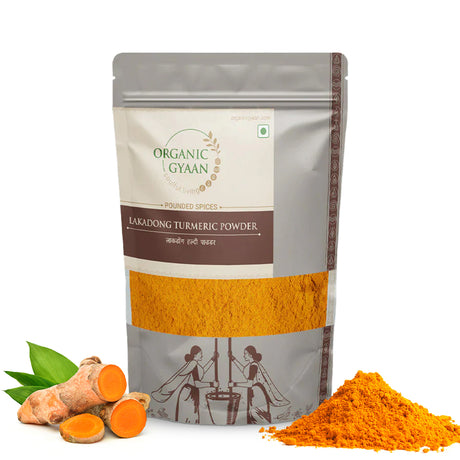
5. Turmeric Powder (Haldi)
Curcumin's anti-inflammatory and antioxidant properties reduce the systemic inflammation that impairs insulin receptor function. Daily turmeric - a pinch in warm milk at night, in dal, or in herbal tea - is one of the most gentle and cumulative glucose protection habits available through Ayurveda.
6. Ashwagandha Powder
Stress is one of the most underappreciated drivers of elevated blood glucose - and Ashwagandha is Ayurveda's most potent solution. It reduces cortisol, improves sleep quality, and supports insulin sensitivity from the stress-management angle that medications and diet alone cannot reach. Take in warm milk before bed every night for sleep, stress, and glucose management simultaneously.
7. Neem Powder
Neem improves cellular insulin sensitivity and supports blood purification - helping the body use insulin more efficiently and reducing the metabolic burden that drives blood glucose elevation. A daily neem supplement supports the clean, efficient metabolic environment that makes managing glucose levels genuinely easier.
8. Cinnamon Powder (Dalchini)
Cinnamon has well-documented insulin-sensitising properties - improving insulin receptor activity and reducing fasting blood glucose. A pinch in morning tea, warm water, or millet porridge is one of the simplest, most enjoyable daily habits for glucose management. The flavour is naturally warming and slightly sweet - making it the most pleasant of all the blood sugar herbs.
9. Siridhanya Millets (Positive Millets)
These low-glycaemic, high-fibre grains are the most important daily dietary foundation for blood glucose management. Foxtail, barnyard, little, kodo, and browntop millets release glucose slowly and steadily - creating the flat, predictable post-meal blood sugar curves that make everything else in your glucose management plan work better.
Please note: These herbs support blood glucose management alongside medical care - not instead of it. Always consult your doctor before adding new supplements, especially if you are on diabetes medication, as some herbs can affect glucose levels and may require dose adjustments.
Conclusion
Since the establishment of the causal relationship between blood glucose levels and diabetes complications, glycaemic control has become a cornerstone of diabetes metabolic management. This is not overstating it. The way you manage your glucose - every meal, every day - determines more about your long-term health outcomes than almost any other single factor in diabetes care.
The good news is that managing glucose levels effectively does not require perfection. It requires consistency. Consistent choices - Siridhanya Millets instead of refined grains, a walk after meals, Karela water in the morning, Ashwagandha at night, stress management daily, consistent sleep - these are not dramatic interventions. They are the kind of small, sustainable, enjoyable daily habits that compound into genuine, measurable metabolic improvement over months and years.
Use the right monitoring tools - a glucometer for daily readings, HbA1c every 3 months, CGM if available and appropriate. Use the right dietary foundation. Use the right natural herbal support and work consistently with your healthcare team.
Glucose management is not a destination. It is a daily practice. And with the right tools, the right knowledge, and the right natural support, it is a practice that gets easier, more instinctive, and more rewarding over time.