
What if the most powerful tool for lowering your A1C was sitting right in your kitchen - not in a pharmacy?
Your A1C - or HbA1c - is the single most important number in long-term diabetes management. It reflects your average blood sugar over the past two to three months and is the primary measure doctors use to assess how well diabetes is being controlled. A high A1C means sustained blood sugar elevation - and sustained elevation means accelerating damage to your blood vessels, nerves, kidneys, and eyes.
Here is the good news: what you eat every day has a direct, measurable impact on your A1C. A 2023 review found that dietary fibre intake - through legumes, whole grains, and vegetables - significantly reduces A1C and post-meal blood sugar levels over time. The long-term consumption of legumes alone, at the rate of about 5 cups weekly, has been shown to lead to significant reductions in A1C. And switching from refined to low-glycaemic grains reduces both fasting glucose and post-meal peaks - the two components that drive your A1C higher.
In this blog, you will find 8 delicious, 100% vegetarian recipes to lower A1C - all built on the most evidence-backed ingredients for blood sugar management. Each recipe incorporates Ayurvedic herbs and natural products transforming everyday meals into genuine food to lower A1C that is as nourishing as it is flavourful.
What Makes a Recipe Good for Lowering A1C?
Before the recipes, here is the simple nutrition science behind what makes certain foods genuinely powerful as recipes to lower blood sugar:
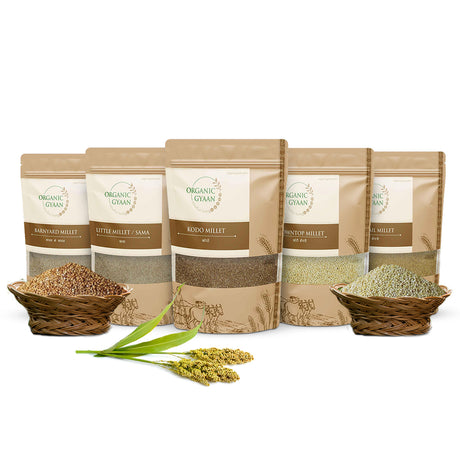
Low glycaemic index (GI): Foods with a low GI release glucose slowly, preventing the sharp post-meal spikes that accumulate over months into a higher A1C. Siridhanya Millets, legumes, most vegetables, and certain fruits all have a low GI.
High dietary fibre: Soluble fibre slows carbohydrate digestion and glucose absorption - flattening the post-meal curve. Studies found that taking roughly 13 grams per day of viscous fibre can help decrease A1C levels. Legumes, vegetables, seeds, and whole grains are your best fibre sources.
Plant-based protein: Protein slows glucose absorption when eaten alongside carbohydrates. Dal, paneer, tofu, legumes, and curd all provide this effect.
Anti-inflammatory spices: Turmeric, cinnamon, ginger, fenugreek, and coriander all have documented anti-inflammatory and blood-sugar-supporting properties that directly contribute to lower A1C over time.
Recipe 1: Siridhanya Millet Khichdi with Turmeric and Vegetables
Why it lowers A1C: This is the ultimate food to lower A1C - a one-pot meal combining the low-glycaemic energy release of Siridhanya Millets with the blood-stabilising protein of moong dal, and the anti-inflammatory power of turmeric. The entire dish has a low glycaemic load and is rich in fibre and plant protein.
Ingredients (serves 2):
- 1 cup foxtail millet or kodo millet
- ½ cup yellow moong dal (rinsed)
- 1 cup chopped vegetables - bottle gourd, carrot, peas
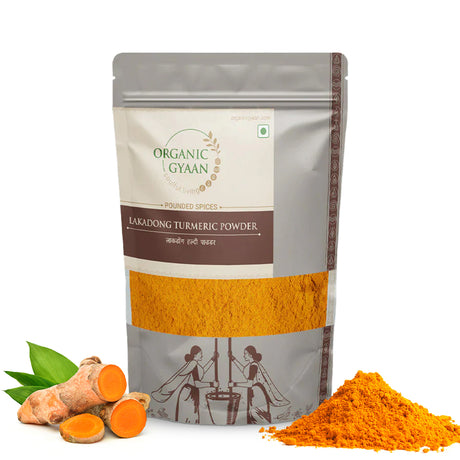
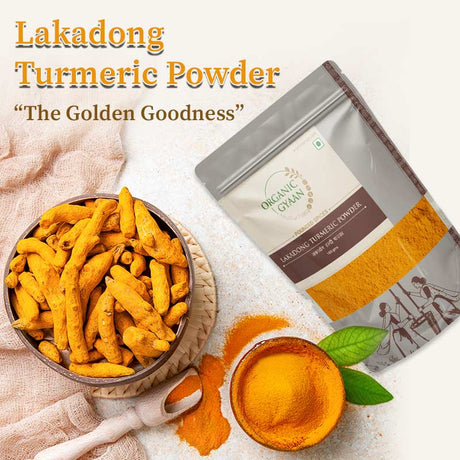
- 1 tsp turmeric powder
- 1 tsp cumin seeds
- ½ tsp ginger (freshly grated)
- 1 tsp ghee
- Salt to taste
- 2.5 cups water
Method:
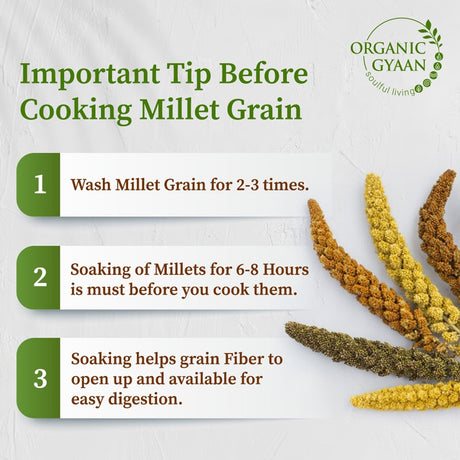
- Rinse millet and dal together thoroughly. Soak for 20 minutes.
- Heat ghee in a pressure cooker. Add cumin seeds and grated ginger - sauté 30 seconds.
- Add vegetables and sauté for 2 minutes.
- Add millet, dal, turmeric, salt, and water.
- Pressure cook for 3 whistles on medium heat.
- Serve hot. Garnish with fresh coriander.
Blood sugar benefit: Siridhanya Millets release glucose slowly - avoiding the post-meal spike that refined rice creates. Moong dal adds slow-digesting protein. Turmeric reduces the inflammation driving insulin resistance. This is genuinely among the best recipes to lower A1C for everyday Indian cooking.
Recipe 2: Karela (Bitter Gourd) Stir Fry with Cumin and Coriander
Why it lowers A1C: Karela is Ayurveda's most researched herb for blood sugar reduction. Its compounds charantin and polypeptide-p directly improve insulin sensitivity and reduce fasting glucose. Eating karela regularly is one of the most evidence-backed dietary habits for supporting lower A1C.
Ingredients (serves 2):
- 2 medium karela (bitter gourds), sliced thin
- ½ tsp turmeric powder
- 1 tsp cumin seeds
- 1 tsp coriander powder
- ½ tsp Karela Powder (optional - for extra blood sugar benefit)
- 1 tsp mustard oil or coconut oil
- Salt and lemon juice to taste
Method:
- Slice karela thinly and soak in salted water for 15 minutes to reduce bitterness.
- Drain and squeeze out excess water.
- Heat oil in a pan. Add cumin seeds.
- Add karela, turmeric, coriander powder, and salt.
- Cook on medium-low heat for 12 to 15 minutes, stirring occasionally, until the karela is lightly crisp.
- Finish with a squeeze of lemon juice and a pinch of Karela Powder for concentrated benefit.
Blood sugar benefit: Karela consumed regularly has been shown to reduce both fasting and post-meal blood glucose. Paired with the anti-inflammatory benefits of turmeric and coriander, this is a powerful addition to any food to lower A1C plan.
Recipe 3: Methi (Fenugreek) Dal with Barnyard Millet Roti
Why it lowers A1C: Fenugreek contains 4-hydroxyisoleucine - an amino acid that stimulates the pancreas to release insulin -and galactomannan fibre that slows carbohydrate digestion. A 2023 review confirmed that fenugreek significantly reduces A1C and post-meal blood sugar levels. Combined with barnyard millet roti (low GI, high fibre), this meal is a diabetes nutrition powerhouse.
Ingredients for Methi Dal (serves 2):
- 1 cup masoor dal (red lentils)
- 1 cup fresh methi (fenugreek) leaves, chopped
- 1 tsp Organic Gyaan Fenugreek Seeds (lightly crushed)
- ½ tsp turmeric
- 1 tsp cumin seeds
- 1 tsp ghee
- Salt and lemon to taste
For Barnyard Millet Roti:
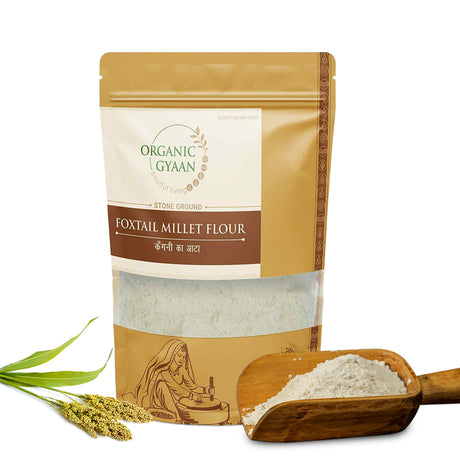
- 1 cup barnyard millet flour
- Warm water to knead
- Pinch of salt
Method (Dal):
- Cook masoor dal until soft. Add chopped methi leaves and cook 5 more minutes.
- In a small pan, heat ghee. Add cumin and crushed fenugreek seeds.
- Add turmeric and pour tempering over the dal.
- Finish with lemon juice and salt.
Method (Roti):
- Knead barnyard millet flour with warm water and salt into a soft dough.
- Roll into thin rotis and cook on a hot tawa until lightly golden on both sides.
Blood sugar benefit: The fenugreek in both the dal and the roti's millet base creates a double blood-sugar-managing meal. This combination is one of the most practical recipes to lower A1C for daily use.
Recipe 4: Jamun Amla Morning Smoothie
Why it lowers A1C: This no-cook, no-heat morning drink combines two of Ayurveda's most powerful blood sugar herbs - Jamun and Amla - in a genuinely delicious, refreshing form. Jamun seed powder slows post-meal glucose absorption. Amla provides Vitamin C and antioxidants that protect beta cells from oxidative damage. Together, they support stable blood sugar from the first drink of the day.
Ingredients (serves 1):
- 1 tsp Jamun Seed Powder
- 1 tsp Amla Powder
- ½ cup guava (fresh, peeled and seeded)
- 1 cup plain cold water or unsweetened coconut water
- A few fresh mint leaves
- ½ tsp lemon juice
- Small piece of fresh ginger (optional)
Method:
- Blend all ingredients together until smooth.
- Pour into a glass and drink immediately - do not store.
- Can be taken 20 to 30 minutes before breakfast for maximum blood sugar benefit.
Blood sugar benefit: The consumption of two fruits per day over a 3-month period contributes to A1C reductions - and guava is particularly low-GI with high Vitamin C content. Combined with Jamun Seed Powder and Amla Powder , this smoothie is one of the most targeted recipes to lower blood sugar in the morning routine.
Recipe 5: Moong Dal and Spinach Soup with Turmeric and Ginger
Why it lowers A1C: Leafy green vegetables are strongly recommended as an A1C lowering dietary strategy with plenty of evidence that the inclusion of leafy greens plays a meaningful role in diabetes management. Spinach combined with protein-rich moong dal and anti-inflammatory turmeric and ginger creates a nourishing, blood-sugar-stabilising soup.
Ingredients (serves 2):
- ¾ cup split moong dal
- 2 cups fresh spinach, roughly chopped
- 1 tsp Turmeric Powder
- 1 tsp freshly grated ginger
- ½ tsp cumin seeds
- 1 tsp ghee or cold-pressed mustard oil
- Salt and lemon juice to taste
- 3 cups water
Method:
- Rinse moong dal and cook in water until completely soft and soupy (about 20 minutes).
- Add spinach and cook for 3 more minutes until wilted.
- In a small pan, heat ghee. Add cumin and ginger. Sauté 30 seconds.
- Add turmeric, stir, and pour tempering into the dal.
- Blend lightly for a smooth soup or leave chunky for texture.
- Finish with lemon juice and salt.
Blood sugar benefit: Moong dal has one of the lowest glycaemic indices of all lentils. Spinach provides magnesium - a mineral essential for insulin function that is frequently deficient in people with Type 2 diabetes. Ginger and turmeric reduce the inflammation driving insulin resistance. Genuinely one of the best food to lower A1C combinations in a single bowl.
Recipe 6: Cinnamon Overnight Foxtail Millet Porridge
Why it lowers A1C: Cinnamon has well-documented insulin-sensitising properties - improving insulin receptor activity and reducing fasting blood glucose. Foxtail millet is one of the lowest GI grains available. This overnight preparation creates a ready-to-eat breakfast that requires zero morning effort and delivers blood-sugar-managing benefits from the first meal of the day.
Ingredients (serves 1):
- ½ cup foxtail millet
- 1 cup plain unsweetened curd (yoghurt)
- 1 tsp Cinnamon Powder
- 1 tbsp flaxseeds or chia seeds
- 1 tbsp crushed walnuts or almonds
- ½ small guava or pear, diced
- A pinch of cardamom
Method:
- Cook foxtail millet in 1 cup water until soft. Allow to cool completely.
- Mix cooled millet with curd, cinnamon, cardamom, and flaxseeds.
- Transfer to a jar or bowl, cover, and refrigerate overnight.
- In the morning, top with crushed walnuts and diced fruit.
- Eat cold or at room temperature.
Blood sugar benefit: The combination of cinnamon's insulin-sensitising effect, foxtail millet's low GI, curd's probiotic content, and flaxseeds' omega-3 fatty acids creates a breakfast that works across multiple A1C-lowering mechanisms simultaneously. This is one of the most practical recipes to lower blood sugar at breakfast.
Recipe 7: Rajma (Kidney Bean) and Vegetable Curry with Kodo Millet Rice
Why it lowers A1C: Legumes are by far the richest source of dietary soluble fibre with very strong positive effects on blood sugar management. Regular legume consumption at 5 cups weekly leads to significant A1C reductions. Kidney beans (rajma) are particularly rich in soluble fibre and resistant starch. Kodo millet rice replaces the high-GI white rice that spikes blood sugar after conventional rajma meals.
Ingredients for Rajma Curry (serves 2):
- 1 cup cooked rajma (kidney beans - soaked overnight and pressure cooked)
- 1 cup tomatoes, pureed
- ½ cup capsicum, chopped
- 1 tsp Turmeric Powder
- 1 tsp cumin
- ½ tsp coriander powder
- 1 tsp freshly grated ginger
- 1 tsp ghee
- Salt to taste
- Fresh coriander to garnish
For Kodo Millet Rice:
- 1 cup kodo millet
- 2 cups water
- Pinch of salt
Method (Millet Rice):
- Rinse kodo millet. Cook in 2 cups salted water for 20 minutes or until water is absorbed. Fluff with a fork.
Method (Rajma Curry):
- Heat ghee in a pan. Add cumin and ginger. Sauté 30 seconds.
- Add tomato puree and cook for 5 minutes.
- Add turmeric, coriander powder, and capsicum. Cook 3 more minutes.
- Add cooked rajma and ½ cup water. Simmer for 10 minutes.
- Garnish with fresh coriander. Serve with kodo millet rice.
Blood sugar benefit: Rajma-kodo millet is one of the most complete and satisfying recipes to lower A1C for a main meal. The combination delivers fibre, resistant starch, plant protein, and a low GI grain base - covering every major dietary strategy for blood sugar reduction in a single meal.
Recipe 8: Golden Turmeric Milk with Ashwagandha and Cinnamon
Why it lowers A1C: This is the most important evening habit in any A1C management plan. Poor sleep raises cortisol, worsens insulin resistance, and elevates HbA1c. Ashwagandha reduces cortisol and improves sleep quality. Turmeric reduces the inflammation driving insulin resistance. Cinnamon improves insulin receptor sensitivity. Together, this is the most concentrated food to lower A1C drink available through Ayurvedic tradition.
Ingredients (serves 1):
- 1 cup warm plant milk (oat, almond, or rice milk) or low-fat dairy milk
- ½ tsp Turmeric Powder
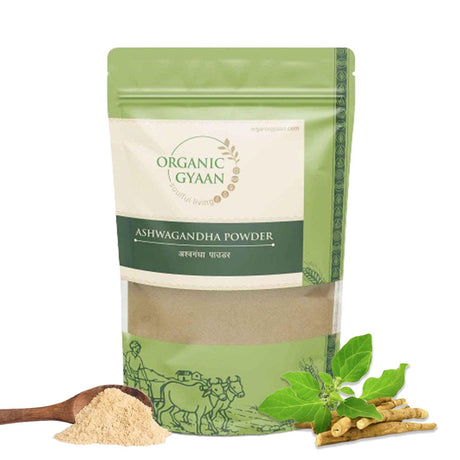
- ½ tsp Ashwagandha Powder
- ¼ tsp Cinnamon Powder
- Pinch of cardamom
- Pinch of black pepper (enhances curcumin absorption)
- ½ tsp honey - only if needed, and only a tiny amount
Method:
- Warm the milk gently - do not boil.
- Add turmeric, ashwagandha, cinnamon, cardamom, and black pepper.
- Whisk or stir vigorously until well combined and slightly frothy.
- Drink warm, 30 to 60 minutes before bed.
Blood sugar benefit: This is not just a comforting bedtime drink - it is a targeted, multi-mechanism recipe to lower blood sugar overnight. The ashwagandha improves sleep quality and reduces the cortisol spike that elevates fasting morning glucose. The turmeric and cinnamon reduce inflammation and improve insulin sensitivity while you sleep. Many people notice lower fasting blood sugar readings consistently after making this a nightly habit.
5 Tips to Make These Recipes Work Even Better
Tip 1 - Eat vegetables or salad first at every meal
Starting with fibre slows the absorption of all the carbohydrates that follow.
Tip 2 - Take your Ayurvedic herbs consistently
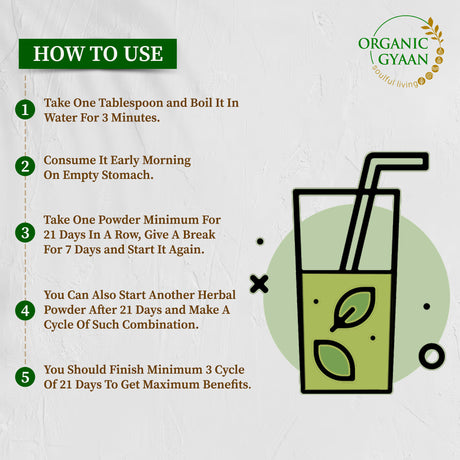
Karela Powder and Jamun Seed Powder in warm water every morning. Ashwagandha and Turmeric golden milk every night. Fenugreek seeds soaked overnight. These are the daily herbal habits that make your recipes to lower A1C even more effective.
Tip 3 - Walk for 15 minutes after meals
Even gentle movement significantly reduces post-meal blood sugar spikes - directly supporting lower A1C over time.
Tip 4 - Replace all refined grains with Siridhanya Millets
Not just in these recipes - but at every meal, every day. This single swap is the most impactful dietary change for A1C reduction.
Tip 5 - Test your blood sugar 2 hours after these meals
Using a glucometer to see how each recipe affects your post-meal readings gives you the real-time feedback to know what works best for your body.
Conclusion
Your HbA1c is not fixed. It is a rolling average - and every meal you eat influences where it goes over the next three months. The eight recipes to lower A1C in this blog are not restrictive diet meals. They are genuinely delicious, satisfying, familiar Indian dishes that happen to be built on the most blood-sugar-friendly ingredients available.
Foxtail millet khichdi instead of white rice khichdi. Karela stir fry instead of potato subzi. Methi dal with barnyard millet roti. Golden turmeric milk before bed. These swaps are small. Their cumulative effect on your A1C - over weeks and months of consistent eating - is significant.
Combine these recipes to lower blood sugar with the daily Ayurvedic herbal habits Karela water in the morning, Fenugreek seeds overnight, Jamun-Amla smoothie at breakfast, golden milk at night - and you have a complete, integrated natural A1C management approach that works from your first meal to your last.
One meal at a time. One habit at a time. Your A1C will follow.