
You injected your insulin. Now you are watching the clock, watching your glucose meter, and wondering - when is this going to actually do something?
If you are new to insulin therapy, this waiting period can feel confusing and even a little scary. You want to know: is my blood sugar supposed to still be this high? Did I do it right? When should I expect to feel a difference?
If you have been on insulin for a while, you may have noticed that it does not always seem to work the same way. Sometimes it kicks in quickly. Sometimes it feels sluggish. Sometimes your blood sugar drops faster than expected. And you wonder why.
Here is the truth: how long insulin takes to work is not a single, simple answer. It depends entirely on which type of insulin you are using - and there are several different types, each designed to work on a different timeline for different purposes. Understanding these timelines is not just interesting information. It is genuinely practical knowledge that helps you time your meals, avoid dangerous lows, and get the most out of your therapy.
In this blog, you will learn exactly how long each type of insulin takes to work - from the fastest rapid-acting formulas to the slowest long-acting ones - what "onset," "peak," and "duration" actually mean in your daily life, the factors that change how quickly insulin works, what to do if your insulin does not seem to be working as expected, and how Ayurvedic herbal support can help your body respond to insulin more effectively.
Three Terms You Need to Understand First
Before looking at specific insulin types, you need to understand three terms that describe how insulin works in the body:
Onset - How long after injection before the insulin starts lowering blood sugar. This is when the insulin first begins to have a meaningful effect on glucose levels.
Peak - The point at which the insulin is working at its strongest. Blood sugar lowering effect is greatest at the peak. This is also when the risk of low blood sugar (hypoglycaemia) is highest - because the insulin is most active at this time.
Duration - How long the insulin continues to have a measurable effect on blood sugar before it wears off.
Think of it like a hill. Onset is when you start climbing. Peak is the top of the hill. Duration is how long it takes to come back down the other side completely. Knowing where your insulin is on this hill at any given moment helps you understand why your blood sugar is behaving the way it is.
The Different Types of Insulin and How Long Each Takes to Work
1. Rapid-Acting Insulin - The Fastest Available
Rapid-acting insulin is the type most commonly used immediately before meals - its job is to handle the blood sugar rise from eating.
Rapid-acting insulin starts to work within 15 minutes of injection and peaks between 1 to 3 hours after injection. Duration can be anywhere from 3 to 7 hours.
In simpler terms:
- Starts working: 10–15 minutes after injection
- Works hardest: 1–2 hours after injection
- Wears off: 3–5 hours after injection
Some newer "ultra-rapid-acting" formulations - like Fiasp (insulin aspart) and Lyumjev (lispro-aabc) - act even faster, with onset as quick as 5–10 minutes. These are particularly useful for people who need maximum flexibility with meal timing.
Common brand names: Humalog (lispro), NovoLog/NovoRapid (aspart), Apidra (glulisine), Fiasp, Lyumjev.
What this means for you: If you use rapid-acting insulin, you should inject it 0 to 15 minutes before starting your meal - not 30 minutes before, not after eating. Injecting too early means the insulin peaks before your meal is fully digested. Injecting too late means your blood sugar has already risen before the insulin is ready to act. Getting this timing right is one of the most important habits for good post-meal blood sugar control.
2. Short-Acting (Regular) Insulin - The Original Mealtime Insulin
Short-acting insulin - also called regular insulin - was the standard mealtime insulin before rapid-acting analogs were developed. It is still widely used, particularly because it is more affordable and accessible in many parts of the world.
Short-acting insulin takes about 30 minutes to start working and peaks at about 2 to 3 hours after injection. The effective duration is approximately 5 to 8 hours.
- Starts working: 30–60 minutes after injection
- Works hardest: 2–4 hours after injection
- Wears off: 5–8 hours after injection
Common brand names: Humulin R, Novolin R.
What this means for you: The 30-minute onset of regular insulin is the most important timing consideration. You must inject it 30 minutes before eating - not immediately before, and not after. This is where many people make their biggest insulin timing mistake. If you eat immediately after injecting regular insulin, your blood sugar spikes before the insulin has had a chance to act. The meal peaks too early; the insulin peaks too late.
If you are currently on regular insulin and finding your post-meal blood sugar consistently high despite correct dosing, this timing issue is often the culprit.
3. Intermediate-Acting Insulin (NPH) - Background Coverage for Half a Day
Intermediate-acting insulin - most commonly NPH insulin - is not a mealtime insulin. It is designed to provide background glucose control over a longer period, typically used once or twice daily.
NPH Human Insulin has an onset of insulin effect of 1 to 2 hours, a peak effect of 4 to 6 hours, and duration of action of more than 12 hours.
- Starts working: 1–4 hours after injection
- Works hardest: 4–12 hours after injection
- Wears off: 12–18 hours after injection
Common brand names: Humulin N, Novolin N.
What this means for you: NPH insulin has a pronounced peak - which means there is a window, typically 4–12 hours after injection, when hypoglycaemia risk is higher. This is particularly important to be aware of at night if you take NPH at bedtime. The peak can occur in the early morning hours when you are asleep and less able to recognise and treat a low.
NPH insulin also looks cloudy - not clear. Before each injection, it must be gently rolled between the palms 10 times to resuspend the particles. Never shake it vigorously - this creates air bubbles and alters your dose accuracy.
4. Long-Acting Insulin - The 24-Hour Background Insulin
Long-acting insulin is the backbone of basal-bolus insulin therapy. Its job is to keep your background blood sugar stable throughout the day and night - replacing the insulin your pancreas would normally release steadily between meals.
Long-acting insulin takes effect several hours after injection. It does not have a peak time. It works to regulate blood sugar levels at a fairly stable rate throughout the day.
Long-acting insulin analogs (Insulin Glargine, Insulin Detemir and Insulin Degludec) have an onset of insulin effect in 1.5 to 2 hours. The insulin effect plateaus over the next few hours and is followed by a relatively flat duration of action that lasts 12–24 hours.
- Starts working: 1–2 hours after injection
- Peak: Virtually none - works as a flat, steady background
- Duration: 18–24 hours (some ultra-long-acting formulas last 42+ hours)
Common brand names: Lantus, Basaglar, Toujeo (glargine), Levemir (detemir), Tresiba (degludec).
What this means for you: Long-acting insulin does not handle your meals - that is the job of your rapid or short-acting insulin. Its job is purely background control. Because it has no significant peak, the hypoglycaemia risk from long-acting insulin alone is much lower than with other types.
Take your long-acting insulin at the same time every day. Consistency in timing matters because even a peakless insulin needs to be consistently present in your system at the right level around the clock.
5. Pre-Mixed Insulin - Convenience at the Cost of Flexibility
Pre-mixed insulin combines a rapid or short-acting insulin with an intermediate-acting insulin in a fixed ratio - typically 70% intermediate and 30% rapid (70/30), or 50/50 blends.
Pre-Mixed Insulin is NPH pre-mixed with either regular human insulin or a rapid-acting insulin analog. The insulin action profile is a combination of the short and intermediate acting insulins.
Pre-mixed insulin is typically taken twice daily - before breakfast and before the evening meal. The rapid-acting component covers the immediate post-meal rise, while the NPH component provides background coverage until the next dose.
The convenience trade-off is reduced flexibility. Because you cannot adjust the rapid and background doses independently, pre-mixed insulin is harder to fine-tune for varying meal sizes or activity levels.
A Quick Reference Guide: All Insulin Types at a Glance
| Insulin Type | Onset | Peak | Duration |
|---|---|---|---|
| Ultra rapid-acting (Fiasp, Lyumjev) | 5–10 min | ~1 hour | 2–4 hours |
| Rapid-acting (Humalog, NovoRapid) | 10–15 min | 1–2 hours | 3–5 hours |
| Short-acting / Regular (Humulin R) | 30–60 min | 2–4 hours | 5–8 hours |
| Intermediate (NPH) | 1–4 hours | 4–12 hours | 12–18 hours |
| Long-acting (Lantus, Levemir) | 1–2 hours | Minimal/flat | 18–24 hours |
| Ultra long-acting (Tresiba) | 1–2 hours | None | 42+ hours |
What Makes Insulin Work Faster or Slower?
Here is something important that many insulin users do not realise: the same insulin, in the same dose, can work significantly faster or slower depending on several factors. Understanding these helps explain why your insulin sometimes behaves differently from day to day.
Injection site: Insulin absorbs fastest from the abdomen, more slowly from the arms, even more slowly from the thighs, and slowest from the buttocks. For mealtime (rapid or short-acting) insulin, the abdomen is usually the best site because you want it working quickly.
Temperature: Cold skin or cold stored insulin slows absorption significantly. If you inject cold insulin straight from the refrigerator, it will act slower. Gently warming the pen or vial between your palms for 30 seconds before injecting improves this.
Depth of injection: Insulin injected into muscle absorbs much faster than insulin injected into fat (subcutaneous tissue). This can cause a faster, more intense effect - and a higher risk of going low. For most people, insulin should go into the fat layer under the skin, not into muscle.
Exercise: Physical activity - particularly exercise involving the muscles near the injection site - increases blood flow and significantly speeds up insulin absorption. Exercising shortly after injecting into the thigh, for example, can make that insulin act much faster than expected.
Lipohypertrophy: Repeated injections in the same spot create hardened, lumpy tissue that slows insulin absorption unpredictably. This is one of the most common hidden causes of erratic blood sugar control in long-term insulin users. Always rotate your injection sites.
Stress and illness: Stress raises cortisol, which raises blood sugar and can make insulin less effective. Illness similarly drives up blood sugar through hormonal stress responses. During these times, your usual insulin dose may not work as well as expected.
Dose size: Larger doses of the same insulin take longer to be fully absorbed and may have a longer duration than small doses.
When Insulin Does Not Seem to Be Working - Common Reasons
If you are taking your insulin correctly and your blood sugar is not responding as expected, these are the most common explanations to investigate:
Incorrect timing: Particularly with regular insulin - injecting too close to or after the meal means the food peaks before the insulin does.
Injection into lipohypertrophic tissue: Check for lumps at your injection sites. Insulin absorbed from scarred tissue is unpredictable - sometimes slow, sometimes erratic.
Expired or damaged insulin: Insulin exposed to heat, freezing, or direct sunlight can be damaged without looking any different. If a new pen or vial behaves differently from what you expect, insulin quality may be the issue.
Wrong injection depth: Inadvertent intramuscular injection causes faster, stronger action than expected. Skin that is thin or arms with little fat are higher-risk sites.
Dawn phenomenon: Morning blood sugar rises driven by cortisol and growth hormone released in the early morning hours - not by insulin failure, but by natural hormonal activity that increases glucose production overnight.
Ayurvedic Herbal Support to Help Insulin Work More Effectively
Understanding how long insulin takes to work is important - but so is making sure your body is as receptive to insulin as possible. The more insulin-sensitive your cells are, the better your insulin works, the lower doses you may need, and the more predictable your blood sugar becomes.
1. Karela Powder (Bitter Gourd)
Karela's natural compounds - charantin and polypeptide-p - directly improve cellular insulin sensitivity, making your cells more receptive to insulin's signal. Better sensitivity means insulin works more effectively at the same dose. Half a teaspoon in warm water every morning before breakfast - the most fundamental daily habit for supporting your insulin therapy naturally.
Jamun seed powder slows post-meal glucose absorption - reducing the size of the blood sugar spike that your mealtime insulin has to respond to. A smaller post-meal spike is easier for your insulin to manage, and reduces the risk of both overshooting (too low) and undershooting (still too high). Stir into warm water each morning.
Fenugreek's soluble fibre (galactomannan) slows carbohydrate digestion - flattening the post-meal glucose curve so your mealtime insulin has more time to work and a less dramatic peak to contend with. Consistent fenugreek use has been shown to reduce HbA1c over time - a direct reflection of better insulin effectiveness throughout the day.
4. Giloy Powder
Chronic inflammation reduces insulin sensitivity - making your body less responsive to insulin's signal and requiring higher doses to achieve the same blood sugar control. Giloy's powerful anti-inflammatory properties address this directly, helping your prescribed insulin work more effectively.
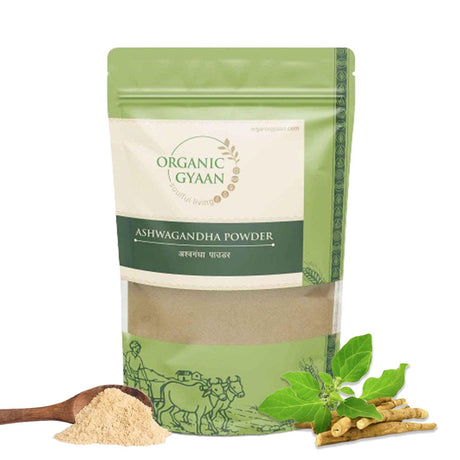
5. Ashwagandha Powder
Stress raises cortisol, which both raises blood sugar and reduces insulin sensitivity simultaneously - creating the frustrating situation where your insulin seems to stop working on stressful days. Ashwagandha reduces cortisol, improves sleep quality, and supports insulin sensitivity through the stress management pathway that conventional therapy often does not address.
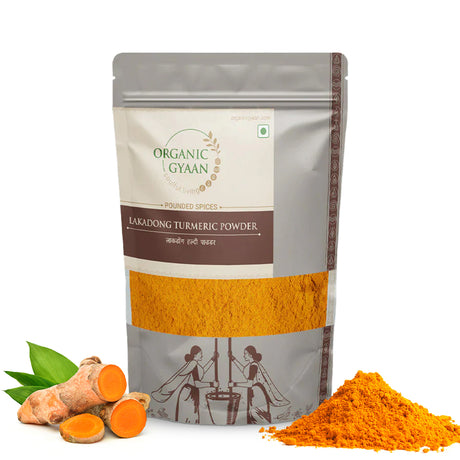
6. Turmeric Powder (Haldi)
Curcumin's anti-inflammatory properties reduce the systemic inflammation that impairs insulin receptor function. Daily turmeric - a pinch in warm milk at night - is a gentle but cumulative metabolic protection habit that supports better insulin action over time.
7. Neem Powder
Neem supports insulin sensitivity and blood purification - helping cells respond more effectively to insulin's glucose-lowering signal and reducing the metabolic burden that makes insulin resistance worse over time.
8. Siridhanya Millets (Positive Millets)
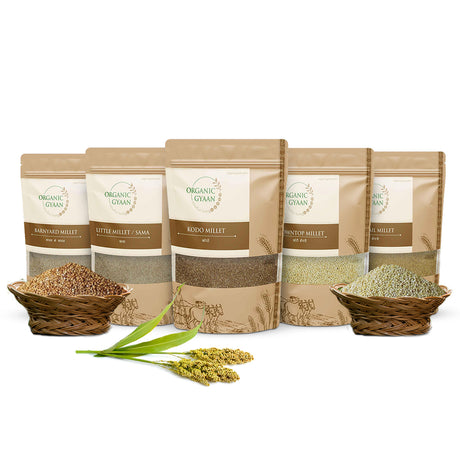
What you eat before your mealtime insulin injection directly determines how hard that insulin has to work. Replacing refined grains - which cause rapid, large glucose spikes - with Siridhanya Millets (foxtail, barnyard, little, kodo, and browntop) creates flatter, more predictable post-meal glucose curves that work with your insulin's action profile rather than against it.
Please remember: These herbs work alongside your prescribed insulin - not instead of it. Always tell your doctor if you are adding herbal supplements, as some can affect blood sugar and may require insulin dose adjustments to prevent hypoglycaemia.
Conclusion
Understanding how long insulin takes to work is one of the most practical, immediately useful pieces of knowledge any person on insulin therapy can have. When you know that your rapid-acting insulin peaks 1 to 2 hours after injection, you know not to panic if blood sugar is still high at 30 minutes. When you know that regular insulin needs 30 minutes to start working, you know exactly when to inject relative to your meal. When you know your long-acting insulin does not truly kick in for 1 to 2 hours, you understand why it needs to be taken consistently at the same time every day.
Insulin therapy is not guesswork - but it often feels that way when nobody has explained the timing properly. Now you have that explanation.
Combine it with the natural Ayurvedic support improving insulin sensitivity, reducing post-meal glucose peaks, and managing the inflammation and stress that make insulin less effective - and your blood sugar management becomes genuinely more predictable, more stable, and more within your control.