
Most people who take insulin every day have never stopped to ask: what exactly is this thing I am injecting into my body?
That is a completely fair question. And the answer is more fascinating - and more important - than you might expect.
Before 1982, people with diabetes had no choice but to use insulin taken from the pancreases of pigs and cows. Every single day, millions of people depended on animal insulin to stay alive. It worked - but it was not perfect. It sometimes caused allergic reactions. Supply was not always reliable. And the idea of injecting animal hormones into your body was not exactly comfortable.
Then scientists figured out how to make insulin in a laboratory - insulin that was a perfect copy of the insulin your own body makes. They called it human insulin. And it changed everything.
Today, human insulin is used by millions of people around the world with diabetes. But surprisingly, most people do not fully understand what it is, how it is made, or how it actually works inside the body. This blog will explain all of that - in simple, easy words.
What Is Human Insulin, Really?
First, let us clear up a confusion. Human insulin does not come from human beings. Nobody is donating insulin. The name simply means that it is made to be identical to the insulin your own body produces naturally.
Think of it like a photocopy. Your pancreas makes the original insulin. Human insulin is a perfect copy - made in a laboratory - that works in exactly the same way in your body.
It is made using a clever scientific process. Scientists take the instructions your body uses to make insulin - a tiny piece of genetic code - and put those instructions into bacteria or yeast. The bacteria and yeast then follow those instructions and produce real human insulin protein. Scientists collect it, clean it thoroughly, and package it into the vials or pens you use every day.
The result is pure, reliable, consistent insulin that is identical to what your pancreas would make - if it could.
How Does Insulin Work Inside Your Body?
To understand human insulin, you first need to understand what insulin actually does.
Picture your body's cells as rooms with locked doors. Glucose - the sugar from the food you eat - is standing outside those doors, trying to get in. But the doors are locked. Insulin is the key.
When you eat, your blood sugar rises. In a healthy body, the pancreas detects this and releases insulin into the bloodstream. The insulin travels around your body, finds those locked cell doors, and opens them. Glucose enters the cells. Your blood sugar comes back down. Your cells get the energy they need. Everyone is happy.
But in diabetes, this system breaks down in one of two ways:
In Type 1 diabetes, the pancreas cannot make insulin at all. The immune system has destroyed the cells that produce it. Without any key, the cell doors stay locked. Glucose builds up in the blood with nowhere to go. This is dangerous and requires insulin injections to survive.
In Type 2 diabetes, the pancreas still makes some insulin - but the cell doors have become stiff and hard to open. They do not respond properly to the key anymore. This is called insulin resistance. Over time, the pancreas gets tired of trying to force those stubborn doors open and starts producing less insulin too. Many people with Type 2 diabetes eventually need insulin injections as well.
Human insulin steps in to replace or support what the pancreas can no longer do on its own.
The Different Types of Human Insulin
Not all human insulin is the same. Different types work at different speeds and last for different amounts of time. Your doctor chooses the right type - or combination - based on your specific needs.
1. Regular Human Insulin - The Short-Acting Type
This type of human insulin starts working about 30 minutes after you inject it. It reaches its strongest effect after 2 to 4 hours and stays active for about 6 to 8 hours.
Because it takes 30 minutes to kick in, you need to inject it about half an hour before you eat. This is important - if you inject and eat immediately, your food will raise your blood sugar before the insulin is ready to handle it.
This type is clear in appearance. Common brand names are Humulin R and Novolin R.
2. NPH Insulin - The Medium-Acting Type
NPH insulin works more slowly. It starts working after 1 to 3 hours, peaks between 4 and 10 hours, and lasts up to 18 hours. It is designed to cover your blood sugar between meals and through the night - what doctors call background or basal insulin.
NPH looks cloudy - not clear like regular insulin. Before injecting, you need to gently roll the vial between your palms about 10 times to mix it properly. Never shake it hard - that creates air bubbles and can give you an incorrect dose.
Common brand names are Humulin N and Novolin N.
3. Premixed Human Insulin
Some vials combine regular and NPH insulin together - usually 70% NPH and 30% regular. This gives you both mealtime and background coverage in a single injection. It is more convenient but less flexible, since you cannot adjust each type independently.
Human Insulin vs. Insulin Analogs - What Is the Difference?
You may have heard of other types of insulin - names like NovoRapid, Humalog, or Lantus. These are called insulin analogs. How are they different from human insulin?
Think of it this way. Human insulin is the original design - a perfect copy of what your body makes. Insulin analogs are modified versions where scientists have tweaked the design slightly to make them work faster or last longer.
For example, rapid-acting analogs like NovoRapid start working in just 10 to 15 minutes - much faster than regular human insulin. This means you can inject right before eating instead of 30 minutes earlier. Long-acting analogs like Lantus last a full 24 hours with no peaks, which means smoother overnight blood sugar without as much risk of going low in the night.
So why does anyone still use human insulin at all? The main reason is cost. Insulin analogs are significantly more expensive. In many countries and for many families, human insulin is the only affordable option. And it works well - it has been used safely for over 40 years with an excellent track record.
How to Use Human Insulin Safely - Simple Practical Tips
If you are using human insulin, here are the most important things to know:
1. Inject at the right time. Regular human insulin needs to be injected 30 minutes before meals - not right before you eat. This timing is one of the most common mistakes people make. Getting this right makes a big difference in how well your blood sugar is controlled.
2. Inject into the right place. Insulin goes into the fat layer just under your skin - not into muscle. Common spots are the abdomen (fastest absorption), thighs, upper arms, or buttocks. Rotate your injection spots regularly so the skin does not develop lumps.
3. Store it correctly. Unopened insulin should be kept in the fridge. Once you open a vial, you can keep it at room temperature for up to 28 to 30 days. Never put insulin in the freezer - freezing destroys it completely and it will not work anymore.
4. Always carry something sweet. The most common problem with human insulin is low blood sugar - hypoglycaemia. Symptoms include shakiness, sweating, feeling confused, and a racing heart. Always carry glucose tablets, juice, or a few biscuits so you can treat a low quickly if it happens.
5. Do not stop insulin when you are sick. Many people think that if they are not eating, they should skip their insulin. This is dangerous. Illness raises blood sugar. You need your insulin even more when you are unwell. Contact your doctor if you are struggling to manage your blood sugar during illness.
6. Check before you drive or exercise. Always check your blood sugar before getting behind the wheel or starting physical activity. A low blood sugar episode while driving or exercising can be very dangerous.
Ayurvedic Herbs That Work Alongside Human Insulin
Human insulin does a vital job - it manages your blood sugar from outside the body. But there are also natural Ayurvedic herbs that support your blood sugar from the inside - by improving how your body responds to insulin, reducing inflammation, and keeping your blood sugar more stable throughout the day.
1. Karela Powder (Bitter Gourd)
Karela has natural compounds that work similarly to insulin - helping your body lower blood sugar on its own. When you take Karela alongside your human insulin, it can help reduce the blood sugar spikes after meals, so your body does not need to work as hard. Mix half a teaspoon in warm water every morning before breakfast.
2. Jamun Seed Powder
After every meal, blood sugar rises before insulin has a chance to bring it back down. Jamun seed powder slows this rise, making the post-meal blood sugar spike gentler and easier for your insulin to manage. Take it in warm water each morning.
3. Fenugreek Seeds (Methi)
Fenugreek contains a special fibre that slows down how fast sugar from your food enters your bloodstream. This gives your human insulin more time to work - making blood sugar easier to manage throughout the day. Soak a teaspoon of seeds in water overnight and drink it in the morning.
4. Giloy Powder
Inflammation in the body is one reason why insulin does not work as well as it should - especially in Type 2 diabetes. Giloy is a powerful anti-inflammatory herb that helps reduce this inflammation, making your insulin more effective at doing its job.
5. Ashwagandha Powder
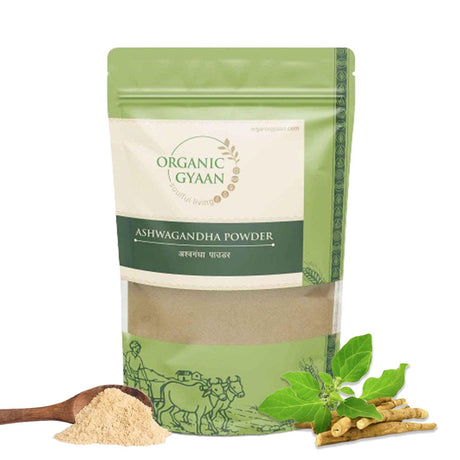
Stress is a hidden cause of high blood sugar. When you are stressed, your body releases a hormone called cortisol - and cortisol raises blood sugar. Ashwagandha helps reduce stress and lower cortisol levels, making your blood sugar more stable and predictable. It also improves sleep quality, which independently helps with blood sugar control.
6. Turmeric Powder (Haldi)
Turmeric contains curcumin - one of nature's best anti-inflammatory compounds. Long-term diabetes causes inflammation throughout the body that damages the heart, kidneys, eyes, and nerves. Daily turmeric helps protect these organs over time, working alongside your human insulin to reduce the risk of long-term complications.
7. Neem Powder
Neem helps improve how sensitive your body's cells are to insulin - meaning your existing insulin works better. It also supports blood purification and helps fight infections that can destabilise blood sugar.
8. Siridhanya Millets (Positive Millets)
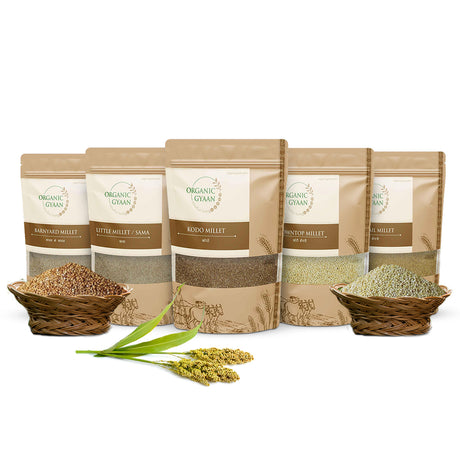
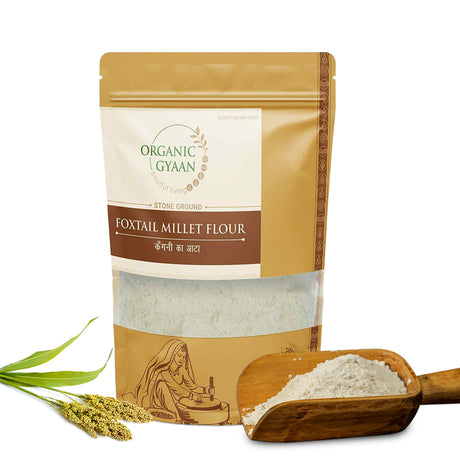
What you eat around your insulin dose matters enormously. Eating refined grains like white rice or white bread causes sharp blood sugar spikes that are difficult to manage. Switching to Siridhanya Millets - foxtail, barnyard, little, kodo, and browntop - gives you slow, gentle energy that is much easier for your human insulin to handle. These millets are low on the glycaemic index, high in fibre, and traditionally used in Ayurveda for metabolic health.
Please note: Ayurvedic herbs are natural, but they can still affect your blood sugar levels. Always tell your doctor before starting any herbal supplement alongside your insulin, as your insulin dose may need to be adjusted.
Conclusion
Human insulin has been keeping people with diabetes healthy and alive for over 40 years. It is safe, well-tested, affordable, and - when used correctly - incredibly effective at managing blood sugar for both Type 1 and Type 2 diabetes.
But here is something worth remembering: insulin works best when everything around it is working well too. The food you eat, the stress you carry, the sleep you get, and the herbs you take all affect how well your insulin does its job. Understanding this is the difference between just taking insulin and truly managing your diabetes.
When you time your human insulin correctly, eat blood-sugar-friendly foods like Siridhanya Millets, manage stress with Ashwagandha, support your body with Karela and Jamun, and reduce inflammation with Turmeric and Giloy - you are not just managing a condition. You are building a daily foundation for real, lasting health.
Your insulin is working hard for you every day. Give it the support it deserves.