
Did you know that over 101 million Indians are currently living with diabetes? That's more than the entire population of many countries. And if you are one of them - or know someone who is - you've probably heard the advice: "Eat more protein. It'll keep your blood sugar stable."
But what if that advice is only half true?
The truth about high protein for diabetics is more layered than most people think. While protein does play a role in blood sugar management, piling up protein on your plate without thinking about the source, amount, and timing can actually work against you. This is not just an opinion - it's what recent science is showing.
In this blog, we're going to break it all down for you - in simple, plain words. You'll learn:
- What the science really says about high protein for diabetics
- Why too much protein can become a hidden problem
- What the right foods are for managing blood sugar naturally
- How traditional Indian remedies and plant-based superfoods can support your diabetes care journey
Let's get into it.
Why Everyone Started Talking About High Protein for Diabetics
It started with a simple logic. Protein doesn't directly raise blood sugar the way carbohydrates do. So it made sense to think: replace carbs with protein, blood sugar stays low, diabetes gets better.
And yes - up to a point, this logic holds. Research has shown that high protein for diabetics can help with weight loss, reduce hunger, and improve short-term blood sugar levels. A 2016 study published in the American Journal of Clinical Nutrition found that overweight individuals with type 2 diabetes who followed a high-protein diet did lose more weight initially.
But - and this is a big but - the same research also found that the group eating very high amounts of protein saw less improvement in insulin sensitivity compared to those on a moderate-protein diet.
So the story doesn't end at "more protein = better diabetes control."
What Happens When You Eat Too Much Protein?
Here's where it gets interesting - and a little surprising.
When you eat protein, your body usually uses it for muscle repair, enzyme production, and cell building. But when you eat too much protein, something called gluconeogenesis kicks in. This is a fancy term for when your liver starts converting excess protein (amino acids) into glucose - yes, actual blood sugar.
So if you're loading up on protein thinking it won't spike your blood sugar, you may be getting a delayed sugar hit without even realising it.
On top of this, for people with diabetes who already have kidney stress or early kidney disease (which is very common in diabetic patients), a very high-protein diet can put extra pressure on the kidneys. The kidneys have to work harder to filter out the nitrogen waste that comes from protein metabolism.
This is why doctors and nutritionists often say: high protein for diabetics is not a one-size-fits-all solution.
The Research Speaks Clearly
A study published in Diabetes Care found that while a high-protein diet helped with short-term glucose control, long-term outcomes were no better - and sometimes worse - compared to a balanced, whole-food diet.
Another study from the Journal of Nutrition highlighted that plant-based proteins (like lentils, legumes, and seeds) were significantly better for insulin sensitivity than animal proteins. The fiber and micronutrients that come with plant protein seem to be the real heroes.
The key takeaway from research is this: it's not just about how much protein you eat, but what type of protein you eat and what it comes packaged with.
So What Should Diabetics Eat Instead?
This is the practical, actionable part - and honestly, this is where Indian traditional wisdom and modern nutrition science come together beautifully.
1. Choose Plant Proteins Over Processed Ones
Lentils (dal), chickpeas, rajma, moong, urad - these are all excellent protein sources for diabetics. They come loaded with fibre, minerals, and complex carbohydrates that release sugar slowly into the bloodstream. Unlike protein powders or heavy meat-based diets, these foods nourish without overloading the system.
2. Add Millets to Your Daily Diet
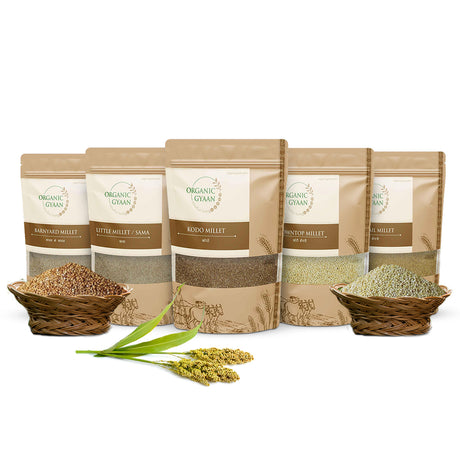
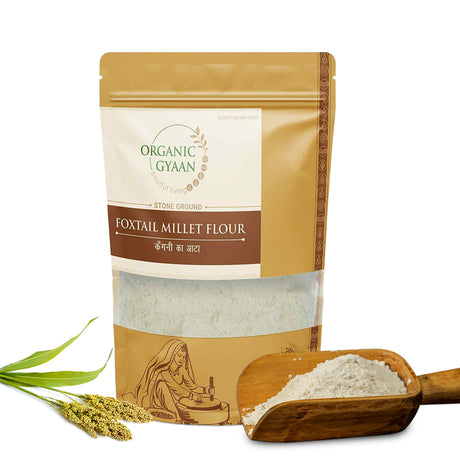
Millets are one of the most underrated diabetes superfoods in India. Foxtail millet, barnyard millet, little millet, kodo millet, and browntop millet - collectively called Siridhanya millets - are high in fibre and have a very low glycemic index. They release sugar slowly into the bloodstream, making them ideal for blood sugar control.
You can swap your regular white rice or wheat rotis with millet-based meals even two or three times a week. This simple change can make a big difference.
3. Use A2 Bilona Ghee in Small Amounts
Yes, ghee is okay for diabetics - in the right quantity. A2 Bilona Ghee supports digestion, gut health, and metabolism, and when used mindfully, it helps the body absorb fat-soluble vitamins better.
The key is: small amounts, made from A2 cow milk using the traditional bilona (churning) method - not the commercial ghee that floods supermarkets.
4. Don't Forget Fiber-Rich Vegetables
Bitter gourd (karela), bottle gourd (lauki), drumstick leaves (moringa), spinach, and methi (fenugreek) are powerful blood sugar regulators. They slow down sugar absorption and support insulin function naturally.
Natural Remedies That Work Alongside a Balanced Diet
Here is where Ayurveda and modern science actually agree. Several herbs and plant extracts have strong evidence for supporting blood sugar management - and they work best when your diet is already balanced (not just loaded with protein).
1. Jamun Seed Powder
Jamun seeds (black plum seeds) contain jamboline and ellagic acid - compounds that have shown strong anti-diabetic activity. Studies suggest that Jamun seeds are among the effective natural remedies for diabetes, helping regulate blood sugar levels.
2. Karela (Bitter Melon) Powder
Bitter melon is one of nature's most studied anti-diabetic plants. Karela powder is believed to enhance insulin sensitivity and glucose tolerance, helping to regulate blood sugar levels naturally.
3. Neem Powder
Neem powder, rich in antioxidants and anti-inflammatory compounds, may aid in regulating blood sugar levels, making it potentially beneficial for diabetes management.
4. Fenugreek (Methi) Seeds or Powder
Fenugreek seeds are loaded with soluble fibre. Adding fenugreek seeds to your cooking, or using powdered fenugreek, can help regulate blood sugar levels. Soaking methi seeds overnight and having them in the morning on an empty stomach is one of the oldest and most effective home remedies for diabetes in India.
5. Cinnamon
Cinnamon has glucose-lowering ability and also reduces lipid markers including triglycerides, low-density lipoprotein, and cholesterol. Just half a teaspoon of cinnamon powder stirred into warm water or added to your morning oatmeal can make a real difference over time.
The Right Approach to High Protein for Diabetics
Now that we understand both sides, here's a balanced, practical approach to high protein for diabetics that is grounded in science and Indian nutritional wisdom:
1. DO eat moderate plant-based protein - dal, lentils, legumes, paneer (in moderation), nuts, and seeds.
2. DO pair protein with fibre - every protein-rich meal should also have vegetables, millets, or whole grains to slow down digestion.
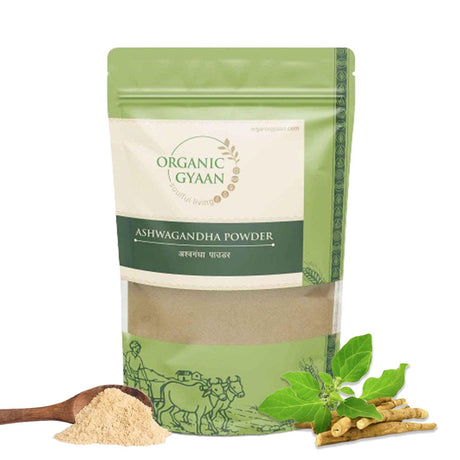
3. DO include Ayurvedic herbs daily - Jamun, Karela, Neem, Giloy, and Moringa support insulin function naturally.
4. DO choose whole, unprocessed foods - the packaging matters. A lentil and the protein isolate in a supplement are very different things for your body.
5. DON'T rely on protein shakes or powders - these are often processed, contain artificial sweeteners, and skip the fibre your body needs.
6. DON'T eliminate carbs entirely - your body needs slow carbs. Millets and vegetables are your friends.
7. DON'T ignore your kidneys - if you already have kidney stress (common in diabetics), talk to your doctor before going very high on protein.
Key Takeaways
Let's quickly summarise what we've covered:
- High protein for diabetics can help - but only up to a point. Too much protein, especially from processed or animal sources, may work against your blood sugar goals.
- Excess protein gets converted to glucose through gluconeogenesis, which can raise blood sugar indirectly.
- Plant-based proteins are significantly better for insulin sensitivity than processed or animal proteins.
- Millets, A2 Ghee, Karela, Jamun, Neem, Methi, and Cinnamon are powerful, proven tools for natural blood sugar management - and they're all part of India's traditional food wisdom.
- A balanced, whole-food approach to high protein for diabetics - combined with natural remedies - is more effective than just loading up on protein.
Conclusion
Managing diabetes doesn't have to feel overwhelming. The answer isn't always the newest trend or the most extreme diet. Sometimes, it's as simple as going back to what your grandmother cooked - millets, dal, ghee, karela, and methi - and understanding why they worked.
If you're serious about managing your blood sugar naturally, start by exploring Organic Gyaan's diabetes-friendly range. From organic millets and Ayurvedic herbs to pure A2 Bilona Ghee, everything is thoughtfully sourced, certified organic, and designed to support real, daily wellness.
Visit organicgyaan.com today and explore products that truly support your diabetes care journey - no chemicals, no compromise.
Because your health deserves more than just a protein shake.