
Did you know that people with Type 1 diabetes can live long, active, and strong lives - not just because of insulin, but because of consistent food choices? Insulin is life-saving in Type 1 diabetes, but what you eat still plays a huge role in how stable your blood sugar remains every single day.
If you’ve been searching for a clear, realistic type 1 diabetes diet, you probably have questions like:
- What should I eat daily?
- Can I eat carbohydrates?
- Are millets better than rice?
- How do I prevent blood sugar spikes and crashes?
- Can diet reduce infection risk?
This guide will break everything down in simple, practical language. You’ll learn how to build a structured diabetes diet that supports insulin therapy - all vegetarian, sattvic, and without non-veg or garlic.
Understanding Type 1 Diabetes and Food
Type 1 diabetes is an autoimmune condition. The body stops producing insulin because the immune system damages insulin-producing cells.
This means:
- Insulin must be taken daily.
- Carbohydrates directly impact blood sugar.
- Food choices influence insulin dose and glucose stability.
Unlike Type 2 diabetes, insulin resistance is not the main problem here. The challenge in Type 1 diabetes is matching insulin to carbohydrate intake accurately.
A structured type 1 diabetes diet helps make blood sugar patterns more predictable.
Research published in Diabetes Care shows that consistent meal timing and balanced food choices improve HbA1c and reduce hypoglycemia episodes in people with Type 1 diabetes.
So yes - diet absolutely matters.
Can You Eat Carbs with Type 1 Diabetes?
Yes. But quality and portion size are critical.
Carbohydrates are not the enemy. They are energy. The goal is to choose carbs that:
- Digest slowly
- Contain fiber
- Cause gradual glucose rise
- Are easier to match with insulin
Refined carbs (white bread, sugar, cornflakes, maida) digest quickly and cause sharp spikes. Whole, fiber-rich carbohydrates behave differently.
A smart type 1 diabetes diet focuses on complex carbs - not eliminating them.
Best Carbohydrates for a Type 1 Diabetes Diet
1. Siridhanya Millets (Excellent Option)
Millets are naturally high in fiber and digest slower than polished white rice.
Good choices include:
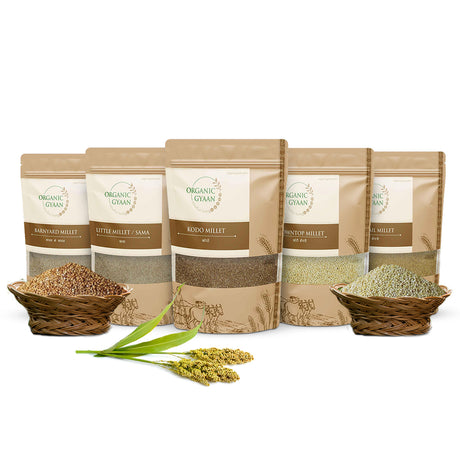
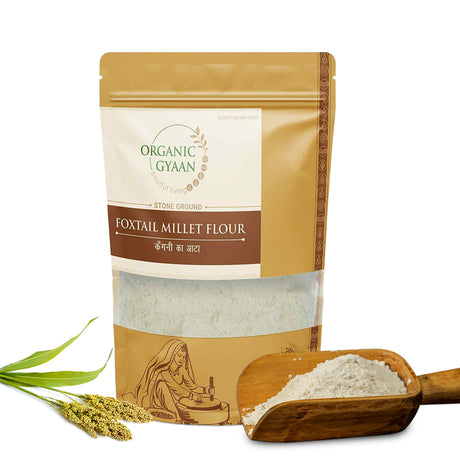
- Foxtail millet
- Little millet
- Kodo millet
- Barnyard millet
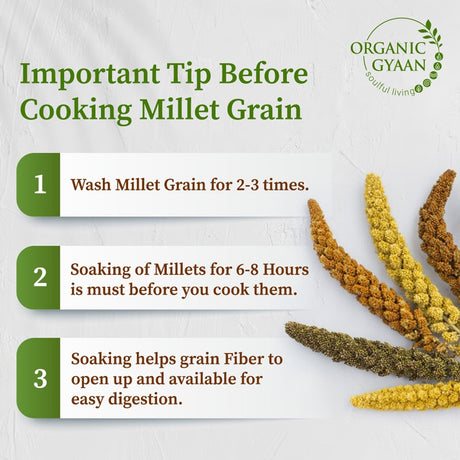
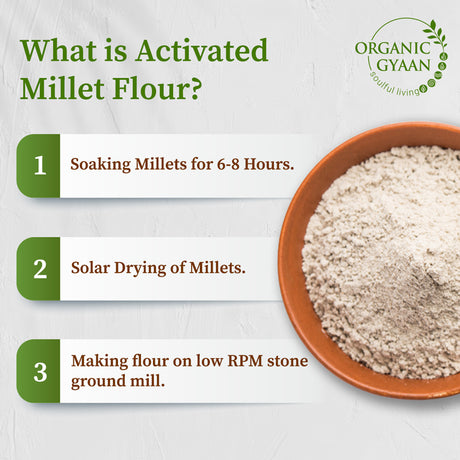
Unpolished, stone-ground millets are better because they retain fiber. This helps reduce rapid glucose spikes.
Millets can be used as:
When planning a diabetes diet, millets are a stable base.
2. Whole Pulses and Lentils
- Whole moong
- Chana
- Masoor dal
- Rajma
These provide both carbohydrates and plant-based protein. Protein slows glucose absorption.
Pairing pulses with millets improves blood sugar stability.
3. Non-Starchy Vegetables
Vegetables should fill half your plate.
Examples:
- Lauki
- Tinda
- Bhindi
- Palak
- Cabbage
- Zucchini
- Gajar (in moderation)
Vegetables add fiber without significant glucose impact.
The Ideal Plate Formula
To improve your type 1 diabetes diet, use this simple formula:
- 40–50% vegetables
- 25% protein (dal, tofu, legumes)
- 20–25% complex carbs (millets)
- 1 tsp A2 Bilona ghee
Healthy fats like A2 Bilona ghee slow digestion and reduce spikes.
Balanced meals create smoother insulin response.
Sample Daily Meal Plan
Breakfast
- Moong dal chilla
- Millet vegetable upma
- Sprouted moong salad
- Warm water with amla powder
Avoid sugary cereals and refined bread.
Lunch
- Foxtail millet roti
- Mixed vegetable sabzi
- Whole moong dal
- Fresh salad
- A2 Bilona ghee
Evening Snack
- Roasted chana
- Soaked almonds
- Pumpkin seeds
- Coconut slices
Dinner (Light and Early)
- Vegetable soup
- Little millet khichdi
- Lauki sabzi
Early dinner improves overnight blood sugar control.
Why Fiber Is Essential in Type 1 Diabetes
Fiber:
- Slows glucose absorption
- Reduces spikes
- Improves digestion
- Supports gut health
Millets and pulses are naturally high in fiber. A high-fiber diabetes diet makes insulin management easier.
Managing Highs and Lows Through Diet
Hyperglycemia (High Blood Sugar)
Often caused by:
- Large carb-heavy meals
- Refined carbohydrates
- Inconsistent meal timing
Hypoglycemia (Low Blood Sugar)
Often caused by:
- Skipping meals
- Excess insulin
- Delayed eating
A structured type 1 diabetes diet reduces both extremes by improving predictability.
Natural Support Alongside Insulin
Insulin is essential in Type 1 diabetes. It cannot be replaced.
However, certain traditional ingredients may support metabolic balance:
- Jamun seed powder
- Neem powder
- Amla powder
- Methi seeds
- Cinnamon
A thoughtfully curated Diabetes Wellness Basket includes these supportive ingredients. While they do not replace insulin, they can complement a structured type 1 diabetes diet and support daily consistency.
Consistency is more powerful than intensity.
Common Mistakes to Avoid
- Skipping breakfast
- Eating refined snacks
- Eating large carb-only meals
- Ignoring fiber
- Eating too late at night
Small daily discipline prevents large complications later.
Research-Based Benefits of Structured Eating
Studies show that structured meal planning in Type 1 diabetes:
- Lowers HbA1c
- Reduces glucose variability
- Improves energy
- Reduces long-term complications
Predictability helps insulin work better.
Frequently Asked Questions
1. What is the best type 1 diabetes diet?
A balanced vegetarian diet with complex carbs, fiber, plant protein, and healthy fats.
2. Can people with Type 1 diabetes eat millets?
Yes, in controlled portions and paired with protein.
3. Should fruits be avoided?
Low-glycemic fruits in moderate portions are generally safe.
Key Takeaways
- A structured type 1 diabetes diet improves glucose stability.
- Whole millets are better than refined grains.
- Fiber reduces spikes.
- Balanced meals prevent highs and lows.
- Stable glucose reduces infection risk.
- A Diabetes Wellness Basket may support daily consistency.
Conclusion
Living with Type 1 diabetes is not about fear or restriction - it’s about structure and balance. A well-planned type 1 diabetes diet supports stable blood sugar, predictable insulin dosing, better energy, and long-term health protection.
Choose whole millets, include plant proteins, add A2 Bilona ghee for satiety, avoid refined sugar, and monitor your glucose regularly. If you experience unstable sugar levels or repeatedly search how to get rid of diabetes yeast infection, remember that proper diabetic yeast infection treatment always begins with better glucose control.
Support your daily routine with consistent habits and, if needed, a thoughtfully designed Diabetes Wellness Basket to help maintain discipline in your metabolic care.
Stay consistent. Eat mindfully. Monitor regularly. And if this guide helped you understand what to eat with Type 1 diabetes, share it with someone who needs practical, clear direction for managing their health confidently.