
Did you know that diabetes is the number one cause of kidney disease worldwide? Nearly 1 in 3 people with diabetes develops some level of kidney damage over time. The scary part? Kidney damage often progresses silently until it becomes serious.
If you are living with both conditions, your food choices matter more than ever. Managing blood sugar alone is not enough - you also have to reduce the strain on your kidneys. That’s why understanding the 5 foods to avoid with kidney disease and diabetes can protect your long-term health.
In this guide, you’ll learn:
- Why diabetes damages the kidneys
- The 5 foods to avoid with kidney disease and diabetes
- How these foods affect blood sugar and kidney function
- What research says
- Safer vegetarian alternatives
- How to structure your meals wisely
- Natural support options that complement your diet
Let’s make this simple and practical.
Why Kidney Disease and Diabetes Are Connected
Your kidneys filter waste from your blood. When blood sugar stays high for years, it damages the tiny blood vessels inside the kidneys. Over time, this reduces their filtering ability.
When kidney function declines:
- Waste builds up
- Blood pressure rises
- Electrolytes become imbalanced
- Protein needs careful monitoring
Research published in Kidney International shows that diet changes significantly slow kidney disease progression in people with diabetes.
That’s why knowing the 5 foods to avoid with kidney disease and diabetes is critical.
The 5 Foods to Avoid with Kidney Disease and Diabetes
Let’s break them down clearly.
1. Processed and Packaged Foods (High Sodium)
Examples:
- Packaged snacks
- Instant noodles
- Ready-to-eat meals
- Packaged soups
- Salted mixtures
Why avoid them?
They are loaded with sodium. High sodium:
- Raises blood pressure
- Causes water retention
- Increases kidney workload
High blood pressure speeds up kidney damage.
If you’re serious about managing the 5 foods to avoid with kidney disease and diabetes, reducing sodium is non-negotiable.
Better Option:
- Fresh home-cooked meals
- Fresh vegetables
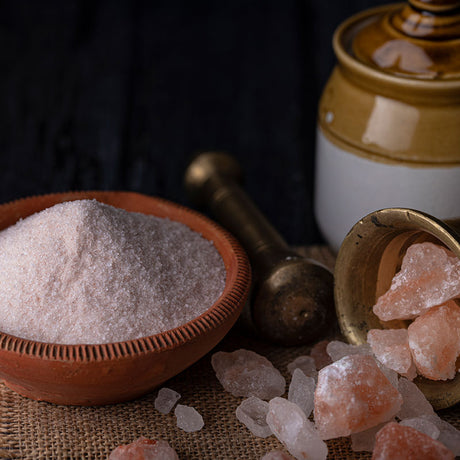
- Controlled use of rock salt
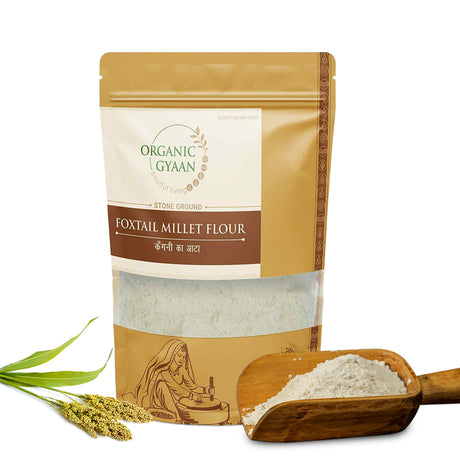
- Stone-ground millet rotis
Cooking fresh food gives you control.
2. Refined Sugar and Sugary Drinks
Examples:
- Soft drinks
- Sweetened fruit juices
- Refined sugar desserts
- Sweet tea or coffee
Why avoid them?
Sugar causes rapid blood sugar spikes. High glucose:
- Damages kidney filters
- Increases inflammation
- Promotes weight gain
Studies in Diabetes Care show persistent high glucose levels accelerate kidney damage.
Among the 5 foods to avoid with kidney disease and diabetes, refined sugar is the most harmful.
Better Option:
- Small portions of whole fruit
- Cinnamon for flavor
- Unsweetened herbal drinks
Liquid sugar should be eliminated.
3. Refined Flour (Maida) and Large Portions of White Rice
Refined grains digest quickly and spike blood sugar.
They:
- Increase insulin demand
- Worsen glucose fluctuations
- Add strain to kidneys
White rice in large portions is especially problematic.
When discussing the 5 foods to avoid with kidney disease and diabetes, refined grains rank high.
Better Option:
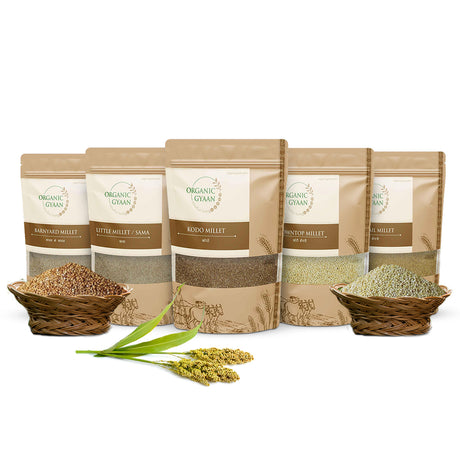
Switch to high-fiber millets such as:
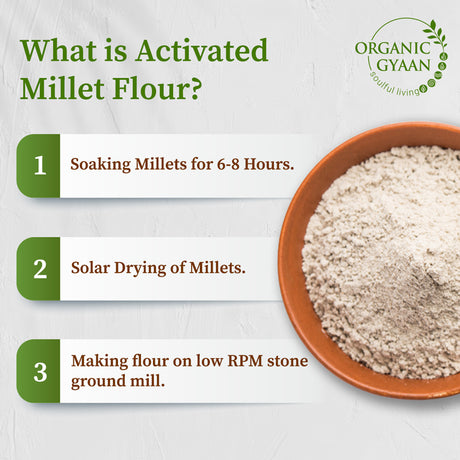
Millets are unpolished and stone-ground, meaning they retain natural fiber.
Fiber slows glucose absorption and reduces spikes.
Portion control still matters.
4. Excess Protein (Without Medical Guidance)
Protein is important - but too much can stress damaged kidneys.
Avoid:
- High-protein fad diets
- Excess dal portions
- Unmonitored protein powders
Kidneys filter protein waste. When kidney function declines, too much protein increases workload.
Research in The American Journal of Kidney Diseases suggests moderate protein control may slow CKD progression.
That’s why excess protein is included in the 5 foods to avoid with kidney disease and diabetes.
Better Option:
- Moderate portions of plant-based protein
- Moong dal
- Soaked chana
- Paneer in small amounts
Balance is key.
5. High-Potassium Processed Foods (If Kidney Function Is Reduced)
When kidney function declines significantly, potassium can build up in the blood.
High-potassium processed foods include:
- Packaged tomato sauces
- Packaged fruit juices
- Certain sports drinks
Too much potassium can affect heart rhythm.
If your doctor has advised potassium restriction, this becomes a major focus among the 5 foods to avoid with kidney disease and diabetes.
Always follow lab-based medical advice.
Why Blood Sugar Control Protects Kidneys
High glucose levels:
- Damage kidney filters
- Increase protein leakage in urine
- Raise blood pressure
The better your blood sugar control, the slower kidney damage progresses.
That’s why a structured vegetarian diabetes-friendly diet is protective.
Practical Plate Structure
Follow this simple plate model:
- 50% non-starchy vegetables
- 25% controlled complex carbs (millets)
- 20% moderate plant protein
- 1 tsp A2 Bilona Ghee
Healthy fats like A2 Bilona Ghee improve satiety and help reduce blood sugar spikes.
Consistency is more important than perfection.
Natural Support for Kidney and Glucose Health
Along with diet, certain traditional ingredients may support metabolic balance:
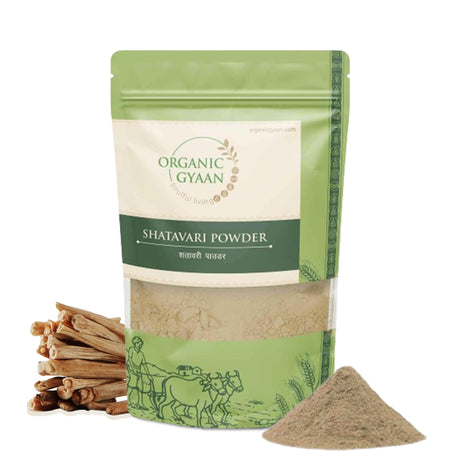
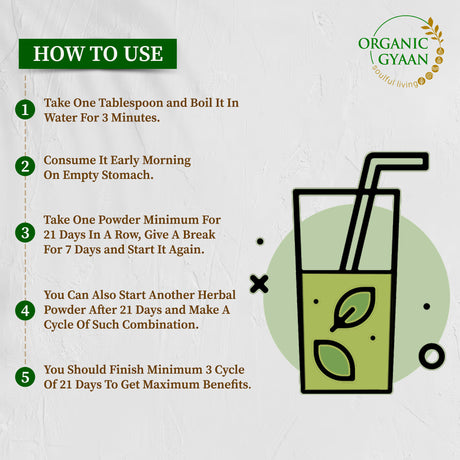
A thoughtfully curated Diabetes Wellness Basket includes these supportive ingredients to help maintain daily consistency.
These do not replace medical treatment - but they complement a structured lifestyle plan.
Always consult your healthcare provider before adding supplements.
Common Mistakes to Avoid
- Assuming “healthy” packaged food is safe
- Ignoring sodium in labels
- Overeating fruit
- Skipping blood tests
- Self-prescribing high-protein diets
Kidney disease and diabetes require discipline.
Research-Backed Benefits of Diet Control
Studies show that reducing sodium and controlling glucose:
- Slow kidney decline
- Reduce protein in urine
- Improve blood pressure
- Lower heart risk
Small food choices create long-term impact.
Key Takeaways
- Diabetes is a leading cause of kidney disease.
- The 5 foods to avoid with kidney disease and diabetes include processed foods, refined sugar, refined grains, excess protein, and high-sodium items.
- Whole millets are better than refined rice or flour.
- Portion control is essential.
- Natural supportive ingredients may complement your routine.
Conclusion
Living with kidney disease and diabetes may feel overwhelming, but food gives you control. Avoiding the 5 foods to avoid with kidney disease and diabetes - processed foods, refined sugar, refined grains, excess protein, and high-sodium items - protects both your kidneys and your blood sugar stability.
Choose fresh, home-cooked meals. Use fiber-rich millets. Add moderate plant protein. Include healthy fats like A2 Bilona Ghee. Support your routine with a well-planned Diabetes Wellness Basket to stay consistent.
Small daily decisions protect your long-term health. If this guide helped you understand what to avoid, share it with someone managing kidney disease and diabetes who needs practical clarity.