Suddenly Shaky, Weak, or Moody? It Might Be Low Blood Sugar
Many people have felt dizzy, angry, hungry, or confused all of a sudden. This usually happens when your body doesn't have enough glucose (sugar) to work properly.
So, the most important thing to learn is: what to eat when blood sugar is low and how to bring it back to normal in a safe way.
Low blood sugar, also known as hypoglycemia, can happen to people with diabetes. But it can also affect those without diabetes - especially if you skip meals, work out too hard, fall sick, or don’t eat well.
Knowing the right food for low blood sugar helps you feel better quickly and keeps you healthy in the long run.
What is Low Blood Sugar (Hypoglycemia)?
Hypoglycemia means your blood sugar level has dropped below 70 mg/dL.
Glucose is your body’s main fuel - especially for your brain. When your body doesn’t get enough, it shows signs to warn you.
Signs of Low Blood Sugar
- Shaking or trembling
- Sudden hunger
- Feeling weak or tired
- Dizziness or headache
- Sweating
- Fast heartbeat
- Confusion
- Mood swings or anxiety
If not treated quickly, very low sugar can lead to fainting or seizures. That’s why knowing what to eat when blood sugar is low is very important.
What Causes Low Blood Sugar?
Here are some common reasons:
- Skipping meals
- Eating too little
- Exercising without eating first
- Taking too much diabetes medicine
- Illness, stress, or hormone changes
Since low sugar can happen suddenly, keeping the right food for low blood sugar nearby is always helpful.
10 Best Foods to Treat Low Blood Sugar Naturally
Here are 10 real and natural foods that help you handle low blood sugar. These are also perfect for hypoglycemia self-care.
1. Fresh Fruits
Best choices: Banana, Apple, Grapes, Papaya
Fresh fruits are rich in natural sugars (mainly fructose and glucose), which are quickly absorbed by your body. These sugars help restore normal blood sugar levels within minutes. Unlike processed sugar, fruits also provide fiber, vitamins, and antioxidants - giving you energy without causing a sugar crash later.
Why it's helpful:
Simple sugars in fruits are digested quickly, giving you fast relief from shakiness, dizziness, or weakness. Plus, fruits like bananas and grapes are soft and easy to chew even when you're feeling faint.
How to consume:
- Eat ½ a banana or 1 small apple
- A handful of grapes (15–20)
- Keep small bananas or cut fruit handy in your bag or kitchen
2. Dates or Raisins
Quick, portable sugar fix
These dried fruits are natural powerhouses of quick-release sugars. Dates and raisins don’t need preparation and can be eaten directly, making them perfect for travel or emergency low-sugar moments.
Why it's helpful:
Just 2–3 dates or 1 tablespoon of raisins can raise your blood sugar rapidly. They also provide potassium, iron, and antioxidants - unlike candies or sugary drinks that give only empty calories.
How to consume:
- Carry a small pouch of raisins or dates in your pocket or purse
- Add them to a bowl of roasted chana or a millet snack for better balance
3. Fresh Fruit Juice
Best choices: Orange, Pomegranate, Apple (unsweetened)
Juice works even faster than whole fruit because it’s already in liquid form, which gets into the bloodstream quickly. A small glass can bring instant relief from fatigue, foggy thinking, or irritability caused by low blood sugar.
Why it's helpful:
Fruit juice contains glucose and fructose in a form that doesn’t need chewing or digesting. It also rehydrates you - which is helpful if your sugar dip is caused by dehydration or heat.
How to consume:
- Drink ½ cup (120 ml) of fresh juice
- Avoid packaged juice - it usually contains added sugars and preservatives
4. Honey
Nature’s instant energy
Honey contains glucose and fructose in nearly equal amounts, which means it offers both quick and slightly sustained energy. It's also soothing and easy to digest.
Why it's helpful:
Honey gives an instant lift when you’re shaky or moody. Plus, it's loaded with antioxidants and antimicrobial compounds that support your immune system.
How to consume:
- Take 1 teaspoon directly
- Mix it in warm water or spread on toast or cracker
5. Glucose Tablets or Powder
The fastest fix
Glucose products are designed specifically for quick sugar correction. They’re predictable, reliable, and often used by people with diabetes.
Why it's helpful:
Unlike other foods, glucose goes straight into your bloodstream with no digestion needed. It raises sugar within 5–10 minutes and is easy to measure.
How to consume:
- Take 3–4 glucose tablets or 15g of glucose powder mixed in water
- Always follow the 15–15 rule: take 15g, wait 15 minutes, check sugar
6. Whole Grain Toast or Crackers
Sustained energy after initial recovery
After treating the low with something fast-acting (like juice or honey), you need a slow-release food to avoid another dip. Whole grains work perfectly.
Why it's helpful:
Whole wheat or millet crackers have fiber and complex carbs that digest slowly, giving you steady energy over the next few hours.
How to consume:
- Eat 1 slice of whole grain toast or 3–4 crackers
- Add A2 ghee or peanut butter to add healthy fats and improve blood sugar stability
7. Palm Jaggery Powder
Traditional, natural sweetener
Palm jaggery powder is a healthier alternative to white sugar or processed sweets. It provides quick energy like regular jaggery, but it also offers minerals like iron, potassium, and magnesium - which are great for fatigue.
Why it's helpful:
It raises sugar without causing a big spike or crash. Plus, it supports digestion and is less likely to irritate the stomach.
How to consume:
- Mix 1 teaspoon in warm water
- Sprinkle on fruits or mix with roasted chana
8. Millet-Based Foods
Prevention + Recovery
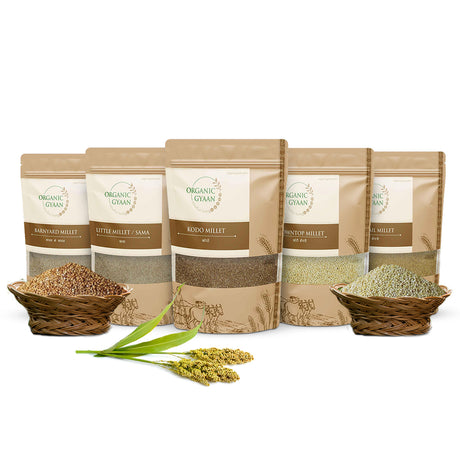
Millets like foxtail, kodo, and ragi have a low glycemic index, meaning they help keep your blood sugar stable after recovery from a low. They’re also high in fiber, iron, and B vitamins - making them perfect for long-term sugar balance.
Why it's helpful:
If you experience frequent sugar dips, millets in your diet can reduce their frequency. They give sustained energy and improve digestion too.
How to consume:
- Millet upma, roti, or khichdi
- Millet ladoos with nuts and seeds
9. Roasted Chana (Bengal Gram)
High protein + complex carbs
Roasted chana is a great snack to stabilize sugar levels after you’ve treated the low. It doesn’t raise sugar quickly but keeps it from falling again.
Why it's helpful:
It’s rich in fiber and protein, which slows digestion and keeps your energy steady.
How to consume:
- Eat 2 tablespoons alone or with jaggery or raisins
- Mix into homemade trail mix for better flavor and nutrition
10. Homemade Energy Laddoos
Quick + slow energy in one
Laddoos made from nuts, seeds, millets, and palm jaggery offer a combination of fast and sustained energy. They also provide healthy fats, minerals, and fiber.
Why it's helpful:
Perfect snack when you're feeling drained or after a sugar dip. It’s especially useful for people with active routines or those who fast.
How to consume:
- Eat 1 small ladoo after initial sugar correction
- Store them at home or carry while traveling
Hypoglycemia Self-Care Tips
Handling low blood sugar isn’t just about what you eat - it’s also about your daily habits.
Simple tips:
- Eat your meals on time
- Don’t skip breakfast
- Keep emergency snacks with you
- Don’t go too long without food
- Drink enough water
- Eat balanced meals with carbs, protein, and fats
Following these habits helps avoid many low sugar situations.
Conclusion
Knowing what to eat when blood sugar is low helps you recover quickly and avoid bigger health problems.
Fruits, jaggery, honey, and dry fruits act fast. Whole grains, millets, and chana help maintain your sugar afterward.
With the right food for low blood sugar and simple hypoglycemia self-care habits, you can stay healthy, balanced, and full of energy every day.