


Best Diabetes-Friendly Vegetarian Grilling Recipes for Summer
By Organic Gyaan
Fire up the grill without spiking blood sugar! Explore easy diabetic grilling recipes with paneer, tofu & Ayurvedic herbs for a healthy summer BBQ season.
Read more
Jau Atta | Barley Flour

Jau Atta | Barley Flour - 900 Gm is backordered and will ship as soon as it is back in stock.
Premium jau atta stone-ground from whole barley - rich in beta-glucan fibre, low GI, and completely free from chemicals. Great for rotis, porridge, baking, and weight management.
Our jau atta is made from carefully selected barley grains, milled the old-fashioned way - stone to stone. This slow, low-heat grinding keeps all the natural fibre, nutrients, and flavour intact. No bleaching, no additives, nothing extra. Just pure barley flour the way it's meant to be.
Known as Yava in Ayurveda, barley has been used in Indian homes for centuries for its cooling and digestive properties. Today, science backs what our ancestors already knew - barley is one of the richest sources of beta-glucan, a fibre that's genuinely good for your heart, gut, and blood sugar.


| Nutrient | Approx. Value |
|---|---|
| Calories | ~354 kcal |
| Protein | ~12.5 g |
| Carbohydrates | ~73.5 g |
| Dietary Fibre | ~17.3 g |
| Total Fat | ~2.3 g |
| Iron | ~3.6 mg |
| Magnesium | ~79 mg |
| Selenium | ~37.7 mcg |

Certainly, the process you're describing involves soaking the millets, sun-drying them, and then stone-grinding them to create activated flour. This method is commonly used in traditional food preparation and has its own set of benefits.
Here's a more detailed step-by-step guide based on the process you've mentioned:
1. Soaking:
2. Sun Drying:
3. Stone Grinding:
4. Sieve if Necessary:
Activated millet flour obtained through this process is likely to have a distinct flavor and nutritional profile due to the traditional methods used. It can be used in a variety of recipes, such as bread, pancakes, or other baked goods. Always follow food safety guidelines and use the activated millet flour as specified in your recipes.
1. What is jau atta?
Jau atta is barley flour - made by grinding whole barley grains. It's high in fibre, low GI, and widely used in Indian kitchens for rotis, porridge, and health drinks.
2. Is jau atta good for weight loss?
Yes. Its high fibre content (especially beta-glucan) keeps you full for longer and helps control appetite naturally.
Jau atta has a low glycemic index, so it causes a slow, gradual rise in blood sugar. It's generally a good choice for diabetics - but always check with your doctor for personal advice.
4. How should I store jau atta?
Keep in an airtight container in a cool, dry place. In hot or humid weather, refrigerating it helps maintain freshness longer.
5. Does jau atta contain gluten?
Yes, jau atta contains a form of gluten (hordein). It is not suitable for people with celiac disease. Those with mild gluten sensitivity may tolerate it better than wheat flour, but please check with your doctor.

By Organic Gyaan
Fire up the grill without spiking blood sugar! Explore easy diabetic grilling recipes with paneer, tofu & Ayurvedic herbs for a healthy summer BBQ season.
Read more
By Organic Gyaan
Is sugar completely off-limits if you have diabetes, or is there a safe amount? This question worries almost everyone who is living with diabetes - or taking care of someone...
Read more
By Organic Gyaan
Wondering which thandai to choose? We compare Organic Gyaan and Guruji Thandai by ingredients, health value, and taste to help you pick the best.
Read more
By Organic Gyaan
Explore 11 wholesome foxtail millet recipes without onion or garlic. Nutritious, sattvic, and easy to make - ideal for everyday meals or fasting.
Read more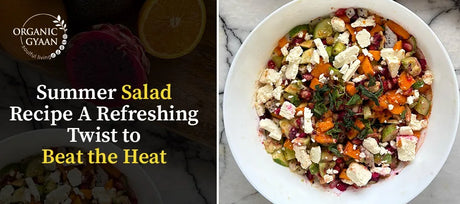
By Organic Gyaan
Stay cool with this vibrant summer salad! Packed with millets, dragon fruit, A2 ghee & more—refreshing, nutritious, and perfect for sunny days!
Read more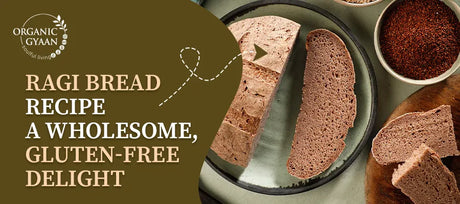
By Organic Gyaan
Soft, gluten-free, and nutrient-rich—this ragi bread recipe is your perfect healthy switch, packed with calcium, fiber, and ancient Indian wellness.
Read more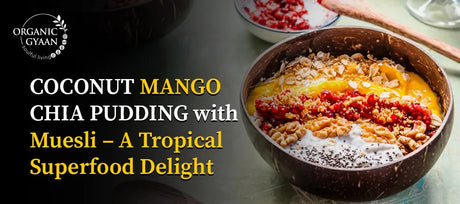
By Organic Gyaan
Cool, creamy, and crunchy—Coconut Mango Chia Pudding with Muesli is your perfect plant-based treat, packed with fiber, protein, and tropical flavor!
Read more
By Organic Gyaan
Fight seasonal flu with this vegan, garlic-free immunity soup made with ragi, ginger & veggies. Easy to digest, warming, and packed with nutrients!
Read moreWe currently ship to the United States, Canada, Australia and the UK. To enquire about shipping to a different destination, please contact us.
Standard shipping normally takes 3-5 days. Next day shipping is available on all domestic orders (for an additional charge). International shipping times depend on the products and destination (estimated at checkout).
Items must be returned within 30 days after receiving your order. Items must be returned in the same condition in which they were received, be unworn/unused, have any tags still attached, and include all the original packaging.
Refunds are processed within 7 days from when we receive the item(s).

Premium jau atta stone-ground from whole barley - rich in beta-glucan fibre, low GI, and completely free from chemicals. Great for rotis, porridge, baking, and weight management.
Our jau atta is made from carefully selected barley grains, milled the old-fashioned way - stone to stone. This slow, low-heat grinding keeps all the natural fibre, nutrients, and flavour intact. No bleaching, no additives, nothing extra. Just pure barley flour the way it's meant to be.
Known as Yava in Ayurveda, barley has been used in Indian homes for centuries for its cooling and digestive properties. Today, science backs what our ancestors already knew - barley is one of the richest sources of beta-glucan, a fibre that's genuinely good for your heart, gut, and blood sugar.
| Nutrient | Approx. Value |
|---|---|
| Calories | ~354 kcal |
| Protein | ~12.5 g |
| Carbohydrates | ~73.5 g |
| Dietary Fibre | ~17.3 g |
| Total Fat | ~2.3 g |
| Iron | ~3.6 mg |
| Magnesium | ~79 mg |
| Selenium | ~37.7 mcg |
Certainly, the process you're describing involves soaking the millets, sun-drying them, and then stone-grinding them to create activated flour. This method is commonly used in traditional food preparation and has its own set of benefits.
Here's a more detailed step-by-step guide based on the process you've mentioned:
1. Soaking:
2. Sun Drying:
3. Stone Grinding:
4. Sieve if Necessary:
Activated millet flour obtained through this process is likely to have a distinct flavor and nutritional profile due to the traditional methods used. It can be used in a variety of recipes, such as bread, pancakes, or other baked goods. Always follow food safety guidelines and use the activated millet flour as specified in your recipes.
1. What is jau atta?
Jau atta is barley flour - made by grinding whole barley grains. It's high in fibre, low GI, and widely used in Indian kitchens for rotis, porridge, and health drinks.
2. Is jau atta good for weight loss?
Yes. Its high fibre content (especially beta-glucan) keeps you full for longer and helps control appetite naturally.
Jau atta has a low glycemic index, so it causes a slow, gradual rise in blood sugar. It's generally a good choice for diabetics - but always check with your doctor for personal advice.
4. How should I store jau atta?
Keep in an airtight container in a cool, dry place. In hot or humid weather, refrigerating it helps maintain freshness longer.
5. Does jau atta contain gluten?
Yes, jau atta contains a form of gluten (hordein). It is not suitable for people with celiac disease. Those with mild gluten sensitivity may tolerate it better than wheat flour, but please check with your doctor.
Weight

HIGH NUTRITIONAL VALUE
Organic foods preserve far more vitamins & minerals

NO CHEMICALS & PESTICIDES
We don’t use artificial fertilisers or additives in our food

CERTIFIED ORGANIC SOURCES
Our products quality is verified by top certification bodies

PRESERVES THE ENVIRONMENT
Sustainable farming ensures soil conversation & reduced air pollution
