येथे एक आश्चर्यकारक तथ्य आहे: मधुमेह असलेले बरेच लोक साखर वाढण्याची भीती असल्याने फळे पूर्णपणे टाळतात - तरीही काही फळे योग्य प्रकारे खाल्ल्यास रक्तातील साखरेचे नियंत्रण चांगले करू शकतात. असेच एक फळ म्हणजे चेरी.
चेरी गोड, रसाळ आणि चविष्ट असतात, ज्यामुळे मधुमेह असलेल्या लोकांसाठी स्वाभाविकच एक मोठा प्रश्न निर्माण होतो: चेरी मधुमेहींसाठी चांगल्या आहेत का, की त्या टाळाव्यात?
या ब्लॉगमध्ये, आम्ही त्या प्रश्नाचे प्रामाणिक आणि सोप्या पद्धतीने उत्तर देऊ. चेरी रक्तातील साखरेवर कसा परिणाम करतात हे तुम्हाला कळेल, चेरीचे पौष्टिक मूल्य समजून घ्याल, संशोधन काय म्हणते ते जाणून घ्याल आणि मधुमेह-अनुकूल आहारात चेरीचा समावेश करण्याचे सोपे, व्यावहारिक मार्ग शोधून काढाल. आम्ही नैसर्गिक उपाय आणि वनस्पती-आधारित अन्नांवर देखील स्पर्श करू जे एकूण आरोग्यास समर्थन देतात.
चेरी मधुमेहींसाठी चांगल्या आहेत का? एक साधे उत्तर
हो, चेरी कमी प्रमाणात खाल्ल्यास मधुमेहींसाठी चांगल्या असतात.
चेरी गोड चवीच्या असल्या तरी, त्या शरीरात साखरेच्या मिठाई किंवा प्रक्रिया केलेल्या मिठाईंसारख्या वागत नाहीत. त्यामध्ये नैसर्गिक साखर, फायबर, अँटिऑक्सिडंट्स आणि वनस्पती संयुगे असतात जे साखरेचे शोषण कमी करण्यास आणि जळजळ कमी करण्यास मदत करतात.
मुख्य म्हणजे भाग आकार, वेळ आणि अन्न संयोजन. योग्यरित्या खाल्ल्यास, चेरी मधुमेहींच्या आहाराचा एक निरोगी आणि आनंददायी भाग असू शकतात.
चेरीचे पौष्टिक मूल्य समजून घेणे
चेरी का उपयुक्त ठरू शकतात हे समजून घेण्यासाठी, चेरीचे पौष्टिक मूल्य पाहूया.
एक कप ताज्या चेरीमध्ये हे समाविष्ट आहे:
- नैसर्गिक कर्बोदके
- आहारातील फायबर
- व्हिटॅमिन सी
- पोटॅशियम
- अँथोसायनिन्स सारखे शक्तिशाली अँटिऑक्सिडंट्स
चेरी आहेत:
- कमी चरबीयुक्त
- कोलेस्टेरॉलपासून मुक्त
- नैसर्गिकरित्या हायड्रेटिंग
- वनस्पती पोषक तत्वांनी समृद्ध
चेरीमध्ये असलेले फायबर पचनक्रिया मंदावण्यास मदत करते, म्हणजेच साखर हळूहळू रक्तप्रवाहात प्रवेश करते. हेच एक कारण आहे की पोषण तज्ञ म्हणतात की चेरी मधुमेहींसाठी चांगल्या आहेत का हे पूर्णपणे काढून टाकण्यापेक्षा प्रमाणावर अवलंबून असते.
चेरी रक्तातील साखर लवकर का वाढवत नाहीत?
सर्व गोड पदार्थ रक्तातील साखरेचे प्रमाण सारखेच वाढवत नाहीत. चेरीचा ग्लायसेमिक इंडेक्स कमी असतो, म्हणजेच ते रक्तात हळूहळू साखर सोडतात.
मधुमेहासाठी हे महत्वाचे आहे कारण:
- साखरेचे हळूहळू उत्सर्जन अचानक वाढण्यास प्रतिबंध करते
- रक्तातील साखरेची पातळी अधिक स्थिर राहते
- ऊर्जेची पातळी संतुलित राहते
मिठाई, बेकरी आयटम किंवा साखरयुक्त पेयांच्या तुलनेत, जेव्हा तृष्णा येते तेव्हा चेरी हा एक सुरक्षित पर्याय आहे.
मधुमेह असलेल्या लोकांसाठी चेरीचे आरोग्य फायदे
१. रक्तातील साखरेची पातळी नियंत्रित करण्यास मदत करते
लोक विचारण्याचे सर्वात मोठे कारणांपैकी एक रक्तातील साखरेचे नियंत्रण असल्याने चेरी मधुमेहींसाठी चांगल्या असतात का? चेरीमध्ये असे संयुगे असतात जे शरीर ग्लुकोज कसे हाताळते हे सुधारण्यास मदत करतात.
त्यांचे फायबर आणि अँटिऑक्सिडंट्स एकत्रितपणे काम करतात:
- साखरेचे शोषण मंदावते.
- इन्सुलिन संवेदनशीलता सुधारा
- अचानक साखरेचे वाढलेले आणि कमी होणारे प्रमाण कमी करा
यामुळे विचारपूर्वक समाविष्ट केल्यास चेरी ही एक स्मार्ट फळ निवड बनते.
२. इंसुलिनच्या कार्याला समर्थन देणारे अँटीऑक्सिडंट्स समृद्ध
चेरीचा गडद लाल रंग अँथोसायनिन्स नावाच्या अँटिऑक्सिडंट्सपासून येतो. हे संयुगे इन्सुलिन उत्पादनास समर्थन देण्यासाठी आणि इन्सुलिन प्रतिरोध कमी करण्यासाठी ओळखले जातात.
अभ्यास असे सूचित करतात की अँथोसायनिन्स मदत करू शकतात:
- पेशी इन्सुलिनला कसा प्रतिसाद देतात ते सुधारा
- कमी जळजळ
- दीर्घकालीन मधुमेहाच्या गुंतागुंतीपासून संरक्षण करा
हे अँटिऑक्सिडंट समर्थन चेरीच्या मजबूत पौष्टिक मूल्यात भर घालते.
३. शरीरातील जळजळ कमी करा
मधुमेहात जळजळ ही एक लपलेली समस्या आहे. दीर्घकाळ जळजळ इन्सुलिन प्रतिरोधकता वाढवू शकते आणि गुंतागुंत होण्याचा धोका वाढवू शकते.
चेरीमध्ये नैसर्गिक दाहक-विरोधी संयुगे असतात जे मदत करतात:
- जळजळ शांत करा
- सांध्यांच्या आरोग्याला आधार द्या
- एकूण चयापचय आरोग्य सुधारा
यामुळे चेरी केवळ रक्तातील साखरेसाठीच नाही तर एकूण आरोग्यासाठी देखील उपयुक्त ठरते.
४. हृदयाच्या आरोग्याला आधार द्या
मधुमेह असलेल्या लोकांना हृदयरोगाचा धोका जास्त असतो. चेरी अनेक प्रकारे हृदयाच्या आरोग्यास मदत करतात:
- पोटॅशियम रक्तदाब नियंत्रित करण्यास मदत करते
- अँटिऑक्सिडंट्स ऑक्सिडेटिव्ह ताण कमी करतात
- फायबर निरोगी कोलेस्टेरॉल पातळीला आधार देते
चेरी नैसर्गिकरित्या चरबीमुक्त आणि सोडियमचे प्रमाण कमी असल्याने, ते हृदयाला अनुकूल फळांचा पर्याय आहेत.
५. गोड पदार्थांची इच्छा पूर्ण करण्याचा एक नैसर्गिक मार्ग
गोड चव पूर्णपणे टाळल्याने अनेकदा नंतर जास्त खाण्याची इच्छा निर्माण होते. चेरी रिफाइंड साखरेशिवाय नैसर्गिक गोडवा देतात.
सोबत खाल्ल्यावर:
ते एक संतुलित नाश्ता बनतात जे रक्तातील साखर नियंत्रित ठेवताना चवीच्या कळ्यांना समाधान देतात.
चेरी आणि मधुमेहाबद्दल संशोधन काय म्हणते
अनेक अभ्यासांमधून असे दिसून आले आहे की चेरी योग्यरित्या खाल्ल्यास मधुमेहींसाठी चांगली असतात.
- न्यूट्रिशन जर्नल्समध्ये प्रकाशित झालेल्या संशोधनातून असे दिसून आले आहे की चेरी उपवासाच्या रक्तातील साखरेची पातळी कमी करण्यास मदत करू शकतात.
- अभ्यासातून असे दिसून आले आहे की चेरीचे सेवन जळजळ आणि ऑक्सिडेटिव्ह ताण कमी करण्याशी संबंधित आहे.
- हेल्थलाइन सारखे विश्वसनीय आरोग्य प्लॅटफॉर्म पुष्टी करतात की जेव्हा भागाचा आकार नियंत्रित केला जातो तेव्हा चेरी मधुमेह-अनुकूल आहारात बसू शकतात.
हे निष्कर्ष केवळ चवीपेक्षा जास्त चेरीच्या मजबूत पौष्टिक मूल्यांना बळकटी देतात.
मधुमेह असल्यास चेरी सुरक्षितपणे कसे खावे
येथे सोप्या, व्यावहारिक टिप्स आहेत ज्या तुम्ही फॉलो करू शकता:
१. भागाचा आकार नियंत्रित करा
प्रत्येक सर्व्हिंगसाठी अर्धा कप ते एक कप घ्या. एकाच वेळी खूप जास्त खाल्ल्याने रक्तातील साखर वाढू शकते.
२. ताज्या किंवा गोड न केलेल्या गोठवलेल्या चेरी निवडा.
कॅन केलेला चेरी, सिरप आणि साखरेसह पॅक केलेले चेरी उत्पादने टाळा.
३. चेरीचे सेवन प्रथिने किंवा निरोगी चरबीसोबत करा.
काजू किंवा बियांसह चेरी खाल्ल्याने साखरेचे शोषण कमी होते आणि तुमचे पोट जास्त काळ टिकते.
४. चेरीचा रस टाळा
रस फायबर काढून टाकतात आणि साखरेचे प्रमाण वाढवतात, ज्यामुळे ते मधुमेहासाठी अयोग्य बनतात.
५. दिवसा लवकर चेरी खा.
रात्री उशिरा खाण्यापेक्षा नाश्त्यात किंवा दुपारच्या जेवणात चेरी खाल्ल्याने साखरेचे प्रमाण चांगले नियंत्रणात राहते.
पारंपारिक, नैसर्गिक पदार्थांसह चेरीचे मिश्रण करणे
चेरी संपूर्ण, नैसर्गिक पदार्थांसोबत एकत्र केल्यास उत्तम काम करतात जसे की:
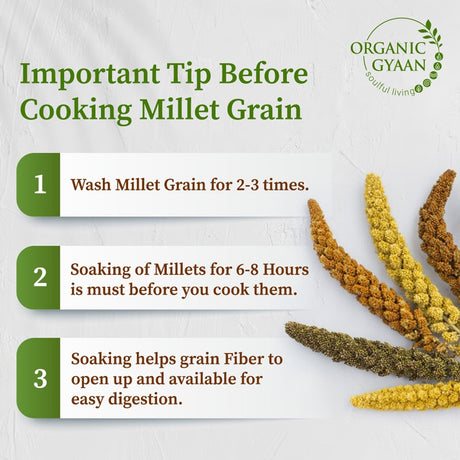
- बाजरी
- सुका मेवा
- बियाणे
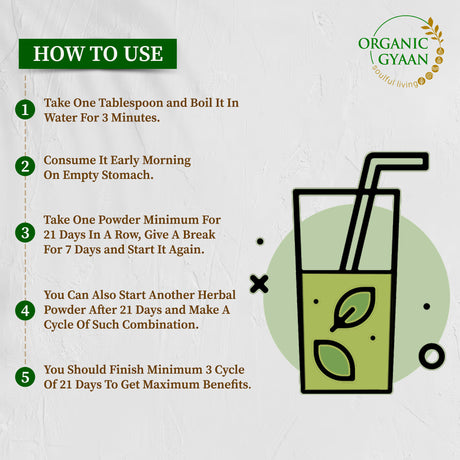
- हर्बल पावडर
चेरी, भिजवलेले बदाम आणि शिजवलेले बाजरी घालून बनवलेले वाटी एक संतुलित, पौष्टिक जेवण तयार करते जे रक्तातील साखरेचे प्रमाण स्थिर ठेवते.
चेरी खाताना टाळायच्या सामान्य चुका
चेरी आरोग्यदायी असल्या तरी, या चुका टाळा:
- एकाच वेळी मोठ्या प्रमाणात खाणे
- साखरेच्या मिष्टान्नांसह चेरी एकत्र करणे
- संपूर्ण फळे खाण्याऐवजी चेरीचा रस पिणे
- एकूण जेवण संतुलनाकडे दुर्लक्ष करणे
लक्षात ठेवा, मधुमेहींसाठी चेरी चांगल्या का आहेत याचे मुख्य कारण म्हणजे संयम.
निष्कर्ष
तर, चेरी मधुमेहींसाठी चांगल्या आहेत का?
हो, ते योग्य पद्धतीने खाल्ले तरच होतात.
चेरीमध्ये अँटिऑक्सिडंट्स, फायबर आणि आवश्यक पोषक तत्वांचा समावेश असलेले मजबूत पौष्टिक मूल्य असते. ते जळजळ कमी करण्यास, हृदयाच्या आरोग्यास समर्थन देण्यास आणि नैसर्गिकरित्या गोड पदार्थांची इच्छा पूर्ण करण्यास मदत करतात.
मुख्य म्हणजे जाणीवपूर्वक खाणे:
- लहान भाग खा.
- फायबर आणि प्रथिने सह संयोजनात खा
- संपूर्ण, ताज्या चेरी निवडा.
- पारंपारिक पदार्थांसह त्यांचे संतुलन करा
जर सुज्ञपणे समाविष्ट केले तर, चेरी मधुमेह-अनुकूल, शाकाहारी आहाराचा एक स्वादिष्ट आणि आरोग्यदायी भाग असू शकतात.