अगर आप मधुमेह से पीड़ित हैं, तो हर निवाला मायने रखता है - खासकर स्नैक्स के मामले में। एक आम सवाल यह है: क्या बादाम खाने से ब्लड शुगर बढ़ता है? या सकारात्मक रूप से कहें तो, क्या बादाम मधुमेह रोगियों के लिए फायदेमंद हैं?
इसका सीधा जवाब है: नहीं, बादाम खाने से ब्लड शुगर लेवल नहीं बढ़ता। बल्कि, ये इसे स्थिर रखने में मदद कर सकते हैं। बादाम में भरपूर मात्रा में हेल्दी फैट, फाइबर, प्रोटीन और जरूरी मिनरल्स होते हैं, इसलिए ब्लड शुगर लेवल को नियंत्रित करने वाले किसी भी व्यक्ति के लिए ये एक अच्छा विकल्प हैं।
आइए जानें कि बादाम रक्त शर्करा के साथ कैसे प्रतिक्रिया करते हैं और मधुमेह रोगियों के लिए इन्हें अक्सर क्यों सुझाया जाता है।
1. क्या बादाम खाने से रक्त शर्करा का स्तर बढ़ता है?
बादाम का ग्लाइसेमिक इंडेक्स (जीआई) कम होता है, जिसका अर्थ है कि ये रक्त शर्करा के स्तर में अचानक वृद्धि नहीं करते बल्कि धीरे-धीरे और स्थिर रूप से वृद्धि करते हैं। यही कारण है कि ये मधुमेह के प्रबंधन के लिए एक आदर्श भोजन हैं।
मेटाबोलिज्म नामक पत्रिका में प्रकाशित एक अध्ययन में पाया गया कि टाइप 2 मधुमेह से पीड़ित जिन लोगों ने बादाम का सेवन किया, उनमें भोजन के बाद ग्लूकोज का स्तर कम हुआ और इंसुलिन संवेदनशीलता में सुधार हुआ।
तो, अगर आप पूछ रहे हैं कि क्या बादाम खाने से रक्त शर्करा का स्तर बढ़ता है, तो सबूत बताते हैं कि वे वास्तव में इसे नियंत्रित करने में मदद करते हैं।
2. क्या बादाम मधुमेह रोगियों के लिए अच्छे हैं? जानिए क्यों।
आइए विस्तार से समझते हैं कि बादाम न केवल सुरक्षित हैं, बल्कि मधुमेह रोगियों के लिए फायदेमंद भी हैं।
ए. मैग्नीशियम की मात्रा अधिक
टाइप 2 मधुमेह से पीड़ित कई लोगों में मैग्नीशियम की कमी होती है, जिससे इंसुलिन संवेदनशीलता प्रभावित होती है। बादाम मैग्नीशियम का एक समृद्ध स्रोत हैं - केवल एक औंस से ही आपकी दैनिक आवश्यकता का लगभग 20% प्राप्त हो जाता है। यह खनिज रक्त शर्करा के बेहतर नियमन में सहायक होता है।
b. फाइबर से भरपूर
बादाम में प्रति सर्विंग लगभग 3.5 ग्राम फाइबर होता है। फाइबर पाचन और शर्करा के अवशोषण को धीमा करता है, जिससे भोजन के बाद रक्त शर्करा में अचानक वृद्धि को रोकने में मदद मिलती है।
सी. स्वस्थ वसा
बादाम में मौजूद मोनोअनसैचुरेटेड फैट हृदय स्वास्थ्य के लिए अच्छे होते हैं और कोलेस्ट्रॉल के स्तर को बेहतर बनाने में मदद करते हैं - जो कई मधुमेह रोगियों के लिए एक प्रमुख चिंता का विषय है। ये कार्बोहाइड्रेट के पाचन को धीमा करने में भी सहायक होते हैं, जिससे रक्त शर्करा को नियंत्रित करने में मदद मिलती है।
डी. प्राकृतिक पादप प्रोटीन
एक औंस बादाम में लगभग 6 ग्राम वनस्पति-आधारित प्रोटीन होता है, जो तृप्ति और स्थिर रक्त शर्करा स्तर बनाए रखने में सहायक होता है।
ई. इंसुलिन के कार्य में सहायक
कुछ अध्ययनों से पता चलता है कि बादाम इंसुलिन के कार्य को बेहतर बनाने में मदद कर सकते हैं, जिससे शरीर चीनी का अधिक कुशलता से उपयोग कर सकता है - यही एक और कारण है कि बादाम मधुमेह रोगियों के लिए अच्छे होते हैं।
3. मधुमेह रोगी कितने बादाम खा सकते हैं?
बादाम सेहतमंद तो होते हैं, लेकिन उनमें कैलोरी भी बहुत अधिक होती है। मधुमेह से पीड़ित अधिकांश लोगों के लिए बादाम की उचित मात्रा इस प्रकार है:
- प्रतिदिन 1 औंस (लगभग 23-25 बादाम)
आप बादाम का आनंद ले सकते हैं:
- सुबह या शाम के नाश्ते के रूप में
- सलाद या स्टिर-फ्राई में बारीक काटकर डालें
- कम कार्ब वाले बेकिंग के लिए बादाम का आटा पीस लें
- साबुत अनाज के टोस्ट पर बादाम का मक्खन लगाकर खाएं।
4. रक्त शर्करा नियंत्रण के लिए बादाम खाने के सर्वोत्तम तरीके
इसके फायदों का आनंद लेने के लिए, बादाम के इन स्वास्थ्यवर्धक विकल्पों पर ध्यान दें:
- कच्चे बादाम – प्राकृतिक और बिना संसाधित
- भीगे हुए बादाम – पचाने में आसान
- बिना नमक वाले भुने बादाम – कुरकुरे और संतोषजनक
- बादाम का मक्खन – फलों या साबुत अनाज के क्रैकर्स पर आसानी से फैलता है
- बादाम का आटा – सामान्य आटे का कम कार्बोहाइड्रेट वाला विकल्प
टालना :
- शहद में भुने हुए या सुगंधित बादाम (अक्सर चीनी या नमक की मात्रा अधिक होती है)
- चीनी या चॉकलेट से ढके बादाम
5. बादाम के साथ-साथ अन्य प्राकृतिक रक्त शर्करा सहायक पदार्थों का सेवन करें।
बादाम से अधिकतम लाभ प्राप्त करने के लिए, इसे संतुलित और संपूर्ण आहार का हिस्सा बनाना चाहिए। यहाँ कुछ बेहतरीन प्राकृतिक विकल्प दिए गए हैं:
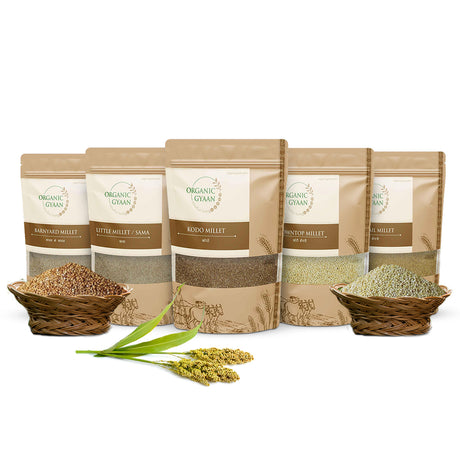
a) बाजरा (सिरीधान्य):
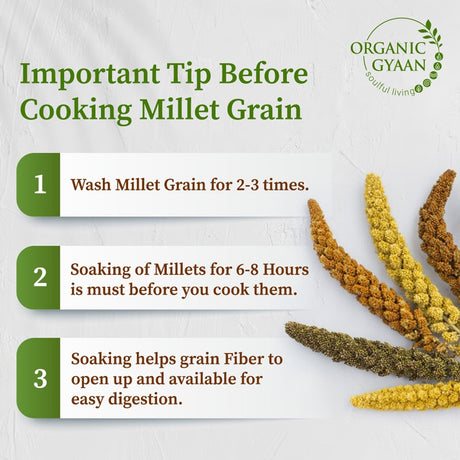
फॉक्सटेल, कोडो और अन्य बाजरा कम ग्लाइसेमिक इंडेक्स वाले अनाज हैं जो शर्करा के स्तर को स्थिर बनाए रखने में मदद करते हैं।
b) ए2 गिर गाय का घी:
यह स्वास्थ्यवर्धक वसा पाचन क्रिया में सहायक है और इंसुलिन संवेदनशीलता को बेहतर बना सकती है। इसे खाना पकाने में या भोजन पर छिड़कने के लिए इस्तेमाल करें।
ग) ताड़ के गुड़ का पाउडर (सीमित मात्रा में)
परिष्कृत चीनी के विपरीत, ताड़ का गुड़ आयरन और खनिजों के साथ-साथ धीरे-धीरे ऊर्जा प्रदान करता है।
घ) कोल्ड-प्रेस्ड तेल
नारियल, मूंगफली और तिल जैसे कोल्ड प्रेस्ड तेल बिना रसायनों के स्वस्थ वसा प्रदान करते हैं।
ई) आयुर्वेदिक जड़ी-बूटियाँ
आयुर्वेद में त्रिफला, मोरिंगा और जामुन के बीज के पाउडर जैसी जड़ी-बूटियों का उपयोग लंबे समय से रक्त शर्करा के संतुलन को बनाए रखने के लिए किया जाता रहा है।
6. बेहतर ब्लड शुगर नियंत्रण के लिए खान-पान संबंधी सुझाव
जीवनशैली में छोटे-छोटे बदलाव बड़ा फर्क ला सकते हैं। यहाँ कुछ सुझाव दिए गए हैं:
- संतुलित भोजन करें (कार्बोहाइड्रेट + प्रोटीन + वसा)
- भोजन के बीच लंबा अंतराल रखने से बचें
- बादाम या भुने हुए चने जैसे सेहतमंद स्नैक्स चुनें।
- परिष्कृत शर्करा और प्रसंस्कृत खाद्य पदार्थों का सेवन सीमित करें।
- हाइड्रेटेड रहें
- अपने खान-पान के विकल्पों में निरंतरता बनाए रखें।
निष्कर्ष
जी हां - बादाम न केवल सुरक्षित हैं बल्कि लाभकारी भी हैं। ये रक्त शर्करा को नियंत्रित करने में मदद करते हैं, इंसुलिन के कार्य को बेहतर बनाते हैं और समग्र स्वास्थ्य को बढ़ावा देते हैं।
आपके सवाल का जवाब: क्या बादाम से रक्त शर्करा बढ़ती है? बिलकुल नहीं। ये रक्त शर्करा को स्थिर रखने में मदद करते हैं, खासकर जब इन्हें सीमित मात्रा में और प्राकृतिक रूप में खाया जाए।
बेहतर ऊर्जा, पाचन और शर्करा प्रबंधन के लिए बाजरा, ए2 घी और कोल्ड-प्रेस्ड तेल जैसे अन्य पारंपरिक, पौधों पर आधारित खाद्य पदार्थों के साथ बादाम को अपने दैनिक आहार में शामिल करें।