आम दुनिया के सबसे पसंदीदा फलों में से एक है - रसीला, मीठा और उष्णकटिबंधीय स्वाद से भरपूर। लेकिन अगर आपको मधुमेह है, तो आप सोच रहे होंगे कि क्या इस फल का सेवन करना सुरक्षित है। कई लोगों का मानना है कि आम में बहुत ज़्यादा चीनी होती है, लेकिन क्या यह सच है?
आइए करीब से देखें और समझें कि क्या आम मधुमेह रोगियों के लिए अच्छा है, यह रक्त शर्करा को कैसे प्रभावित करता है, और आप बिना किसी चिंता के इसका आनंद कैसे ले सकते हैं।
आम: मीठा लेकिन पौष्टिक
आम सिर्फ एक स्वादिष्ट ग्रीष्मकालीन फल ही नहीं है। यह आपके शरीर के लिए आवश्यक महत्वपूर्ण पोषक तत्वों से भरपूर है। एक छोटे कप (लगभग 165 ग्राम) में निम्नलिखित पोषक तत्व होते हैं:
- लगभग 99 कैलोरी
- लगभग 25 ग्राम कार्बोहाइड्रेट (ज्यादातर प्राकृतिक शर्करा)
- 2.5 ग्राम फाइबर
- विटामिन सी और विटामिन ए
- एंटीऑक्सीडेंट
- पोटेशियम, फोलेट और तांबा
तो हाँ - आम में चीनी होती है, लेकिन यह फाइबर, विटामिन और ऐसे पादप यौगिक भी प्रदान करता है जो आपके समग्र स्वास्थ्य को बढ़ावा देते हैं।
क्या आम खाने से ब्लड शुगर बढ़ता है?
इसका सीधा सा जवाब है: हां, आम खाने से रक्त शर्करा का स्तर बढ़ता है, लेकिन जंक फूड या मिठाइयों की तरह नहीं।
उसकी वजह यहाँ है:
- आम में प्राकृतिक शर्करा होती है, इसमें मिलाई गई शर्करा नहीं होती।
- इसमें मौजूद फाइबर आपके रक्तप्रवाह में शर्करा के निकलने की प्रक्रिया को धीमा कर देता है।
- इसका ग्लाइसेमिक इंडेक्स (जीआई) लगभग 51-60 है, जिसे निम्न से मध्यम माना जाता है।
इसका मतलब है कि आम खाने से रक्त शर्करा का स्तर धीरे-धीरे बढ़ता है, अचानक नहीं। इसीलिए कई विशेषज्ञ मानते हैं कि सीमित मात्रा में सेवन करने पर आम मधुमेह रोगियों के लिए उपयुक्त आहार हो सकता है।
क्या मधुमेह रोगियों के लिए आम अच्छा है? जी हाँ - जानिए क्यों।
मीठा होने के बावजूद, आम वास्तव में मधुमेह रोगियों के लिए कई स्वास्थ्य लाभ प्रदान कर सकता है। आइए इन लाभों को विस्तार से जानें।
1. सूजन से लड़ने में मदद करता है
आम में मैंगिफेरिन, क्वेरसेटिन और बीटा-कैरोटीन जैसे प्राकृतिक पादप यौगिक प्रचुर मात्रा में पाए जाते हैं। ये एंटीऑक्सीडेंट शरीर में सूजन को कम करने में मदद करते हैं।
क्योंकि सूजन का इंसुलिन प्रतिरोध से गहरा संबंध है, इसलिए सूजन कम करने वाले खाद्य पदार्थों का सेवन लंबे समय में रक्त शर्करा को बेहतर ढंग से नियंत्रित करने में सहायक हो सकता है।
2. रोग प्रतिरोधक क्षमता को बढ़ाता है
विटामिन सी और विटामिन ए की उच्च मात्रा से भरपूर आम, रोग प्रतिरोधक क्षमता को मजबूत रखने में मदद करता है। यह मधुमेह रोगियों के लिए विशेष रूप से महत्वपूर्ण है, क्योंकि उनमें संक्रमण होने की संभावना अधिक होती है और घाव भरने में भी अधिक समय लगता है।
एक मजबूत प्रतिरक्षा प्रणाली का अर्थ है:
- रोजमर्रा की बीमारियों से बेहतर सुरक्षा
- तेजी से ठीक होना
- अधिक ऊर्जा और स्फूर्ति
3. पाचन में सहायक
आम में मौजूद घुलनशील फाइबर निम्नलिखित में सहायक होता है:
- पाचन क्रिया में सुधार करें
- स्वस्थ मल त्याग में सहायक
- शर्करा के अवशोषण को धीमा करें
- अपनी आंत में मौजूद अच्छे बैक्टीरिया को पोषण दें।
मधुमेह रोगियों को अक्सर कब्ज या पेट फूलने जैसी पाचन संबंधी समस्याओं का सामना करना पड़ता है। थोड़ी मात्रा में आम का सेवन करने से आंतों को धीरे-धीरे और प्राकृतिक रूप से स्वस्थ रखने में मदद मिल सकती है।
4. मीठा खाने की तीव्र इच्छा को नियंत्रित करने में मदद करता है
अधिकांश लोगों के लिए मीठा पूरी तरह छोड़ना मुश्किल होता है। आम आपकी मीठे की लालसा को शांत करने का एक प्राकृतिक तरीका प्रदान करता है, बिना अस्वास्थ्यकर मीठे स्नैक्स का सहारा लिए।
आम के कुछ टुकड़े:
- केक, चॉकलेट या पैकेटबंद मिठाइयों की जगह इनका इस्तेमाल करें।
- आपको खाली कैलोरी के बजाय एक पौष्टिक विकल्प प्रदान करता है।
- आपको स्वस्थ खान-पान की आदतों को अपनाने में मदद करेगा
इसलिए, जब आपको कुछ मीठा खाने की इच्छा हो लेकिन साथ ही आप अपने रक्त शर्करा स्तर को भी नियंत्रित रखना चाहते हों, तो आम एक बेहतरीन विकल्प है।
मधुमेह रोगी कितनी मात्रा में आम सुरक्षित रूप से खा सकते हैं?
मात्रा पर नियंत्रण रखना ही कुंजी है।
एक सुरक्षित और स्वस्थ सेवन की मात्रा इस प्रकार है:
आधा कप कटा हुआ आम (लगभग 80 ग्राम)
आम का सुरक्षित रूप से आनंद लेने के टिप्स:
- इसे खाली पेट खाने से बचें।
- इसे प्रोटीन या स्वस्थ वसा (जैसे मेवे , दही या बीज ) के साथ मिलाकर खाएं।
- आम को अन्य उच्च कार्बोहाइड्रेट वाले खाद्य पदार्थों के साथ न मिलाएं।
- इसे खाने के बाद, खासकर पहली बार, अपने शुगर लेवल पर नजर रखें।
सूखे आम का सेवन न करें, क्योंकि इसमें चीनी की मात्रा अधिक होती है और फाइबर बिल्कुल नहीं होता है।
मधुमेह रोगियों के लिए आम खाने का सबसे अच्छा समय
समय भी मायने रखता है। सर्वोत्तम परिणामों के लिए आम का सेवन कब करें, यह जानने के लिए आगे पढ़ें:
- संतुलित भोजन के बाद
- सुबह या दोपहर में
- हल्की शारीरिक गतिविधि के बाद
- कभी भी देर रात नहीं
इससे आपके शरीर को प्राकृतिक शर्करा को अधिक प्रभावी ढंग से संसाधित करने में मदद मिलती है।
आपको आम कब नहीं खाना चाहिए?
यदि निम्नलिखित स्थितियां हों तो आम खाना न खाएं या सीमित मात्रा में खाएं:
- आपका रक्त शर्करा स्तर लगातार 180 मिलीग्राम/डीएल से ऊपर बना हुआ है।
- आपको असामान्य रूप से उच्च रीडिंग का अनुभव हो रहा है।
- आप उस दिन पहले से ही अन्य उच्च कार्बोहाइड्रेट वाले खाद्य पदार्थ खा रहे हैं।
हमेशा अपने शरीर की सुनें - और यदि आपको कोई शंका हो, तो अपने डॉक्टर या पोषण विशेषज्ञ से परामर्श लें।
बेहतर रक्त शर्करा नियंत्रण के लिए प्राकृतिक सहायता
यदि आप अपने आहार में आम या अन्य फल शामिल करना चाहते हैं, तो यह प्राकृतिक, रोजमर्रा के खाद्य पदार्थों जैसे कि:
- A2 गिर गाय का घी – इंसुलिन संवेदनशीलता को बेहतर बनाने में मदद करता है
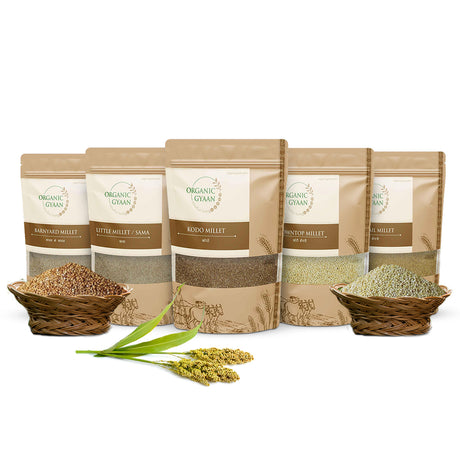
- बाजरा – धीमी गति से पचने वाला अनाज जिसका ग्लाइसेमिक इंडेक्स कम होता है।
- ताड़ के गुड़ का पाउडर – खनिजों से भरपूर एक प्राकृतिक स्वीटनर
- जामुन के बीज का पाउडर , त्रिफला या मोरिंगा – आयुर्वेद में शर्करा को नियंत्रित करने के लिए जाना जाता है।
- कोल्ड-प्रेस्ड तेल – स्थिर ऊर्जा के लिए स्वास्थ्यवर्धक वसा
इन खाद्य पदार्थों को अपनी दिनचर्या में शामिल करने से आपके भोजन को संतुलित करने और रक्त शर्करा को प्राकृतिक रूप से नियंत्रित करने में मदद मिल सकती है।
निष्कर्ष
तो क्या मधुमेह रोगी आम खा सकते हैं?
जी हाँ - बिल्कुल, बशर्ते इसे संयम से और सावधानी के साथ खाया जाए।
आम पोषक तत्वों से भरपूर होता है, इसमें फाइबर और एंटीऑक्सीडेंट्स प्रचुर मात्रा में होते हैं, और सही मात्रा में सेवन करने पर यह आपके संपूर्ण स्वास्थ्य को भी लाभ पहुंचा सकता है। आम को पूरी तरह से परहेज करने के बजाय, थोड़ी मात्रा में इसका सेवन करें, इसे स्वास्थ्यवर्धक खाद्य पदार्थों के साथ खाएं और अपने शुगर लेवल पर नजर रखें।
मधुमेह के साथ स्वस्थ खानपान की असली कुंजी संतुलन है, न कि प्रतिबंध।