
Did you know that over 537 million adults worldwide are living with diabetes - and that number is projected to rise to 783 million by 2045? Yet research consistently shows that the right dietary choices can dramatically improve blood sugar control, reduce insulin resistance, and even help reverse early-stage Type 2 diabetes. The secret weapon? The right superfood for diabetes - nutrient-dense, low-glycemic powerhouses that work with your body rather than against it.
If you have Type 2 diabetes, you already know that food is medicine. But not all "healthy" foods are created equal. Certain diabetes superfoods are clinically proven to stabilize glucose levels, fight inflammation, support heart health, and boost insulin sensitivity.
In this blog, you'll discover the 10 best superfoods for managing Type 2 diabetes, backed by science, along with actionable tips to incorporate them into your daily meals - plus some natural remedies and products worth knowing about.
Why Food Choices Matter More Than You Think
Type 2 diabetes is a metabolic condition defined by high blood sugar and insulin resistance. While medication plays an important role for many, nutrition is arguably the most powerful tool available. A landmark 2023 study published in The Lancet found that dietary intervention alone helped nearly 50% of participants achieve diabetes remission within 12 months.
The key was eating foods that lowered glycemic load, reduced inflammation, and supported gut health - the very hallmarks of every superfood for diabetes on this list.
The following diabetes superfoods are entirely plant-based and vegetarian-friendly, making them accessible no matter your lifestyle.
1. Bitter Gourd (Karela) - Nature's Blood Sugar Regulator
Bitter gourd is one of the most potent diabetes superfoods in Ayurvedic and traditional medicine. It contains three active compounds - charantin, vicine, and polypeptide-p - that collectively mimic insulin and help cells absorb glucose more efficiently.
What the research says: A 2020 study in the Journal of Ethnopharmacology found that bitter gourd extract significantly reduced fasting blood glucose levels in participants over a 12-week period.
How to use it:
- Drink 30–50 ml of fresh karela juice on an empty stomach each morning
- Stir-fry with minimal oil and spices as a side dish
- Try bitter gourd capsules or dried powder supplements if the taste is too intense
Natural remedy product tip: Karela Jamun Juice (widely available in Indian health stores) combines bitter gourd with black plum, another blood-sugar-regulating fruit, making it a convenient daily tonic.
2. Fenugreek Seeds (Methi) - The Fiber-Rich Blood Sugar Balancer
Fenugreek seeds are a cornerstone superfood for diabetes management in South Asian households, and the science backs it up. Rich in soluble fiber called galactomannan, fenugreek slows the absorption of carbohydrates and sugar into the bloodstream, preventing dangerous post-meal glucose spikes.
What the research says: A study in the International Journal for Vitamin and Nutrition Research reported that consuming 10 grams of fenugreek seeds soaked in hot water daily significantly reduced fasting blood sugar and improved glucose tolerance.
How to use it:
- Soak 1–2 teaspoons overnight and consume on an empty stomach
- Add ground methi to rotis, parathas, or dal
- Use methi leaves (fresh or dried) in cooking regularly
3. Amla (Indian Gooseberry) - The Vitamin C Superfood
Amla is one of the most nutritionally dense diabetes superfoods available. A single amla fruit contains as much Vitamin C as 20 oranges, and its chromium content helps regulate carbohydrate metabolism, improving insulin sensitivity.
What the research says: Research published in the European Journal of Clinical Nutrition showed that amla consumption led to significant reductions in fasting and post-meal blood glucose levels compared to the control group.
How to use it:
- Consume raw amla (1–2 per day) or as fresh juice
- Mix amla powder with water and honey for a morning drink
- Try Triphala churna, which contains amla and supports digestion along with blood sugar regulation
Natural remedy product tip: Organic Amla Powder or Chyawanprash (an Ayurvedic herbal jam rich in amla) are widely available and make excellent daily additions for people with Type 2 diabetes.
4. Turmeric - The Golden Anti-Inflammatory Superfood
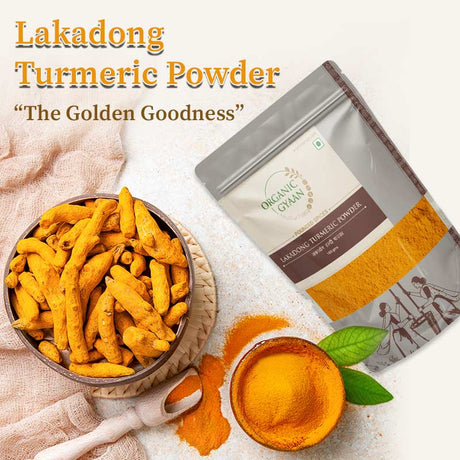
Chronic inflammation is a key driver of insulin resistance in Type 2 diabetes, and turmeric's active compound, curcumin, is one of the most potent natural anti-inflammatories known to science. This makes turmeric a true superfood for diabetes with wide-ranging benefits.
What the research says: A 2019 meta-analysis in Nutrients reviewed 14 randomized controlled trials and concluded that curcumin supplementation significantly reduced fasting blood glucose, HbA1c (a 3-month blood sugar marker), and insulin resistance.
How to use it:
- Add 1/2 teaspoon of turmeric to warm milk (golden milk / haldi doodh) each night
- Use liberally in curries, dal, and soups
- Take curcumin supplements with black pepper (piperine increases absorption by 2,000%)
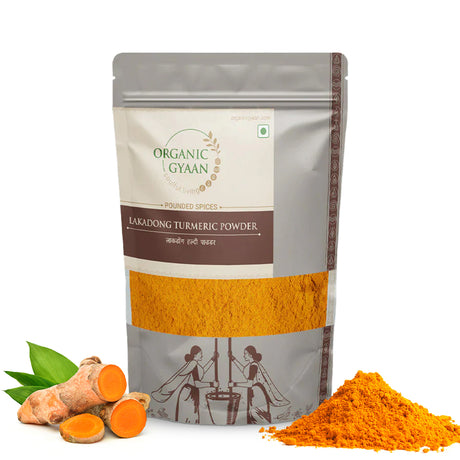
Natural remedy product tip: Organic Turmeric with Black Pepper capsules are available from brands like Himalaya and Patanjali and are commonly used for blood sugar and joint support.
5. Cinnamon - The Spice That Mimics Insulin
Cinnamon is one of the most well-researched diabetes superfoods in the spice world. It contains a compound called hydroxychalcone that increases glucose uptake in cells by activating insulin receptor signaling pathways - essentially mimicking the action of insulin.
What the research says: A landmark study in Diabetes Care found that consuming 1–6 grams of cinnamon daily for 40 days reduced fasting serum glucose by 18–29% in people with Type 2 diabetes.
How to use it:
- Stir 1/2 teaspoon into morning tea, coffee, or warm water with lemon
- Sprinkle over oatmeal, yogurt, or fruit
- Use Ceylon cinnamon (true cinnamon) rather than Cassia, as it is safer for long-term daily use
6. Leafy Greens (Spinach, Methi, Bathua) - Low-Calorie Nutrient Powerhouses
Dark leafy greens are quintessential diabetes superfoods because they are extremely low in digestible carbohydrates and calories while being rich in magnesium - a mineral that plays a critical role in glucose metabolism. Studies show that people with Type 2 diabetes are significantly more likely to be deficient in magnesium.
What the research says: A 2016 review in the British Medical Journal found that eating 1.35 extra servings of leafy greens per day was associated with a 14% lower risk of developing Type 2 diabetes.
How to use it:
- Include saag (cooked spinach or bathua) as a daily side dish
- Blend raw spinach into morning smoothies
- Use methi leaves in parathas, dal, and sabzis
7. Flaxseeds - Omega-3 Rich Blood Sugar Stabilizer
Flaxseeds deserve their place among the top diabetes superfoods for several reasons: they are rich in soluble fiber (which slows glucose absorption), alpha-linolenic acid (an anti-inflammatory omega-3 fatty acid), and lignans (plant compounds that improve insulin sensitivity).
What the research says: A 2020 randomized trial in Nutrition & Metabolism found that participants with Type 2 diabetes who consumed 10 grams of flaxseed powder daily for 12 weeks saw significant reductions in fasting blood sugar and HbA1c levels.
How to use it:
- Add 1 tablespoon of ground flaxseed to roti dough, dal, or curd
- Mix into smoothies or warm water in the morning
- Always use ground flaxseeds rather than whole seeds for better nutrient absorption
8. Berries (Jamun / Black Plum) - India's Native Diabetes Berry
While blueberries are globally recognized as diabetes superfoods, India has its own native berry powerhouse: Jamun (black plum). Jamun seeds, pulp, and bark have all been studied for their ability to reduce blood sugar levels. The compound jamboline in jamun seeds slows the conversion of starch to sugar.
What the research says: A study published in the Asian Pacific Journal of Tropical Biomedicine reported that jamun seed powder significantly lowered blood glucose levels in diabetic participants over 30 days.
How to use it:
- Eat fresh jamun during its seasonal availability (June–September)
- Consume Jamun Seed Powder (1 teaspoon with water before meals)
- Try Karela Jamun Juice products for a convenient combination
Natural remedy product tip: Jamun Seed Powder from brands like Organic India or Nature's Way is a cost-effective, widely available superfood for diabetes that delivers year-round benefits.
9. Nuts and Seeds - Walnuts, Almonds & Chia Seeds
Nuts and seeds form a critical group of diabetes superfoods because of their combination of healthy fats, protein, fiber, and micronutrients. Walnuts are especially rich in alpha-linolenic acid, almonds provide magnesium and Vitamin E, and chia seeds deliver an impressive dose of soluble fiber that forms a gel in the gut, dramatically slowing glucose absorption.
What the research says: A 2019 study in Diabetes Care showed that people with Type 2 diabetes who consumed walnuts five or more times per week had a 47% lower risk of cardiovascular disease - the leading cause of death in diabetic patients.
How to use it:
- Eat a small handful (30g) of mixed nuts as a mid-morning snack
- Soak 4–5 almonds overnight and consume on an empty stomach
- Mix chia seeds into lemon water, buttermilk, or curd
10. Oats - The Slow-Digesting Grain That Prevents Sugar Spikes
Oats may not sound glamorous, but they are one of the most evidence-backed diabetes superfoods in the grain category. Their secret is beta-glucan - a type of soluble fiber that forms a thick gel during digestion, slowing down carbohydrate absorption and preventing post-meal blood sugar spikes.
What the research says: A 2015 systematic review in Nutrients found that oat consumption significantly reduced both fasting blood glucose and HbA1c levels in people with Type 2 diabetes over 4–8 weeks.
How to use it:
- Eat rolled oats (not instant oats) porridge with nuts and cinnamon for breakfast
- Replace a portion of flour in rotis with oat flour
- Choose steel-cut oats for the lowest glycemic index
Actionable tip: Combine oats with cinnamon and flaxseeds in a single breakfast bowl to stack the blood sugar benefits of multiple diabetes superfoods at once.
5 Practical Tips to Get the Most Out of These Diabetes Superfoods
- Pair carbs with fiber or fat: Always combine carbohydrate-rich foods with a superfood for diabetes high in fiber (flaxseeds, oats, fenugreek) to slow glucose absorption.
- Eat in the right order: Research shows eating fiber and vegetables before grains can reduce post-meal blood sugar spikes by up to 73%. Start with sabzi, then dal, then roti.
- Stay consistent: Most diabetes superfoods work best with regular, sustained consumption. Fenugreek water, amla juice, and karela juice deliver the best results when taken daily for at least 8–12 weeks.
- Choose whole over processed: Whole oats beat instant oats; fresh amla beats amla candy; ground flaxseed beats flaxseed oil. Processing reduces the fiber and active compounds that make these foods therapeutic.
- Combine with regular physical activity: Even a 20-minute walk after meals can enhance the blood-sugar-lowering effects of these diabetes superfoods by helping muscles absorb glucose without requiring insulin.
Conclusion
Managing Type 2 diabetes doesn't have to mean deprivation. In fact, it's an invitation to discover some of the most delicious, culturally rich, and scientifically validated foods on the planet. From the time-honoured bitter gourd and fenugreek to the globally celebrated cinnamon and oats, every superfood for diabetes on this list offers measurable, meaningful benefits - reduced blood sugar, lower inflammation, improved insulin sensitivity, and better heart health.
The science is clear: diabetes superfoods are not a replacement for medical care, but they are among the most powerful tools you can add to your management plan. Start small. Add one new superfood per week. Make bitter gourd juice a morning ritual, sprinkle cinnamon into your chai, or toss flaxseeds into your dal. Small, consistent changes compound into extraordinary results.
Share this blog with a friend or family member who could benefit, and start by picking just one superfood from this list to try this week. Then bookmark this page and come back as you add more. Managing blood sugar is a journey - and you don't have to walk it alone.