
More than 537 million people around the world have diabetes right now. Doctors say that number will keep growing. But here is the good news - what you eat every day can make a huge difference. In fact, the right diet may be one of the best ways to stop diabetes before it even starts.
Two diets get talked about the most when it comes to diabetes prevention: the plant-based diet and the low-carb diet. Both are popular. Both have fans. But which one actually works better?
In this blog, we break it all down in plain, simple language. You will learn what each diet really means, what the science says, which plant-based meals are best for your blood sugar, and which natural remedies can help too.
First, Why Does Diabetes Happen?
Before we compare diets, let us understand the problem.
Type 2 diabetes is not just about eating too much sugar. The real issue is something called insulin resistance. Here is how it works:
Your body uses a hormone called insulin to move sugar from your blood into your cells for energy. When fat builds up inside your muscle and liver cells, it blocks insulin from doing its job. Your body then makes more and more insulin trying to fix the problem — but eventually, it cannot keep up. Blood sugar stays high, and diabetes develops.
So the real question is: which diet best removes that fat from your cells and helps insulin work properly again?
What Is a Low-Carb Diet?
A low-carb diet means eating very few carbohydrates — things like bread, rice, pasta, and sugar. Instead, you eat more protein and fat, often from high-fat dairy, processed foods, and animal-based products.
The idea is simple: less sugar in your food means less sugar in your blood.
And in the short term, it does work. Many people on low-carb diets see their blood sugar go down quickly. They also lose weight faster at first.
But here is the problem.
Most low-carb diets replace carbs with animal foods that are high in saturated fat. And that fat is exactly what builds up inside your cells and causes insulin resistance — the very thing we are trying to fix.
Research from the Physicians Committee for Responsible Medicine found that low-carb diets built around animal products were linked to a 35% higher risk of getting type 2 diabetes. If the diet also cut out whole grains, that risk jumped to 39%.
So while a low-carb diet may lower your blood sugar in the short term, the wrong kind of low-carb diet can actually make the deeper problem worse over time.
What Is a Plant-Based Diet for Diabetes?
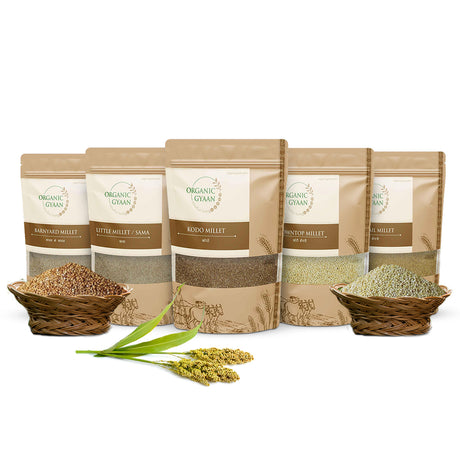
A plant-based diet for diabetes prevention is built around whole, natural foods that come from plants - vegetables, fruits, beans, lentils, whole grains, nuts, and seeds.
It is low in animal fat and processed food. It is not about starving yourself or counting every calorie. It is about filling your plate with foods that protect your body from the inside out.
The key difference from low-carb: a plant-based diet for diabetes does not fear all carbohydrates. It avoids bad carbs like white bread and sugary drinks - but it welcomes good carbs like oats, lentils, brown rice, and sweet potatoes. These foods are full of fibre, which slows down how fast sugar enters your blood.
What Does the Science Say About a Plant-Based Diet for Diabetes?
The research is very clear. Here are the facts:
Study 1: A 22-week study published in the journal Diabetes Care compared a low-fat plant-based diet to the standard diet recommended by the American Diabetes Association. The results were impressive:
- 43% of the plant-based group were able to reduce or stop their diabetes medication
- Only 26% of the other group achieved the same
- The plant-based group also lost more weight and had better blood sugar control
Study 2: Another study measured the fat inside liver and muscle cells before and after 16 weeks on a plant-based diet:
- Fat in liver cells dropped by 34.4%
- Fat in muscle cells dropped by 10.4%
- Less fat meant better insulin sensitivity - the root cause of diabetes was being fixed
Study 3: A large review published in JAMA Network Open found that people who followed plant-based eating habits had a 23% lower risk of developing type 2 diabetes compared to people who did not.
The bottom line: a plant-based diet for diabetes prevention does not just manage symptoms. It targets the root cause.
Simple Plant-Based Meals That Are Great for Blood Sugar
You do not need to be a chef to eat well. Here are some easy foods to build your plant-based meals around:
- Lentils and beans - These are your best friends. They are full of protein and fibre, they keep you full for hours, and they do not spike your blood sugar. Add them to soups, salads, or rice dishes.
- Leafy greens - Spinach, kale, and broccoli are packed with vitamins and natural compounds that reduce inflammation and help insulin work better. Try to include them in at least two meals a day.
- Oats and whole grains - A bowl of oats in the morning gives you slow, steady energy without a blood sugar crash. Brown rice, quinoa, and barley are other great options for your plant-based meals.
- Berries and fruits - Blueberries, apples, and oranges are naturally sweet and full of antioxidants. They are nothing like the refined sugar in processed food.
- Nuts and seeds - A small handful of walnuts, chia seeds, or flaxseeds gives you healthy fats and keeps hunger away.
- What to avoid: White bread, sugary drinks, packaged snacks, fried foods, and processed meats. Even "vegan" packaged foods can be unhealthy if they are heavily processed.
Natural Remedies That Support a Plant-Based Diet for Diabetes
Along with eating well, certain natural products have been shown to help keep blood sugar in check. Here are some worth knowing about:
- Berberine - A natural compound found in plants like barberry. It helps your body use insulin more effectively. Some studies show it can lower blood sugar levels almost as well as certain diabetes medications.
- Bitter Melon (Karela) - A vegetable used widely in Indian and Chinese traditional medicine. It contains natural compounds that act like insulin in the body. You can drink it as juice, take it as a capsule, or cook it into your plant-based meals.
- Ceylon Cinnamon - The real kind of cinnamon (not the cheap cassia variety) can help your cells respond better to insulin. Just 1–2 teaspoons a day sprinkled on oatmeal or in tea can make a difference.
- Fenugreek Seeds - These small seeds are rich in fibre and a special compound that helps the body release insulin naturally. Soak them overnight and eat them in the morning, or add the powder to cooking.
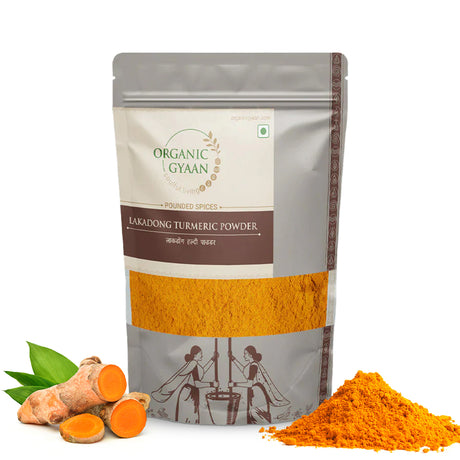
- Turmeric - The active ingredient in turmeric, called curcumin, fights the inflammation that drives insulin resistance. Mix it into soups, curries, or warm milk. Always add a pinch of black pepper - it helps your body absorb the turmeric much better.
- Gymnema Sylvestre - An Ayurvedic herb sometimes called the "sugar destroyer." It reduces the amount of sugar absorbed from food and may help repair cells in the pancreas that produce insulin.
- Chromium - A mineral that helps insulin work more efficiently in the body. You can get it naturally from broccoli, whole grains, and green beans - all common in healthy plant-based meals.
- Magnesium - Nearly half of people with type 2 diabetes are low in magnesium. Dark leafy greens, pumpkin seeds, and lentils are excellent sources and fit perfectly into a plant-based diet for diabetes plan.
Note: Always talk to your doctor before starting any supplement, especially if you take diabetes medication.
6 Simple Tips to Get Started Today
You do not need to change everything overnight. Small steps add up to big results.
1. Start with one plant-based day a week.
Pick any day and commit to eating only whole plant foods that day. No pressure - just explore and enjoy.
2. Add before you subtract.
Do not focus on what you are giving up. Instead, add more vegetables, beans, and whole grains to what you already eat. The healthy food will naturally crowd out the unhealthy food.
3. Cook a big batch on Sunday.
Make a pot of lentil soup or a big bowl of brown rice and roasted vegetables. This gives you easy, healthy plant-based meals ready to go all week.
4. Swap one thing at a time. Try oat milk instead of cow's milk. Try hummus instead of butter. Try lentil soup instead of meat stew. One swap a week adds up to a completely different diet in a few months.
5. Learn three easy recipes. You only need three meals you really enjoy and can cook easily. A lentil dal. A chickpea curry. A grain and vegetable bowl. Master those and you are set.
6. Get support. The Physicians Committee for Responsible Medicine offers a free online diabetes support programme led by doctors and dietitians who specialise in plant-based eating for diabetes prevention.
Do You Have to Go 100% Vegan?
No - and this is important.
You do not have to give up all animal foods to benefit from a plant-based diet for diabetes prevention. The goal is to make plants the main part of your diet, not the side dish. If you occasionally eat fish, eggs, or a small amount of lean meat, that is okay.
The biggest danger is eating too much red meat and processed meat. These foods are linked to higher IGF-1 levels (a hormone tied to faster aging and higher diabetes risk) and more saturated fat in the blood and cells.
Think of it this way: move from a meat-centred plate to a plant-centred plate. That shift alone can have a powerful effect on your health.
Conclusion
Here is what we know for certain. A plant-based diet for diabetes prevention works better than a low-carb animal-based diet because it fixes the real problem — the fat buildup inside your cells that stops insulin from working. It reduces inflammation, improves blood sugar control, helps with weight, and in many cases, reduces or even eliminates the need for medication.
The low-carb diet can give quick results, but if it is built around animal fats and proteins, it may be making the underlying problem worse over time.
The best path forward is clear: fill your plate with whole, colourful plant foods. Add natural remedies like berberine, cinnamon, and turmeric where it makes sense. Make small, steady changes you can actually stick to. And talk to your doctor about making a dietary shift part of your diabetes prevention plan.
You do not need a perfect diet. You just need a better one - and you can start today.
🌿 Ready to Take Your First Step?
This week, try making one fully plant-based meal — a lentil soup, a chickpea stir-fry, or a big grain bowl with roasted vegetables. Then tell us in the comments how it went! Subscribe to our newsletter for weekly simple plant-based meals, blood sugar tips, and the latest health research — all in plain, easy language. Your healthiest life starts with your very next meal.