
Did you know that many people live for years with high blood sugar without realizing the silent damage happening inside their body? That’s the reality of type 2 diabetes mellitus with hyperglycemia - a condition where blood sugar levels remain higher than normal for extended periods.
If you’ve recently been diagnosed with type 2 diabetes mellitus with hyperglycemia, take a deep breath. This is common. And more importantly, it is manageable with the right daily habits.
In this guide, we’ll explain in simple words:
- What hyperglycemia really means
- Why it happens in Type 2 diabetes
- Early warning signs
- Risks of uncontrolled blood sugar
- Step-by-step ways to manage it
- Diet and lifestyle changes that work
- Natural metabolic support options
Let’s break this down clearly and practically.
What Is Hyperglycemia?
Hyperglycemia simply means high blood sugar.
When you have type 2 diabetes mellitus with hyperglycemia, your body struggles to use insulin properly. Insulin is the hormone that moves sugar from your bloodstream into your cells for energy.
In Type 2 diabetes:
- Cells become resistant to insulin
- The pancreas produces more insulin to compensate
- Over time, insulin production may reduce
- Glucose builds up in the blood
Doctors usually consider blood sugar high when:
- Fasting blood glucose is above 130 mg/dL
- Post-meal blood sugar is above 180 mg/dL
Persistent elevation is what makes type 2 diabetes mellitus with hyperglycemia risky.
Why Does Hyperglycemia Happen?
Several factors contribute to high blood sugar:
- Insulin resistance
- High intake of refined carbohydrates
- Lack of physical activity
- Stress
- Illness
- Skipping medication
In many cases, it’s not just one factor - it’s a combination.
The good news? Most of these are controllable.
Symptoms of Hyperglycemia
Some people with type 2 diabetes mellitus with hyperglycemia experience:
- Increased thirst
- Frequent urination
- Fatigue
- Blurred vision
- Headache
However, many people feel nothing at all.
That’s why monitoring matters.
Why Managing Hyperglycemia Is Important
If blood sugar remains high for months or years, it may lead to:
- Heart disease
- Kidney damage
- Nerve damage
- Vision problems
- Increased infection risk
Research published in Diabetes Care confirms that lowering HbA1c significantly reduces the risk of complications.
Managing type 2 diabetes mellitus with hyperglycemia is not just about numbers - it’s about protecting your long-term health.
How to Manage Type 2 Diabetes Mellitus with Hyperglycemia
Let’s focus on practical steps.
1. Monitor Your Blood Sugar Regularly
You cannot manage what you don’t measure.
Track:
- Fasting glucose
- Post-meal readings
- HbA1c every 3–6 months
Patterns help you understand what affects your levels.
2. Improve Your Diet Immediately
Food is the most powerful tool in managing type 2 diabetes mellitus with hyperglycemia.
Focus on:
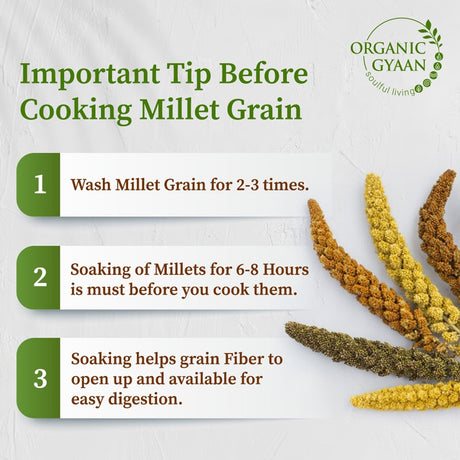
- Fiber-rich millets like foxtail, barnyard, and little millet
- Whole pulses
- Seasonal vegetables
- Moderate healthy fats like A2 Bilona Ghee
Millets are stone-ground and high in fiber. Fiber slows glucose absorption and reduces spikes.
Avoid:
- White sugar
- Refined flour (maida)
- Sugary beverages
- Packaged snacks
Balanced vegetarian meals improve insulin sensitivity.
3. Control Portion Sizes
Even healthy foods can raise blood sugar if eaten in excess.
Practice:
- Smaller portions
- Eating slowly
- Avoiding second servings
Consistency beats extremes.
4. Move Your Body Daily
Exercise helps glucose enter cells without needing as much insulin.
Aim for:
- 30 minutes brisk walking daily
- Strength training 2–3 times weekly
- Light yoga for flexibility and stress relief
Studies show regular physical activity lowers fasting blood sugar and improves insulin sensitivity.
Movement is one of the most effective ways to manage type 2 diabetes mellitus with hyperglycemia.
5. Improve Sleep
Poor sleep increases insulin resistance.
Aim for:
- 7–8 hours of sleep
- Consistent bedtime
- Reduced screen exposure at night
Sleep affects blood sugar more than most people realize.
6. Manage Stress
Stress hormones like cortisol raise blood sugar.
Try:
- Deep breathing
- Meditation
- Nature walks
- Reducing unnecessary stress triggers
Calm mind supports metabolic balance.
7. Follow Your Medication Plan
If your doctor prescribes medication, follow instructions carefully.
Lifestyle changes enhance treatment - they don’t replace it.
Natural Support for Metabolic Discipline
Alongside medical care, traditional ingredients may support glucose balance:
A thoughtfully curated Diabetes Wellness Basket can support daily consistency in managing type 2 diabetes mellitus with hyperglycemia.
These ingredients work best as part of a structured routine.
Can Hyperglycemia Be Reversed?
While Type 2 diabetes may not always completely disappear, blood sugar levels can improve significantly.
Research shows that:
- Weight loss improves insulin sensitivity
- High-fiber diets lower glucose spikes
- Exercise reduces fasting glucose
- Early intervention improves outcomes
Managing type 2 diabetes mellitus with hyperglycemia is about steady improvement, not perfection.
Frequently Asked Questions
1. What does type 2 diabetes mellitus with hyperglycemia mean?
It means you have Type 2 diabetes along with elevated blood sugar levels.
2. Is hyperglycemia dangerous?
Yes, if persistent. It increases the risk of heart, kidney, nerve, and eye complications.
3. How fast can blood sugar improve?
Improvements may begin within weeks of consistent diet and exercise changes.
4. What is the best way to lower blood sugar naturally?
Balanced meals, regular movement, stress control, and proper sleep.
Key Takeaways
- Hyperglycemia means high blood sugar.
- Type 2 diabetes often involves insulin resistance.
- Stable glucose protects organs.
- Diet and exercise are powerful tools.
- Daily discipline reduces long-term risk.
Conclusion
Living with type 2 diabetes mellitus with hyperglycemia may feel overwhelming at first - but it is manageable. High blood sugar does not mean you’ve lost control. It means you need a clear, consistent plan.
Focus on fiber-rich millets, balanced vegetarian meals, moderate healthy fats like A2 Bilona Ghee, regular exercise, stress reduction, and routine monitoring. Support your efforts with thoughtfully selected metabolic-support ingredients from a Diabetes Wellness Basket.
Small daily habits create powerful long-term results.
If this guide helped you understand how to manage hyperglycemia in Type 2 diabetes, share it with someone who needs clear and practical guidance today.