
Did you know that nearly 1 in 3 adults has prediabetes - and most don’t even know it? The good news is this: prediabetes is often reversible. If you’ve just been told you have it, this is not the end. It’s a warning sign - and warnings give you the chance to act early.
If you’re asking yourself, what to do after a prediabetes diagnosis, you’re in the right place. You don’t need panic. You need clarity and a plan.
In this simple, practical guide, you’ll learn:
- What prediabetes really means
- Why it happens
- What to do after a prediabetes diagnosis step by step
- How to reduce your risk of Type 2 diabetes
- What to eat and what to avoid
- How lifestyle changes can reverse it
- Natural ways to support metabolic health
Let’s take this one step at a time.
What Is Prediabetes?
Prediabetes means your blood sugar levels are higher than normal - but not high enough to be called diabetes.
Doctors usually diagnose it when:
- Fasting blood sugar is between 100–125 mg/dL
- HbA1c is between 5.7% and 6.4%
It means your body is starting to struggle with insulin. This condition is called insulin resistance.
The important thing to understand is this: knowing what to do after a prediabetes diagnosis can help you stop progression before it becomes Type 2 diabetes.
Why Does Prediabetes Happen?
Prediabetes usually develops because of insulin resistance.
This happens when:
- Your cells stop responding properly to insulin
- Your pancreas produces more insulin to compensate
- Blood sugar gradually rises
Common causes include:
- Lack of physical activity
- Excess body weight
- High intake of refined carbohydrates
- Poor sleep
- Chronic stress
The good news? All of these are modifiable.
What To Do After A Prediabetes Diagnosis (Step-by-Step)
Now let’s talk about action.
If you’re wondering what to do after a prediabetes diagnosis, here’s your roadmap.
1. Take It Seriously - But Stay Calm
Prediabetes is not diabetes. It’s a chance to prevent it.
Research published in The New England Journal of Medicine shows that lifestyle changes can reduce the risk of developing Type 2 diabetes by up to 58%.
That’s powerful.
So the first step in what to do after a prediabetes diagnosis is commitment - not fear.
2. Improve Your Diet Immediately
Food is your strongest tool.
Focus on:
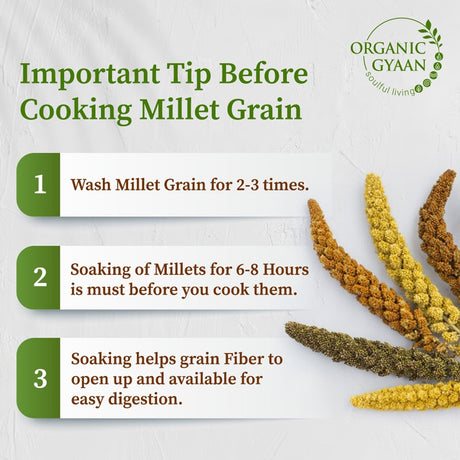
- Fiber-rich millets (foxtail, little millet, barnyard millet)
- Whole pulses
- Seasonal vegetables
- Moderate healthy fats like A2 Bilona Ghee
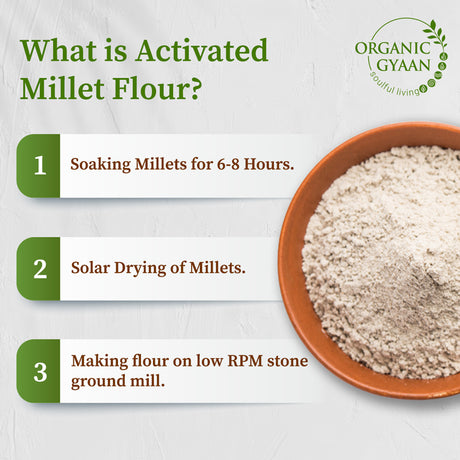
Millets are stone-ground and high in fiber, which helps slow glucose absorption and reduce blood sugar spikes.
Avoid:
- White sugar
- Refined flour (maida)
- Sweetened beverages
- Packaged snacks
Balanced vegetarian meals improve insulin sensitivity.
If you’re serious about what to do after a prediabetes diagnosis, start with your plate.
3. Start Moving Daily
Exercise improves insulin sensitivity almost immediately.
Aim for:
- 30 minutes of brisk walking daily
- Strength training twice a week
- Light yoga or stretching
Even 10-minute walks after meals help lower glucose levels.
Movement is one of the most effective answers to what to do after a prediabetes diagnosis.
4. Lose 5–7% of Body Weight (If Needed)
You don’t need extreme weight loss.
Studies show that losing just 5–7% of body weight significantly lowers diabetes risk.
Small consistent changes create big results.
5. Monitor Your Blood Sugar
Tracking helps you understand patterns.
Ask your doctor:
- How often should you test?
- What are your target ranges?
Monitoring gives you control and feedback.
6. Improve Sleep
Poor sleep increases insulin resistance.
Aim for:
- 7–8 hours nightly
- Consistent sleep schedule
- Reduced screen time before bed
Sleep is often ignored when people think about what to do after a prediabetes diagnosis - but it matters.
7. Reduce Stress
Stress increases cortisol, which raises blood sugar.
Try:
- Deep breathing
- Meditation
- Walking in nature
- Limiting unnecessary stress triggers
Calm mind = better metabolic control.
Can Prediabetes Be Reversed?
Yes - in many cases.
Studies show that structured lifestyle programs can normalize blood sugar levels.
The key factors are:
- Consistency
- Early action
- Long-term habits
Understanding what to do after a prediabetes diagnosis gives you a real opportunity to reverse the condition.
Natural Support for Metabolic Balance
Alongside diet and exercise, certain traditional ingredients may support glucose balance:
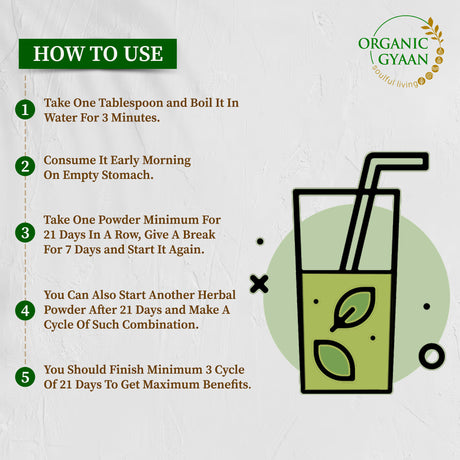
A thoughtfully curated Diabetes Wellness Basket can help support daily metabolic discipline as part of a healthy routine.
These ingredients complement lifestyle changes - they do not replace medical care.
What Happens If You Ignore Prediabetes?
If left untreated, prediabetes may progress to Type 2 diabetes.
That increases the risk of:
- Heart disease
- Kidney problems
- Nerve damage
- Vision issues
But early action prevents most of these complications.
That’s why knowing what to do after a prediabetes diagnosis is so important.
Frequently Asked Questions
1. What is the first thing to do after a prediabetes diagnosis?
Improve your diet, increase daily movement, and monitor blood sugar.
2. Can prediabetes go back to normal?
Yes, with consistent lifestyle changes.
3. How long does it take to reverse prediabetes?
Many people see improvements within 3–6 months of disciplined changes.
4. Is medication necessary?
Some people may require medication, but lifestyle change is the foundation.
Key Takeaways
- Prediabetes is a warning, not a final diagnosis.
- Early action prevents progression.
- Fiber-rich vegetarian meals stabilize blood sugar.
- Daily exercise improves insulin sensitivity.
- Small consistent habits create long-term protection.
Conclusion
Hearing that you have prediabetes can feel overwhelming. But understanding what to do after a prediabetes diagnosis gives you control. This is your chance to reset your health before serious complications begin.
Focus on fiber-rich millets, balanced vegetarian meals, moderate healthy fats like A2 Bilona Ghee, regular exercise, stress management, and consistent monitoring. Support your routine with natural metabolic-support ingredients from a thoughtfully selected Diabetes Wellness Basket.
Prediabetes is not the end - it’s your opportunity to build a stronger, healthier future. If this guide helped you understand what to do after a prediabetes diagnosis, share it with someone who needs clear, practical direction today.