
Choosing the Right Oil Matters More Than You Think
People living with diabetes carefully monitor sugar, carbohydrates, and calories, but one important part of daily nutrition often gets ignored - cooking oil. Many people ask: is coconut oil good for diabetics, and more specifically, does the type of coconut oil make a difference?
The answer is yes. The quality and processing method of the oil matters greatly. Traditional wooden cold-pressed coconut oil retains natural nutrients and is minimally processed, making it very different from refined coconut oils. This article explains how coconut oil and diabetes are connected, the benefits of using wooden cold-pressed coconut oil, and how to include it safely in daily meals.
Is Coconut Oil Good for Diabetics?
To understand is coconut oil good for diabetics, we must first understand how coconut oil behaves in the body. Coconut oil contains zero carbohydrates, which means it does not directly raise blood sugar levels. Instead, it provides fats that the body can use for energy.
In moderate amounts, coconut oil can be part of a balanced diabetic diet. However, the key is choosing high-quality, minimally processed oil, such as wooden cold-pressed coconut oil, rather than refined versions that lose many natural nutrients during processing.
Why Wooden Cold-Pressed Coconut Oil Is Different
Traditional wooden cold-press extraction uses slow grinding at low temperatures. This process helps preserve:
- Natural antioxidants
- Essential fatty acids
- Mild coconut aroma and flavor
- Natural nutrients that may be lost in high-heat refining
Because of this, wooden cold-pressed oils are often considered closer to their natural form compared to chemically refined oils. This is one reason many nutrition experts recommend traditional oils when discussing coconut oil and diabetes.
How Coconut Oil Affects Blood Sugar
When people ask is coconut oil good for diabetics, one important point is that fats do not cause sudden blood sugar spikes like refined carbohydrates. In fact, adding small amounts of healthy fat to meals may slow down carbohydrate absorption, helping blood sugar rise more gradually.
This does not mean coconut oil controls diabetes on its own, but it can support a balanced meal when used in proper quantities.
What Research Suggests
Several nutritional studies suggest that moderate intake of medium-chain fats found in coconut oil may support metabolism and provide quick energy. Some research also indicates that replacing highly refined oils with natural, minimally processed oils may support overall metabolic health.
However, experts still emphasize moderation, because coconut oil is calorie-dense. The benefit comes from quality and portion control, not excessive consumption.
Potential Benefits of Wooden Cold-Pressed Coconut Oil for Diabetics
When used responsibly, wooden cold-pressed coconut oil may offer several advantages:
1. Does Not Directly Raise Blood Sugar
Since coconut oil contains no carbohydrates, it does not directly increase glucose levels.
2. Supports Balanced Cooking
Replacing refined cooking oils with traditional cold-pressed oils reduces intake of processed fats.
3. Provides Quick Energy
Medium-chain fats are easily converted into energy by the body.
4. Enhances Meal Satisfaction
Small amounts of healthy fats can improve satiety and reduce overeating.
These factors contribute to why many people consider is coconut oil good for diabetics a relevant dietary question.
How Much Coconut Oil Should Diabetics Use?
Moderation is essential. For most people, 1–2 teaspoons per day of wooden cold-pressed coconut oil can be comfortably included as part of a balanced diet. The goal is not to increase total fat intake but to replace refined oils with better-quality traditional oils.
Best Ways to Use Wooden Cold-Pressed Coconut Oil
To get the most benefit:
- Use for light cooking or sautéing
- Add small amounts to traditional dishes
- Combine with fiber-rich foods like vegetables and whole grains
- Avoid repeated deep frying
- Maintain overall balanced nutrition
Following these habits ensures that coconut oil and diabetes dietary planning remains safe and beneficial.
Lifestyle Habits That Matter More Than Any Single Oil
No single food controls diabetes. Long-term health depends on daily lifestyle habits such as:
- Balanced meals rich in fiber and protein
- Regular physical activity
- Proper hydration
- Weight management
- Regular blood sugar monitoring
When these habits are followed, moderate use of wooden cold-pressed coconut oil fits well into a healthy routine.
Natural Traditional Nutrition Approach
Traditional Indian diets have long emphasized minimally processed foods and natural cooking methods. Helpful practices include:
- Using cold-pressed oils instead of refined oils
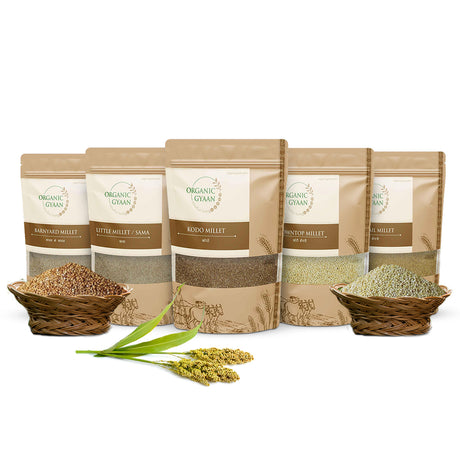
- Consuming fiber-rich grains such as millets
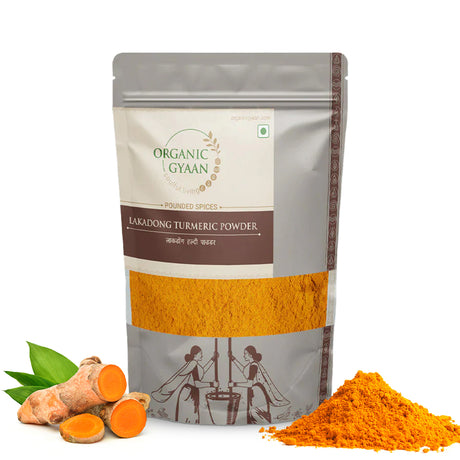
- Including digestive spices like cumin, fennel, and coriander
- Drinking natural hydration beverages made from seeds and nuts
Natural food-based lifestyle products that support balanced metabolism can complement diabetes care when used consistently.
When Coconut Oil Should Be Limited
Some individuals may need to control intake, particularly:
- People with high cholesterol levels
- Individuals advised to reduce saturated fat intake
- Those consuming excess calories daily
Consulting a healthcare professional helps determine the correct quantity.
Conclusion
So, is coconut oil good for diabetics? Yes - especially when using high-quality wooden cold-pressed coconut oil in moderate amounts as part of a balanced lifestyle. It does not directly raise blood sugar and can replace refined oils to support cleaner eating habits.
Understanding the relationship between coconut oil and diabetes helps people make smarter dietary decisions. The focus should always remain on moderation, balanced meals, and consistent lifestyle habits.
Take a smart step today: switch to traditional wooden cold-pressed coconut oil, use it in controlled portions, and combine it with wholesome foods and active living to support long-term metabolic health.