If you're living with diabetes, you probably think twice before putting anything on your plate-and rightly so. Some foods raise blood sugar faster than others, and knowing what works for your body is key.
One such food that often raises questions is sabudana-those small, white, chewy pearls you often see in khichdi or vadas. Commonly eaten during fasting days in India, sabudana is loved for its light texture and energy-boosting quality.
But here’s the real question:
Is sabudana good for diabetes? Or does it cause more harm than good?
Let’s break it down.
What Exactly is Sabudana?
Sabudana (also known as tapioca pearls or sago) is made from the starch extracted from cassava root. It’s naturally gluten-free and contains almost no protein or fat-just pure starch. That’s what makes it easy to digest, but also a concern for blood sugar control.
Before we decide whether sabudana is safe for diabetics, let’s understand what it does to your blood sugar.
Sabudana Glycemic Index: The Most Important Factor
The glycemic index (GI) tells us how fast a food raises blood sugar. Foods with a high GI cause quick spikes in glucose, which can be dangerous for people with diabetes.
- The sabudana glycemic index ranges between 67 and 80 (depending on how it’s prepared).
That’s considered medium to high, which means sabudana can quickly raise your blood sugar if eaten in large amounts or without balance.
So, if you’re wondering whether sabudana is good for diabetes, the GI alone tells us it’s not the best choice, especially for regular consumption.
Sabudana Nutrition: What’s Inside?
Let’s take a look at the sabudana nutrition value per 100g (uncooked):
- Calories: 350 kcal
- Carbohydrates: 87g
- Protein: 0.2g
- Fat: 0.1g
- Fiber: 0.9g
- Iron: 1.6 mg
- Calcium: 20 mg
- Potassium: 11 mg
Clearly, sabudana is very high in carbohydrates and very low in fiber and protein. This makes it a poor choice for people with diabetes who need to keep their blood sugar stable.
Sabudana Benefits
Although it may not be the best for diabetics, sabudana does have some benefits for general health. Here’s a look at them with more explanation:
1. Quick Energy Boost
Thanks to its high carbohydrate content, sabudana provides a fast energy release, making it helpful for people who are fasting, recovering from illness, or feeling weak. However, for people with diabetes, this energy comes with a risk of sugar spikes, so it must be consumed cautiously.
2. Easy to Digest
Sabudana is known to be gentle on the digestive system. It’s often recommended during illness because it’s light on the stomach and unlikely to cause discomfort. But again, this lightness comes with almost no fiber, so the digestion is fast-which isn’t ideal for blood sugar.
3. Gluten-Free
Sabudana is naturally gluten-free, which is great for people with celiac disease or gluten sensitivity. It can be a good alternative to wheat-based products in a gluten-free diet-but remember, gluten-free doesn’t mean sugar-free.
4. Useful During Fasting
In India, sabudana is a traditional food during fasting. It provides sustained energy during long fasting hours. But when you’re not fasting and managing diabetes, it's better to stick to foods that don't spike sugar levels.
5. Provides Small Amounts of Minerals
Sabudana has small amounts of iron and calcium, which support bone and blood health. But these benefits are minor compared to the sugar impact for diabetics.
Is Sabudana Good for Diabetes?
This is the big question.
The honest answer is: sabudana is not ideal for diabetes. Its high glycemic index, combined with low fiber and protein content, means it can raise blood sugar levels very quickly.
So, is sabudana good for diabetes?
Not really-especially not on a regular basis.
But that doesn’t mean you can never eat it again. You can enjoy sabudana in moderation, with the right preparation.
How to Make Sabudana Safer for Diabetics
If you're craving sabudana once in a while, here are some smart ways to enjoy it without letting it harm your sugar control:
1. Keep Portions Small
A small bowl is fine. Avoid making it the main dish.
2. Add Fiber and Protein
Include vegetables, peanuts, or curd to balance the dish. These help slow down the absorption of glucose into your bloodstream.
3. Avoid Sugar
Skip sabudana kheer or sweet dishes made with sugar. If needed, use a small amount of natural sweeteners like palm jaggery or coconut sugar, which have a lower glycemic index.
4. Don’t Eat Sabudana Alone
Pair it with other fiber-rich or protein-rich foods so that your blood sugar stays more stable.
Better Alternatives to Sabudana for Diabetics
If you're looking for filling, healthy foods that won’t spike your sugar levels, try these instead of sabudana:
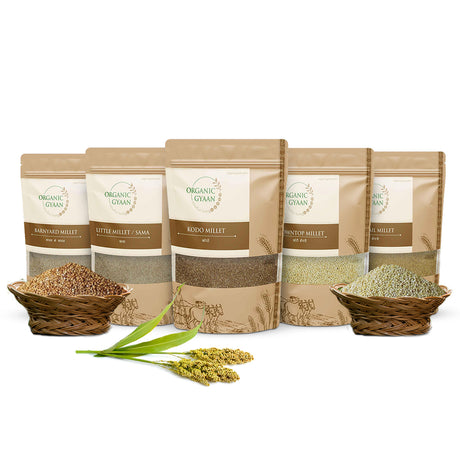
- Siridhanya Millets like foxtail, kodo, or little millet
- Ragi (finger millet) porridge or roti
- Quinoa pulao
- Vegetable moong dal khichdi
- Brown rice with dal and veggies
These options offer more fiber, more nutrients, and less sugar spike.
Conclusion
So, is sabudana good for diabetes? Not really.
But can it be enjoyed occasionally with care? Yes.
If you're managing diabetes, it’s important to:
- Watch your portions
- Pair carbs with fiber and protein
- Choose low glycemic foods more often
- And most importantly, listen to your body
There’s no one-size-fits-all rule-but informed, mindful choices go a long way.