
Here is something most people do not know: insulin resistance affects an estimated 40% of adults worldwide - and the majority of them have no idea it is happening inside their body.
No dramatic symptoms. No obvious warning signs. Just your cells quietly becoming less and less responsive to insulin, while blood sugar slowly climbs, energy gradually drops, and the risk of Type 2 diabetes, heart disease, and fatty liver disease inches higher with every passing year.
The good news? What you eat has a direct, powerful, and measurable effect on insulin resistance. Your insulin resistance diet - what you put on your plate three times a day - is one of the most important tools you have for reversing this condition before it becomes something far more serious. When it comes to preventing diabetes, your diet can make a big difference. And if you already have the condition, a diet change may help you manage it better.
In this guide, you will discover exactly what an insulin resistance diet looks like, the best foods to eat and the worst foods to avoid, practical meal strategies you can start using today, and how Ayurvedic herbal products can support your body's journey toward better insulin sensitivity naturally.
What Is Insulin Resistance and Why Does Diet Matter So Much?
Before diving into the food list, it helps to understand what is actually happening in your body.
Insulin is a powerful hormone that enables your cells to absorb glucose - a sugar your body uses as an energy source - from the foods you eat. Insulin's primary purpose is to carry the sugar from your blood into your cells so that it can be burned for energy. In some cases, however, your cells are not able to effectively use the insulin that your pancreas makes and as a result, sugar begins to accumulate in the blood.
Think of it like a key that no longer fits the lock properly. Your pancreas keeps making more keys - producing more and more insulin - trying to force the doors open. But over time, this extra effort exhausts the pancreas. Blood sugar rises. The risk of Type 2 diabetes, heart disease, and other complications increases.
Here is why diet for insulin resistance is so crucial: every single meal either helps your cells become more responsive to insulin or makes them more resistant. The glycaemic load of your food, the type of fats you eat, the amount of fibre you consume, and the level of inflammation in your diet all directly influence how well insulin works in your body — meal by meal, day by day.
The right insulin resistance diet does not ask you to starve yourself or eliminate entire food groups. It asks you to make smarter choices, most of the time.
The Best Foods to Eat on an Insulin Resistance Diet
1. Non-Starchy Vegetables - The Foundation of Every Meal
If there is one food group that should dominate your insulin resistance diet, it is non-starchy vegetables. They are low in calories, high in fibre, rich in antioxidants, and have almost no effect on blood sugar.
Research suggests that eating 400 grams - approximately 5 cups - of vegetables a day with 1.25 cups of citrus fruits or berries is associated with better glycaemic control.
Load your plate with leafy greens like spinach, methi (fenugreek leaves), and palak. Add broccoli, cauliflower, capsicum, cucumber, bottle gourd, ridge gourd, bitter gourd (karela), and tomatoes. These vegetables contain polyphenols that act as antioxidants and support healthy glucose metabolism. Fill at least half your plate with these at every main meal — this single habit alone can significantly improve insulin sensitivity over time.
Bitter gourd (karela) deserves special mention here. It is one of Ayurveda's most celebrated foods for blood sugar and insulin resistance - its natural compounds directly support glucose uptake into cells.
2. Legumes and Lentils - Your Best Friend for Stable Blood Sugar
Lentils, dal, chickpeas, rajma, moong, chana, and other legumes are among the most powerful foods you can include in an insulin resistance diet. They are rich in soluble fibre, plant protein, and complex carbohydrates that release energy slowly - preventing the sharp blood sugar spikes that worsen insulin resistance.
Slow and reduce blood sugar spikes by adding fibrous legumes like lentils or chickpeas to a garden salad or soup.
A bowl of dal at lunch, a chana salad at dinner, or a moong sprout breakfast - these are not just affordable, everyday Indian foods. They are scientifically validated tools for improving insulin sensitivity and reducing the risk of Type 2 diabetes.
3. Whole Grains and Millets - Choose Slow-Release Carbohydrates
Not all carbohydrates are equal. Refined grains - white rice, maida (all-purpose flour), white bread - break down rapidly into glucose, causing sharp blood sugar spikes that worsen insulin resistance every time you eat them.
When you eat more than 50 grams of fibre a day, it helps balance your blood sugar. You can eat carbs, but cut back on them and pick wisely.
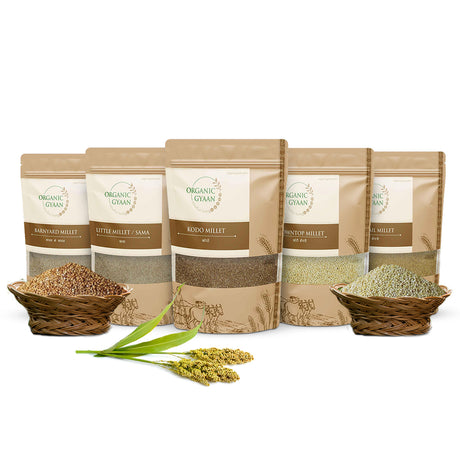
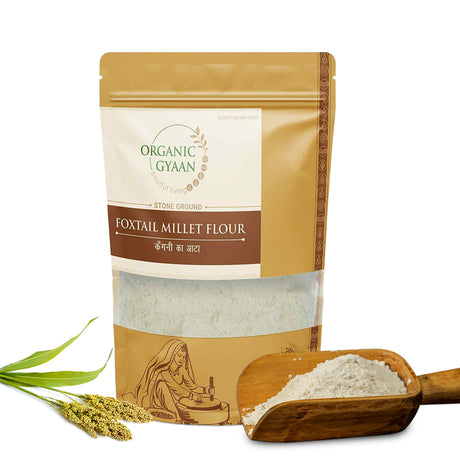
Whole grains and especially Siridhanya Millets - foxtail millet, barnyard millet, little millet, kodo millet, and browntop millet - are the ideal carbohydrate choices for an insulin resistance diet. They are low on the glycaemic index, high in fibre, and release energy slowly and steadily - keeping blood sugar stable and giving insulin the best possible environment to work in.
Diets rich in low glycemic foods, fibre, antioxidants, and healthy fats can improve insulin sensitivity.
Replace white rice with millet khichdi or millet rice. Use ragi or jowar rotis instead of maida rotis. These swaps are simple, affordable, and genuinely transformative for insulin resistance over time.
4. Fruits - Choose Wisely and Eat in Moderation
Fruit is healthy - but portion and choice matter when managing insulin resistance. Fruits rich in fibre and antioxidants, with a lower glycaemic index, are your best choices.
Excellent options include jamun (Indian blackberry), amla (Indian gooseberry), guava, papaya, pear, apple, and berries. These fruits are high in fibre, rich in polyphenols, and have a relatively modest effect on blood sugar.
Jamun is particularly special for insulin resistance. It contains jamboline and jambosine - compounds that naturally slow glucose absorption and have been used in Ayurveda for blood sugar management for centuries.
Avoid fruit juices entirely - even fresh-pressed juice removes all the fibre and delivers a concentrated sugar hit that spikes blood sugar rapidly.
5. Healthy Fats - The Right Fats Improve Insulin Sensitivity
Healthy fats are not the enemy in an insulin resistance diet - they are essential allies. Monounsaturated fats help lower blood sugar by making cells more sensitive to insulin and accelerating its ability to help glucose get absorbed.
Include cold-pressed mustard oil, coconut oil in moderation, ghee in small amounts, a small handful of nuts (almonds, walnuts, peanuts) daily, and seeds like flaxseeds, chia seeds, and pumpkin seeds. Avocado, if available, is also an excellent source of monounsaturated fat that improves insulin sensitivity.
The Mediterranean diet, characterised by high consumption of extra-virgin olive oil, nuts, and polyphenol-rich elements, has proved to be associated with greater improvement of insulin resistance in obese individuals.
6. Spices and Herbs - Everyday Ingredients with Blood Sugar Power
Your spice box is a medicine cabinet for insulin resistance. Diets rich in herbs, spices, nuts and seeds help reduce inflammation - one of the primary drivers of insulin resistance.
Turmeric (haldi), cinnamon (dalchini), fenugreek (methi), ginger (adrak), coriander, and cumin are all everyday Indian spices with documented anti-inflammatory and blood-sugar-supporting properties. Use them liberally in every meal.
Foods to Avoid on an Insulin Resistance Diet
1. Refined carbohydrates and sugary foods:
White rice, maida, white bread, biscuits, namkeen, packaged snacks, cakes, and mithai all cause rapid blood sugar spikes that worsen insulin resistance with every bite. These are the foods most directly responsible for driving the epidemic of insulin resistance and Type 2 diabetes.
2. Sugary drinks:
Cold drinks, packaged fruit juices, sweetened chai, energy drinks, and flavoured milk are among the most harmful foods for insulin resistance. Liquid sugar enters the bloodstream faster than almost any solid food - causing sharp insulin spikes and progressive insulin resistance with every sip.
3. Processed and packaged foods:
Anything that comes in a packet with a long ingredients list - instant noodles, packaged biscuits, ready-made curries, frozen meals - typically contains refined flour, added sugars, unhealthy vegetable oils, and preservatives that all worsen insulin resistance.
4. Full-fat dairy in excess:
You will go light on dairy, especially full-fat dairy. Small amounts of curd (yoghurt) and a little ghee are generally fine. But large amounts of full-fat milk, cream, and paneer regularly can contribute to inflammation and weight gain that worsens insulin resistance.
5. Fried foods:
Deep-fried snacks - samosas, pakoras, poori, vada - combine refined flour with high-temperature-oxidised oils, creating a combination that is particularly damaging for insulin sensitivity. Save these for occasional treats rather than daily habits.
6. Added sugar in all forms:
Sugar, jaggery in large amounts, honey in excess, and artificial sweeteners that train the brain to expect sweetness - all of these drive insulin resistance by repeatedly triggering large insulin responses.
How to Reduce Insulin Resistance: 8 Practical Diet Strategies
Strategy 1 - Fill half your plate with vegetables at every meal.
This is the single most impactful dietary change you can make. Vegetables provide fibre, antioxidants, and volume that stabilise blood sugar and reduce insulin demand at every meal.
Strategy 2 - Switch from refined grains to Siridhanya Millets.
Replace white rice and maida with foxtail millet, barnyard millet, kodo millet, little millet, or browntop millet. These low-glycaemic, high-fibre grains are the most practical and powerful step you can take for how to reduce insulin resistance through diet alone.
Strategy 3 - Eat legumes every day.
A bowl of dal, a cup of sprouts, or a chickpea salad at every meal provides plant protein and soluble fibre that directly improves insulin sensitivity.
Strategy 4 - Never eat refined carbohydrates alone.
If you do eat rice or roti, always pair it with a protein source (dal, curd, paneer) and a vegetable. This combination slows glucose absorption and reduces the insulin spike from the meal.
Strategy 5 - Start your meal with vegetables or a salad.
Eating fibre-rich vegetables before your carbohydrates slows the absorption of glucose from the rest of your meal - a simple food sequencing trick that measurably reduces post-meal blood sugar spikes.
Strategy 6 - Eat at regular times.
Skipping meals causes blood sugar to drop and then spike when you finally eat - creating large, repeated insulin surges that worsen resistance over time. Three balanced meals at consistent times every day is better than erratic eating patterns.
Strategy 7 - Reduce portion sizes of starchy foods.
You do not need to eliminate carbohydrates - just reduce the amount. A smaller portion of millet rice or one roti, paired with more vegetables and dal, achieves the right balance for an insulin resistance diet.
Strategy 8 - Drink water and herbal teas instead of sugary drinks.
Replace every sugary drink - cold drinks, packaged juices, sweetened chai — with plain water, jeera (cumin) water, methi (fenugreek) water, or unsweetened herbal teas. This single swap can produce measurable improvements in insulin sensitivity within weeks.
Ayurvedic Herbs That Support Your Insulin Resistance Diet
Diet is the foundation - but Ayurvedic herbal support gives your insulin resistance diet an extra layer of natural, science-backed metabolic support.
Here is how each herb works alongside your diet to reduce insulin resistance naturally:
1. Karela Powder (Bitter Gourd):
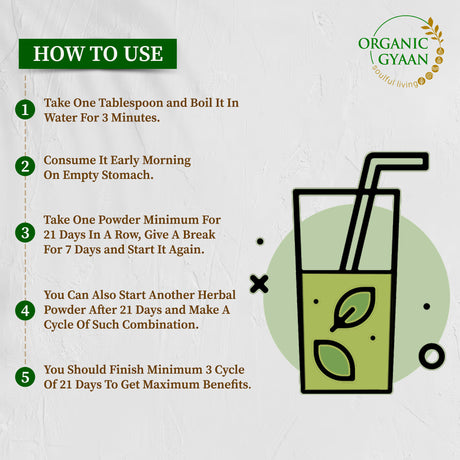
Karela is the most researched Ayurvedic herb for insulin resistance. Its natural compounds - charantin and polypeptide-p - directly improve glucose uptake into cells, acting like nature's own insulin sensitiser. Take half a teaspoon in warm water every morning before breakfast. This simple daily habit directly addresses the cellular mechanism of insulin resistance at the source.
2. Jamun Seed Powder:
Jamun seed powder's jamboline and jambosine slow glucose absorption after every meal - reducing the post-meal spikes that are the primary driver of progressive insulin resistance. Take in warm water each morning to build a protective buffer around your post-meal blood sugar throughout the day.
3. Fenugreek Seeds (Methi):
Almonds, black beans, broccoli, lentils, and oatmeal are all rich in fiber. Fenugreek takes this further with its remarkable soluble fibre (galactomannan) that slows carbohydrate digestion specifically. Regular fenugreek use has been shown in multiple clinical studies to improve HbA1c and fasting blood glucose. Soak overnight, take in the morning. This is one of Ayurveda's most consistent recommendations for how to reduce insulin resistance through food.
5. Giloy Powder:
Diets rich in anti-inflammatory ingredients have been shown to help lower insulin resistance. Giloy is Ayurveda's most potent anti-inflammatory herb - directly reducing the chronic inflammation that is the biological root of insulin resistance. By reducing systemic inflammatory markers, Giloy makes your cells more receptive to insulin's signal.
6. Turmeric Powder (Haldi):
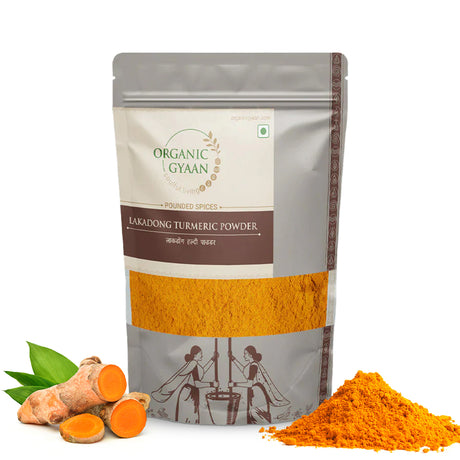
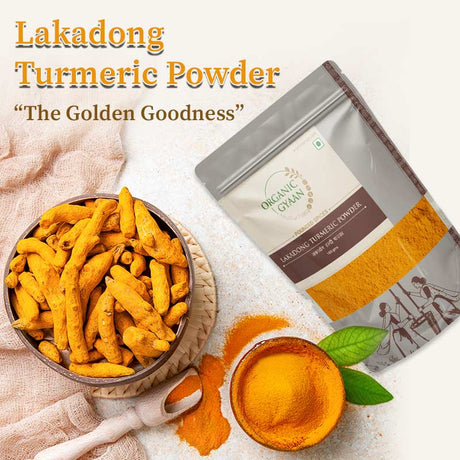
Curcumin's anti-inflammatory and antioxidant properties address insulin resistance at its biological foundation. Add a pinch to your morning warm water, your dal, or warm milk at night. The Mediterranean diet is rich in polyphenol-rich elements that have proved to be associated with greater improvement of insulin resistance. Curcumin is one of the most potent natural polyphenols available - and Organic Gyaan's pure Turmeric Powder delivers it in its most natural, bioavailable form.
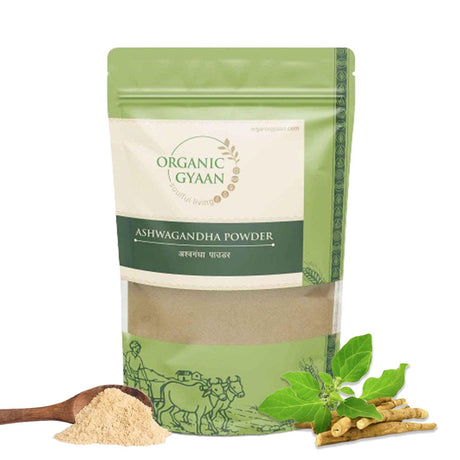
7. Ashwagandha Powder:
Chronic stress is one of the most damaging and most overlooked contributors to insulin resistance. Cortisol - the stress hormone - directly worsens insulin sensitivity when chronically elevated. Ashwagandha is Ayurveda's premier adaptogen for cortisol reduction and stress resilience. If stress is making your blood sugar harder to control despite a good diet, Ashwagandha addresses the missing piece.
8. Neem Powder:
Neem improves insulin sensitivity at the cellular level - helping your body's cells respond more effectively to the insulin your pancreas produces. Its blood-purifying and anti-inflammatory properties reduce the metabolic toxin load that worsens insulin resistance over time.
9. Cinnamon Powder (Dalchini):
Add a pinch of Cinnamon Powder to your morning herbal tea, warm water, or millet porridge. Cinnamon has well-documented insulin-sensitising properties - research shows it improves insulin receptor activity and reduces fasting blood glucose. It is one of the simplest, most enjoyable ways to support your insulin resistance diet every morning.
10. Siridhanya Millets - The Ultimate Dietary Foundation:
Siridhanya Millets are not just a supplement - they are a complete dietary shift. Replacing refined grains with these positive millets eliminates the most common dietary driver of insulin resistance: rapid glucose spikes from refined carbohydrates. Foxtail, barnyard, little, kodo, and browntop millets provide slow, sustained energy, abundant fibre, and rich micronutrients that directly support metabolic health and insulin sensitivity every day.
Note: Always speak to your doctor before adding new herbal supplements to your routine, especially if you are on diabetes medications, as some herbs may influence blood sugar levels and require dose adjustments.
Conclusion
Insulin resistance is not a life sentence. It is a metabolic state that responds directly - and often dramatically - to what you eat. The right insulin resistance diet is not complicated, expensive, or extreme. It is built on simple, familiar foods: more vegetables and lentils, better grains like Siridhanya Millets, good fats, less sugar, and fewer refined and processed foods.
Eating certain foods can help you lose weight and reverse insulin resistance. And knowing which foods to choose - and which to avoid - is genuinely the most powerful step you can take toward better blood sugar, more energy, and a dramatically lower risk of Type 2 diabetes.
Add the targeted Ayurvedic herbal support Karela, Jamun, Fenugreek, Giloy, Turmeric, Ashwagandha, Neem, Cinnamon, and Siridhanya Millets - and you have a complete, inside-out strategy for how to reduce insulin resistance naturally and sustainably.
Start with one change today. Add a bowl of dal to your lunch. Switch one meal to millet. Drink Karela water every morning. Take fenugreek seeds before bed. These small, consistent steps compound into genuine metabolic transformation - one meal at a time.