
Have you ever eaten a big meal and suddenly felt extremely thirsty, tired, or like your mind was foggy? Or maybe your glucose readings surprised you even though you thought you were eating well? These could be signs of hyperglycemia - a term many people living with diabetes hear, but not everyone fully understands.
Here’s a question many people ask: “Is my blood sugar simply high today, or is it hyperglycemia?”
The truth is that hyperglycemia is a condition in which your blood sugar stays higher than it should for a period of time. It’s not just a one‑time spike - it’s a pattern your body is signaling to you. Left unmanaged, repeatedly high blood sugar can cause long‑term health issues. But the good news is, with awareness and small daily habits, you can manage it - and feel better.
In this blog, you’ll learn:
- What hyperglycemia really means
- Common causes and signs to watch for
- How to manage it day to day
- Simple, natural food and lifestyle tips that support balance
- When to seek support from a healthcare provider
Let’s break it down in simple, everyday language.
What Does Hyperglycemia Mean?
Hyperglycemia simply means higher than normal blood sugar.
“Hyper” means “too much,” and “glycemia” refers to glucose in the blood. Glucose gives your body energy, but too much of it in your bloodstream creates stress on your organs, nerves, and overall well‑being.
Think of it like having too much sugar in your tea - if you don’t stir and balance it, it just sits there, too sweet and uninviting. Your body works kind of the same way. When blood sugar stays high, the body doesn’t use it efficiently for energy.
What’s Considered High Blood Sugar?
Here are simple reference points:
- Fasting blood sugar (morning before eating): higher than 126 mg/dL
- After meals (1–2 hours): above 180 mg/dL
- Continuous high readings over days - that’s chronic hyperglycemia
If your readings stay in these higher ranges, your body is telling you something needs attention.
Common Causes of Hyperglycemia
Hyperglycemia doesn’t usually happen suddenly without a reason. Some common triggers include:
1. Eating Too Many Refined Carbs
Foods like white bread, white rice, sugary sweets, and sweetened drinks release glucose quickly into the bloodstream.
2. Skipping or Mis‑Timing Meals
When you don’t eat regularly, your blood sugar can swing - especially if you eat large meals after long gaps.
3. Not Enough Movement
Activity helps your muscles use sugar for energy. When you’re sedentary, sugar stays in your blood longer.
4. Stress and Sleep Issues
Emotional stress and not getting good sleep cause hormones to spike, which can raise blood sugar.
5. Illness or Infection
Being sick - even with a common cold - raises your stress hormones, which in turn can raise your blood sugar.
What Are the Signs of Hyperglycemia?
Your body gives you clues. Look out for:
- Feeling very thirsty
- Urinating more than usual
- Tiredness or weakness
- Blurred vision or trouble focusing
- Dry mouth
- Slow healing of cuts or wounds
- Unusual hunger
These signs don’t always happen all at once - sometimes just one or two appear first.
Does Drinking Water Really Help?
Many people wonder: “Does drinking water lower blood sugar?”
The answer is not simple insulin‑like “yes,” but water does help in important ways:
- Keeps you hydrated so your kidneys can flush out extra sugar
- Prevents dehydration, which can make high blood sugar worse
- Helps your body work more efficiently overall
So while water won’t directly replace medication or insulin, it supports your body’s natural balance - and that matters.
How to Manage Hyperglycemia: Everyday Tips
You don’t need dramatic changes. Simple, consistent habits make a real difference.
1. Eat Balanced Vegetarian Meals
Whole, plant‑based foods help your body release sugar more slowly. Try:
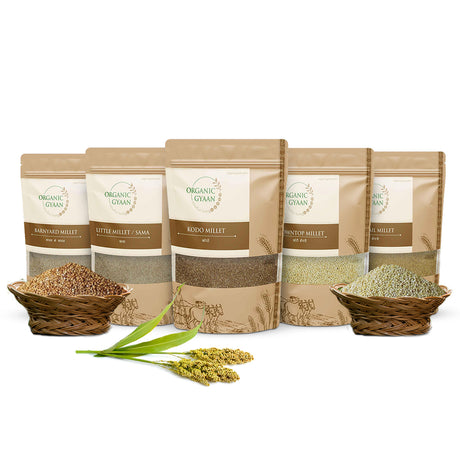
- Millets (foxtail, little, kodo, barnyard) - gentle on blood sugar
- Pulses and lentils - protein and fiber to slow digestion
- Green vegetables and leafy greens - rich and low in carbs
- Healthy seeds (flax, chia, sunflower) - add fiber and good fats
- Cold‑pressed oils for cooking - gentler on metabolism
A balanced plate could be millets with dal, a generous portion of sautéed greens, and a sprinkle of seeds on top.
2. Slow Down the Carbohydrates
Even healthy carbs need context. Instead of eating large portions of rice or potatoes alone, pair them with lentils, veggies, or salads. This slows how fast glucose enters your bloodstream.
3. Stay Active Throughout the Day
You don’t need intense workouts. Gentle movement helps:
- A 20‑minute walk after meals
- Simple yoga stretches
- Light household activities
Your muscles use glucose during activity - and that helps lower blood sugar naturally.
4. Manage Stress and Sleep Better
Stress releases hormones that push sugar into the blood. Simple stress‑busting practices include:
- Deep breaths for 5 minutes daily
- Meditation or prayer
- A calming bedtime routine
Good sleep helps regulate hormones and reduces sugar fluctuations.
Foods and Herbs That Support Balance
While foods and herbs alone don’t cure hyperglycemia, they support steady glucose control:
- Fenugreek (methi) - supports slow absorption of glucose
- Cinnamon - gentle support for insulin sensitivity
- Turmeric - calming and anti‑inflammatory
- Amla (Indian gooseberry) - antioxidant powerhouse
- Bitter gourd - traditional support for metabolic balance
Use these as part of meals - for example, adding cinnamon to your morning millet porridge or a pinch of fenugreek powder in curries.
When to Contact a Doctor
At times, even your best efforts aren’t enough. Seek medical guidance if:
- Your sugar levels stay high despite lifestyle changes
- You have nausea or vomiting with high readings
- You feel confused or excessively weak
- You notice sudden, unexplained weight loss
- You have signs of dehydration that won’t improve
Early support prevents long‑term health issues.
Why Early Action Matters
High blood sugar doesn’t only affect how you feel today. Over time, chronic hyperglycemia can:
- Damage nerves
- Affect eyes and vision
- Impact kidneys
- Increase risk of heart issues
This is why understanding and managing hyperglycemia - even with simple habits - is so important.
Conclusion
Hyperglycemia - or high blood sugar - is a signal from your body that things are out of balance. But it is manageable, and you don’t have to feel overwhelmed.
By:
- Choosing whole, vegetarian meals
- Including millets, pulses, and greens
- Staying hydrated
- Moving regularly
- Managing stress and sleep
- Using supportive herbs like cinnamon and amla
…you give your body the support it needs to keep sugar more stable day by day.
Remember, this is not about one big change - it’s about many small, consistent choices that make you feel healthier, stronger, and more in control.