
Have you ever felt extremely thirsty, tired, or noticed that your body was acting a little “off” after a high‑carb meal? Maybe someone told you your blood sugar was “high,” and you wondered whether that meant you have diabetes. These kinds of concerns often lead to the same question:
What is the difference between hyperglycemia and diabetes?
And more importantly: Which one applies to me - and what should I do about it?
Today, we’re going to break it down in the simplest, most human way possible - no confusing medical terms, just straightforward explanation you can actually use in your life.
What Is Hyperglycemia?
Let’s start with a simple definition.
Hyperglycemia means high blood sugar - the sugar level in your blood is higher than what is considered normal. Sugar (or glucose) is what your body uses for energy, and it comes from the food you eat.
When this sugar stays too high in your blood for longer than normal, that condition is called hyperglycemia.
So… What Is Hyperglycemia, Really?
Think of hyperglycemia like a warning light on your car dashboard. It isn’t the “problem” itself - it’s a signal that something needs attention.
Just because your blood sugar is high once or twice doesn’t necessarily mean you have diabetes. But it is a sign that your body is struggling to handle sugar properly.
What Is Diabetes?
Now let’s talk about diabetes.
Diabetes is a long‑term condition where your body has trouble managing blood sugar. It happens when:
- Your body doesn’t make enough insulin
- Or your body doesn’t use insulin well
Insulin is the hormone that helps sugar move from your blood into your cells where it can be used or stored for energy.
When insulin isn’t working properly, sugar stays in your blood - and that’s when hyperglycemia happens again and again.
So diabetes is the underlying condition, and hyperglycemia is one of the signs it causes.
Hyperglycemia vs. Diabetes: Easy Comparison
Let’s compare them side‑by‑side:
| Feature | Hyperglycemia | Diabetes |
|---|---|---|
| Meaning | High blood sugar | A long‑term condition causing high blood sugar |
| Cause | Temporary imbalance in sugar use | Insulin resistance or insufficient insulin |
| Duration | Short‑term | Long‑term / chronic |
| Can be temporary? | Yes | No (needs ongoing management) |
| Main risk | Discomfort, warning sign | Can cause long‑term damage if untreated |
So:
1. Hyperglycemia is a symptom
2. Diabetes is the condition that often causes the symptom
Common Signs of Hyperglycemia
Here are some things you might notice when your blood sugar is too high:
- Feeling very thirsty
- Urinating more often
- Feeling tired or weak
- Blurry vision
- Headaches
- Slow healing of cuts
These are called signs of hyperglycemia, because they show your blood sugar is out of balance.
If these happen once or twice, especially after a big meal or stress, it might be temporary. But if they happen often, that’s when it could mean diabetes.
What Causes Hyperglycemia?
This is a big part of understanding the difference between hyperglycemia vs diabetes.
Hyperglycemia can happen even in people without diabetes - like:
- If you eat a very sugary or high‑carb meal
- If you’re stressed or sick
- If you skipped some medication
- If you’re dehydrated
- If you haven’t eaten for a long time
But if hyperglycemia keeps coming back, it may be because your body is not managing glucose well - and that’s often due to diabetes.
In diabetes, your body either:
1. Doesn’t make enough insulin (Type 1)
2. Or doesn’t use insulin properly (Type 2)
Both situations can lead to chronic high blood sugar.
When Blood Sugar Stays High - What Happens Next?
If diabetes is not controlled, frequent or long‑lasting hyperglycemia can affect:
- Heart health
- Kidneys
- Nerves
- Eyes
- Wounds and healing
That’s why early detection and daily management are so important.
How Do Doctors Check Blood Sugar?
Doctors use a few key tests:
- Fasting blood sugar (after no food overnight)
- HbA1c (gives an average of sugar levels over 2–3 months)
- Post‑meal blood sugar (after eating)
These help determine whether high blood sugar is occasional hyperglycemia or part of diabetes.
Everyday Signs to Pay Attention To
You should talk to a doctor if you notice:
- Frequent thirst
- Constant hunger
- Fatigue
- Frequent urination
- Blurry vision
- Slow healing of cuts
These are signs that your body might not be managing sugar well.
How to Manage High Blood Sugar
Whether you have diabetes or just experience occasional hyperglycemia, here are things you can do that actually work:
1. Eat Balanced Meals
Choose foods that release sugar slowly:
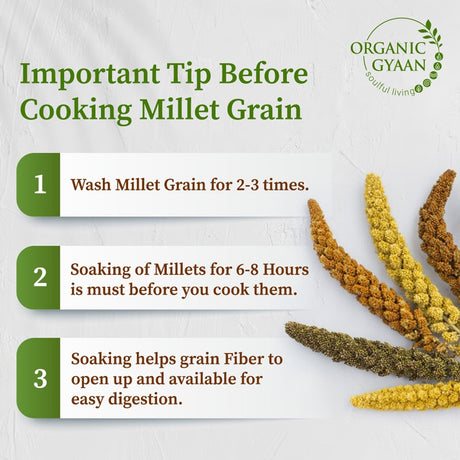
- Millets (foxtail, kodo, little millet)
- Pulses and lentils
- Leafy greens and vegetables
- Seeds and dry fruits
- Cold‑pressed oils for healthy fats
These foods help keep your sugar steady instead of spiking.
2. Cut Back on Quick Sugar Sources
Avoid:
- Sugary drinks
- Sweets
- Refined flour foods
- Processed snacks
Replace sugar with natural sweeteners like jaggery (in small amounts) when possible.
3. Stay Active Daily
You don’t need a gym - even daily walking, light yoga, or simple home exercises help your muscles use sugar for energy.
Movement makes insulin work better in your body.
4. Drink Plenty of Water
Water helps your kidneys flush out extra sugar through urine. Dehydration can make hyperglycemia worse.
Herbal teas like cinnamon water, tulsi tea, or ginger tea also support hydration and digestion.
5. Try Natural Supportive Foods
Some traditional foods and herbs can be supportive:
- Fenugreek (methi) - may help sugar metabolism
- Turmeric - anti‑inflammatory
- Amla (Indian gooseberry) - rich in vitamin C
- Cinnamon - may help insulin function
- Triphala - supports digestion
These are safe additions to your diet but always check with your doctor if you take medication.
6. Manage Stress
Stress hormones raise blood sugar. Simple steps like:
- Deep breathing
- Meditation
- Time in nature
- Music or hobbies
can help lower stress and support stable sugar levels.
7. Get Enough Sleep
Poor sleep can mess with your hormones - including insulin. Aim for 7–8 hours each night.
When to Seek Medical Help
If your blood sugar is very high (over 300 mg/dL) and you feel:
- Extreme thirst
- Frequent urination
- Confusion
- Very dry mouth
- Shortness of breath
- Fruity smell on breath
See a doctor immediately - this could be a sign of diabetic ketoacidosis, which needs urgent care.
Taking Charge of Your Health
The difference between hyperglycemia vs diabetes isn’t just academic - it affects your daily life and long‑term health.
- Hyperglycemia = a high sugar reading
- Diabetes = the condition that often makes this happen again and again
With the right habits - healthy food, movement, mindfulness, hydration, and regular checkups - you can manage your blood sugar and protect your body.
Conclusion
Understanding the difference between hyperglycemia and diabetes helps you make better choices - not just for a blood test, but for everyday well‑being.
Whether it’s a one‑time high reading after a heavy meal or a consistent pattern of elevated levels, your body is trying to tell you something. With simple lifestyle habits, natural food support, and regular monitoring, you can take control of your health - one day at a time.
Your body is worth taking care of - with wholesome food, mindful habits, and supportive routines.