
Have you ever checked your blood sugar and thought, “Why is this number so high? I barely ate anything!” You’re not alone. Many people test their sugar daily but don’t fully understand how to use a glucometer properly or when is the best time to check your blood sugar for meaningful results.
A blood glucose monitor is one of the most powerful tools in diabetes management. But it only works if you use it correctly and understand what the numbers mean.
In this simple, practical guide, you’ll learn:
- How to use a glucometer step by step
- When is the best time to check your blood sugar
- What your readings actually mean
- Common mistakes that cause inaccurate results
- How food and lifestyle affect your numbers
- Natural support options that complement monitoring
Let’s make this easy to understand.
Why Blood Sugar Monitoring Is So Important
Blood sugar monitoring helps you:
- Prevent dangerously high or low levels
- Understand how food affects you
- Adjust medication safely
- Reduce long-term complications
Research published in Diabetes Care shows that people who regularly monitor their glucose levels tend to have better HbA1c control.
But knowing how to use a glucometer correctly makes all the difference.
Step-by-Step: How to Use a Glucometer Correctly
If you want accurate readings, follow these steps carefully.
1. Wash Your Hands
Always wash your hands with soap and warm water. Dry them completely.
Even tiny food particles on your fingers can raise readings falsely.
This is one of the most overlooked steps in learning how to use a glucometer.
2. Insert the Test Strip
Insert a new test strip into the glucometer. Make sure it’s not expired.
Expired strips can give incorrect readings.
3. Prepare the Lancet
Insert a new lancet into the lancing device. Avoid reusing old lancets - they become dull and painful.
4. Prick the Side of Your Finger
Prick the side of your fingertip, not the center. It hurts less and heals faster.
5. Apply Blood to the Strip
Gently squeeze until a small drop forms. Touch the strip to the drop.
Wait for the meter to display your reading.
That’s the correct process of how to use a glucometer effectively.
When Is the Best Time to Check Your Blood Sugar?
Timing is just as important as technique.
So, when is the best time to check your blood sugar?
Here are the most useful times:
1. Fasting (Before Breakfast)
This shows your baseline level after overnight fasting.
2. Before Meals
Helps you understand starting glucose before eating.
3. Two Hours After Meals
This shows how your food affects your blood sugar.
Many doctors recommend this timing because it shows peak glucose response.
4. Before Bed
Ensures your levels are safe overnight.
5. During Illness or Stress
Blood sugar can fluctuate unpredictably during illness.
Understanding when is the best time to check your blood sugar helps you see patterns - not just random numbers.
What Do Blood Sugar Numbers Mean?
General reference ranges (may vary by doctor advice):
- Fasting: 70–100 mg/dL (non-diabetic range)
- 2 hours after meals: Below 140 mg/dL (non-diabetic range)
For people with diabetes, targets are often personalized.
Always follow your doctor’s guidance.
Common Mistakes When Using a Glucometer
Even if you know how to use a glucometer, small errors can affect readings.
Avoid these mistakes:
- Not washing hands
- Using expired strips
- Testing immediately after eating without cleaning fingers
- Squeezing finger too hard
- Testing from cold hands
- Not storing strips properly
Accuracy matters.
Why Your Numbers Change
If you test multiple times, readings may vary.
That’s normal.
Factors affecting glucose include:
- Food
- Portion size
- Stress
- Sleep
- Hydration
- Physical activity
Instead of worrying about one reading, look for patterns.
How Food Influences Your Glucometer Readings
Your glucometer is your feedback system.
If your 2-hour post-meal reading is high, it may indicate:
- Too many refined carbs
- Large portion sizes
- Low fiber intake
To stabilize numbers:
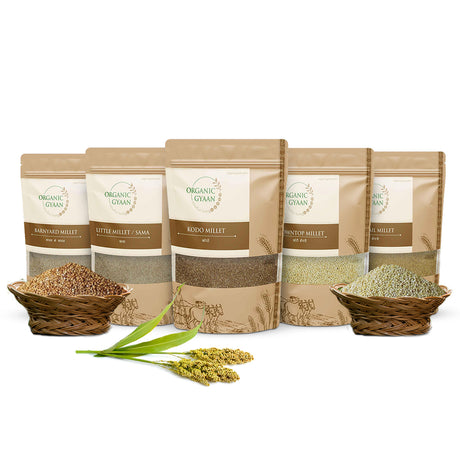
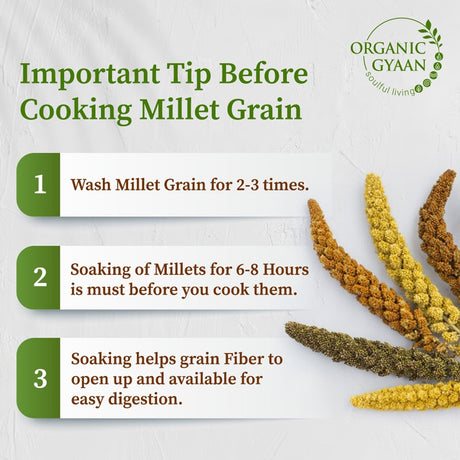
- Choose fiber-rich millets
- Add plant-based protein
- Include moderate healthy fats like A2 Bilona Ghee
- Avoid refined sugar
Millets are unpolished and high in fiber, which helps reduce post-meal spikes.
Understanding how to use a glucometer helps you adjust food choices wisely.
How Often Should You Test?
It depends on your condition.
- Type 1 diabetes: Multiple times daily
- Type 2 on insulin: Multiple times daily
- Type 2 without insulin: As advised
Ask your healthcare provider when is the best time to check your blood sugar for your specific case.
Natural Support Alongside Monitoring
Monitoring tells you what’s happening. Lifestyle changes improve results.
Certain traditional ingredients may support glucose balance:
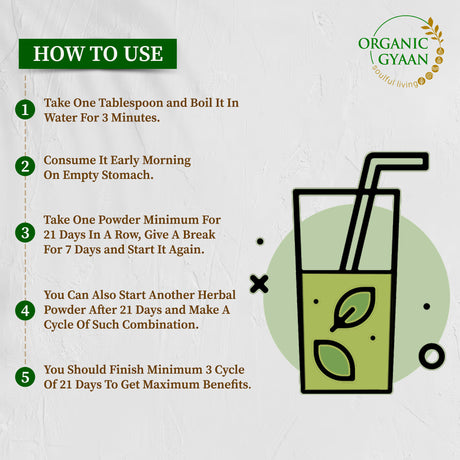
A thoughtfully curated Diabetes Wellness Basket may support consistent daily metabolic discipline.
These do not replace medication - but they complement smart monitoring habits.
Psychological Side of Monitoring
Many people feel anxious when checking blood sugar.
Remember:
- Numbers are information, not judgment.
- Monitoring helps you improve.
- Trends matter more than perfection.
Learning how to use a glucometer confidently reduces stress.
Research Insights
Studies show:
- Regular monitoring improves glucose control.
- Immediate feedback improves dietary discipline.
- Structured timing improves treatment outcomes.
Knowing when is the best time to check your blood sugar enhances the value of monitoring.
Frequently Asked Questions
1. How to use a glucometer step by step?
Wash hands, insert strip, prick finger, apply blood, and read the result.
2. When is the best time to check your blood sugar?
Fasting, before meals, 2 hours after meals, and before bed.
3. Why are my readings inconsistent?
Food, stress, hydration, and timing affect glucose levels.
Key Takeaways
- Learn how to use a glucometer correctly for accurate readings.
- Timing matters - know when is the best time to check your blood sugar.
- Look at patterns, not single numbers.
- Diet and lifestyle directly influence readings.
- A Diabetes Wellness Basket may support long-term glucose stability.
Conclusion
Using a blood glucose monitor successfully is about more than pricking your finger - it’s about understanding your body. When you know how to use a glucometer properly and understand when is the best time to check your blood sugar, you gain control over your diabetes management.
Monitor regularly. Eat mindfully. Stay consistent. Support your routine with fiber-rich millets, balanced vegetarian meals, moderate healthy fats like A2 Bilona Ghee, and natural supportive ingredients from a thoughtfully curated Diabetes Wellness Basket.
Your glucometer is not your enemy - it’s your guide. If this article helped you understand monitoring better, share it with someone who needs clarity and confidence in managing their blood sugar.