
What if managing diabetes wasn’t about eating less-but about buying better?
Most people with diabetes believe blood sugar problems happen because they eat too much or don’t have enough willpower.
That’s not true.
In reality, blood sugar control is decided much earlier - at the grocery store.
If the wrong food enters your kitchen, you’ll struggle every single day.
If the right food enters your kitchen, control becomes automatic.
That’s why building a smart diabetic grocery list is one of the most powerful tools for managing diabetes, especially when creating a practical type 2 diabetes grocery list for daily life.
In this guide, you’ll learn exactly:
- What to buy and why it works for diabetes
- How to build a grocery list that prevents sugar spikes
- Which grains, millets, and foods actually help blood sugar
- How Siridhanya millets fit perfectly into diabetes care
- What to remove completely to see faster results
No extreme dieting. No complicated nutrition rules. Just food that works with your body.
Why Your Grocery List Matters More Than Your Diet Plan
You don’t fail at diabetes control because you lack discipline.
You fail because your environment is working against you.
When your kitchen has:
- Refined grains
- Packaged snacks
- Hidden sugars
You’re forced to fight cravings daily.
A well-planned diabetic grocery list:
- Reduces sudden blood sugar spikes
- Makes meals predictable and safe
- Removes daily food confusion
- Improves consistency without stress
Studies referenced by Healthline show that people who plan grocery purchases consume more fiber, fewer refined carbs, and show better glucose stability.
Step 1: Make Vegetables the Backbone of Your Grocery List
What to buy
Lauki, tori, tinda, bhindi, cabbage, cauliflower, spinach, methi, pumpkin (limited), cucumber, capsicum.
Why vegetables are diabetes-friendly
Vegetables work so well for diabetes because:
- They are high in fiber, which slows sugar absorption
- They add volume to meals without raising glucose
- They reduce hunger and prevent overeating
- They support gut health - and gut health directly affects blood sugar
That’s why vegetables should take up the largest space in any diabetic grocery list.
Step 2: Choose the Right Grains (This Is Where Most People Go Wrong)
Carbohydrates are not the enemy.
Fast-digesting carbohydrates are.
What to buy
Hand-pounded rice (limited), brown rice (limited), jowar, bajra, ragi.
Why these grains are better for diabetes
These grains help because:
- They digest slower than refined grains
- They release glucose gradually
- They keep you full for longer
- They reduce post-meal sugar spikes
A smart type 2 diabetes grocery list focuses on slow carbs, not carb elimination.
Step 3: Add Siridhanya Millets (A Game-Changer for Diabetes)
Siridhanya millets to include
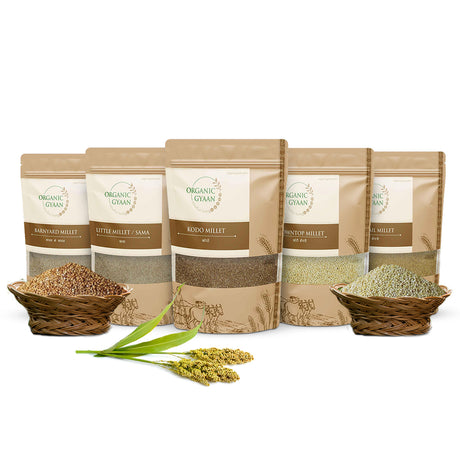
Foxtail millet, little millet, kodo millet, barnyard millet, browntop millet.
Why Siridhanya millets are excellent for diabetes
Siridhanya millets are especially diabetes-friendly because:
- They are very high in fiber
- They digest much slower than rice or wheat
- They reduce sharp post-meal glucose rise
- They improve gut health and satiety
For many people, simply replacing rice with Siridhanya millets improves sugar readings within weeks. That’s why they are a must-add to a serious diabetic grocery list.
Step 4: Add Plant-Based Protein to Control Sugar Spikes
What to buy
Moong dal, masoor dal, chana dal, chickpeas, rajma (limited), sprouted moong, sprouted matki.
Why protein is diabetes-friendly
Protein helps diabetes because:
- It slows carbohydrate digestion
- It prevents sudden sugar rise
- It reduces cravings
- It supports muscle health (important for insulin action)
Every strong type 2 diabetes grocery list includes protein in every main meal.
Step 5: Include Healthy Fats (They Improve Insulin Response)
What to buy
A2 ghee, cold-pressed coconut oil, cold-pressed groundnut oil, almonds, walnuts, flaxseeds, chia seeds.
Why healthy fats help diabetes
Good fats:
- Slow digestion and glucose release
- Improve insulin sensitivity
- Keep you full for longer
- Reduce sugar cravings
Fats don’t cause diabetes - refined carbs combined with bad fats do. That’s why healthy fats belong in a balanced diabetic grocery list.
Step 6: Choose Clean Dairy or Plant Alternatives
What to buy
Homemade curd, buttermilk, fresh paneer (limited), unsweetened almond milk, unsweetened coconut milk.
Why this is diabetes-friendly
These foods help because:
- Fermented dairy supports gut bacteria
- Better gut health improves glucose handling
- They provide protein without sugar
- They prevent unnecessary snacking
Avoid sweetened yogurt and flavored milk - they spike sugar silently.
Step 7: Use Natural Sweet Alternatives (So You Stay Consistent)
What to buy
Monk fruit, stevia, date powder (very limited), palm jaggery (occasional).
Why this helps diabetes control
This step:
- Reduces dependence on refined sugar
- Helps people stick to the plan long-term
- Prevents binge-eating caused by restriction
Monk fruit and stevia do not spike blood sugar like sugar does, making them suitable additions to a diabetic grocery list when used wisely.
Step 8: Add Natural Foods That Support Blood Sugar
What to buy
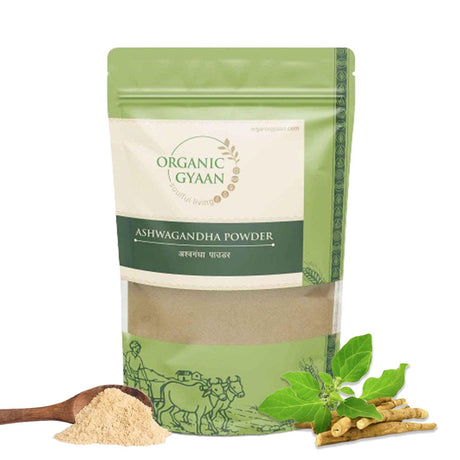
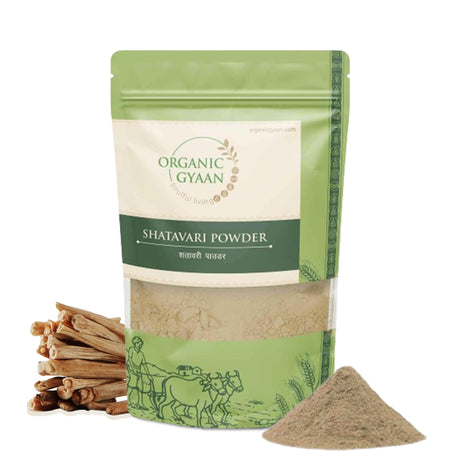
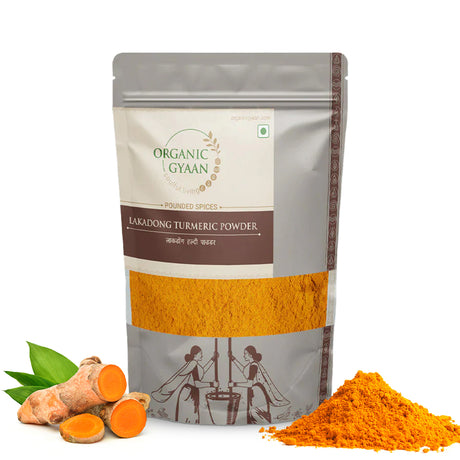
Fenugreek seeds, cinnamon, turmeric, amla powder, triphala, flaxseed.
Why these are diabetes-friendly
These support diabetes because:
- They improve digestion
- Reduce inflammation
- Support gut health
- Help stabilize appetite
They are supportive tools - not medicines - but consistency matters.
Step 9: Remove These Foods Completely
What NOT to buy
Maida, white bread, packaged juices, sweetened dairy, ready-to-eat snacks, breakfast cereals, sugary sauces.
Why removal matters
These foods:
- Digest extremely fast
- Spike blood sugar sharply
- Increase cravings
- Break glucose control daily
Removing them is one of the fastest improvements you can make to a type 2 diabetes grocery list.
Step 10: Use This Simple Weekly Grocery Structure
- 40% vegetables
- 20% grains + Siridhanya millets
- 20% protein foods
- 10% healthy fats
- 10% seeds & natural remedies
Why this structure works
It automatically balances:
- Fiber + protein + fat
- Energy + satiety
- Nutrition + practicality
Step 11: Read Labels Like Your Sugar Depends on It (Because It Does)
Avoid products containing:
- Added sugar
- Maltodextrin
- Corn syrup
- Glucose syrup
Why label reading is crucial
The biggest sugar spikes often come from “healthy-looking” packaged foods. A clean diabetic grocery list protects you from these traps.
Conclusion
Diabetes control doesn’t begin on your plate.
It begins in the grocery aisle.
A well-planned diabetic grocery list:
- Prevents sugar spikes before they happen
- Makes healthy eating effortless
- Reduces daily stress and cravings
When your kitchen supports you, discipline becomes easy.
Save this guide before your next grocery trip and share it with someone managing diabetes - because the right grocery list can change health without extreme dieting.