
When someone says they have “diabetes,” most of us immediately think of high blood sugar. But did you know that there are two different conditions that share the name diabetes - and they are not the same at all?
These two conditions are diabetes mellitus and diabetes insipidus. While both can cause symptoms like excessive thirst and frequent urination, the reasons behind them, how they affect the body, and how they are managed are completely different.
In this blog, we’ll explain diabetes insipidus vs mellitus in very simple words. We’ll also look at the difference between diabetes mellitus and diabetes insipidus from an Ayurvedic and natural health perspective, focusing on diet, lifestyle, and herbal powders instead of medications.
What Does “Diabetes” Actually Mean?
The word diabetes comes from an ancient term meaning “to pass through.” It refers to passing large amounts of urine. This is the only real similarity between diabetes mellitus and diabetes insipidus.
Beyond frequent urination and thirst, these two conditions are very different.
What Is Diabetes Mellitus?
Diabetes mellitus is the more common form of diabetes. It is related to high blood sugar levels.
How It Happens (in Simple Terms)
When you eat food, your body converts it into glucose (sugar). A hormone called insulin helps move this sugar into your cells for energy.
In diabetes mellitus:
- Either the body doesn’t produce enough insulin
- Or the body cannot use insulin properly
This causes sugar to build up in the blood instead of being used by the body.
Common Symptoms
- Frequent urination
- Excessive thirst
- Constant hunger
- Fatigue and weakness
- Blurred vision
- Slow healing of wounds
What Is Diabetes Insipidus?
Diabetes insipidus has nothing to do with blood sugar.
Instead, it is a condition related to water balance in the body.
How It Happens
The body uses a hormone called ADH (antidiuretic hormone) to control how much water the kidneys retain. In diabetes insipidus:
- The body may not produce enough ADH, or
- The kidneys may not respond properly to ADH
As a result, the body loses too much water through urine, leading to extreme thirst and dehydration.
Common Symptoms
- Passing large amounts of clear urine
- Constant thirst
- Dry mouth and skin
- Fatigue
- Dehydration
Blood sugar levels usually remain normal in diabetes insipidus.
Diabetes Insipidus vs Mellitus: Key Differences
Here’s the difference between diabetes mellitus and diabetes insipidus explained simply:
| Feature | Diabetes Mellitus | Diabetes Insipidus |
|---|---|---|
| Main issue | High blood sugar | Excess water loss |
| Affected system | Insulin & metabolism | Hormones & kidneys |
| Blood sugar | High | Normal |
| Urine | May contain sugar | Very dilute, no sugar |
| Commonness | Very common | Very rare |
So, while the symptoms may look similar, diabetes insipidus vs mellitus are entirely different conditions.
Ayurvedic View of Diabetes Mellitus
In Ayurveda, diabetes mellitus is often linked with Prameha, a condition caused by imbalance in Kapha dosha, weak digestion (Agni), and improper metabolism.
Ayurvedic Focus Areas
- Improving digestion
- Reducing excess Kapha
- Supporting healthy sugar metabolism
- Strengthening tissues naturally
Helpful Ayurvedic Herbal Powders
(Used traditionally under guidance)
- Fenugreek (Methi) powder – supports blood sugar balance
- Amla powder – supports metabolism and immunity
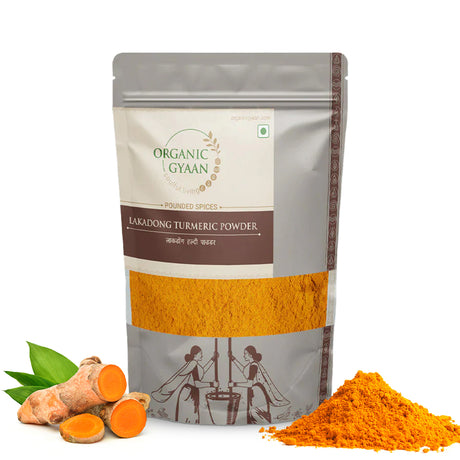
- Turmeric powder – helps reduce inflammation
- Cinnamon powder – supports insulin sensitivity
- Jamun seed powder – traditionally used for sugar balance
These are supportive tools, not instant cures, and work best with diet and lifestyle changes.
Ayurvedic View of Diabetes Insipidus
In Ayurveda, diabetes insipidus is often associated with excess Pitta and Vata imbalance, leading to dryness and fluid loss in the body.
Ayurvedic Focus Areas
- Nourishing body fluids (Dhatus)
- Cooling excess heat (Pitta)
- Supporting kidney and hormonal balance
Helpful Ayurvedic Herbs and Powders
- Amla powder – cooling and hydrating
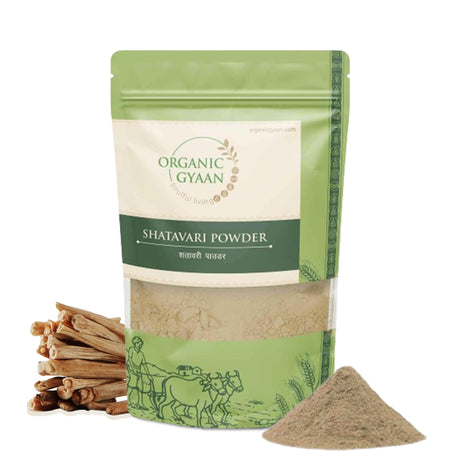
- Shatavari powder – supports fluid balance
- Licorice (Mulethi) powder – helps soothe dryness
- Coriander powder – cooling and digestive
Hydration, cooling foods, and calming routines are key.
Diet Tips for Both Conditions (Vegetarian Focus)
For Diabetes Mellitus
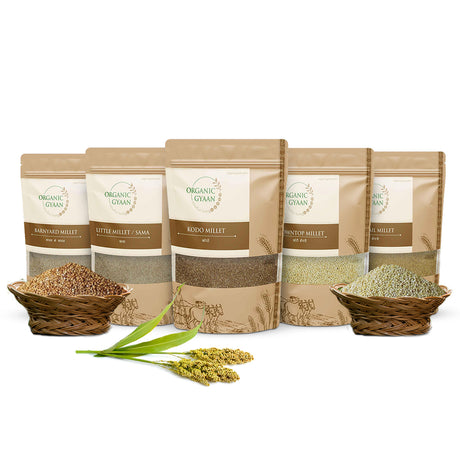
- Prefer millets like foxtail, little, and barnyard millet
- Include pulses and lentils for steady energy
- Eat plenty of vegetables and leafy greens
- Use cold-pressed oils in moderation
- Avoid refined sugar and processed foods
For Diabetes Insipidus
- Focus on hydrating foods
- Include fruits and vegetables with high water content
- Avoid excessive salt and spicy foods
- Eat warm, nourishing meals
Lifestyle Practices That Help Both
- Eat meals at regular times
- Practice gentle yoga and walking
- Reduce stress through breathing or meditation
- Get proper sleep
- Stay hydrated throughout the day
Ayurveda always emphasizes routine and balance as the foundation of health.
Why Understanding the Difference Matters
Confusing these two conditions can lead to wrong assumptions and delayed care. Knowing the difference between diabetes mellitus and diabetes insipidus helps you:
- Choose the right dietary approach
- Understand your symptoms better
- Seek appropriate guidance
- Avoid unnecessary fear
Conclusion
Even though they share the word “diabetes,” diabetes insipidus vs mellitus are completely different conditions. One is related to sugar metabolism, and the other to water balance.
Ayurveda teaches us that healing comes from understanding the root cause and restoring balance through food, herbs, and lifestyle - not just treating symptoms.
With mindful eating, herbal support, and daily discipline, the body can be supported naturally toward better balance and well-being.