
Have you ever noticed that when your blood sugar is unstable, your digestion also feels off? You’re not imagining it. Constipation is one of the most common but least talked about digestive problems in people living with diabetes.
In fact, studies suggest that people with long-term diabetes are significantly more likely to experience bowel movement issues compared to those without diabetes. So what’s really happening inside the body?
In this simple, practical guide, we’ll clearly explain the connection between diabetes and constipation, why it happens, what research says, and what you can do about it naturally and safely.
You’ll learn:
- Why diabetes can slow digestion
- How high blood sugar affects bowel movements
- The role of nerve damage
- Practical vegetarian dietary solutions
- Daily habits that improve gut health
- When to seek medical care
Let’s break it down clearly.
Is Constipation Common in Diabetes?
Yes. The link between diabetes and constipation is well recognized in medical research.
Constipation means:
- Fewer than three bowel movements per week
- Hard or dry stool
- Straining during bowel movements
- Feeling of incomplete emptying
Research published in Diabetes Care shows that gastrointestinal problems, including constipation, are common in people with long-standing diabetes.
But why does this happen?
Why Diabetes Causes Constipation
There isn’t just one reason. Several factors connect diabetes and constipation.
Let’s understand them one by one.
1. High Blood Sugar Slows Digestion
When blood sugar remains high for long periods:
- Nerves begin to get damaged
- Digestive movement slows
- Food stays longer in the intestines
This delay allows more water to be absorbed from stool. The result? Hard, dry stool that is difficult to pass.
The better your glucose control, the lower the risk of constipation.
2. Nerve Damage (Autonomic Neuropathy)
One major cause of diabetes and constipation is nerve damage.
Long-term uncontrolled blood sugar can damage the autonomic nervous system - the system that controls automatic functions like digestion.
When digestive nerves weaken:
- Intestinal muscles contract more slowly
- Stool moves sluggishly
- Constipation becomes chronic
Research in The American Journal of Gastroenterology confirms that diabetic neuropathy significantly affects gut motility.
This is why constipation in diabetes is not just about fiber - it’s often about nerve health.
3. Dehydration Makes It Worse
When blood sugar is high, the body tries to remove extra glucose through urine.
This causes:
- Frequent urination
- Fluid loss
- Dehydration
Dehydration makes stool harder and more difficult to pass.
This explains another important link between diabetes and constipation.
4. Low Fiber Diet
Many people reduce carbohydrates drastically when managing diabetes. But sometimes this also reduces fiber intake.
Low fiber intake:
- Reduces stool bulk
- Slows intestinal movement
- Worsens constipation
Fiber is essential - even in a structured diabetes diet.
Symptoms of Constipation in Diabetes
You may experience:
- Hard stools
- Infrequent bowel movements
- Abdominal discomfort
- Bloating
- Feeling that bowels are not completely empty
If these symptoms last more than two weeks, consult your doctor.
How to Manage Diabetes and Constipation Naturally
The good news? There are simple steps that can help.
1. Increase Fiber the Right Way
Fiber is essential for managing both blood sugar and bowel health.
Best vegetarian fiber sources:
- Foxtail millet
- Little millet
- Barnyard millet
- Whole moong dal
- Soaked chana
- Leafy vegetables
- Lauki, tinda, bhindi
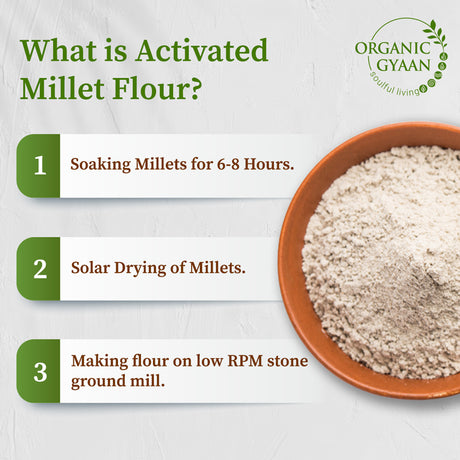
Millets are stone-ground and unpolished, which helps retain fiber. Fiber improves bowel movement and stabilizes glucose - making it ideal for addressing diabetes and constipation together.
Start slowly when increasing fiber to avoid bloating.
2. Drink Enough Water
Hydration is critical.
Aim for consistent water intake throughout the day. If blood sugar is high, you may need even more fluids.
Water softens stool and supports kidney function.
3. Add Healthy Fats
Healthy fats help lubricate the digestive tract.
Include:
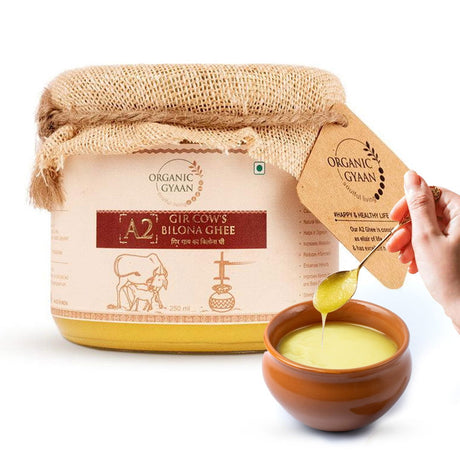
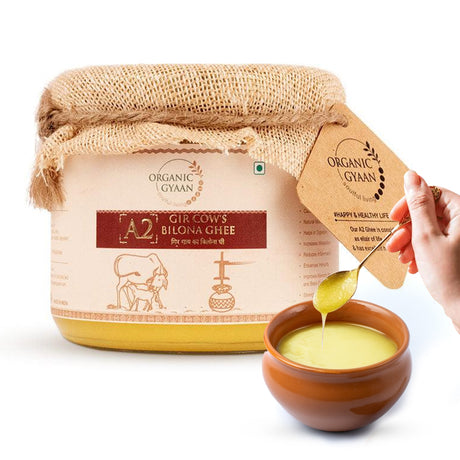
- A2 Bilona Ghee (1 tsp with meals)
- Soaked almonds
- Seeds in moderation
A2 Bilona Ghee supports digestion and helps reduce post-meal glucose spikes.
4. Stay Physically Active
Even light walking for 20–30 minutes daily improves bowel movement.
Exercise:
- Stimulates gut muscles
- Improves insulin sensitivity
- Supports metabolic health
Physical inactivity is a major contributor to diabetes and constipation.
5. Support Digestive-Friendly Ingredients
Certain traditional ingredients may help:
- Isabgol (psyllium husk)
- Triphala powder
- Amla powder
- Methi seeds
A thoughtfully curated Diabetes Wellness Basket may include supportive digestive and metabolic ingredients that help maintain daily consistency.
These are supportive tools - not replacements for medical care.
Research Insights
Studies show:
- Up to 60% of people with long-standing diabetes experience digestive symptoms.
- Better glycemic control improves gastrointestinal function.
- Early management reduces nerve damage progression.
This confirms that diabetes and constipation are closely linked through biological mechanisms.
When to Seek Medical Help
Consult your doctor if:
- Constipation persists beyond two weeks
- Severe abdominal pain occurs
- You notice blood in stool
- Unexplained weight loss happens
Chronic constipation should not be ignored.
Frequently Asked Questions
1. Can diabetes cause constipation?
Yes. High blood sugar can damage digestive nerves and slow bowel movement.
2. Is constipation common in Type 2 diabetes?
Yes, especially with long-term uncontrolled glucose levels.
3. Does controlling blood sugar help constipation?
Absolutely. Stable glucose improves nerve function and digestion.
4. What is the best diet for diabetes and constipation?
A high-fiber vegetarian diet with millets, pulses, vegetables, healthy fats, and proper hydration.
Key Takeaways
- Diabetes and constipation are strongly connected.
- High blood sugar damages digestive nerves.
- Dehydration worsens stool hardness.
- Fiber-rich millets and vegetables help.
- Hydration and physical activity are essential.
- A Diabetes Wellness Basket may support daily gut and metabolic balance.
Conclusion
The connection between diabetes and constipation is real - and often overlooked. High blood sugar, nerve damage, dehydration, and low fiber intake all slow digestion.
The solution lies in daily discipline: stable glucose control, fiber-rich millets, adequate hydration, moderate healthy fats like A2 Bilona Ghee, and regular movement.
Supporting your routine with thoughtfully chosen digestive-friendly ingredients from a Diabetes Wellness Basket can help you stay consistent.
If this guide helped you understand the link between diabetes and constipation, share it with someone who may be struggling silently. Gut health and blood sugar balance go hand in hand.