Potatoes are a part of many meals we love - from aloo sabzi to tikkis to cutlets. They’re comforting, satisfying, and delicious. But if you’ve been diagnosed with diabetes, you might be asking:
“Can diabetics eat potatoes safely?”
The short answer is yes, but with care.
This blog will help you understand how potatoes affect blood sugar, and how to eat them in a way that’s mindful and balanced. You’ll also learn about better alternatives and natural foods that support sugar control.
Why Potatoes Raise Concerns for Diabetics
Potatoes are rich in carbohydrates, mostly in the form of starch. When you eat them, your body breaks the starch down into glucose (sugar), which quickly enters the bloodstream.
For people with diabetes, this process can lead to:
- Rapid spikes in blood sugar
-
Insulin resistance over time
-
Energy crashes and cravings
Potatoes also have a high glycemic index (GI), which means they raise blood sugar faster than low-GI foods like whole grains or legumes. But that doesn’t mean you have to avoid them completely.
So, Can Diabetics Eat Potatoes? Yes, But Mindfully
Here’s how you can enjoy potatoes without causing sugar spikes:
1. Watch Your Portion Size
Too many potatoes in one meal can overwhelm your system. Instead of a full serving of aloo sabzi or mashed potatoes, keep your portion small.
Stick to ½ cup of cooked potatoes per meal. That’s enough to enjoy the flavor without overloading on carbs.
2. Choose the Right Cooking Method
How you cook potatoes changes how they affect your body. Fried potatoes, chips, or creamy mashed potatoes digest quickly and raise sugar levels faster.
Better choices include:
- Boiled potatoes
- Steamed or lightly roasted
- Boiled and cooled potatoes - which form resistant starch that digests slowly
These methods help reduce the impact on your blood sugar.
3. Leave the Skin On
Potato skin is a great source of fiber, which helps slow down digestion and sugar absorption.
Wash potatoes thoroughly and cook them with the skin on. This simple step can make your meal more diabetes-friendly.
4. Pair Potatoes with Protein or Fiber
Eating plain potatoes can cause quick sugar spikes. But when you eat them with protein (like dal or paneer) or fiber-rich vegetables, your body digests them more slowly.
Try pairing potatoes with:
- Moong dal or chana dal
- Green leafy vegetables
- Millet roti
-
A small spoon of A2 ghee for better digestion
These combinations reduce sugar spikes and keep you full longer.
5. Don’t Eat Potatoes Every Day
Even when cooked the right way, having potatoes daily can lead to higher overall carb intake.
Limit your intake to 2–3 times per week, and include other vegetables like:
- Pumpkin (kaddu)
- Bottle gourd (lauki)
- Cauliflower
-
Ridge gourd (tori)
This gives your body a wider variety of nutrients and keeps sugar levels more balanced.
Best Potatoes for Diabetics
Not all potatoes affect your body the same way. Here are better choices:
|
Type |
Why It’s Better |
|
Sweet Potatoes |
Lower glycemic index, more fiber, and rich in nutrients |
|
Red Potatoes |
Slightly lower GI than white potatoes |
|
Boiled & Cooled |
Forms resistant starch that digests more slowly |
Still, portion control is key - even with these better options.
Healthy Alternatives to Potatoes
Want a change from potatoes? Here are low-GI and fiber-rich vegetables that work well in Indian meals:
- Cauliflower – great in sabzis and tikkis
- Pumpkin (kaddu) – naturally sweet and light
- Turnip (shalgam) – earthy and filling
- Bottle gourd (lauki) – easy to digest and blood sugar-friendly
-
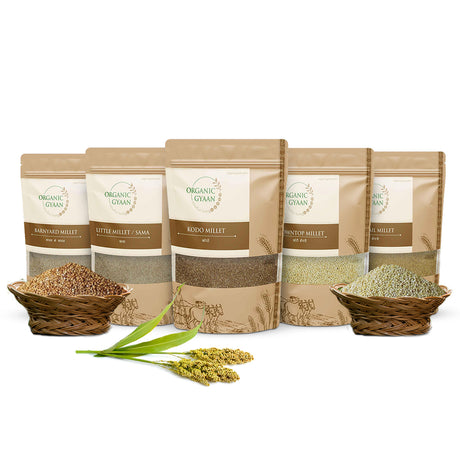
Millets – excellent grain alternative for diabetics
These swaps help keep your meals exciting and your sugar levels stable.
Balanced Indian Meal Idea with Potatoes
Here’s a simple way to enjoy potatoes in a balanced diabetic meal:
Lunch Plate:
- ½ cup boiled potato with skin
- 1 bowl moong dal
- 1 cup sautéed spinach
- 1 millet roti
-
1 tsp A2 ghee
This plate includes everything - protein, fiber, healthy fat, and controlled carbs - to help manage sugar levels after meals.
Conclusion
Yes, diabetics can eat potatoes - but the key is moderation and balance.
- Keep portions small
- Choose healthy cooking methods
- Pair with proteins and fiber
-
Don’t eat potatoes daily
Add supportive foods like millets, A2 ghee, Ayurvedic herbs, and cold-pressed oils to help your body manage sugar naturally.
Small, smart changes can let you enjoy your favorite foods - like potatoes - without harming your health.