
Did you know that your height could be connected to your risk of getting Type 2 diabetes?
It sounds strange at first. Most of us think about diabetes in terms of what we eat, how much we weigh, or whether it runs in the family. But researchers have discovered something surprising - shorter people tend to have a higher risk of Type 2 diabetes, and taller people tend to have a lower risk.
The numbers are striking. A major study found that for every 10 centimetres of extra height, diabetes risk drops by 41% in men and 33% in women. That is not a small difference.
Now, before this feels discouraging - here is the most important thing to know. You cannot change how tall you are. But the reasons why height is connected to height and diabetes risk have nothing to do with your actual measurement. They are about what happens inside your body - in your liver, your muscles, and your blood. And those things you absolutely can change.
This blog will explain everything in simple terms - why this connection exists, what is really going on inside your body, and what you can do about it starting today. We will also look at how natural Ayurvedic herbs can support your health in exactly the right ways.
What Does the Research Say?
Scientists have been studying this height and diabetes risk connection for many years now, and the findings keep pointing in the same direction.
A large study followed over 26,000 people for seven years and found that taller people were significantly less likely to develop Type 2 diabetes. The taller you are, the lower your risk. The shorter you are, the higher your risk. Another study of over 783,000 people in Germany found the same thing.
This pattern has also been seen in Asia, North America, and Europe - across different countries and different types of people. Short stature has even been linked to a higher risk of gestational diabetes in pregnant women.
So this is not a one-off finding. It is a well-documented pattern. The big question is — why?
Why Does Height Affect Diabetes Risk?
Here is the key thing to understand: your height itself does not cause diabetes. Height is more like a clue - it points to certain things that are happening inside your body that do affect diabetes risk. Let us go through the main ones in simple terms.
1. Liver Fat - The Biggest Reason
This is the most important one, so let us spend a moment on it.
Your liver is one of the most important organs in your body for managing blood sugar. But when too much fat builds up inside the liver, it starts to interfere with how your body uses insulin. The liver becomes stubborn and unhelpful - releasing too much sugar into your blood at the wrong times and making your cells less sensitive to insulin.
Even small amounts of liver fat - as little as 1.85% fat content - have been linked to insulin resistance and a higher chance of developing Type 2 diabetes and heart disease, according to research from Yale University.
Now here is where height comes in. Taller people tend to have more muscle spread across their longer frames. More muscle means your body has more places to store blood sugar after a meal - so less of it gets converted into fat and stored in the liver. Shorter people naturally have less total muscle mass, which means their bodies are more likely to store excess energy as fat - and some of that fat ends up in the liver.
Researchers specifically said that reducing liver fat may be one of the best ways shorter people can reduce their height and Type 2 diabetes risk - even though they cannot change their height itself.
2. How Well Your Body Uses Insulin
Taller people tend to use insulin more efficiently. Their cells respond better to insulin's signal to absorb glucose from the blood. This is called better insulin sensitivity. Their pancreas also tends to work a little more efficiently in producing insulin.
Why? Again - it comes down to muscle. More muscle tissue means the body has more places where glucose can be absorbed and stored. Shorter people, on average, have less muscle relative to their body fat, and this can make their insulin work a little harder to do the same job.
3. Your Legs Matter More Than You Might Think
Here is an interesting detail from the research. It is not just overall height that matters - leg length specifically seems to be the most protective part of being tall.
Why? Because your legs contain the largest muscles in your body - your thighs and calves. These muscles are among the main places where blood sugar is absorbed and stored after a meal. Longer legs often mean more of this important muscle tissue, which helps blood sugar management.
The practical takeaway here is really encouraging: you can build leg muscle at any height. Exercises like squats, lunges, cycling, and stair climbing all strengthen and grow the lower body muscles that help manage blood sugar. This is something every shorter person can do to directly improve the part of their body most relevant to this height and diabetes risk connection.
4. A Legacy of Survival
Some scientists think the link between shorter height and higher diabetes risk may go back a long way. One theory suggests that in some populations, shorter stature developed partly as a response to limited food availability in early human history. The body adapted to store fat more efficiently and conserve energy.
In the world we live in today - where food is plentiful, portions are large, and many of us sit for most of the day - those same adaptations that once helped our ancestors survive can make diabetes more likely. The body is still trying to store every bit of energy it can, even when there is more than enough food available.
5. Blood Fats and Cholesterol
Shorter people also tend to have slightly less favourable cholesterol levels on average - higher triglycerides (blood fats) and lower HDL (good cholesterol). These patterns are linked to insulin resistance and increase the risk of both diabetes and heart disease. This is another piece of the picture that sits behind the height and diabetes risk relationship.
The Good News: Height Is Not Your Destiny
Take a breath. This information is not meant to worry you.
Many shorter people never develop diabetes. Many taller people do. Your height is just one piece of a much bigger picture - and it is not the most important piece. What you eat, how much you move, how well you sleep, how you manage stress - these things matter far more than how tall you are.
The reason this research is valuable is not to make anyone feel bad about their height. It is to point out that shorter people may benefit from being a little more proactive about the specific things that drive their higher risk - mainly liver fat and insulin sensitivity. And both of those things respond really well to the right lifestyle habits and the right natural support.
You cannot grow taller. But you can:
- Reduce the fat in your liver
- Improve how your body responds to insulin
- Build more muscle in your legs and lower body
- Choose foods that keep your blood sugar steady
Every single one of those things is within your control.
8 Simple Things You Can Do Starting Today
1. Cut out sugary drinks. This is the single most powerful step for reducing liver fat. Sugary drinks - cold drinks, packaged juices, sweetened chai - contain large amounts of fructose, which goes straight to the liver and turns into fat. Replace them with water, jeera water, or plain herbal teas.
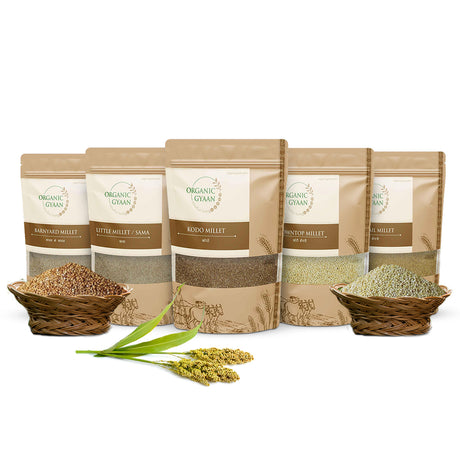
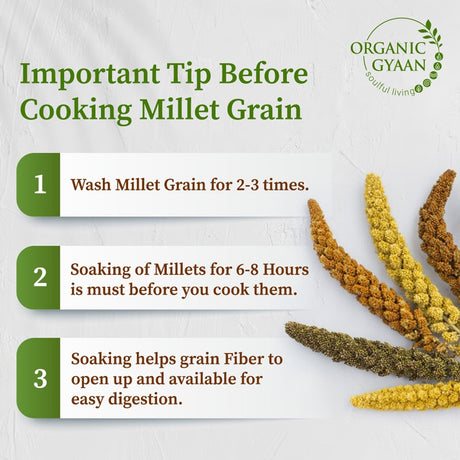
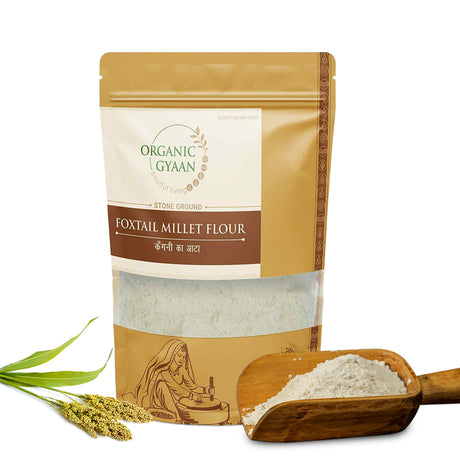
2. Switch your grains to Siridhanya Millets. White rice and maida cause quick spikes in blood sugar. When blood sugar spikes repeatedly, the excess gets converted to fat - and a lot of that fat ends up in the liver. Switching to Siridhanya Millets (foxtail, barnyard, kodo, little, and browntop millet) gives your body slow, steady energy without the spikes. This is one of the best things you can do for your liver and for height and diabetes risk management.
3. Exercise your legs regularly. Squats, lunges, cycling, brisk walking, climbing stairs - all of these build the leg muscles that absorb blood sugar after meals. Even 20 to 30 minutes, three or four times a week, makes a real difference over time.
4. Fill half your plate with vegetables. Vegetables are high in fibre, low in calories, and have very little impact on blood sugar. Filling at least half your plate with non-starchy vegetables at every meal is one of the easiest ways to eat less fat-storing food without feeling deprived.
5. Eat your meals at regular times. Skipping meals causes blood sugar to dip, then spike when you finally eat. These repeated spikes are hard on both your liver and your insulin system. Three balanced meals at consistent times every day is much better than irregular eating.
6. Manage your waist size. Belly fat - particularly the fat around and inside your abdominal organs - is strongly linked to liver fat and insulin resistance. Keeping your waist measurement within a healthy range is one of the clearest signs that your metabolic health is on track.
7. Sleep well. Poor sleep raises cortisol - a stress hormone that promotes fat storage and worsens insulin resistance. Getting 7 to 8 hours of quality sleep every night is not a luxury. For anyone managing height and Type 2 diabetes risk, it is a genuine health tool.
8. Add the right Ayurvedic herbs to your daily routine. Several natural herbs directly support liver health and insulin sensitivity - the two core mechanisms behind the height-diabetes connection.
Ayurvedic Herbs That Help
The best herbs for height and diabetes risk are those that target liver fat and improve how the body uses insulin.
1. Karela Powder (Bitter Gourd)
Karela is one of Ayurveda's most trusted herbs for blood sugar. Its natural compounds help your cells respond better to insulin - addressing the core insulin sensitivity problem that links shorter height to higher diabetes risk. Half a teaspoon in warm water every morning before breakfast is all you need.
2. Jamun Seed Powder
After every meal, your blood sugar rises. If it rises too high too often, your liver starts converting that extra glucose into fat. Jamun seed powder slows down how fast glucose enters your blood after eating - keeping those rises smaller and gentler. Stir into warm water each morning.
3. Turmeric Powder (Haldi)
The curcumin in turmeric is one of the best natural protectors of the liver. It reduces inflammation in the liver, helps with liver enzyme levels, and protects liver cells from damage. Research from Yale University has shown that even small amounts of liver fat are dangerous - and turmeric helps keep the liver healthy and fat-free. Add a pinch to warm milk every night.
4. Fenugreek Seeds (Methi)
Fenugreek contains a natural fibre that slows down how fast sugar from your food enters your bloodstream. This helps prevent the blood sugar spikes that lead to liver fat build-up. It also supports healthy cholesterol levels - addressing another part of the height and diabetes risk picture. Soak overnight and drink in the morning.
5. Giloy Powder
When inflammation builds up in the body - which happens when blood sugar is often elevated - it makes it harder for insulin to work properly. Giloy is a powerful anti-inflammatory herb. It helps reduce that internal inflammation, making your insulin more effective and keeping your liver healthier.
6. Neem Powder
Neem helps cleanse and support the liver, and it also helps improve how your body responds to insulin. Think of it as a daily liver tonic that also gives your insulin a helping hand.
7. Ashwagandha Powder
Stress is a hidden driver of both liver fat and poor insulin response. When you are stressed, your body releases cortisol - a hormone that tells the liver to release sugar into the blood and tells fat cells to store more. Ashwagandha reduces cortisol, helps you sleep better, and improves your body's response to insulin. If stress is part of your life - and whose is not - Ashwagandha is worth adding to your routine.
8. Siridhanya Millets (Positive Millets)
These are not just supplements - they are food. Foxtail, barnyard, kodo, little, and browntop millets are the best grain choice for anyone looking to reduce liver fat and improve blood sugar management through diet. Low in glycaemic index, high in fibre, and genuinely satisfying - they are the daily food foundation that everything else builds on.
Just a reminder: These herbs work alongside your existing diabetes care — they are not a replacement for medical treatment or your doctor's advice. If you have risk factors for diabetes, speak to your doctor for guidance.
Conclusion
The connection between height and Type 2 diabetes is real and well-researched. Shorter people do carry slightly higher risk - mainly because of how their bodies tend to store fat and manage insulin. But this does not mean diabetes is inevitable. Not even close.
The reasons behind the height and diabetes risk link - liver fat, poor insulin sensitivity, lower leg muscle mass, and less favourable cholesterol levels - are all things that respond to the right lifestyle choices. You can reduce liver fat. You can improve how your cells respond to insulin. You can build more muscle. You can choose foods that keep your blood sugar steady.
Switch to Siridhanya Millets. Drink Karela water every morning. Add turmeric to your milk at night. Take fenugreek seeds daily. Exercise your legs. Cut the sugary drinks. These are simple, affordable, everyday habits - and over weeks and months, they genuinely change your metabolic health from the inside out.
Your height was decided long before you were born. Your health from here is still very much in your hands.