
Over 101 million Indians are living with diabetes right now - and most of them found out too late.
Not too late to do something about it. Too late to avoid years of confusion, wrong advice, missed warning signs, and a lot of unnecessary fear.
Here is the uncomfortable truth: type 2 diabetes is one of the most common conditions in the world, yet it is also one of the most misunderstood. People hear the word "diabetes" and immediately think of insulin injections, strict diets, and a life full of restrictions. But that picture is incomplete - and in many cases, completely wrong.
The good news? When you truly understand type 2 diabetes - what it is, how it works, what causes it, and what you can actually do about it - it stops being something that controls you. You start controlling it instead.
In this blog, we are going to cover 5 important things everyone should know about type 2 diabetes - in plain, simple language. No medical jargon. No scary statistics without context. Just clear, honest, actionable information that can genuinely help you or someone you love.
By the end, you will understand:
- What type 2 diabetes really is and how it is different from type 1
- The early warning signs that most people ignore
- What actually causes it (and what doesn't)
- How food, movement, and natural remedies can manage it
- Why it is never too late to take charge of your health
Let's start.
Thing 1: Type 2 Diabetes Is Not the Same as Type 1 - And the Difference Matters
This is one of the most common points of confusion - and it matters a lot.
Type 1 diabetes is an autoimmune condition. The body's immune system mistakenly attacks the cells in the pancreas that produce insulin. People with type 1 diabetes produce little to no insulin and need to take insulin every day to survive. It usually develops in childhood or early adulthood and is not caused by lifestyle.
Type 2 diabetes is fundamentally different. The pancreas still produces insulin - but the body's cells stop responding to it properly. This is called insulin resistance. Over time, the pancreas works harder and harder to compensate, and eventually it cannot keep up. Blood sugar levels rise and stay high, which is what leads to the diagnosis of type 2 diabetes.
This distinction matters because it changes everything about management. Type 2 diabetes is heavily influenced by lifestyle - which means it is also heavily influenced by the choices you make every day. Diet, exercise, sleep, and stress all play a direct role.
A 2022 study published in The Lancet found that type 2 diabetes can go into remission - not just be managed, but actually reversed - in a significant number of people through sustained lifestyle changes, particularly weight loss and dietary improvement.
That is not something people hear often enough.
Thing 2: The Warning Signs Often Show Up Years Before the Diagnosis
This one surprises most people.
Type 2 diabetes does not appear overnight. It builds slowly, often over years, through a stage called pre-diabetes - where blood sugar is higher than normal but not yet high enough for a formal diabetes diagnosis. During this stage, most people feel completely fine and have no idea anything is wrong.
By the time the diagnosis arrives, many people have already had elevated blood sugar for 5–10 years.
Here are the early warning signs that are easy to miss or dismiss:
- Feeling very thirsty, even after drinking water - excess sugar in the blood draws water out of cells, making you chronically dehydrated
- Frequent urination, especially at night - your kidneys are working overtime to filter out excess glucose
- Feeling tired all the time - when cells cannot absorb glucose properly, your body cannot convert food into energy efficiently
- Blurry vision - high blood sugar causes fluid to shift in the lenses of the eyes
- Slow-healing cuts or wounds - high sugar levels affect blood circulation and the immune response
- Tingling or numbness in hands and feet - early nerve damage from prolonged high blood sugar
- Skin darkening around the neck, armpits, or groin (Acanthosis Nigricans) - a very common early sign in Indian patients, often dismissed as a skin issue
If you or someone you know is experiencing two or more of these signs consistently, please get a blood sugar test done. A simple HbA1c test gives you a clear picture of your average blood sugar over the last three months.
Thing 3: It Is Not Just About Sugar - The Real Causes Run Deeper
People often think type 2 diabetes is caused simply by eating too much sugar. While diet is important, the actual causes are much more layered.
Here are the real risk factors:
1. Insulin resistance is at the root of everything. When cells become resistant to insulin - due to chronic inflammation, poor diet, excess body weight, or inactivity - blood sugar starts climbing.
2. Excess body weight, especially around the abdomen, is one of the strongest risk factors. Belly fat (visceral fat) is metabolically active and produces inflammatory compounds that directly worsen insulin resistance.
3. Physical inactivity reduces the muscles' ability to take up glucose from the blood. Even a 30-minute walk daily has been shown to improve insulin sensitivity significantly.
4. Chronic stress raises cortisol levels, which in turn raises blood sugar. Many people with stressful lifestyles develop type 2 diabetes without any other obvious risk factor.
5. Poor sleep is a massively underrated factor. A study in Diabetes Care found that people who sleep less than 6 hours per night have significantly higher risk of developing type 2 diabetes compared to those who sleep 7–8 hours.
6. Family history does play a role - but it does not mean diabetes is inevitable. Genes load the gun, but lifestyle pulls the trigger.
7. Refined carbohydrates and processed foods - white rice, maida, packaged snacks, sugary drinks - cause repeated blood sugar spikes that, over time, exhaust the pancreas and worsen insulin resistance.
Understanding these causes is empowering. Because most of them are things you can actually change.
Thing 4: The Right Foods Can Be the Most Powerful Medicine
Food is where most people either make the biggest mistakes or find the most powerful solutions when it comes to type 2 diabetes management.
The goal is not to eat tasteless food or starve yourself. The goal is to choose foods that release sugar slowly into the bloodstream, reduce inflammation, support insulin function, and nourish the body without creating blood sugar spikes.
Here are the best food choices for people with type 2 diabetes - all plant-based and rooted in Indian food wisdom:
1. Millets - The Blood Sugar Superfood
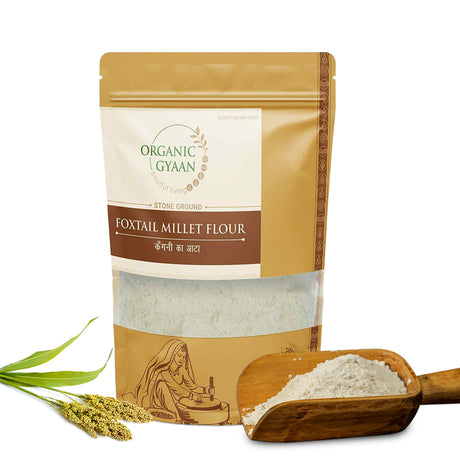
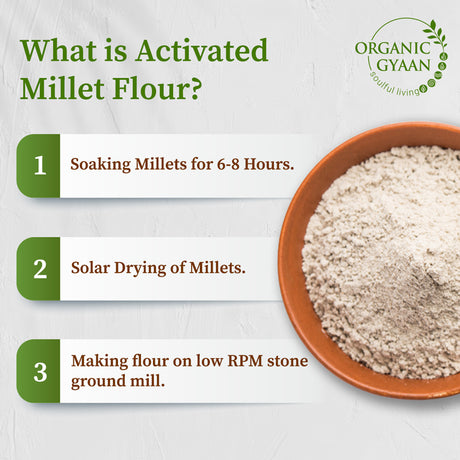
Millets are the single most powerful dietary change a diabetic person in India can make. Foxtail Millet, Kodo Millet, Little Millet, Barnyard Millet, and Browntop Millet - collectively called Siridhanya millets - have a very low glycemic index and are rich in fibre. They release sugar slowly and steadily into the blood, avoiding the sharp spikes caused by white rice or wheat.
Replacing regular rice or wheat rotis with millet-based meals even three to four times a week can make a measurable difference in blood sugar levels over time.
2. Bitter Gourd (Karela)
Karela is one of the most researched anti-diabetic foods in Ayurveda and modern science both. It contains plant compounds that act in ways similar to insulin, helping reduce excess sugar in the blood. Regular consumption of karela - as a vegetable, juice, or powder - has been shown to support blood sugar regulation.
3. Fenugreek (Methi)
Methi seeds are high in soluble fibre and contain compounds that slow down the absorption of sugar from the digestive tract. Soaking a teaspoon of methi seeds overnight and consuming them on an empty stomach in the morning is one of the simplest, most effective home remedies for blood sugar management.
4. Jamun (Black Plum)
Jamun seeds contain jamboline and ellagic acid - compounds that have demonstrated strong anti-diabetic activity in research studies. Jamun seed powder, taken with warm water daily, is a traditional remedy that has stood the test of time.
5. Moringa (Drumstick Leaves)
Moringa leaves are exceptionally rich in antioxidants, vitamins, and minerals. Studies show that moringa may help lower fasting blood sugar and reduce inflammation - both critical for type 2 diabetes management.
6. Cinnamon (Dalchini)
Ceylon cinnamon has shown meaningful benefits for blood sugar regulation in multiple clinical trials. It improves insulin sensitivity and helps reduce fasting glucose. Half a teaspoon in warm water or dal every day is a small change with potentially big impact.
Foods to Reduce or Avoid
- White rice in large quantities
- Maida-based foods (bread, biscuits, naan, pasta)
- Packaged snacks and processed foods
- Sugary drinks, packaged juices, and cold drinks
- Refined oils and deep-fried foods
Thing 5: Natural Remedies + Lifestyle Changes Work - When Done Consistently
This is perhaps the most important thing to understand about type 2 diabetes: it responds to consistent, daily effort. There is no single pill or powder that fixes it overnight - but there are absolutely things you can do every single day that cumulatively make an enormous difference.
Here is a simple, practical daily approach:
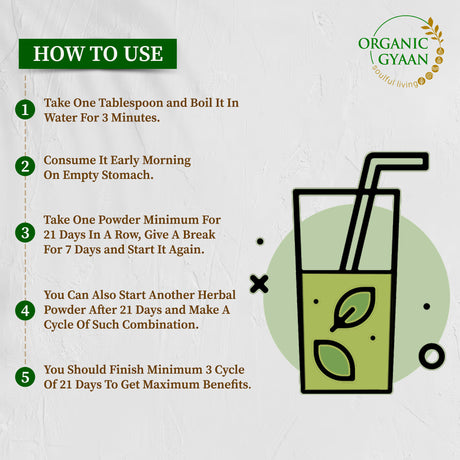
Morning (empty stomach): Take one of the following with warm water:
- Jamun seed powder
- Karela powder
- Neem powder
- Giloy powder
- Moringa powder
Rotate one herb per week to get the benefits of each. Do not mix them together - use one at a time.
The Blood Sugar Management Combo also includes Ceylon Cinnamon Powder alongside Jamun, Karela, Neem, and Giloy - for comprehensive daily blood sugar support.
Meals:
- Replace white rice with millets at least once a day
- Add vegetables like karela, lauki, methi, and spinach to your meals
- Use A2 Bilona Ghee in small amounts - it supports digestion and fat-soluble vitamin absorption without spiking blood sugar
Movement: Even a 30-minute walk after meals significantly lowers post-meal blood sugar spikes. This is one of the most well-researched, accessible, and effective tools for managing type 2 diabetes - and it costs nothing.
Sleep: Aim for 7 to 8 hours of quality sleep every night. Poor sleep is a blood sugar saboteur that most people completely overlook.
Stress: Chronic stress is a hidden driver of blood sugar elevation. Simple practices like pranayama (breathing exercises), yoga, or even 10 minutes of quiet sitting daily can make a meaningful difference over time.
A Word on Monitoring
One of the best habits a person with type 2 diabetes can build is regular monitoring. Get your HbA1c tested every three months. Check your fasting and post-meal blood sugar at home. Keep a food journal for even just two weeks - you will be surprised how much it reveals about which foods affect your blood sugar the most.
Knowledge is power. The more you understand how your body responds, the better you can manage it.
You Do Not Have to Figure This Out Alone
Managing type 2 diabetes naturally is absolutely possible - and you do not have to navigate it alone or rely only on medications.
Organic Gyaan offers a complete range of organic, Ayurvedic, and traditional foods specifically suited for diabetes care - from Siridhanya millets and A2 Bilona Ghee to the Ayurvedic Blood Sugar Management Combo and individual herb powders like Jamun, Karela, Neem, Giloy, and Moringa.
Everything is certified organic, chemical-free, and rooted in India's traditional food and wellness wisdom.