जर तुम्ही मधुमेहाने ग्रस्त असाल, तर तुमच्या ताटात काहीही ठेवण्यापूर्वी तुम्ही कदाचित दोनदा विचार कराल - आणि ते बरोबर आहे. काही पदार्थ रक्तातील साखर इतरांपेक्षा वेगाने वाढवतात आणि तुमच्या शरीरासाठी काय चांगले आहे हे जाणून घेणे महत्त्वाचे आहे.
असाच एक पदार्थ जो अनेकदा प्रश्न उपस्थित करतो तो म्हणजे साबुदाणा - खिचडी किंवा वड्यांमध्ये तुम्हाला दिसणारे ते छोटे, पांढरे, चघळणारे मोती. भारतात उपवासाच्या दिवसांत सामान्यतः खाल्ले जाणारे साबुदाणे त्याच्या हलक्या पोत आणि ऊर्जा वाढवणाऱ्या गुणवत्तेसाठी आवडते.
पण खरा प्रश्न हा आहे:
साबुदाणा मधुमेहासाठी चांगला आहे का? की तो चांगल्यापेक्षा जास्त नुकसान करतो?
चला ते खंडित करूया.
साबुदाणा म्हणजे नेमके काय?
साबुदाणा (ज्याला टॅपिओका मोती किंवा साबुदाणा असेही म्हणतात) कसावाच्या मुळापासून काढलेल्या स्टार्चपासून बनवला जातो. तो नैसर्गिकरित्या ग्लूटेन-मुक्त आहे आणि त्यात जवळजवळ कोणतेही प्रथिने किंवा चरबी नसते - फक्त शुद्ध स्टार्च. त्यामुळे ते पचायला सोपे होते, परंतु रक्तातील साखर नियंत्रणासाठी देखील चिंतेचा विषय आहे.
साबुदाणा मधुमेहींसाठी सुरक्षित आहे की नाही हे ठरवण्यापूर्वी, ते तुमच्या रक्तातील साखरेवर काय परिणाम करते ते समजून घेऊया.
साबुदाणा ग्लायसेमिक इंडेक्स: सर्वात महत्त्वाचा घटक
ग्लायसेमिक इंडेक्स (GI) आपल्याला सांगतो की अन्न रक्तातील साखर किती लवकर वाढवते. उच्च GI असलेल्या अन्नामुळे ग्लुकोजमध्ये जलद वाढ होते, जे मधुमेह असलेल्या लोकांसाठी धोकादायक ठरू शकते.
- साबुदाण्याचा ग्लायसेमिक इंडेक्स ६७ ते ८० दरम्यान असतो (तो कसा तयार केला जातो यावर अवलंबून).
ते मध्यम ते उच्च मानले जाते, याचा अर्थ असा की साबुदाणा जास्त प्रमाणात किंवा संतुलित प्रमाणात खाल्ल्यास तुमच्या रक्तातील साखरेची पातळी लवकर वाढू शकते.
म्हणून, जर तुम्हाला असा प्रश्न पडत असेल की साबुदाणा मधुमेहासाठी चांगला आहे का, तर केवळ जीआय आपल्याला सांगते की तो सर्वोत्तम पर्याय नाही, विशेषतः नियमित सेवनासाठी.
साबुदाण्याचे पोषण: आत काय आहे?
चला, प्रति १०० ग्रॅम (कच्चे) साबुदाण्याचे पोषणमूल्य पाहूया:
- कॅलरीज: ३५० किलो कॅलरी
- कार्बोहायड्रेट्स: ८७ ग्रॅम
- प्रथिने: ०.२ ग्रॅम
- चरबी: ०.१ ग्रॅम
- फायबर: ०.९ ग्रॅम
- लोह: १.६ मिग्रॅ
- कॅल्शियम: २० मिग्रॅ
- पोटॅशियम: ११ मिग्रॅ
स्पष्टपणे, साबुदाण्यामध्ये कार्बोहायड्रेट्सचे प्रमाण खूप जास्त असते आणि फायबर आणि प्रथिने खूप कमी असतात. यामुळे मधुमेह असलेल्या लोकांसाठी ज्यांना त्यांच्या रक्तातील साखरेचे प्रमाण स्थिर ठेवण्याची आवश्यकता असते त्यांच्यासाठी हा एक वाईट पर्याय बनतो.
साबुदाण्याचे फायदे
मधुमेहींसाठी साबुदाणा सर्वोत्तम नसला तरी, त्याचे सामान्य आरोग्यासाठी काही फायदे आहेत. अधिक स्पष्टीकरणासह येथे त्यांचे एक नजर टाका:
१. जलद ऊर्जा वाढवणे
साबुदाण्यातील कार्बोहायड्रेटचे प्रमाण जास्त असल्याने, ते जलद ऊर्जा सोडते, ज्यामुळे उपवास करणाऱ्या, आजारातून बरे होणाऱ्या किंवा अशक्त वाटणाऱ्या लोकांसाठी ते उपयुक्त ठरते. तथापि, मधुमेह असलेल्या लोकांसाठी, या उर्जेमुळे साखरेचे प्रमाण वाढण्याचा धोका असतो, म्हणून ते काळजीपूर्वक सेवन केले पाहिजे.
२. पचायला सोपे
साबुदाणा पचनसंस्थेसाठी सौम्य असल्याचे ओळखले जाते. आजारपणात ते अनेकदा खाण्याची शिफारस केली जाते कारण ते पोटासाठी हलके असते आणि अस्वस्थता निर्माण करण्याची शक्यता कमी असते. पण पुन्हा, हा हलकापणा जवळजवळ फायबर नसल्यामुळे येतो, त्यामुळे पचन जलद होते - जे रक्तातील साखरेसाठी आदर्श नाही.
३. ग्लूटेन-मुक्त
साबुदाणा नैसर्गिकरित्या ग्लूटेन-मुक्त आहे, जो सेलिआक रोग किंवा ग्लूटेन संवेदनशीलता असलेल्या लोकांसाठी उत्तम आहे. ग्लूटेन-मुक्त आहारात गहू-आधारित उत्पादनांसाठी हा एक चांगला पर्याय असू शकतो - परंतु लक्षात ठेवा, ग्लूटेन-मुक्त म्हणजे साखर-मुक्त नाही.
४. उपवास करताना उपयुक्त
भारतात, उपवासाच्या वेळी साबुदाणा हा पारंपारिक पदार्थ आहे. तो दीर्घ उपवासाच्या वेळी शाश्वत ऊर्जा प्रदान करतो. परंतु जेव्हा तुम्ही उपवास करत नसाल आणि मधुमेहावर नियंत्रण ठेवत नसाल तेव्हा साखरेची पातळी वाढवू नये अशा पदार्थांना चिकटून राहणे चांगले.
५. कमी प्रमाणात खनिजे प्रदान करते
साबुदाण्यामध्ये लोह आणि कॅल्शियमचे प्रमाण कमी असते, जे हाडे आणि रक्ताच्या आरोग्यास मदत करते. परंतु मधुमेहींवर साखरेच्या परिणामाच्या तुलनेत हे फायदे नगण्य आहेत.
साबुदाणा मधुमेहासाठी चांगला आहे का?
हा मोठा प्रश्न आहे.
प्रामाणिक उत्तर असे आहे: साबुदाणा मधुमेहासाठी आदर्श नाही. त्याचा उच्च ग्लायसेमिक इंडेक्स, कमी फायबर आणि प्रथिनेयुक्त पदार्थांसह एकत्रित केल्याने ते रक्तातील साखरेची पातळी खूप लवकर वाढवू शकते.
तर, साबुदाणा मधुमेहासाठी चांगला आहे का?
खरंच नाही - विशेषतः नियमितपणे नाही.
पण याचा अर्थ असा नाही की तुम्ही ते पुन्हा कधीही खाऊ शकत नाही. योग्य तयारीसह तुम्ही माफक प्रमाणात साबुदाण्याचा आस्वाद घेऊ शकता.
मधुमेहींसाठी साबुदाणा कसा सुरक्षित बनवायचा
जर तुम्हाला अधूनमधून साबुदाण्याची इच्छा होत असेल, तर तुमच्या साखर नियंत्रणाला हानी पोहोचवू न देता त्याचा आनंद घेण्याचे काही स्मार्ट मार्ग येथे आहेत:
१. भाग लहान ठेवा
लहान वाटी ठीक आहे. त्याला मुख्य पदार्थ बनवू नका.
२. फायबर आणि प्रथिने घाला
जेवण संतुलित करण्यासाठी भाज्या, शेंगदाणे किंवा दही समाविष्ट करा. हे तुमच्या रक्तप्रवाहात ग्लुकोजचे शोषण कमी करण्यास मदत करतात.
३. साखर टाळा
साबुदाण्याची खीर किंवा साखरेपासून बनवलेले गोड पदार्थ टाळा. गरज पडल्यास, खजूर गूळ किंवा नारळ साखर सारखे नैसर्गिक गोड पदार्थ कमी प्रमाणात वापरा, ज्यांचा ग्लायसेमिक इंडेक्स कमी असतो.
४. साबुदाणा एकटा खाऊ नका
तुमच्या रक्तातील साखरेची पातळी अधिक स्थिर राहण्यासाठी ते इतर फायबरयुक्त किंवा प्रथिनेयुक्त पदार्थांसोबत घ्या.
मधुमेहींसाठी साबुदाण्याला चांगले पर्याय
जर तुम्ही पोटभर, निरोगी पदार्थ शोधत असाल जे तुमच्या साखरेची पातळी वाढवणार नाहीत, तर साबुदाण्याऐवजी हे वापरून पहा:
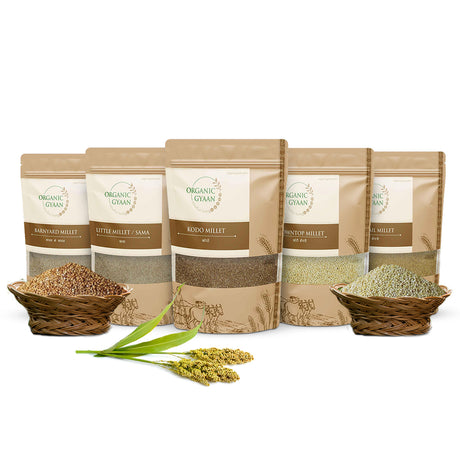
- सिरीधन्या बाजरी जसे की फॉक्सटेल, कोडो किंवा लिटिल बाजरी
- रागी (बाजरी) दलिया किंवा रोटी
- क्विनोआ पुलाव
- भाजीपाला मूग डाळ खिचडी
- डाळ आणि भाज्यांसह तपकिरी तांदूळ
हे पर्याय अधिक फायबर, अधिक पोषक तत्वे आणि कमी साखरेचे प्रमाण देतात.
निष्कर्ष
तर, साबुदाणा मधुमेहासाठी चांगला आहे का? खरंच नाही.
पण काळजी घेऊन कधीकधी त्याचा आनंद घेता येईल का? हो.
जर तुम्ही मधुमेहाचे व्यवस्थापन करत असाल तर हे महत्वाचे आहे:
- तुमच्या भागांवर लक्ष ठेवा
- फायबर आणि प्रथिनांसह कार्बोहायड्रेट्सची जोडणी करा
- कमी ग्लायसेमिक असलेले पदार्थ अधिक वेळा निवडा.
- आणि सर्वात महत्त्वाचे म्हणजे, तुमच्या शरीराचे ऐका.
सर्वांसाठी एकच नियम नाही - परंतु माहितीपूर्ण, जाणीवपूर्वक घेतलेले निर्णय खूप पुढे जातात.