
Did you know that over 537 million adults worldwide are living with diabetes - and nearly 90% of them have Type 2? Even more alarming, a large percentage of these individuals are struggling with obesity, a factor that dramatically worsens blood sugar control. Yet a simple change in when you eat - not just what you eat - may be one of the most powerful tools available. Groundbreaking research now confirms that intermittent fasting for type 2 diabetes is not just a wellness trend. It's a clinically backed strategy that helps patients lose weight, reduce medication dependence, and stabilize blood glucose levels.
In this blog, you'll discover exactly how intermittent fasting for type 2 diabetes works, what the latest science says, how to start safely, and how pairing it with time-tested Ayurvedic herbs can amplify your results naturally.
What Is Intermittent Fasting? A Quick Overview
Intermittent fasting (IF) is not a diet in the traditional sense. It's an eating pattern that cycles between defined periods of eating and fasting. Unlike calorie-restriction diets, IF focuses on the timing of meals to trigger specific metabolic responses in the body.
The most popular intermittent fasting protocols include:
- 16:8 Method - Fast for 16 hours, eat within an 8-hour window (e.g., 10 AM to 6 PM)
- 5:2 Method - Eat normally 5 days a week; restrict calories to 500–600 on 2 non-consecutive days
- Time-Restricted Eating (TRE) - Similar to 16:8 but often aligned with daylight and circadian rhythms
- Alternate Day Fasting - Alternate between regular eating and fasting or very low-calorie days
For people managing Type 2 diabetes, the 16:8 and time-restricted eating approaches tend to be both practical and effective.
The Science: How Intermittent Fasting for Type 2 Diabetes Works
The Metabolic Reset
When you fast for extended periods, your body depletes its stored glucose (glycogen). Once glycogen is exhausted, insulin levels drop significantly, and your cells begin burning stored fat for energy. This process - known as metabolic switching - is key to why intermittent fasting for type 2 diabetes is so beneficial.
For diabetic patients, chronically elevated insulin levels (insulin resistance) are the root problem. By giving the body long breaks from eating, intermittent fasting reduces the demand for insulin, allows cells to become more sensitive to it, and ultimately lowers fasting blood sugar levels.
What the Research Says
A landmark study published in the journal JAMA Network Open (2023) followed 75 adults with Type 2 diabetes over three months. Participants who followed a time-restricted eating window of 8 hours daily lost significantly more weight and saw greater reductions in HbA1c levels (a key marker of long-term blood sugar control) compared to those who followed standard calorie-restriction alone.
Another study published in Diabetes Care found that intermittent fasting for type 2 diabetes improved fasting glucose levels, reduced waist circumference, and in some cases allowed patients to reduce their diabetes medication under medical supervision.
A 2022 review in Nutrients further concluded that short-term intermittent fasting protocols consistently reduced fasting insulin, improved insulin sensitivity, and lowered inflammatory markers - all critical for type 2 diabetics.
Key Benefits of Intermittent Fasting for People with Type 2 Diabetes
1. Significant Weight Loss
Excess body weight - particularly abdominal fat - is one of the strongest drivers of insulin resistance. Intermittent fasting for type 2 diabetes creates a natural calorie deficit without obsessive calorie counting. Studies show IF can lead to 3–8% weight loss over 8–24 weeks, which directly translates into improved blood sugar management.
2. Better Blood Sugar Control
By lowering insulin demand, fasting helps reduce post-meal glucose spikes. HbA1c levels - a 3-month average of your blood sugar - have been shown to drop by 0.5% to 1.5% in multiple studies of diabetic participants following structured intermittent fasting plans.
3. Reduced Insulin Resistance
Intermittent fasting increases the expression of GLUT4 transporters (the proteins that help cells absorb glucose) and improves mitochondrial function, both of which directly combat insulin resistance - the defining characteristic of Type 2 diabetes.
4. Lower Inflammation
Chronic low-grade inflammation is a hallmark of Type 2 diabetes and a major driver of its complications. Fasting reduces levels of pro-inflammatory cytokines like IL-6 and TNF-alpha, helping protect vital organs including the kidneys, heart, and eyes.
5. Improved Lipid Profile
Many diabetics also struggle with high triglycerides and low HDL cholesterol. Blood sugar control with intermittent fasting is often accompanied by improvements in lipid markers, reducing cardiovascular risk - the number one cause of death in Type 2 diabetes patients.
6. Potential Medication Reduction
Under physician supervision, some patients following consistent intermittent fasting protocols have been able to reduce their oral diabetes medications. While this should never be attempted without medical guidance, it highlights just how powerful IF can be as a metabolic intervention.
How to Start Intermittent Fasting Safely with Type 2 Diabetes
If you're managing Type 2 diabetes - especially if you're on insulin or sulfonylureas - you must work with your healthcare provider before starting any fasting protocol, as hypoglycemia (dangerously low blood sugar) is a real risk.
Here is a beginner-friendly step-by-step guide:
Step 1: Consult Your Doctor First
Discuss your intent to try intermittent fasting for type 2 diabetes with your physician. Share which protocol you plan to follow. Your doctor may need to adjust your medications or monitoring schedule.
Step 2: Start Gradually
Don't begin with a 16-hour fast on Day 1. Start with a 12-hour overnight fast (e.g., finish dinner by 8 PM and eat breakfast at 8 AM). Gradually extend to 14 hours, then 16 hours over 2–3 weeks.
Step 3: Break Your Fast Wisely
The meal that breaks your fast matters enormously. Opt for:
- High-fiber foods like vegetables, legumes, and millets
- Healthy fats such as A2 ghee, coconut oil, or nuts
- Lean plant-based proteins like lentils, tofu, or chickpeas
- Avoid refined carbohydrates and sugary foods that will spike blood sugar immediately
Step 4: Monitor Blood Sugar More Frequently
During your first few weeks, check your blood glucose levels more often - especially in the morning (fasting), mid-fast, and 2 hours after breaking your fast. This data helps you and your doctor understand how your body responds.
Step 5: Stay Hydrated
Drink plenty of water during your fasting window. Herbal teas, plain coconut water (in small amounts), and diluted herbal decoctions are acceptable. Avoid sugary drinks or anything that spikes insulin.
Step 6: Pair Fasting with Ayurvedic Support
This is where the combination becomes truly powerful. Pairing blood sugar control with intermittent fasting with proven natural herbs can enhance results significantly.
Natural Ayurvedic Remedies to Supercharge Your Results
Intermittent fasting works best when supported by a holistic lifestyle approach. Ayurveda - India's 5,000-year-old system of natural medicine - has long identified specific herbs that support blood sugar regulation, improve insulin sensitivity, and reduce inflammation.
1. Karela (Bitter Melon) Powder
Karela powder contains natural compounds called charantin and polypeptide-p that mimic insulin and help lower both fasting and post-meal blood sugar levels. It supports glucose metabolism and is considered one of the most powerful anti-diabetic herbs in Ayurveda. Taking karela powder with warm water on an empty stomach during your eating window can provide a meaningful boost to your weight loss and blood sugar management goals.
2. Jamun Seeds Powder
Jamun seeds are rich in jamboline - a natural glycoside that slows the conversion of starch into sugar and reduces glucose absorption in the intestine. This directly supports blood sugar control with intermittent fasting by preventing sugar spikes after meals. Jamun also helps purify the blood and is rich in iron.
3. Fenugreek Powder
Fenugreek seeds are loaded with soluble fiber (galactomannan) that slows sugar absorption. Studies show that 5 grams of fenugreek powder twice daily significantly reduces fasting blood glucose and post-meal blood sugar levels. Its natural composition also supports cholesterol reduction - an added bonus for diabetic patients.
4. Neem Powder
Neem is a powerful antioxidant-rich herb known to reduce blood sugar naturally. It supports insulin sensitivity, cleanses the liver, and may help reduce sugar cravings over time. A small amount of neem powder in warm water first thing in the morning (even during the fasting window) is a traditional and effective practice.
5. Siridhanya Millets
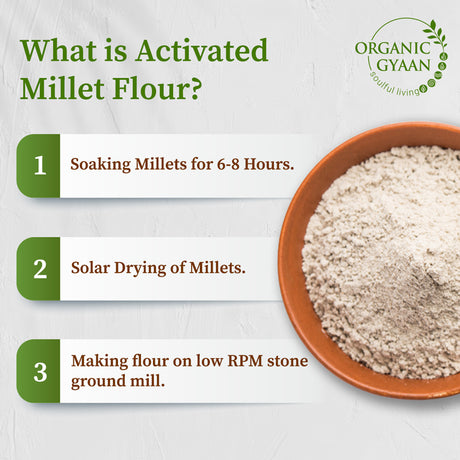
A combination of five positive millets - Foxtail, Barnyard, Little, Kodo, and Browntop - these are high in fibre, low on the glycemic index, and packed with micronutrients. They release sugar slowly into the bloodstream, making them the ideal food to break your intermittent fast without triggering a glucose spike.
6. Blood Sugar Management Combo
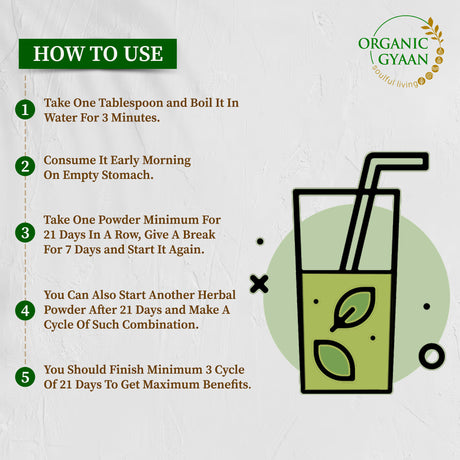
Blood Sugar Management Combo - a natural blend of Jamun, Karela, Neem, Giloy, and Ceylon Cinnamon powders. This 100% organic, additive-free combination supports blood sugar regulation, boosts immunity, and improves digestion. Just one tablespoon in warm water every morning can meaningfully support your weight loss and blood sugar management routine alongside intermittent fasting.
Who Should Be Cautious with Intermittent Fasting?
While intermittent fasting for type 2 diabetes has robust evidence behind it, it is not for everyone. Use extra caution or avoid IF entirely if you:
- Are on insulin therapy (hypoglycemia risk is high)
- Are pregnant or breastfeeding
- Have a history of eating disorders
- Are underweight or malnourished
- Have Type 1 diabetes
- Have kidney disease or liver conditions
Always place medical supervision at the center of any significant dietary change. The goal is healing - not self-endangerment.
Frequently Asked Questions
Q: How soon will I see results from intermittent fasting for Type 2 diabetes?
Most people notice improvements in fasting blood sugar and energy within 2–4 weeks of consistent practice. Significant HbA1c changes typically show at the 3-month mark.
Q: Can I take my diabetes medication while fasting?
This is a critical question to discuss with your doctor. Some medications must be taken with food. Others may need dose adjustments during fasting periods to avoid hypoglycemia.
Q: Is it okay to exercise during the fasting window?
Light to moderate exercise like walking or yoga is generally safe. Intense workouts may risk hypoglycemia and are better scheduled during or after your eating window.
Q: Can Ayurvedic herbs replace my diabetes medications?
No. Natural herbs like karela, neem, and jamun are supportive tools - not replacements for prescribed medications. Always continue your prescribed treatment while using herbal supplements.
Conclusion
The evidence is clear and growing stronger - intermittent fasting for type 2 diabetes is one of the most effective, medication-free strategies for achieving meaningful weight loss and blood sugar management. By reducing insulin demand, improving metabolic flexibility, and lowering inflammation, fasting gives your body the conditions it needs to heal itself from the inside out.
But the real power lies in combining evidence-based fasting protocols with the wisdom of Ayurveda. Herbs like Karela, Jamun, Neem, Fenugreek, and Giloy provide natural, time-tested support that works in harmony with blood sugar control with intermittent fasting to deliver holistic, lasting results.
Your journey toward better health doesn't need to be complicated or expensive. It starts with a decision - and the right natural tools by your side.