
More Than 800 Million People Worldwide Now Have Diabetes. Your Plate May Be the Reason.
According to the International Diabetes Federation, over 828 million people are currently living with diabetes globally - a number that has nearly quadrupled since 1990. And while genetics, lifestyle, and stress all play a role, emerging research points to one deeply underestimated culprit: what you eat every single day.
The foods that increase diabetes risk are not always the ones you'd expect. Yes, sugar is an obvious offender - but refined carbohydrates, certain packaged snacks, and even some cooking fats can quietly damage your body's ability to regulate blood glucose over time, pushing you toward prediabetes and eventually type 2 diabetes before you ever notice a symptom.
In this guide, you will learn:
- The four major food choices that raise your diabetes risk - backed by the latest research
- The biological mechanisms behind how these foods that cause diabetes damage insulin sensitivity
- How ultra-processed foods are quietly driving a global health crisis
- Natural, plant-based remedies and dietary alternatives that help protect and restore blood sugar balance
- Actionable steps you can take starting today to lower your risk
Whether you're trying to prevent diabetes, manage prediabetes, or simply eat smarter, this blog gives you the evidence-based truth - without the guesswork.
Understanding How Food Raises Diabetes Risk
Before diving into the four culprits, it helps to understand the underlying mechanism. Type 2 diabetes develops when the body either doesn't produce enough insulin or can't use it effectively - a condition called insulin resistance.
Certain dietary patterns consistently accelerate this process by:
- Spiking blood glucose rapidly and repeatedly
- Promoting visceral (abdominal) fat accumulation
- Triggering chronic low-grade inflammation
- Disrupting gut microbiota
- Impairing the function of pancreatic beta cells over time
Now let's examine the four food categories most strongly linked to elevated type 2 diabetes risk.
Food 1: Sugar-Sweetened Beverages (SSBs)
If there is one single food category with the most consistent, high-quality evidence linking it to foods that increase diabetes risk, it is sugar-sweetened beverages - sodas, fruit punches, energy drinks, sweetened teas, and packaged fruit juices.
Why They're So Harmful
Sugar-sweetened beverages deliver a massive dose of rapidly absorbable carbohydrates - primarily sucrose and high-fructose corn syrup - in liquid form. Unlike whole fruit, they contain no fiber to slow absorption, causing immediate, sharp spikes in blood glucose and insulin.
A landmark study published in Diabetes Care found that these beverages raise the risk of metabolic syndrome and type 2 diabetes not only by contributing to obesity but also through an independent metabolic mechanism: the large fructose fraction in these drinks is preferentially processed by the liver, promoting hepatic fat synthesis, ectopic fat deposition, elevated triglycerides, low HDL cholesterol, and - critically - insulin resistance.
A 2025 study published in Nature Medicine confirmed that sugar-sweetened beverages are among the top dietary contributors to the global burden of type 2 diabetes, attributing hundreds of thousands of new diabetes cases globally each year directly to SSB consumption.
The Numbers
A meta-analysis of large prospective cohort studies found that people who consume one to two servings of SSBs per day have a 26% greater risk of developing type 2 diabetes compared to those who consume fewer than one serving per month - independent of overall caloric intake or body weight.
What to Do Instead
Replace sweetened beverages with:
- Plain water infused with cucumber, lemon, or mint
- Unsweetened herbal teas (hibiscus, fenugreek, cinnamon)
- Coconut water in moderation (naturally lower glycemic)
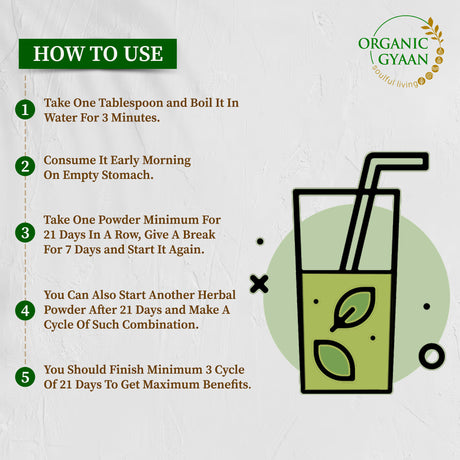
- Organic fenugreek seed water - steep 1 tsp of fenugreek seeds overnight in water and drink on an empty stomach to naturally support blood sugar regulation
Food 2: Refined Carbohydrates and White Starchy Foods
White bread, white rice, maida (refined flour) rotis, white pasta, instant noodles, and packaged biscuits — these are the everyday staples that millions consume without realising they are among the most impactful foods that cause diabetes over the long term.
The Problem with Refined Carbs
When grains are refined, their bran and germ are stripped away, removing fiber, B vitamins, and minerals. What remains is a rapidly digestible starch that behaves almost identically to pure glucose in the body. These foods sit high on the glycemic index, meaning they cause rapid blood sugar spikes that demand repeated surges of insulin.
Chronically high insulin levels eventually exhaust pancreatic beta cells and desensitize insulin receptors - a direct pathway toward type 2 diabetes.
A comprehensive umbrella review published in PMC (2025), covering multiple systematic reviews and meta-analyses, confirmed that high intake of refined grains is associated with significantly elevated type 2 diabetes risk, while whole grain consumption is consistently linked to reduced risk.
Research published in the American Journal of Clinical Nutrition estimates that replacing just two servings per day of white rice with whole grains reduces type 2 diabetes risk by as much as 36%.
In the Indian Diet
This is particularly relevant for the Indian population, where white rice and maida-based foods (white bread, biscuits, namkeen, puri, samosa) dominate daily meals. Studies specifically examining South Asian dietary patterns consistently identify refined carbohydrate overconsumption as a primary type 2 diabetes risk factor - compounded by genetic predisposition.
What to Do Instead
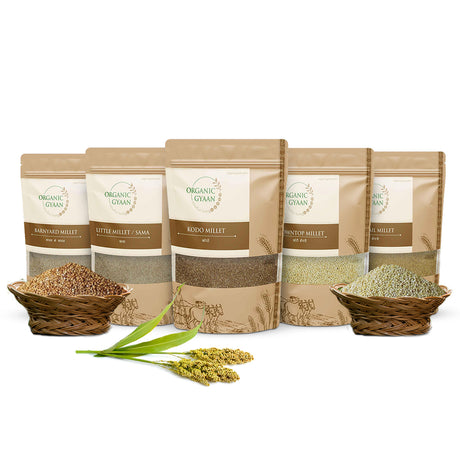
- Swap white rice for brown rice, red rice, or millets (jowar, bajra, ragi)
- Replace maida rotis with whole wheat or multigrain chapatis
- Snack on roasted chana, makhana, or nuts instead of packaged biscuits
- Add organic barley (jau) to soups and dals - barley's beta-glucan fiber is clinically proven to blunt post-meal blood sugar spikes
Food 3: Ultra-Processed Packaged Snacks and Junk Food
This is arguably the most rapidly growing contributor to the global diabetes epidemic. Ultra-processed foods (UPFs) - defined as industrially manufactured, ready-to-eat products made largely from refined ingredients combined with additives, preservatives, artificial colors, and flavor enhancers - are now at the center of a mounting research crisis.
What the Research Says
A 2023 landmark study published in Diabetes Care (American Diabetes Association), analyzing over 415,000 participants, found that each 10% increase in UPF consumption was associated with a 12% higher risk of developing type 2 diabetes. For the highest UPF consumers versus the lowest, the hazard ratio was 1.46 - nearly a 50% greater risk.
A 2024 European Prospective Investigation into Cancer and Nutrition (EPIC) study, published in The Lancet Regional Health – Europe, corroborated this finding, showing that each 10% increase in UPF consumption was linked to a 17% higher incidence of diabetes in a diverse cohort across multiple countries.
A 2025 University of Texas study published in the Journal of the Academy of Nutrition and Dietetics further demonstrated that UPF consumption raises HbA1c levels - a long-term blood glucose marker - significantly even beyond the effects of just sugar and sodium content, suggesting it is the additives and processing itself that damage metabolic health.
Why They're So Dangerous
Ultra-processed packaged snacks - chips, instant noodles, namkeen, cream biscuits, ready-to-eat meals - combine the worst of all three risk factors: they are high in refined starch, loaded with unhealthy fats, and contain preservatives and artificial additives that disrupt gut microbiota, provoke chronic inflammation, and impair insulin signaling.
UPFs now account for nearly 60% of total caloric intake among adults in Westernized diets - and this trend is rapidly mirroring itself in urban India.
What to Do Instead
- Prepare snacks at home using whole ingredients
- Roast or sprout your own chana, moong, and makhana
- Use organic turmeric (haldi) and black pepper in cooking - curcumin in turmeric has demonstrated anti-inflammatory and insulin-sensitizing properties in multiple clinical studies
Food #4: Foods High in Trans Fats and Saturated Fats
The fourth category of foods that increase diabetes risk is dietary fat - specifically industrially produced trans fats (found in vanaspati, margarine, fried street food, and many commercial bakery products) and excessive saturated fat (found in full-fat dairy, coconut oil used in excess, and palm oil used in packaged goods).
How Fat Contributes to Diabetes Risk
While fat itself is essential for health, trans fats and excess saturated fats impair insulin sensitivity through multiple pathways:
- They promote visceral adiposity - the accumulation of fat around abdominal organs, which is the single strongest predictor of insulin resistance
- They trigger chronic systemic inflammation via pro-inflammatory cytokine pathways (IL-6, TNF-α) that directly interfere with insulin receptor signaling
- Trans fats specifically alter cell membrane composition, impeding glucose transporters
A 2024 meta-analysis cited in the Frontiers in Endocrinology confirmed that diets high in saturated fat are independently associated with elevated type 2 diabetes risk, even after controlling for total caloric intake and BMI.
Vanaspati (hydrogenated vegetable fat) is a particular concern in the Indian context - widely used in commercial sweets (mithai), namkeen, and fried foods, it is one of the highest dietary sources of industrial trans fat.
What to Do Instead
- Cook with cold-pressed oils in moderation: mustard oil, sesame oil, or groundnut oil
- Avoid commercially fried foods and bakery items made with vanaspati
- Incorporate organic flaxseeds (alsi) into your diet - rich in omega-3 ALA, which actively counters inflammation and supports insulin sensitivity
- Use organic cold-pressed sesame oil or mustard oil for cooking minimally processed, free from industrial trans fats
Natural Remedies That Complement a Diabetes-Prevention Diet
Beyond avoiding the four risk-increasing food groups above, certain natural compounds have robust evidence supporting their role in blood sugar regulation and diabetes prevention:
1. Fenugreek (Methi): Contains galactomannan fiber and trigonelline, both of which reduce post-meal glucose spikes and improve insulin sensitivity. A 2025 study in Naunyn-Schmiedeberg's Archives of Pharmacology highlighted fenugreek's anti-inflammatory and anti-angiogenic properties relevant to diabetes complications.
2. Turmeric/Curcumin: Multiple studies confirm curcumin's ability to suppress NF-κB inflammatory pathways, reduce HbA1c, and improve insulin receptor sensitivity in prediabetes.
3. Amla (Indian Gooseberry): One of the richest natural sources of Vitamin C and chromium — both critical for glucose metabolism. Amla has been shown to reduce fasting blood glucose and improve lipid profiles in people with prediabetes.
4. Cinnamon (Dalchini): A 2024 review confirmed that daily cinnamon supplementation modestly but significantly reduces fasting blood glucose and insulin resistance markers.
5. Bitter Gourd (Karela): Contains charantin and polypeptide-p, plant compounds that mimic insulin's action and help cells take up glucose more efficiently.
6. Barley Beta-Glucan: The soluble fiber in organic barley has been clinically validated by multiple studies to reduce the glycemic response to meals by slowing gastric emptying and carbohydrate absorption.
7 Actionable Steps to Lower Your Diabetes Risk Starting Today
1. Eliminate or drastically reduce sugar-sweetened beverages
Replace them with fenugreek water, herbal teas, or plain water. This single change can meaningfully reduce your glycemic load.
2. Audit your carbohydrate quality
Switch at least two servings of white rice or maida products per day to whole grains, millets, or legumes. The fiber difference alone can reduce your diabetes risk by over 30%.
3. Read food labels before buying packaged snacks
If the ingredient list contains more than five items, or includes words like "hydrogenated," "modified starch," or ingredient numbers, put it back.
4. Cook more meals at home
Home-cooked meals using whole ingredients dramatically reduce your exposure to all four risk categories simultaneously.
5. Add one blood-sugar-supportive herb daily
Half a teaspoon of organic turmeric with black pepper in warm water or food, a pinch of cinnamon in morning tea, or overnight-soaked fenugreek water can make a compounding difference over weeks.
6. Move your body after meals
Even a 10-minute walk after eating significantly blunts post-meal blood glucose spikes - one of the simplest, most evidence-backed diabetes-prevention strategies.
7. Get screened regularly
If you are over 35, have a family history of diabetes, or carry excess abdominal weight, get your fasting blood glucose and HbA1c checked at least once a year. Early detection of prediabetes is entirely reversible.
Conclusion
Diabetes is not inevitable. The research is overwhelmingly clear: the four food choices that most dramatically increase your diabetes risk - sugar-sweetened beverages, refined carbohydrates, ultra-processed packaged foods, and trans-fat-laden fried goods - are all within your power to reduce or eliminate. Every meal is a decision that either moves you toward metabolic resilience or away from it.
The key takeaways from this blog:
- Sugar-sweetened beverages independently raise type 2 diabetes risk by up to 26% per daily serving
- Refined carbohydrates cause chronic glucose and insulin spikes that directly accelerate insulin resistance - particularly relevant in the Indian diet
- Ultra-processed foods now account for nearly half of global caloric intake, with each 10% increase raising diabetes risk by 12–17%
- Trans fats and excess saturated fats compound risk through inflammation and visceral fat accumulation
- Natural compounds - fenugreek, turmeric, amla, cinnamon, karela, barley - offer meaningful, evidence-based support for blood sugar health
The best time to change your diet was years ago. The second-best time is today.