
Did you know that over 101 million Indians are currently living with diabetes - and millions more are unknowingly in the prediabetic zone? That means right now, a staggering number of people are silently dealing with blood sugar imbalances that could be quietly damaging their heart, kidneys, nerves, and eyes. The scariest part? Many of them feel perfectly fine.
Managing glucose levels is no longer just a concern for diabetics. It is a foundational pillar of everyday health. Whether you are trying to prevent disease, boost your energy, lose weight, or simply feel your best, understanding how to manage blood sugar naturally is one of the most powerful things you can do for your body.
In this blog, you will learn what glucose really does in the body, what healthy blood sugar ranges look like, which warning signs to watch for, and - most importantly - how to take charge through diet, lifestyle, and proven Ayurvedic remedies. By the end, you will have a clear, actionable roadmap for managing glucose levels the natural way.
What Is Glucose and Why Does It Matter?
Glucose is your body's primary source of fuel. Every time you eat carbohydrates - rice, roti, fruit, or sugar - your digestive system breaks them down into glucose, which enters your bloodstream. Your pancreas then releases a hormone called insulin, which acts like a key, unlocking your cells so glucose can enter and be used for energy.
When this system works perfectly, your blood sugar stays within a healthy range and your body hums along efficiently. But when it breaks down - either because your pancreas doesn't make enough insulin or your cells stop responding to it properly - glucose builds up in your blood. This is the root of type 2 diabetes, prediabetes, and a host of metabolic problems.
The tricky thing about managing glucose levels is that both extremes are dangerous. Hyperglycemia (high blood sugar) damages blood vessels, nerves, and organs over time. Hypoglycemia (low blood sugar) can cause immediate symptoms like dizziness, shakiness, and even fainting. Balance is everything.
Understanding Blood Sugar Ranges
Before you can effectively start managing glucose levels, you need to know your numbers. Here are the standard reference ranges most doctors use:
Fasting Blood Sugar (before eating):
- Normal: Below 100 mg/dL
- Prediabetes: 100–125 mg/dL
- Diabetes: 126 mg/dL or above
Post-Meal Blood Sugar (2 hours after eating):
- Normal: Below 140 mg/dL
- Prediabetes: 140–199 mg/dL
- Diabetes: 200 mg/dL or above
HbA1c (3-month average):
- Normal: Below 5.7%
- Prediabetes: 5.7–6.4%
- Diabetes: 6.5% or above
Knowing where you stand gives you something concrete to work with. If your numbers are creeping upward, now is the time to act - because the prediabetic window is fully reversible with the right changes.
Warning Signs Your Glucose Levels May Be Off
Your body sends signals when blood sugar is dysregulated. Learning to read these signs is key to proactive blood sugar management. Common red flags include:
- Frequent urination, especially at night
- Unusual thirst that doesn't go away
- Fatigue after meals, also called post-meal crashes
- Brain fog or difficulty concentrating
- Sugar cravings and mood swings
- Slow-healing wounds or cuts
- Blurry vision or tingling in hands and feet
- Unexplained weight changes
If you experience several of these, it is worth getting your blood sugar checked - and starting to take steps toward blood sugar management now, not later.
The Role of Diet in Managing Glucose Levels
Food is the single biggest lever you have for managing glucose levels every single day. Here is what the science and Ayurveda both agree on:
1. Prioritize Low-Glycemic Foods
The glycemic index (GI) measures how quickly a food raises blood sugar. Foods with a low GI digest slowly, causing a gradual rise rather than a sharp spike. Excellent low-GI choices include:
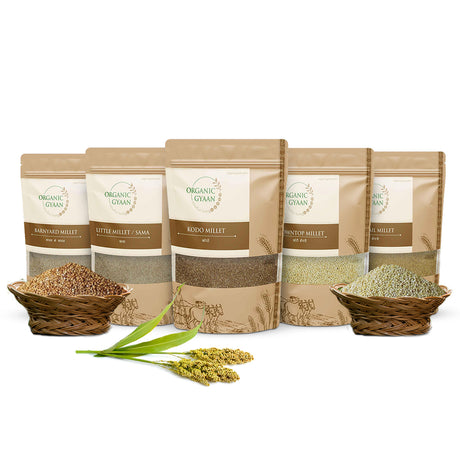
- Siridhanya millets (foxtail, kodo, little millet, barnyard, browntop) - these ancient Indian grains are high in fiber and have a naturally low glycemic impact. Swapping refined rice or wheat for these millets is one of the most powerful dietary steps you can take for blood sugar management.
- Leafy greens (spinach, methi, drumstick leaves)
- Legumes and lentils (moong, masoor, chana)
- Berries, apples, and citrus fruits
2. Add Healthy Fats and Protein
Pairing carbohydrates with protein and fat slows digestion and reduces blood sugar spikes. Think eggs with vegetables, dals with ghee, or nuts and seeds as snacks. This simple strategy can dramatically improve your blood sugar management after every meal.
3. Reduce Ultra-Processed Foods and Hidden Sugars
Packaged foods often contain maltodextrin, corn syrup, and glucose syrup - ingredients that spike blood sugar sharply even when they don't taste obviously sweet. Reading labels is essential for anyone serious about managing glucose levels.
4. Ceylon Cinnamon
Cinnamon, particularly Ceylon cinnamon, has been shown in multiple studies to mimic insulin in the body and help cells use glucose more effectively. Stir it into warm water, oatmeal, or smoothies every morning for steady blood sugar management throughout the day.
5. Soaked Fenugreek (Methi) Seeds
Fenugreek seeds are rich in soluble fiber, which slows sugar absorption in the gut. A teaspoon of fenugreek powder in warm water in the morning is a time-tested, science-backed remedy for blood sugar management in traditional Indian medicine.
Exercise: A Non-Negotiable Tool for Blood Sugar Management
Physical activity is one of the most effective tools for managing glucose levels - and it works in ways medication cannot fully replicate. When your muscles contract during exercise, they absorb glucose from your blood even without insulin, which is why blood sugar often drops during and after a workout.
Strength training, according to a 2025 study from Virginia Tech, may be even more effective than running for long-term blood sugar control. Resistance training builds muscle tissue, which acts as a glucose reservoir - absorbing excess sugar and improving insulin sensitivity over time.
Walking after meals is another powerful, accessible strategy. Even a 10–15 minute walk after lunch or dinner can significantly blunt the post-meal blood sugar spike by helping muscles absorb glucose quickly.
For best results, aim for:
- At least 30 minutes of moderate activity most days
- Strength training 2–3 times per week
- Short walks after meals whenever possible
Ayurvedic and Natural Remedies for Blood Sugar Management
Ayurveda has long recognized the importance of managing glucose levels through herbs and natural ingredients. Modern science is now catching up - and the research is compelling.
1. Jamun (Black Plum) Powder
Jamun seeds and fruit contain compounds called jamboline and jambosine, which have been shown to slow the release of glucose into the bloodstream. Jamun powder helps keep blood sugar levels steady and also purifies the blood with its rich iron content. It is one of the most traditionally revered remedies for blood sugar management in India.
2. Karela (Bitter Gourd) Powder
Karela is perhaps the most well-known Ayurvedic remedy for blood sugar management. Studies show it may enhance insulin sensitivity and glucose tolerance. Karela powder also detoxifies the liver and improves digestion - two factors that are closely linked to healthy blood sugar levels.
3. Neem Powder
Neem contains powerful antioxidants including quercetin and nimbolide that protect cells from oxidative damage caused by high blood sugar. Regular use of neem powder supports blood sugar management while also boosting immunity and cleansing the system.
4. Giloy (Guduchi) Powder
Giloy is a powerful Ayurvedic adaptogen that helps the body manage stress - and stress hormones like cortisol are a major but underappreciated driver of high blood sugar. Giloy supports blood sugar management by improving the body's overall metabolic function and immune response.
5. Moringa Powder
Moringa leaves are packed with isothiocyanates and chlorogenic acid, compounds that have been shown to reduce blood sugar levels after meals. Moringa is also deeply nourishing, providing iron, calcium, and essential amino acids - making it an ideal daily supplement for holistic blood sugar management.
Sleep, Stress, and Their Hidden Impact on Glucose Levels
Two factors that are consistently underestimated in blood sugar management are sleep and stress.
Poor sleep disrupts the hormones that regulate blood sugar - even a single night of poor sleep can reduce insulin sensitivity by up to 25%. Prioritizing 7–8 hours of quality sleep is not a luxury; it is a medical necessity for managing glucose levels.
Chronic stress raises cortisol, which in turn raises blood sugar by triggering the liver to release stored glucose. Practices like pranayama (breathwork), meditation, and yoga are not just relaxation tools - they are active interventions for blood sugar management that have strong scientific support.
Practical Daily Routine for Managing Glucose Levels
Here is a realistic, sustainable daily routine you can start tomorrow:
Morning:
- Wake up and drink a glass of warm water with soaked fenugreek seeds or fenugreek powder
- Add ½ tsp of Ceylon cinnamon to your morning tea, smoothie, or porridge
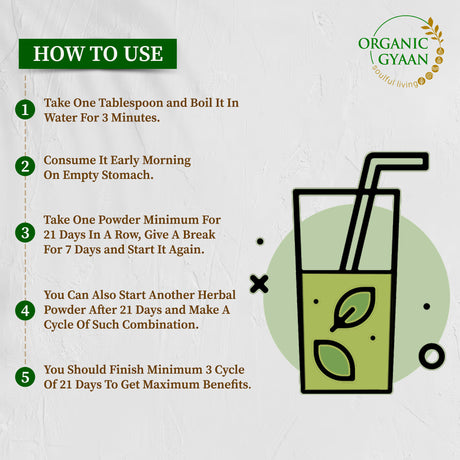
- Take your Ayurvedic herbal powders (Jamun, Karela, Neem, Giloy, Moringa) with water or mix into a drink
- Eat a balanced breakfast: millets or eggs with vegetables, avoiding refined cereals or sugary juices
Midday:
- Have a lunch rich in vegetables, legumes, and millet-based dishes
- Take a short 10–15 minute walk after eating to support blood sugar management
Evening:
- Opt for a light, early dinner - eating late at night is linked to higher fasting glucose the next morning
- Incorporate strength training or yoga 3–4 evenings per week
Night:
- Aim for consistent sleep by 10:30 PM
- Avoid screen time and heavy meals close to bedtime
Key Takeaways
Managing glucose levels is not just a concern for people with diabetes - it is a universal health priority that affects your energy, weight, mood, immunity, and long-term disease risk. Here is a quick summary of everything we covered:
- Know your numbers: get your fasting blood sugar and HbA1c tested regularly
- Eat low-glycemic, whole foods - especially Siridhanya millets - and eliminate hidden sugars
- Exercise daily, combining walking with strength training for the best blood sugar management results
- Use Ayurvedic herbs like Jamun, Karela, Neem, Giloy, and Moringa to naturally support healthy glucose levels
- Prioritize sleep and manage stress - they affect your blood sugar more than most people realize
- Build a consistent daily routine that makes blood sugar management automatic, not effortful
Small, consistent actions compound over time. The most important thing is to start.
Conclusion
Your blood sugar is not a fixed number - it is a daily choice. Every meal, every walk, every night of good sleep is either moving you toward balance or away from it.
If you are ready to take a natural, Ayurvedic approach to managing glucose levels, explore the full range of blood sugar support products at OrganicGyaan.com. From Jamun and Karela powders to the complete Blood Sugar Management Combo, you will find everything you need to support your health - purely, organically, and naturally.