
निम्न रक्त शर्करा की समस्या अचानक हो सकती है - ऐसे में क्या करना चाहिए यह जानना महत्वपूर्ण है।
कुछ ही मिनटों में कंपकंपी, चक्कर और कमजोरी महसूस होने की कल्पना कीजिए, और समझ न आ रहा हो कि आगे क्या करें। हाइपोग्लाइसेमिक अटैक बहुत जल्दी हो सकता है, खासकर मधुमेह या रक्त शर्करा असंतुलन से जूझ रहे लोगों के लिए। हाइपोग्लाइसेमिक अटैक होने पर क्या खाना चाहिए, यह जानना सुरक्षा और स्वास्थ्य बनाए रखने के लिए सबसे महत्वपूर्ण जीवनरक्षक कौशलों में से एक है।
यह सरल और व्यावहारिक मार्गदर्शिका निम्न रक्त शर्करा के शुरुआती चेतावनी संकेतों, आपको क्या कदम उठाने चाहिए, हाइपोग्लाइसेमिक अटैक शुरू होने पर क्या खाना चाहिए और भविष्य में ऐसे एपिसोड को रोकने में मदद करने वाली दैनिक आदतों के बारे में बताती है।
हाइपोग्लाइसीमिया क्या है?
हाइपोग्लाइसीमिया तब होता है जब रक्त शर्करा का स्तर सामान्य से नीचे गिर जाता है, आमतौर पर 70 मिलीग्राम/डीएल से नीचे। ऐसा कई कारणों से हो सकता है:
- भोजन छोड़ना
- अधिक मात्रा में इंसुलिन या मधुमेह की दवा लेना
- पर्याप्त भोजन के बिना तीव्र शारीरिक गतिविधि
- बिना भोजन किए शराब का सेवन
- भोजन के बीच लंबा अंतराल
हाइपोग्लाइसेमिक अटैक होने पर क्या खाना चाहिए, यह समझने से ग्लूकोज का स्तर जल्दी और सुरक्षित रूप से बहाल करने में मदद मिलती है।
शुरुआती चेतावनी के संकेत जिन्हें आपको नज़रअंदाज़ नहीं करना चाहिए
निम्न रक्त शर्करा अक्सर गंभीर होने से पहले ही शुरुआती संकेत देती है। सामान्य लक्षणों में शामिल हैं:
- अचानक भूख
- पसीना आना
- कांपना या हिलना
- सिरदर्द
- चक्कर आना
- कमजोरी
- भ्रम
- तेज़ दिल की धड़कन
इन लक्षणों को जल्दी पहचान लेने से तत्काल उपचार संभव हो पाता है और जटिलताओं को रोका जा सकता है।
चरण-दर-चरण हाइपोग्लाइसेमिक कार्य योजना
चरण 1: रुकें और बैठ जाएं
चक्कर आने या कमजोरी के कारण होने वाली चोट से बचने के लिए शारीरिक गतिविधि बंद कर दें और सुरक्षित रूप से बैठ जाएं।
चरण 2: तुरंत असर करने वाले कार्बोहाइड्रेट का सेवन करें
हाइपोग्लाइसेमिक अटैक शुरू होने पर क्या खाना चाहिए, यह जानना सबसे महत्वपूर्ण कदम है। जल्दी असर करने वाले कार्बोहाइड्रेट रक्त शर्करा को तेजी से बढ़ाते हैं। उदाहरण के लिए:
- ग्लूकोज की गोलियां
- फलों का रस
- शहद
- पानी में घुली चीनी
- केले जैसे मीठे फल
- किशमिश
लगभग 15 ग्राम कार्बोहाइड्रेट का सेवन करें।
चरण 3: 15 मिनट प्रतीक्षा करें और दोबारा जांच करें
15 मिनट बाद, यदि संभव हो तो रक्त शर्करा का स्तर दोबारा जांचें। यदि लक्षण बने रहें, तो कार्बोहाइड्रेट का सेवन दोहराएं।
चरण 4: संतुलित नाश्ता करें
रक्त शर्करा का स्तर स्थिर होने के बाद, स्थिर स्तर बनाए रखने के लिए कार्बोहाइड्रेट और प्रोटीन युक्त नाश्ता करें। यह कदम हाइपोग्लाइसेमिक अटैक के उपचार के दौरान क्या खाना चाहिए, इसके बाद अचानक रक्त शर्करा के स्तर में गिरावट को रोकता है।
उदाहरणों में शामिल हैं:
- मूंगफली के मक्खन के साथ साबुत अनाज के क्रैकर्स
- फलों के साथ दही
- ब्रेड के साथ मेवे
तत्काल उपचार क्यों महत्वपूर्ण है?
हाइपोग्लाइसीमिया को नज़रअंदाज़ करने से गंभीर जटिलताएं हो सकती हैं, जैसे कि:
- होश खो देना
- बरामदगी
- गंभीर भ्रम
- गिरने या चोट लगने की घटनाएं
शीघ्र उपचार से शीघ्र स्वस्थ होने में मदद मिलती है और समग्र स्वास्थ्य सुरक्षित रहता है।
शोध क्या दर्शाता है
मधुमेह पर किए गए नैदानिक शोध "15-15 नियम" का समर्थन करते हैं - 15 ग्राम कार्बोहाइड्रेट का सेवन करना और 15 मिनट बाद दोबारा जांच करना - जो हाइपोग्लाइसीमिया के उपचार के लिए सबसे प्रभावी आपातकालीन उपाय है। अध्ययनों से यह भी पता चलता है कि भोजन का सही समय, दवाओं की नियमित निगरानी और संतुलित पोषण से निम्न शर्करा के दौरे की आवृत्ति में काफी कमी आती है।
हाइपोग्लाइसेमिक अटैक होने पर क्या खाना चाहिए, यह जानना मधुमेह से पीड़ित व्यक्तियों के लिए सबसे आवश्यक स्व-प्रबंधन रणनीतियों में से एक माना जाता है।
हाइपोग्लाइसीमिया को रोकने में मदद करने वाली दैनिक आदतें
1. समय पर भोजन करें
नियमित समय पर भोजन करने से ग्लूकोज का स्तर स्थिर बना रहता है।
2. आपातकालीन स्नैक्स साथ रखें
हमेशा अपने साथ तेजी से पचने वाले कार्बोहाइड्रेट युक्त खाद्य पदार्थ रखें।
3. भोजन को ठीक से संतुलित करें
फाइबर, प्रोटीन और स्वस्थ वसा से भरपूर भोजन लंबे समय तक ऊर्जा प्रदान करता है।
4. दवा का सावधानीपूर्वक अवलोकन करें
इंसुलिन और दवा की खुराक के लिए स्वास्थ्य देखभाल संबंधी दिशानिर्देशों का पालन करें।
5. पर्याप्त मात्रा में पानी पिएं।
पर्याप्त मात्रा में पानी पीने से चयापचय संबंधी स्थिरता बनी रहती है।
स्थिर रक्त शर्करा के लिए पोषण संबंधी सहायता
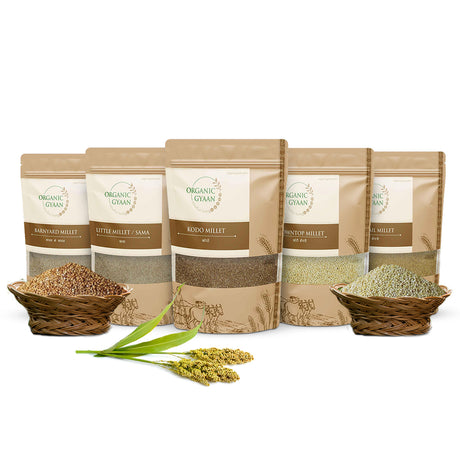
नियमित आहार पद्धति अचानक ग्लूकोज के स्तर में गिरावट को रोकने में महत्वपूर्ण भूमिका निभाती है। कई व्यक्तियों को संरचित पोषण प्रणालियों जैसे कि डायबिटीज वेलनेस बास्केट से लाभ होता है, जिसमें फाइबर युक्त अनाज, संतुलित स्नैक्स और चयापचय को बढ़ावा देने वाले खाद्य पदार्थ शामिल होते हैं जो चिकित्सा देखभाल के साथ-साथ दैनिक पोषण को स्थिर बनाए रखने में मदद करते हैं।
पारंपरिक आहार संबंधी दृष्टिकोण, जिनमें साबुत अनाज, नियंत्रित चीनी का सेवन और संतुलित भोजन योजना पर जोर दिया जाता है, स्थिर ग्लूकोज स्तर को बनाए रखने में भी सहायक होते हैं।
अक्सर पूछे जाने वाले प्रश्नों
1. हाइपोग्लाइसेमिक अटैक होने पर तुरंत क्या खाना चाहिए?
फल का रस, ग्लूकोज की गोलियां, शहद या किशमिश जैसे तुरंत असर करने वाले कार्बोहाइड्रेट का सेवन तुरंत कर लेना चाहिए।
2. उपचार के बाद रक्त शर्करा का स्तर कितनी तेजी से बढ़ता है?
तेजी से पचने वाले कार्बोहाइड्रेट का सेवन करने के 10-15 मिनट के भीतर रक्त शर्करा का स्तर आमतौर पर बढ़ने लगता है।
3. क्या हाइपोग्लाइसीमिया को पूरी तरह से रोका जा सकता है?
नियमित भोजन, दवाओं की उचित निगरानी और संतुलित पोषण से दौरे पड़ने का खतरा काफी हद तक कम हो जाता है।
निष्कर्ष
हाइपोग्लाइसेमिक अटैक होने पर क्या खाना चाहिए, यह जानने से गंभीर जटिलताओं से बचा जा सकता है और शीघ्र स्वस्थ होने में मदद मिल सकती है। लक्षणों को जल्दी पहचानना, एक सरल कार्य योजना का पालन करना और नियमित खान-पान की आदतें बनाए रखना गंभीर हमलों की संभावना को काफी हद तक कम कर देता है।
आज ही एक सक्रिय कदम उठाएं: आपातकालीन स्नैक किट तैयार करें, भोजन का समय नियमित रखें और अपने रक्त शर्करा को स्थिर रखने और अपने स्वास्थ्य की रक्षा के लिए स्वस्थ दैनिक आदतों का पालन करें।