
क्या आपने कभी महसूस किया है कि कुछ खाद्य पदार्थ आपको ऊर्जावान महसूस कराते हैं जबकि अन्य आपको खाने के तुरंत बाद थका हुआ या भूखा महसूस कराते हैं? इसका कारण अक्सर यह होता है कि वे खाद्य पदार्थ आपके रक्त शर्करा को कैसे प्रभावित करते हैं। यहीं पर मधुमेह के लिए ग्लाइसेमिक इंडेक्स महत्वपूर्ण हो जाता है।
मधुमेह से पीड़ित लोगों या इसे रोकने की कोशिश कर रहे लोगों के लिए, यह समझना कि खाद्य पदार्थ रक्त शर्करा को कैसे प्रभावित करते हैं, एक बड़ा अंतर ला सकता है। कई स्वास्थ्य विशेषज्ञ स्थिर ग्लूकोज स्तर बनाए रखने और समग्र स्वास्थ्य में सुधार के लिए ग्लाइसेमिक इंडेक्स के आधार पर मधुमेह पोषण गाइड का पालन करने की सलाह देते हैं।
सरल शब्दों में, ग्लाइसेमिक इंडेक्स हमें यह समझने में मदद करता है कि कौन से खाद्य पदार्थ रक्त शर्करा को तेजी से बढ़ाते हैं और कौन से खाद्य पदार्थ धीरे-धीरे ऊर्जा जारी करते हैं।
इस लेख में, आप सीखेंगे:
- ग्लाइसेमिक इंडेक्स क्या है और यह कैसे काम करता है
- मधुमेह के लिए ग्लाइसेमिक इंडेक्स क्यों महत्वपूर्ण है
- मधुमेह पोषण गाइड में शामिल करने के लिए सर्वोत्तम खाद्य पदार्थ
- रक्त शर्करा को स्वाभाविक रूप से नियंत्रित करने के लिए सरल रणनीतियाँ
- प्राकृतिक सामग्री जो चयापचय संतुलन का समर्थन करती है
इस गाइड के अंत तक, आप यह समझ जाएंगे कि स्थिर ऊर्जा और स्वस्थ रक्त शर्करा के स्तर का समर्थन करने वाले खाद्य पदार्थों का चयन कैसे करें।
ग्लाइसेमिक इंडेक्स क्या है?
ग्लाइसेमिक इंडेक्स (GI) एक प्रणाली है जो यह मापती है कि खाने के बाद खाद्य पदार्थ कितनी तेजी से रक्त शर्करा बढ़ाते हैं।
खाद्य पदार्थों को 0 से 100 के पैमाने पर इस आधार पर वर्गीकृत किया जाता है कि वे रक्त ग्लूकोज को कितनी तेजी से बढ़ाते हैं।
श्रेणियों में शामिल हैं:
कम जीआई वाले खाद्य पदार्थ: 55 या उससे कम
मध्यम जीआई वाले खाद्य पदार्थ: 56–69
उच्च जीआई वाले खाद्य पदार्थ: 70 या उससे अधिक
कम जीआई वाले खाद्य पदार्थ धीरे-धीरे पचते हैं और रक्तप्रवाह में धीरे-धीरे चीनी छोड़ते हैं। दूसरी ओर, उच्च जीआई वाले खाद्य पदार्थ रक्त शर्करा में तेजी से वृद्धि का कारण बनते हैं।
मधुमेह के लिए ग्लाइसेमिक इंडेक्स को समझना लोगों को बेहतर खाद्य विकल्प बनाने और संतुलित ग्लूकोज स्तर बनाए रखने में मदद करता है।
एक अच्छी तरह से नियोजित मधुमेह पोषण गाइड मुख्य रूप से कम जीआई वाले खाद्य पदार्थों पर केंद्रित है जो पूरे दिन स्थिर ऊर्जा का समर्थन करते हैं।
मधुमेह के लिए ग्लाइसेमिक इंडेक्स क्यों महत्वपूर्ण है
मधुमेह का प्रबंधन करने वाले लोगों के लिए, स्थिर रक्त शर्करा आवश्यक है।
जब उच्च जीआई वाले खाद्य पदार्थों का बार-बार सेवन किया जाता है, तो वे ग्लूकोज के स्तर में अचानक वृद्धि का कारण बनते हैं। समय के साथ, यह अग्न्याशय पर दबाव डालता है और इंसुलिन प्रतिरोध को बढ़ाता है।
कम जीआई वाले खाद्य पदार्थों पर आधारित मधुमेह पोषण गाइड का पालन करने से मदद मिल सकती है:
- रक्त शर्करा के स्तर को स्थिर बनाए रखें
- अचानक ग्लूकोज वृद्धि को कम करें
- इंसुलिन संवेदनशीलता में सुधार करें
- लालसा और भूख को कम करें
- दीर्घकालिक चयापचय स्वास्थ्य का समर्थन करें
डायबिटीज केयर जैसे जर्नल में प्रकाशित शोध से पता चलता है कि मधुमेह के लिए ग्लाइसेमिक इंडेक्स पर केंद्रित आहार रक्त शर्करा नियंत्रण में सुधार कर सकते हैं और टाइप 2 मधुमेह के जोखिम को कम कर सकते हैं।
कम, मध्यम और उच्च ग्लाइसेमिक खाद्य पदार्थों के उदाहरण
सामान्य खाद्य पदार्थों के ग्लाइसेमिक इंडेक्स को समझने से संतुलित भोजन बनाना आसान हो जाता है।
1. कम ग्लाइसेमिक इंडेक्स वाले खाद्य पदार्थ
ये खाद्य पदार्थ धीरे-धीरे रक्तप्रवाह में ग्लूकोज छोड़ते हैं।
उदाहरणों में शामिल हैं:
ये खाद्य पदार्थ संतुलित मधुमेह पोषण गाइड के लिए उत्कृष्ट विकल्प हैं।
2. मध्यम ग्लाइसेमिक इंडेक्स वाले खाद्य पदार्थ
ये खाद्य पदार्थ मध्यम दर से रक्त शर्करा बढ़ाते हैं।
उदाहरणों में शामिल हैं:
- ब्राउन राइस
- साबुत गेहूं की रोटी
- मीठी मकई
इन खाद्य पदार्थों को मध्यम मात्रा में खाया जा सकता है।
3. उच्च ग्लाइसेमिक इंडेक्स वाले खाद्य पदार्थ
ये खाद्य पदार्थ रक्त शर्करा को बहुत तेजी से बढ़ाते हैं।
उदाहरणों में शामिल हैं:
- सफेद ब्रेड
- परिष्कृत आटे के उत्पाद
- मीठे पेय
- प्रसंस्कृत स्नैक्स
मधुमेह के लिए ग्लाइसेमिक इंडेक्स का पालन करते समय इन खाद्य पदार्थों को सीमित करना महत्वपूर्ण है।
ग्लाइसेमिक इंडेक्स को प्रभावित करने वाले कारक
खाद्य पदार्थों का ग्लाइसेमिक इंडेक्स कई कारकों के आधार पर बदल सकता है।
1. फाइबर सामग्री
फाइबर युक्त खाद्य पदार्थ धीरे-धीरे पचते हैं और ग्लूकोज में छोटी वृद्धि का कारण बनते हैं।
फाइबर युक्त खाद्य पदार्थ मधुमेह पोषण गाइड में महत्वपूर्ण हैं।
2. खाना पकाने की विधि
अति-पके हुए खाद्य पदार्थ तेजी से टूटते हैं और उनका ग्लाइसेमिक इंडेक्स अधिक हो सकता है।
3. खाद्य संयोजन
प्रोटीन या स्वस्थ वसा के साथ कार्बोहाइड्रेट खाने से ग्लूकोज का अवशोषण धीमा हो जाता है।
मधुमेह के लिए ग्लाइसेमिक इंडेक्स लागू करते समय संतुलित भोजन आवश्यक है।
मधुमेह पोषण गाइड में शामिल करने के लिए सर्वोत्तम खाद्य पदार्थ
सही खाद्य पदार्थों का चयन करने से रक्त शर्करा को स्वाभाविक रूप से नियंत्रित करना आसान हो जाता है।
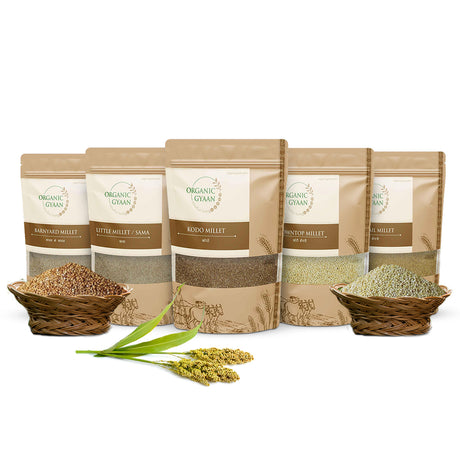
1. बाजरा
बाजरा उत्कृष्ट कम ग्लाइसेमिक अनाज हैं जो रक्त शर्करा के स्तर को स्थिर करने में मदद करते हैं।
उदाहरणों में शामिल हैं:
- फॉक्सटेल बाजरा
- बार्नयार्ड बाजरा
- लिटिल बाजरा
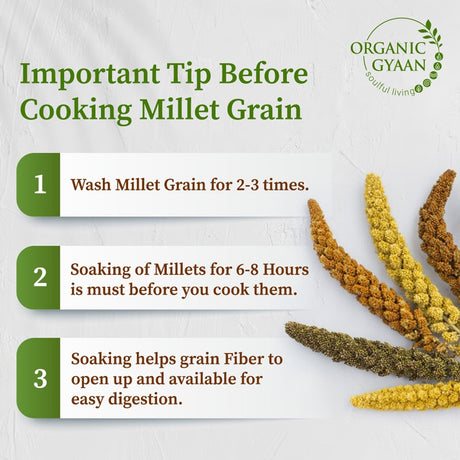
बाजरा धीरे-धीरे पचता है और फाइबर प्रदान करता है, जो एक संतुलित मधुमेह पोषण गाइड का समर्थन करता है।
पत्थर से पिसा हुआ बाजरा अपने प्राकृतिक पोषक तत्वों को बरकरार रखता है और चयापचय स्वास्थ्य का समर्थन करने में मदद करता है।
2. पत्तेदार हरी सब्जियां
पत्तेदार साग रक्त शर्करा का प्रबंधन करने वाले लोगों के लिए अत्यंत लाभकारी होते हैं।
उदाहरणों में शामिल हैं:
- पालक
- मेथी के पत्ते
- सरसों का साग
ये सब्जियां फाइबर और एंटीऑक्सिडेंट से भरपूर होती हैं जो मधुमेह के लिए ग्लाइसेमिक इंडेक्स का समर्थन करती हैं।
3. दालें और फलियां
दालें पौधे प्रोटीन और फाइबर प्रदान करती हैं।
उदाहरणों में शामिल हैं:
- मूंग दाल
- मसूर दाल
- छोले
ये खाद्य पदार्थ पाचन को धीमा करते हैं और रक्त शर्करा में अचानक वृद्धि को रोकते हैं।
वे एक संतुलित मधुमेह पोषण गाइड के आवश्यक भाग हैं।
4. मेवे और बीज
मेवे और बीज स्वस्थ वसा और प्रोटीन प्रदान करते हैं।
उदाहरणों में शामिल हैं:
- बादाम
- अखरोट
- अलसी
- चिया बीज
ये खाद्य पदार्थ स्थिर ग्लूकोज स्तर बनाए रखने और भोजन के बीच भूख को कम करने में मदद करते हैं।
5. कम ग्लाइसेमिक फल
कुछ फलों का ग्लाइसेमिक प्रभाव कम होता है।
उदाहरणों में शामिल हैं:
- सेब
- नाशपाती
- अमरूद
- बेरीज
जूस के बजाय साबुत फल खाने से संतुलित रक्त शर्करा का स्तर बनाए रखने में मदद मिलती है।
ये फल मधुमेह के लिए ग्लाइसेमिक इंडेक्स दृष्टिकोण में अच्छी तरह से फिट होते हैं।
बचने या सीमित करने वाले खाद्य पदार्थ
कुछ खाद्य पदार्थ रक्त शर्करा में तेजी से वृद्धि का कारण बनते हैं और उन्हें सीमित किया जाना चाहिए।
इनमें शामिल हैं:
- परिष्कृत चीनी
- मीठे पेय
- प्रसंस्कृत स्नैक्स
- परिष्कृत आटे के उत्पाद
इन खाद्य पदार्थों से बचने से संतुलित ग्लूकोज स्तर बनाए रखने और स्वस्थ मधुमेह पोषण गाइड का समर्थन करने में मदद मिलती है।
प्राकृतिक सामग्री जो रक्त शर्करा संतुलन का समर्थन करती हैं
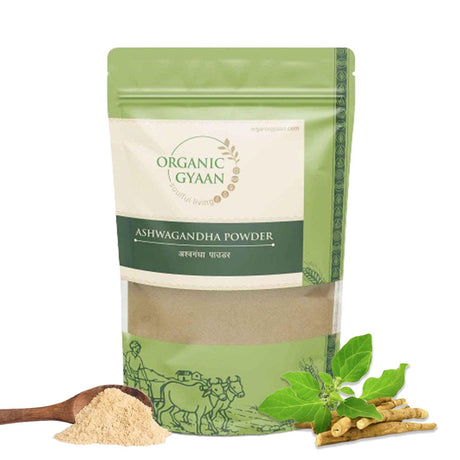
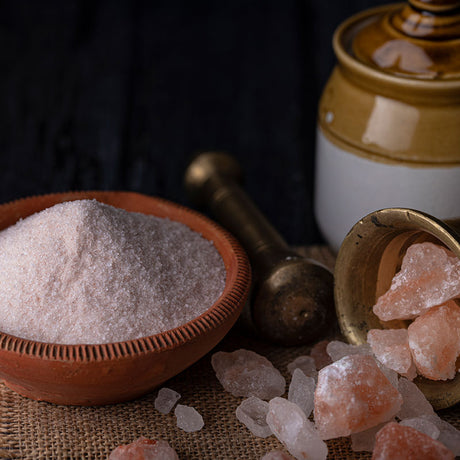
पारंपरिक कल्याण प्रथाएं अक्सर चयापचय स्वास्थ्य का समर्थन करने के लिए प्राकृतिक सामग्री का उपयोग करती हैं।
उदाहरणों में शामिल हैं:
इन सामग्रियों का उपयोग अक्सर ग्लूकोज संतुलन में सुधार पर केंद्रित प्राकृतिक दिनचर्या में किया जाता है।
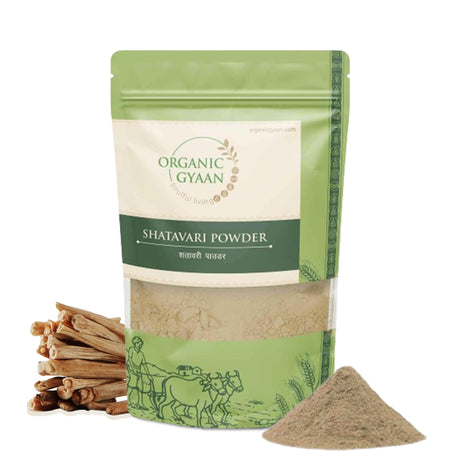
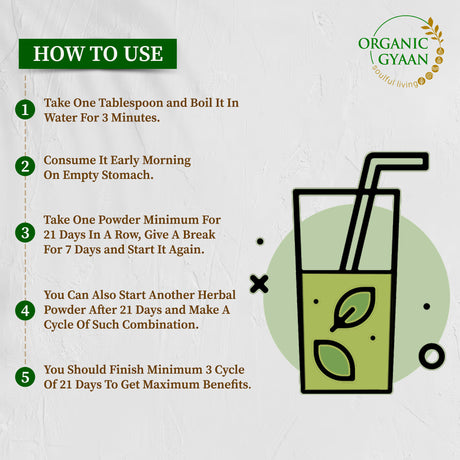
एक सोच-समझकर तैयार की गई डायबिटीज वेलनेस बास्केट ऐसे अवयवों को अनुशासित जीवन शैली की आदतों और चयापचय स्वास्थ्य का समर्थन करने के लिए जोड़ती है।
ग्लाइसेमिक इंडेक्स का उपयोग करने के लिए व्यावहारिक सुझाव
ग्लाइसेमिक इंडेक्स को समझना मददगार है, लेकिन इसे प्रतिदिन लागू करना और भी महत्वपूर्ण है।
यहां मधुमेह पोषण गाइड का पालन करने के लिए कुछ सरल सुझाव दिए गए हैं।
1. साबुत खाद्य पदार्थ चुनें
साबुत खाद्य पदार्थ प्रसंस्कृत खाद्य पदार्थों की तुलना में धीरे-धीरे पचते हैं।
2. कार्बोहाइड्रेट को प्रोटीन के साथ मिलाएं
यह ग्लूकोज के अवशोषण को धीमा करता है और रक्त शर्करा में वृद्धि को रोकता है।
3. हर भोजन में फाइबर शामिल करें
फाइबर स्थिर ग्लूकोज स्तर बनाए रखने में मदद करता है।
4. भोजन का समय लगातार बनाए रखें
नियमित भोजन संतुलित चयापचय का समर्थन करता है।
ये रणनीतियाँ मधुमेह के लिए ग्लाइसेमिक इंडेक्स का पालन करना आसान बनाती हैं।
कम जीआई आहार पर वैज्ञानिक अनुसंधान
वैज्ञानिक अध्ययन कम जीआई आहार के लाभों का समर्थन करते हैं।
द अमेरिकन जर्नल ऑफ क्लिनिकल न्यूट्रिशन जैसे जर्नल में प्रकाशित शोध से पता चलता है कि मधुमेह के लिए ग्लाइसेमिक इंडेक्स पर आधारित आहार इंसुलिन संवेदनशीलता और रक्त शर्करा नियंत्रण में सुधार करते हैं।
ये निष्कर्ष एक संरचित मधुमेह पोषण गाइड का पालन करने के महत्व को मजबूत करते हैं।
अक्सर पूछे जाने वाले प्रश्न
1. मधुमेह के लिए ग्लाइसेमिक इंडेक्स क्या है?
ग्लाइसेमिक इंडेक्स खाद्य पदार्थों को इस आधार पर रैंक करता है कि वे कितनी तेजी से रक्त शर्करा बढ़ाते हैं। बेहतर ग्लूकोज नियंत्रण के लिए कम जीआई वाले खाद्य पदार्थों की सिफारिश की जाती है।
2. ग्लाइसेमिक इंडेक्स क्यों महत्वपूर्ण है?
मधुमेह के लिए ग्लाइसेमिक इंडेक्स को समझना लोगों को ऐसे खाद्य पदार्थों का चयन करने में मदद करता है जो स्थिर रक्त शर्करा के स्तर को बनाए रखते हैं।
3. क्या कम जीआई वाले खाद्य पदार्थ मधुमेह को रोकने में मदद कर सकते हैं?
हाँ। कम जीआई वाले खाद्य पदार्थों पर केंद्रित एक संतुलित मधुमेह पोषण गाइड इंसुलिन प्रतिरोध और चयापचय संबंधी विकारों के जोखिम को कम करने में मदद कर सकता है।
मुख्य बातें
- ग्लाइसेमिक इंडेक्स मापता है कि खाद्य पदार्थ कितनी तेजी से रक्त शर्करा बढ़ाते हैं।
- कम जीआई वाले खाद्य पदार्थ स्थिर ग्लूकोज स्तर का समर्थन करते हैं।
- एक संरचित मधुमेह पोषण गाइड चयापचय स्वास्थ्य में सुधार करता है।
- साबुत अनाज, सब्जियां, मेवे और फलियां संतुलित रक्त शर्करा बनाए रखने में मदद करते हैं।
- मधुमेह के लिए ग्लाइसेमिक इंडेक्स को समझना लोगों को बेहतर खाद्य विकल्प बनाने में मदद करता है।
निष्कर्ष
यह समझना कि ग्लाइसेमिक इंडेक्स आपके शरीर को कैसे प्रभावित करता है, बेहतर रक्त शर्करा नियंत्रण की दिशा में एक महत्वपूर्ण कदम है। एक संतुलित मधुमेह पोषण गाइड जो साबुत अनाज, सब्जियां, फलियां और मेवों जैसे कम जीआई वाले खाद्य पदार्थों पर केंद्रित है, ग्लूकोज के स्तर को स्थिर करने और समग्र स्वास्थ्य का समर्थन करने में मदद कर सकता है।
मधुमेह के लिए ग्लाइसेमिक इंडेक्स के सिद्धांतों को लागू करके, सचेत खाद्य विकल्प बनाकर, और सावधानीपूर्वक डिज़ाइन की गई डायबिटीज वेलनेस बास्केट से प्राकृतिक अवयवों के साथ अपनी दिनचर्या का समर्थन करके, आप स्थायी आदतें बना सकते हैं जो दीर्घकालिक चयापचय स्वास्थ्य का समर्थन करती हैं।
यदि इस गाइड ने आपको यह समझने में मदद की कि ग्लाइसेमिक इंडेक्स रक्त शर्करा को कैसे प्रभावित करता है, तो इसे किसी ऐसे व्यक्ति के साथ साझा करें जो स्वस्थ खाने की आदतें बनाना चाहता है और चयापचय कल्याण में सुधार करना चाहता है।