क्या आपको खाना खाने के बाद भी थकान महसूस होती है? या फिर शुगर टेस्ट के नतीजों को देखकर आप असमंजस में पड़ जाते हैं?
आप अकेले नहीं हैं। रक्त शर्करा के स्तर को समझना भ्रामक हो सकता है - लेकिन मधुमेह से पीड़ित होने या स्वस्थ रहने की कोशिश करने वालों के लिए यह जानना सबसे महत्वपूर्ण चीजों में से एक है।
इसलिए इस ब्लॉग में हम इसे यथासंभव सरल तरीके से समझाएंगे।
तुम सीख जाओगे:
- सामान्य रक्त शर्करा का स्तर क्या है?
- टाइप 1 और टाइप 2 मधुमेह में शर्करा का स्तर कैसे भिन्न होता है?
- एक संपूर्ण सामान्य रक्त शर्करा स्तर चार्ट जिसे आप कभी भी देख सकते हैं।
- अपने शुगर लेवल को स्वस्थ सीमा में रखने के प्राकृतिक तरीके
चलिए बुनियादी बातों से शुरू करते हैं।
रक्त शर्करा क्या है और यह क्यों महत्वपूर्ण है?
आपका शरीर ग्लूकोज यानी रक्त शर्करा पर चलता है। यह आपको चलने, सोचने, खाना पकाने, हंसने - हर काम के लिए ऊर्जा देता है!
लेकिन जब आपके रक्त में शर्करा का स्तर बहुत अधिक या बहुत कम हो जाता है, तो आपके शरीर को इसका असर महसूस होने लगता है।
इसीलिए अपने शुगर लेवल को सामान्य सीमा में रखना ऊर्जावान बने रहने और स्वास्थ्य समस्याओं से बचने की कुंजी है।
तो, सामान्य रक्त शर्करा स्तर क्या होता है?
यहां उन लोगों के लिए सामान्य मानी जाने वाली चीजों पर एक संक्षिप्त नज़र है जिन्हें मधुमेह नहीं है:
| समय | सामान्य शर्करा स्तर |
|---|---|
| उपवास (सुबह, भोजन से पहले) | 70 से 99 मिलीग्राम/डीएल |
| खाने के 2 घंटे बाद | 140 मिलीग्राम/डीएल से कम |
| कभी भी (यादृच्छिक) | 140 मिलीग्राम/डीएल से कम |
| HbA1c (3 महीने का औसत) | 5.7% से कम |
यदि आपके आंकड़े नियमित रूप से इस चार्ट से बाहर आते हैं, तो इसका मतलब यह हो सकता है कि आपको मधुमेह होने का खतरा है या आप पहले से ही मधुमेह से पीड़ित हैं।
टाइप 1 और टाइप 2 मधुमेह के लिए सामान्य रक्त शर्करा स्तर का चार्ट
अगर आपको मधुमेह का पता चला है, तो आपके शुगर के लक्ष्य थोड़े अलग होंगे। डॉक्टर आमतौर पर अचानक गिरावट से बचने के लिए थोड़ी ऊंची सीमा निर्धारित करते हैं।
टाइप 1 और टाइप 2 दोनों प्रकार के मधुमेह के लिए यह एक उपयोगी चार्ट है:
टाइप 1 मधुमेह के लिए:
| समय | लक्षित शर्करा सीमा |
|---|---|
| भोजन से पहले | 80 से 130 मिलीग्राम/डीएल |
| भोजन के 1-2 घंटे बाद | 180 मिलीग्राम/डीएल से कम |
| सोने से पहले | 100 से 140 मिलीग्राम/डीएल |
| एचबीए 1 सी | 7.0% से कम |
टाइप 2 मधुमेह के लिए:
| समय | लक्षित शर्करा सीमा |
|---|---|
| भोजन से पहले | 80 से 130 मिलीग्राम/डीएल |
| भोजन के 1-2 घंटे बाद | 180 मिलीग्राम/डीएल से कम |
| सोने से पहले | 100 से 140 मिलीग्राम/डीएल |
| एचबीए 1 सी | 7.0% से कम |
ये लक्ष्य आपको मधुमेह की सामान्य सीमा में रहने और तंत्रिका क्षति, थकान और यहां तक कि गुर्दे की समस्याओं जैसी स्वास्थ्य समस्याओं से बचने में मदद करते हैं।
HbA1c क्या है?
HbA1c एक साधारण रक्त परीक्षण है जो पिछले 3 महीनों में आपके औसत शर्करा स्तर को दर्शाता है। यह आपके डॉक्टर को यह समझने में मदद करता है कि आप लंबे समय में अपने शर्करा स्तर को कितनी अच्छी तरह नियंत्रित कर रहे हैं।
यहां बताया गया है कि आप अपना HbA1c कैसे पढ़ सकते हैं:
- 5.7% से कम = सामान्य
- 5.7% से 6.4% = प्री-डायबिटिक (चेतावनी चरण)
- 6.5% या उससे अधिक = मधुमेह रोगी
हर 3-6 महीने में इसकी जांच करना आपकी प्रगति पर नज़र रखने का एक शानदार तरीका है।
आपके रक्त शर्करा का स्तर सामान्य सीमा से बाहर होने के सामान्य लक्षण
ग्लूकोमीटर के बिना भी, आपका शरीर आपको संकेत दे सकता है। इन बातों पर ध्यान दें:
- हर समय प्यास लगना
- अच्छी नींद लेने के बाद भी थकान महसूस होना
- जल्दी पेशाब आना
- धुंधली नज़र
- ऐसे घाव जो धीरे-धीरे भरते हैं
- खाना खाने के बाद बहुत भूख लगना
- अचानक मनोदशा में बदलाव या चिड़चिड़ापन
यदि आपको इनमें से कोई भी लक्षण नियमित रूप से दिखाई देता है, तो अपने रक्त शर्करा स्तर की जांच करवाना एक अच्छा विचार है।
स्वस्थ रक्त शर्करा बनाए रखने के प्राकृतिक तरीके
आइए अब व्यावहारिक और प्राकृतिक तरीकों के बारे में बात करते हैं जिनसे आप अपने शुगर लेवल को सामान्य सीमा में रख सकते हैं - चाहे आप मधुमेह रोगी हों या सिर्फ सावधानी बरत रहे हों।
1. सफेद चावल या मैदा की जगह बाजरा खाएं
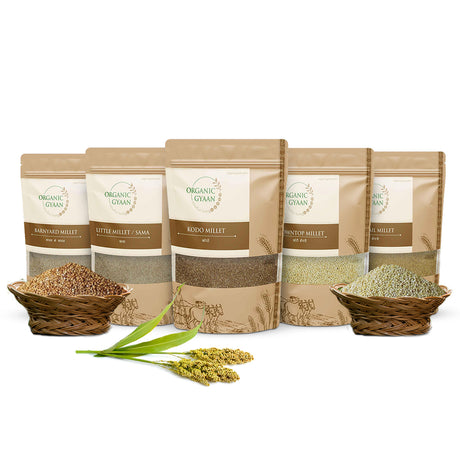
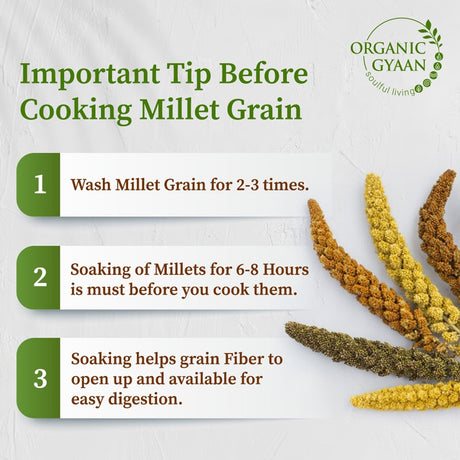
फॉक्सटेल, कोडो, लिटिल मिलेट और बार्नयार्ड मिलेट जैसे बाजरे धीरे-धीरे पचते हैं। इसका मतलब है कि आपका शुगर लेवल बिना अचानक उतार-चढ़ाव के अधिक स्थिर रूप से बढ़ता है।
बाजरे का इस्तेमाल उपमा, डोसा, इडली या यहां तक कि रोटी बनाने में भी किया जा सकता है।
2. घी जैसे स्वास्थ्यवर्धक वसा का सेवन करें।
एक चम्मच शुद्ध घी, विशेषकर ए2 गिर गाय का घी, रक्त में शर्करा के प्रवेश की गति को धीमा कर सकता है। यह भोजन को अधिक संतोषजनक बनाता है और भूख को कम करता है।
इसका इस्तेमाल दाल, रोटी, चावल में या फिर रात को गर्म दूध के साथ भी किया जा सकता है।
3. कोल्ड-प्रेस्ड तेलों का उपयोग शुरू करें
परिष्कृत तेलों से बचें। इसके बजाय, निम्नलिखित का उपयोग करें:
- कोल्ड-प्रेस्ड नारियल तेल
- कोल्ड-प्रेस्ड तिल का तेल
- कोल्ड-प्रेस्ड मूंगफली का तेल
ये तेल कम संसाधित होते हैं और इंसुलिन के बेहतर कार्य में सहायक होते हैं।
4. आयुर्वेदिक हर्बल पाउडर आजमाएं
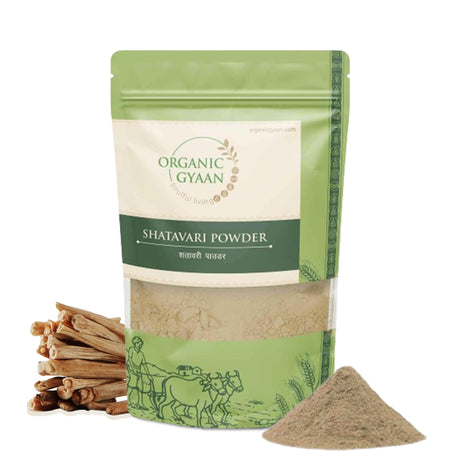
कुछ प्राकृतिक जड़ी-बूटियों का उपयोग सदियों से शर्करा संतुलन बनाए रखने के लिए किया जाता रहा है। इनमें शामिल हैं:
- त्रिफला – पाचन क्रिया और विषाक्त पदार्थों को बेहतर बनाता है
- मेथी (फेनुग्रीक) – शर्करा के अवशोषण को धीमा करती है
- आंवला (भारतीय आंवला) – विटामिन सी और एंटीऑक्सीडेंट से भरपूर
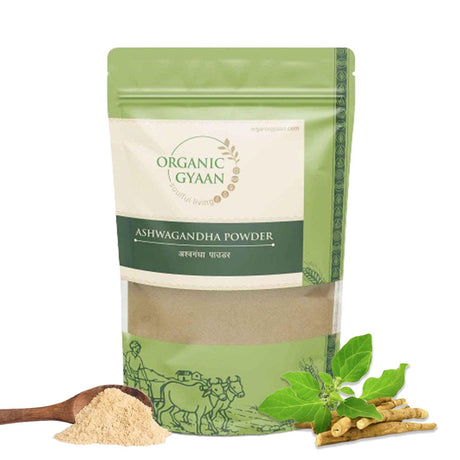
- अश्वगंधा – तनाव को कम करता है, जिससे शुगर नियंत्रण पर असर पड़ता है।
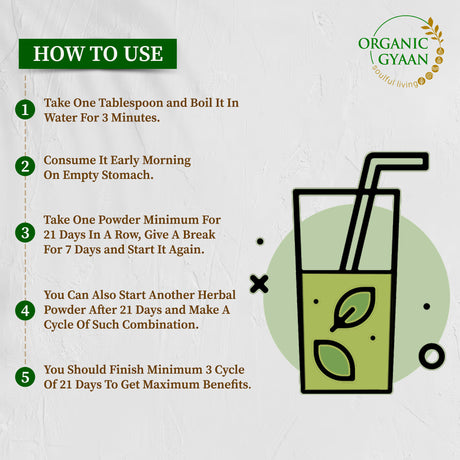
इन्हें पानी में मिलाकर या भोजन के बाद लिया जा सकता है।
5. सक्रिय रहें
आपको जिम में ज़ोरदार कसरत करने की ज़रूरत नहीं है। भोजन के बाद 30 मिनट की तेज़ सैर भी प्राकृतिक रूप से रक्त शर्करा को कम करने में मदद करती है। चलना-फिरना शर्करा के स्तर को नियंत्रित करने के सबसे सरल तरीकों में से एक है।
आपको अपने रक्त शर्करा स्तर की जांच कब करनी चाहिए?
आपको दिन भर जाँच करने की आवश्यकता नहीं है, लेकिन यहाँ कुछ महत्वपूर्ण समय दिए गए हैं जब जाँच करना सहायक होता है:
- उपवास (नाश्ते से पहले)
- दोपहर के भोजन या रात के खाने के 2 घंटे बाद
- सोने से पहले
- यदि आपको अस्वस्थता, चक्कर आना, बहुत थकान या बहुत प्यास महसूस हो
यदि आपको हाल ही में इस बीमारी का पता चला है, तो नियमित रूप से जांच कराने से आपको यह समझने में मदद मिलती है कि आपका शरीर विभिन्न खाद्य पदार्थों और दिनचर्याओं पर कैसे प्रतिक्रिया करता है।
अंतिम विचार
सामान्य रक्त शर्करा स्तर चार्ट को समझना आपके स्वास्थ्य के लिए सबसे समझदारी भरा कदम है। चाहे आप मधुमेह रोगी हों या केवल सावधानी बरत रहे हों, अपने स्तर को जानना आपको नियंत्रण और मानसिक शांति प्रदान करता है।
आपको रातोंरात बड़े बदलाव करने की जरूरत नहीं है। छोटे-छोटे कदम उठाएं:
- संतुलित भोजन करें
- बाजरा, घी और कोल्ड-प्रेस्ड तेल जैसे प्राकृतिक खाद्य पदार्थों का उपयोग करें।
- आयुर्वेदिक जड़ी-बूटियों को शामिल करें
- सक्रिय रहें
ये कदम आपको अधिक ऊर्जावान महसूस करने, जटिलताओं से बचने और स्वाभाविक रूप से स्वस्थ जीवन जीने में मदद कर सकते हैं।