
Imagine waking up every single day of your teenage life knowing your own immune system has permanently turned against you. No summer break from it. No weekends off. Every meal, every sports match, every exam, every sleepover requires careful planning around a condition that most of your peers will never have to think about. This is the reality for hundreds of thousands of teenagers living with Type 1 diabetes - and the numbers are only rising.
Between 2001 and 2017, the estimated prevalence of Type 1 diabetes in U.S. youth increased by 45% - a staggering jump that researchers are still working to fully explain. Type 1 diabetes is an autoimmune condition affecting approximately 1.5 million children and adolescents worldwide, with an incidence rising approximately 2–3% each year. In the United States alone, around 300,000 young people under 20 years old have Type 1 diabetes - and the numbers are rising.
Type 1 diabetes in teens is not just a medical condition - it's a complete lifestyle, one that intersects with the emotional turbulence, social pressures, academic demands, and physical changes of adolescence in uniquely challenging ways.
In this comprehensive guide, parents, caregivers, and teens themselves will learn everything important about Type 1 diabetes in teens: what causes it, how to recognize the symptoms, how it's treated, how it affects mental health, and how Ayurvedic natural support can play a complementary role in a teenager's overall wellness.
What Is Type 1 Diabetes and Why Does It Affect Teens?
Type 1 diabetes is an autoimmune disease that occurs when the immune system attacks and destroys the pancreas's insulin-producing beta cells, mistakenly identifying them as foreign bodies. Without these beta cells, the body can no longer produce insulin — the hormone responsible for moving glucose from the bloodstream into cells for energy.
This is fundamentally different from Type 2 diabetes, which involves insulin resistance. In Type 1 diabetes in teens, the pancreas has been permanently damaged by the body's own immune response. There is no amount of diet or lifestyle change that can reverse it. Insulin must be supplied externally - every day, for life.
While there is no cure for Type 1 diabetes today, there is reason to be hopeful that there one day may be. Until then, management through insulin therapy, blood glucose monitoring, nutrition awareness, and psychological support remains the standard of care.
Adolescence is a particularly vulnerable period for this condition. The teenage body undergoes rapid hormonal shifts - particularly surges of growth hormone and sex hormones - that directly interfere with insulin sensitivity and blood sugar regulation, making diabetes management in teenagers more complex than in any other age group.
Early Warning Signs: Recognizing Type 1 Diabetes in Teens
One of the biggest risks with Type 1 diabetes in teens is delayed diagnosis. Because symptoms can appear gradually or be mistaken for other conditions - or attributed to typical teenage behavior - many teens are not diagnosed until they're in a medical emergency.
The classic warning signs of Type 1 diabetes in teenagers include:
1. Extreme thirst (polydipsia): Teens may drink unusually large amounts of water or other beverages and still feel thirsty. This happens because excess glucose in the blood draws water out of tissues.
2. Frequent urination (polyuria): The kidneys work overtime to eliminate excess blood sugar, leading to constant trips to the bathroom - including at night.
3. Unexplained weight loss: Despite eating normally or even more than usual, a teen with undiagnosed Type 1 diabetes may lose weight rapidly because the body begins breaking down fat and muscle for energy.
4. Extreme fatigue: Without insulin to deliver glucose to cells, the body is essentially starved of energy - leading to persistent exhaustion that sleep doesn't resolve.
5. Blurred vision: High blood sugar causes fluid shifts in the lenses of the eyes, temporarily distorting vision.
6. Fruity-smelling breath: This is a warning sign of diabetic ketoacidosis (DKA) - a dangerous complication that can develop rapidly when the body burns fat for fuel in the absence of insulin.
7. Increased hunger (polyphagia): Despite eating, glucose can't enter the cells, so the brain continues to signal hunger.
If a teenager is showing several of these symptoms together - especially rapid unexplained weight loss and extreme thirst - seek medical evaluation immediately.
Diagnosis: How Type 1 Diabetes Is Confirmed
A diagnosis of Type 1 diabetes in teens typically involves several blood tests. The most common include a fasting blood glucose test (a level of 126 mg/dL or higher on two separate occasions confirms diabetes), a random blood glucose test (250 mg/dL or higher with symptoms), or an HbA1c test measuring average blood sugar over three months (6.5% or above indicates diabetes).
To confirm that it's Type 1 rather than Type 2, doctors typically also test for autoantibodies - particularly GAD antibodies - which signal that the immune system has been attacking insulin-producing cells. C-peptide levels may also be measured to assess how much natural insulin, if any, the pancreas is still producing.
Early and accurate diagnosis is critical. Delayed recognition of Type 1 diabetes in teenagers significantly increases the risk of presenting with diabetic ketoacidosis - a life-threatening condition that requires emergency hospitalization.
Treatment: Managing Type 1 Diabetes in Teens Day to Day
There is no oral medication or lifestyle change that can replace insulin in Type 1 diabetes. Insulin therapy is non-negotiable - but the delivery methods have evolved dramatically.
1. Insulin Therapy Options
- Multiple Daily Injections (MDI): The traditional approach involves injecting a long-acting (basal) insulin once or twice daily to cover background glucose needs, and a rapid-acting (bolus) insulin at each meal based on carbohydrate content and current blood sugar.
- Insulin Pump Therapy: A small wearable device delivers continuous insulin through a tiny cannula under the skin. Many teens prefer pumps because they eliminate the need for multiple injections, allow more flexible eating, and can be discreetly managed under clothing.
- Automated Insulin Delivery (AID) / Closed-Loop Systems: The newest and most advanced option, these systems combine an insulin pump with a continuous glucose monitor (CGM) and a smart algorithm to automatically adjust insulin delivery in real time. The ADA Standards of Care recommend automated insulin delivery for teens as a gold standard when accessible.
2. Continuous Glucose Monitoring (CGM)
CGMs have transformed diabetes management in teenagers. A small sensor inserted under the skin tracks glucose levels every few minutes and sends readings to a smartphone or receiver - eliminating the need for constant finger pricks and providing real-time alerts for dangerous highs and lows.
3. Carbohydrate Counting and Meal Planning
Every gram of carbohydrate a teenager eats affects their blood sugar. Learning to count carbs accurately and adjust insulin doses accordingly is a foundational skill for Type 1 diabetes in teens. Clinical guidelines recommend aiming for 30–60g of carbohydrates at each meal, eating three meals per day, and including protein in any meal or snack that contains carbs.
The Unique Challenges of Type 1 Diabetes During the Teen Years
Adolescence presents unique challenges in Type 1 diabetes management due to endocrinological changes, reduced therapeutic adherence, and elevated susceptibility to psychological issues such as depression, anxiety, and eating disorders.
Here are the key challenges that make Type 1 diabetes in teens uniquely complex:
1. Hormonal Interference
The hormonal surges of puberty - particularly growth hormone and cortisol - actively counteract insulin. This means that the same insulin dose that worked well at age 12 may be completely insufficient at age 15. Blood sugar swings during puberty are not a sign of poor management - they're a physiological reality that requires constant dose adjustment.
2. Social Pressure and Peer Dynamics
Adolescents with Type 1 diabetes are more vulnerable to bullying within the school environment. Many teens feel embarrassed about checking their blood sugar or injecting insulin in public. Some skip doses to avoid drawing attention - a dangerous practice. Supporting a teenager in feeling confident and open about their condition, rather than ashamed, is one of the most protective things a parent or guardian can do.
3. Mental Health Impact
Management of diabetes is often mostly associated with insulin infusions and measuring blood glucose levels - but treatment should be considered holistically, with psychological support playing an important role. Depression and anxiety are significantly more common in teens with Type 1 diabetes than in their peers. Mental health can have a major impact on diabetes management - stress raises cortisol, which in turn raises blood sugar, creating a vicious cycle.
A 2024 meta-analysis of 42 randomized controlled trials found that in children and adolescents with Type 1 diabetes, both educational support programs and psychological support improved A1C levels. This is powerful evidence that mental health care isn't optional - it's a clinical priority.
4. School and Sports Management
Exams, physical education, sports competitions, school trips, and irregular lunch schedules all create unpredictable blood sugar patterns. A stressful exam or social challenges at school can easily lead to sudden blood sugar spikes. Schools need to be informed, and a diabetes management plan (Section 504 Plan in the U.S.) should be in place to ensure the teen has access to supplies, monitoring, and treatment at all times.
Supporting a Teen with Type 1 Diabetes: A Practical Guide for Parents
Family involvement is a vital component of optimal diabetes management throughout childhood and adolescence. Here are the most important steps parents and caregivers can take:
Step 1 - Build independence gradually
Start involving preteens in their own care - monitoring glucose, learning injection technique, counting carbs. By the teen years, they should be taking increasing ownership, with parental guidance fading into background support.
Step 2 - Avoid making diabetes the center of every conversation
Having scheduled check-ins rather than constant questions can help teens feel more in control over conversations about their very personal health data.
Step 3 - Communicate with the school
Ensure teachers, the school nurse, and administrators are fully briefed. The teen should have unrestricted access to their glucose meter, CGM, insulin, and fast-acting carbohydrates at all times - in the classroom, during exams, and on the sports field.
Step 4 - Prioritize mental health
Arrange access to a psychologist or counselor who has experience with chronic illness in adolescents. Psychological support plays an important role in the treatment and may help in reducing the risk of diabetes complications.
Step 5 - Prepare for emergencies
Help teens keep backup supplies in their backpack and establish a reminder system to check their supplies and technology before they leave the house.
Step 6 - Connect with community
Diabetes camps, online support groups, and peer networks allow teens to meet others living with the same condition - reducing isolation and improving emotional resilience dramatically.
Ayurvedic Natural Support for Teen Wellness Alongside Type 1 Diabetes Management
It's important to be clear: Type 1 diabetes in teens requires insulin - always. No herb, supplement, or natural remedy can replace insulin therapy. However, Ayurvedic herbs can play a meaningful supportive role in overall metabolic health, immune system balance, and stress management - all of which directly affect blood sugar control.
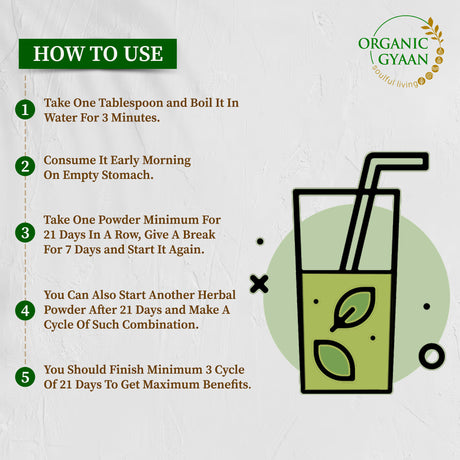
Organic Gyaan offers a carefully curated range of organic Ayurvedic products that can complement - never replace - a teenager's medical management plan. Always consult your doctor before introducing any herbal supplements, especially in younger patients on insulin, as some herbs may enhance insulin sensitivity and require dose adjustments.
1. Giloy Powder (Tinospora cordifolia) Known as "the root of immortality" in Ayurveda, Giloy is valued for its powerful immunomodulatory properties - particularly relevant in autoimmune conditions like Type 1 diabetes. A 2023 review highlighted Giloy's anti-inflammatory effects, which may help reduce the chronic low-grade inflammation that accelerates diabetes complications. Supporting immune balance is a core principle of Ayurvedic management of Type 1 diabetes.
2. Amla Powder (Indian Gooseberry) Amla is one of Ayurveda's richest natural sources of Vitamin C and antioxidants. Research suggests Amla may help protect beta cells from further oxidative damage - particularly valuable in an autoimmune condition. It also supports liver health, digestive function, and immunity, making it an ideal daily tonic for teenagers.
3. Ashwagandha Powder The teenage years combined with diabetes management create significant psychological stress. Ashwagandha is Ayurveda's premier adaptogenic herb - proven in clinical studies to reduce cortisol levels, improve stress resilience, and enhance overall energy. Since stress directly raises blood sugar, managing the stress response is a tangible diabetes management tool.
4. Siridhanya Millets (Positive Millets) For teens with Type 1 diabetes, what they eat matters enormously for insulin dosing accuracy. Siridhanya Millets - foxtail, barnyard, little, kodo, and browntop - are low-glycemic, high-fiber grain alternatives that release glucose slowly and steadily. Replacing refined grains with positive millets helps reduce post-meal blood sugar spikes, making insulin management more predictable.
5. Fenugreek Seeds (Methi) Fenugreek's soluble fiber slows carbohydrate digestion - smoothing glucose peaks after meals and supporting more stable blood sugar levels throughout the day.
6. Neem Powder Neem's anti-inflammatory and blood-purifying properties have been used in Ayurveda for centuries to support metabolic health. Neem may also support pancreatic function and improve insulin sensitivity in residual beta cell activity.
Empower Your Teen's Health Journey - Naturally and Completely
Managing Type 1 diabetes in teens is a team effort - and Organic Gyaan is proud to be part of that team. Explore our range of 100% organic Ayurvedic herbs including Giloy Powder, Amla Powder, Ashwagandha, Siridhanya Millets, Fenugreek Seeds, and Neem Powder - all crafted with care to support overall wellness, immune balance, and stress resilience for young people navigating life with diabetes.